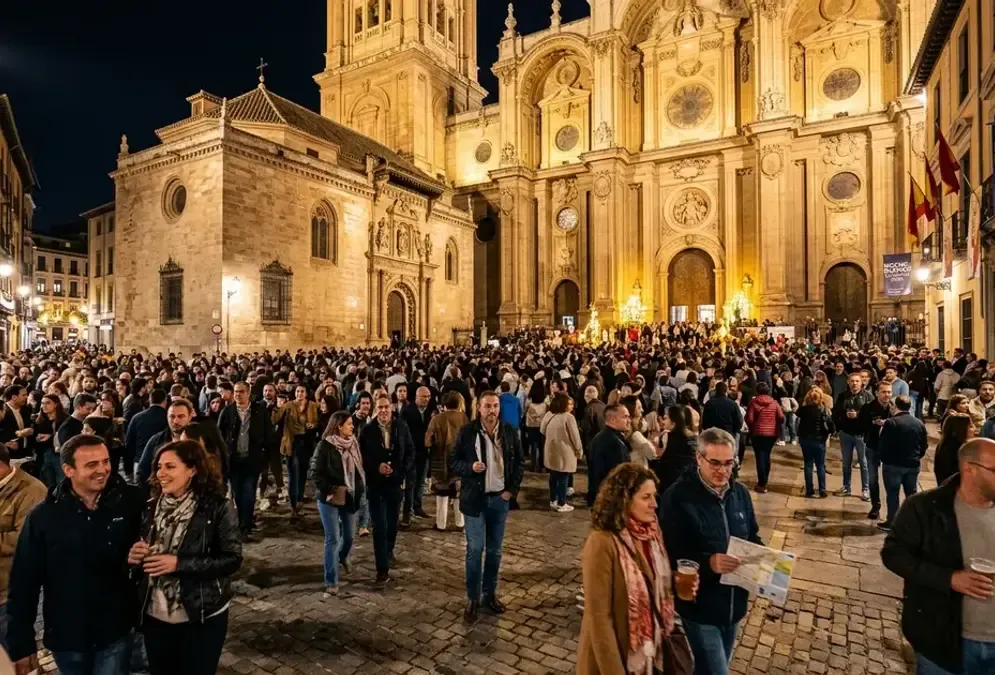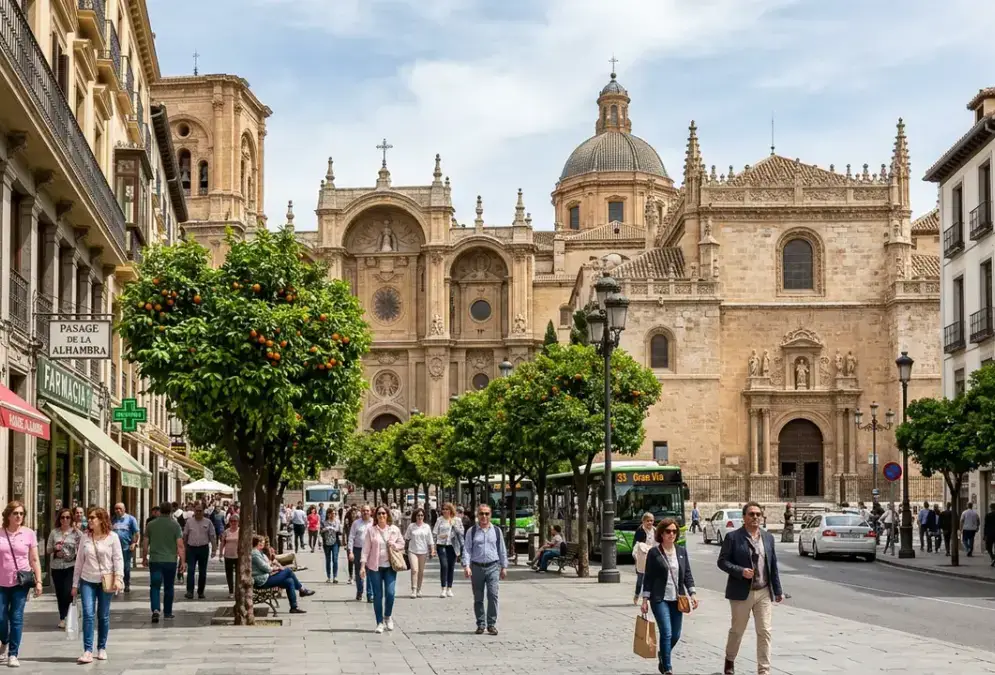
The historic centre of Granada is a compressed city: six or seven blocks where the density of significant buildings — Spanish Renaissance, Nasrid, early Gothic — is higher than anywhere outside the Alhambra. The Granada Cathedral is the architectural anchor, a Renaissance structure begun in 1523 on the site of the city's main mosque. Its construction took nearly 200 years, which explains the tonal shifts between its austere early sections and the more exuberant later elements. The adjacent Royal Chapel houses the tombs of Ferdinand and Isabella, the two monarchs whose decision to fund Columbus and expel Granada's Jewish and Moorish populations reshaped the modern world. The chapel is relatively small and genuinely moving: the stone sarcophagi, the Flemish altarpiece, the crowns and swords in the adjacent museum.
One street east of the cathedral, the Alcaicería occupies the site of Granada's Nasrid silk bazaar — the original was burned in 1843 and the current structure is a 19th-century reconstruction, but the layout of narrow covered lanes still functions as a concentrated commercial district. Leather goods, ceramics, spices, and tourist items fill the stalls. Prices are negotiable to a degree. Seventy metres west, the Corral del Carbón is a genuine survival: the only intact Nasrid funduq (merchant inn and warehouse) remaining in Spain. Its courtyard, open to the street, is free to enter and gives a clearer sense of the 14th century than any of the reconstruction around it. The Madraza de Granada, across the square from the Royal Chapel, was the main Koranic school of Nasrid Granada. Its Baroque facade conceals a Nasrid interior that can be visited; it is now used by the University of Granada.
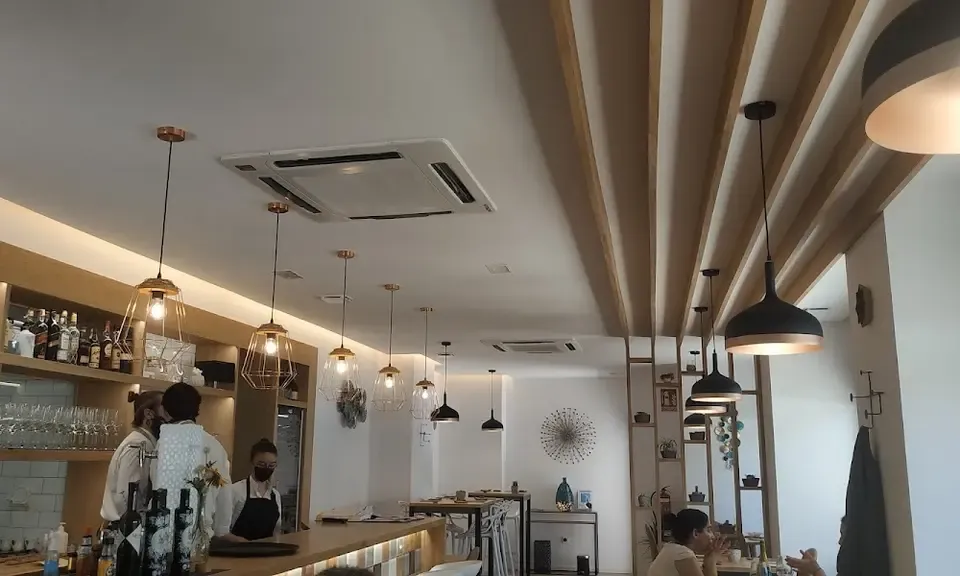
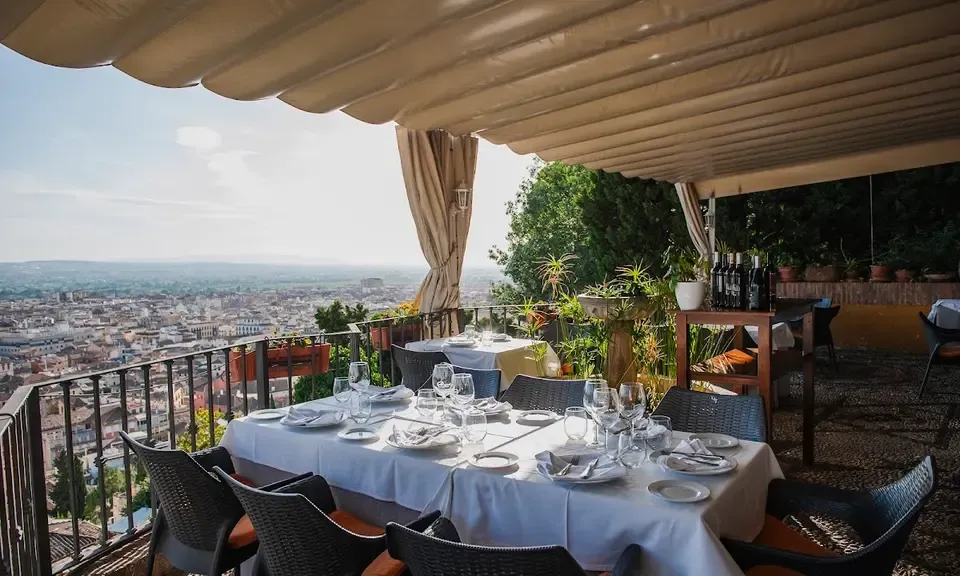
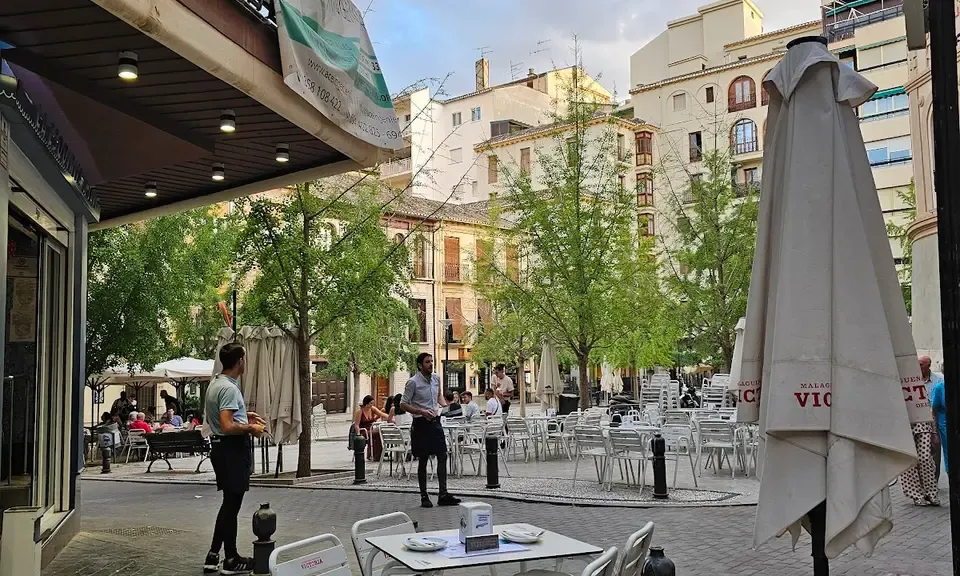
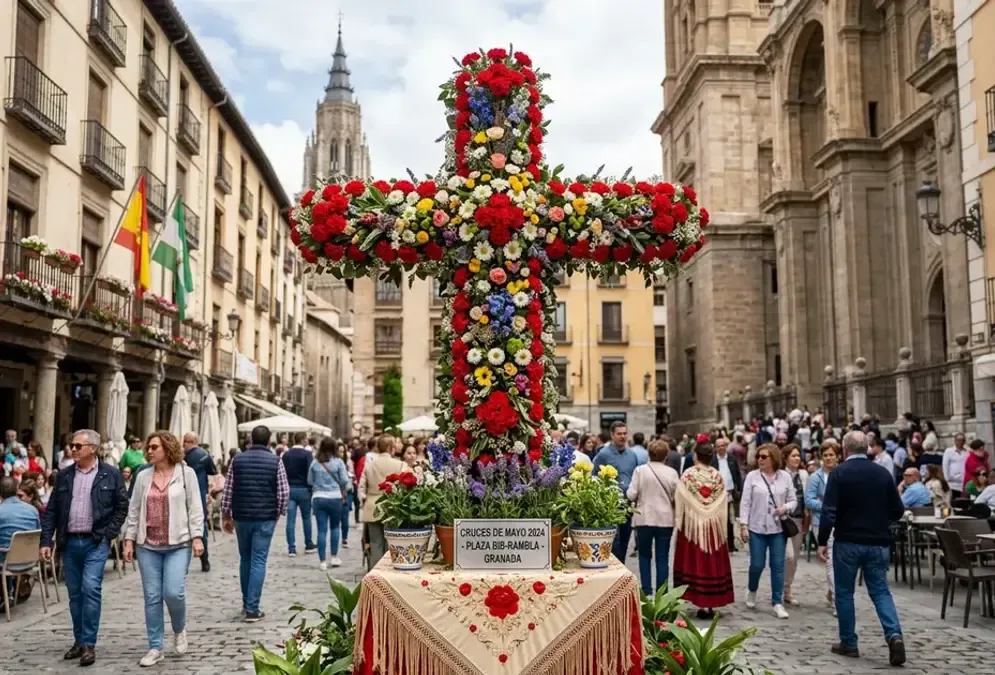
The streets immediately south of the cathedral — Calle Mesones, Calle Alhóndiga, the lanes around Plaza Bib-Rambla — are where Granada's centre operates as a city rather than as a monument complex. Bib-Rambla is a broad, café-lined square that functions as the neighbourhood's living room: flower stalls in the morning, outdoor dining at lunch, and a reliable stream of local life throughout the day. The streets behind the square toward Calle Navas and Calle Elvira hold many of Granada's better independent restaurants.
Getting around Centro
Almost everything in the historic centre is within a 10-minute walk of Plaza Nueva or the cathedral. The main pedestrian artery, Gran Vía de Colón, runs north-south and connects the centre to the bus stops and the road up to the Albaicín. Cathedral entry requires separate admission from the Royal Chapel — buy tickets online or at the box office. Free entry applies to the Corral del Carbón (exterior and courtyard) and the Alcaicería lanes.