Articles
Stories, history, and planning essays from Granada
Long-form editorial pieces written by resident correspondents — cultural deep-dives, food traditions, and practical planning essays for visiting the city.
Featured
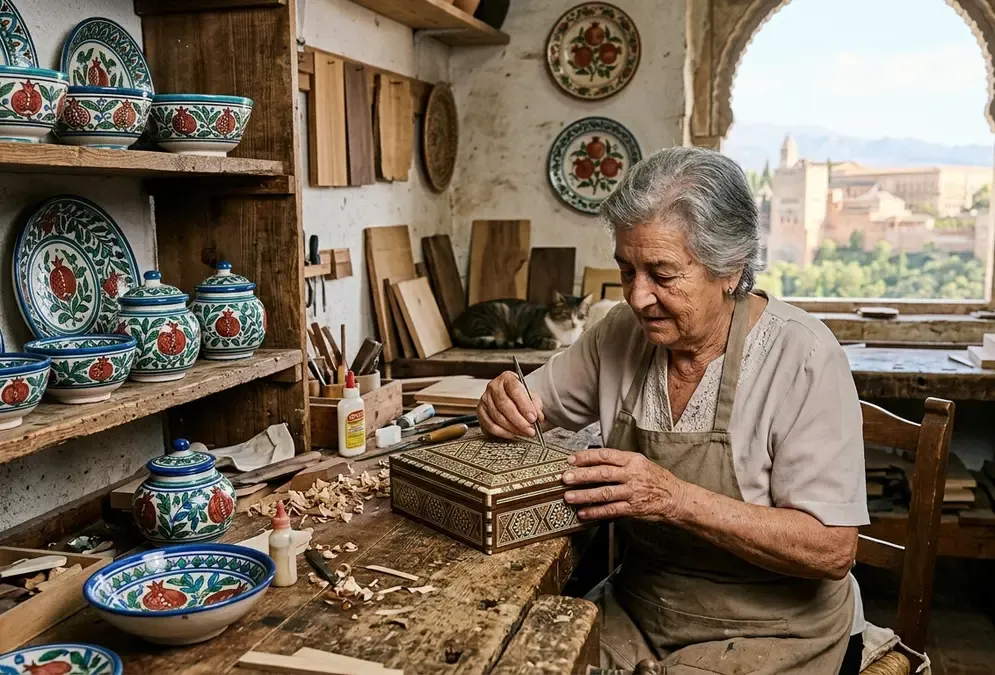
Granada Artisan Crafts: Taracea, Fajalauza Ceramics and Leather
Granada's taracea marquetry, Fajalauza ceramics, leather goods, and luthiery trace directly to Nasrid workshop traditions. A guide to finding the real thing.
Read article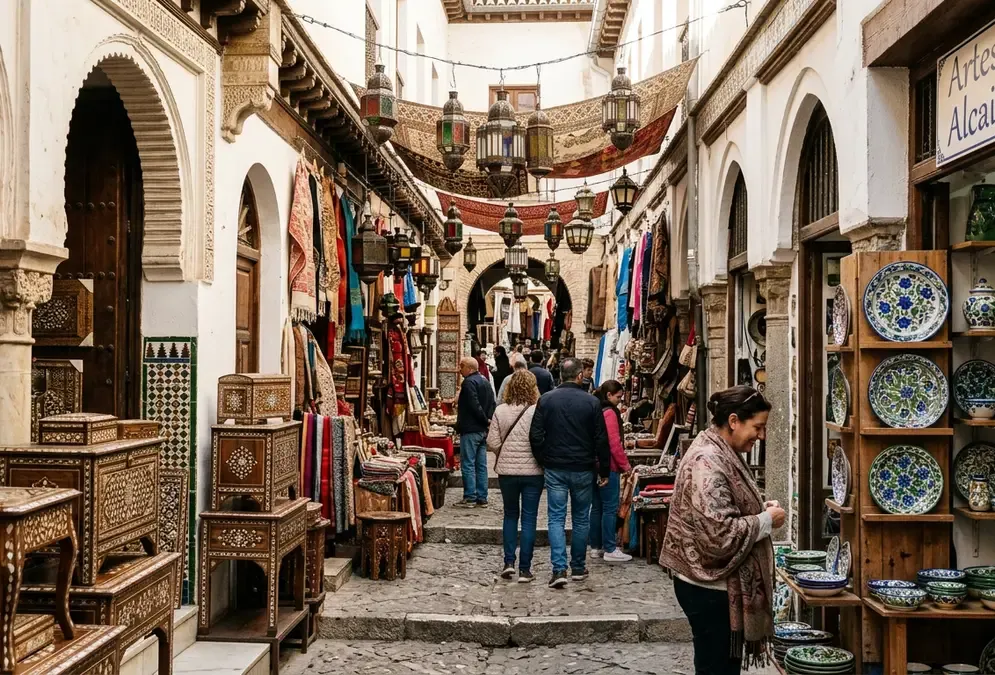
Granada's Markets: A City's History Told Through Trade
From a Nasrid silk monopoly to Sunday flea markets, Granada's five markets map the city's history. Where to go, what's worth buying, and what each reveals.
Read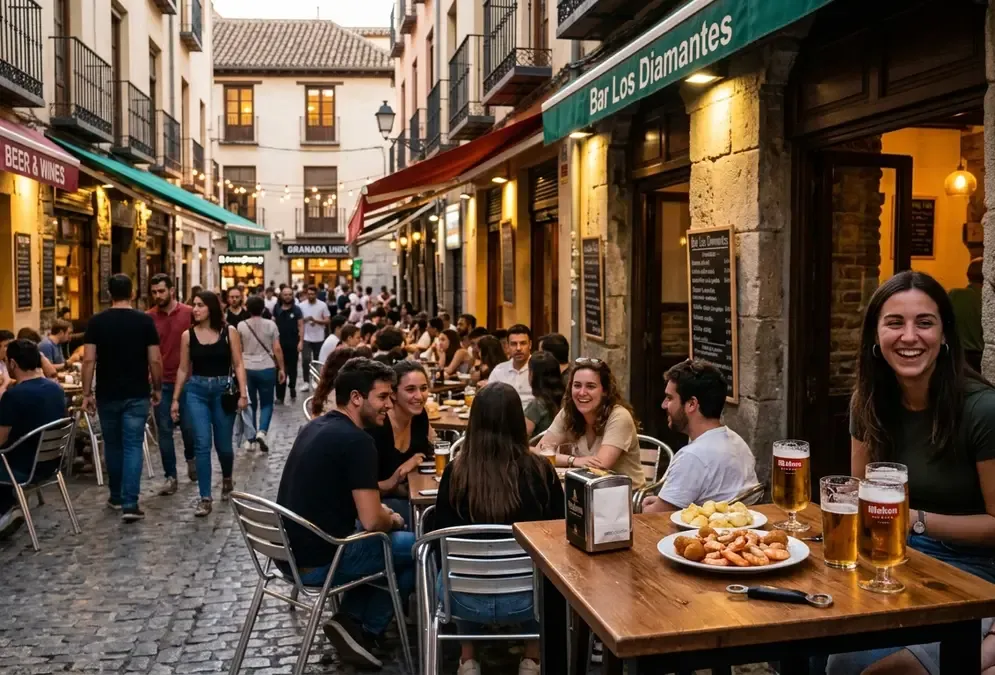
Granada's University District: Student Life, Bars & Culture
Granada's universidad quarter has 60,000 students, €2 beers on the main bar strip, free tapas, and a university founded in 1531. Here's how to explore it.
Read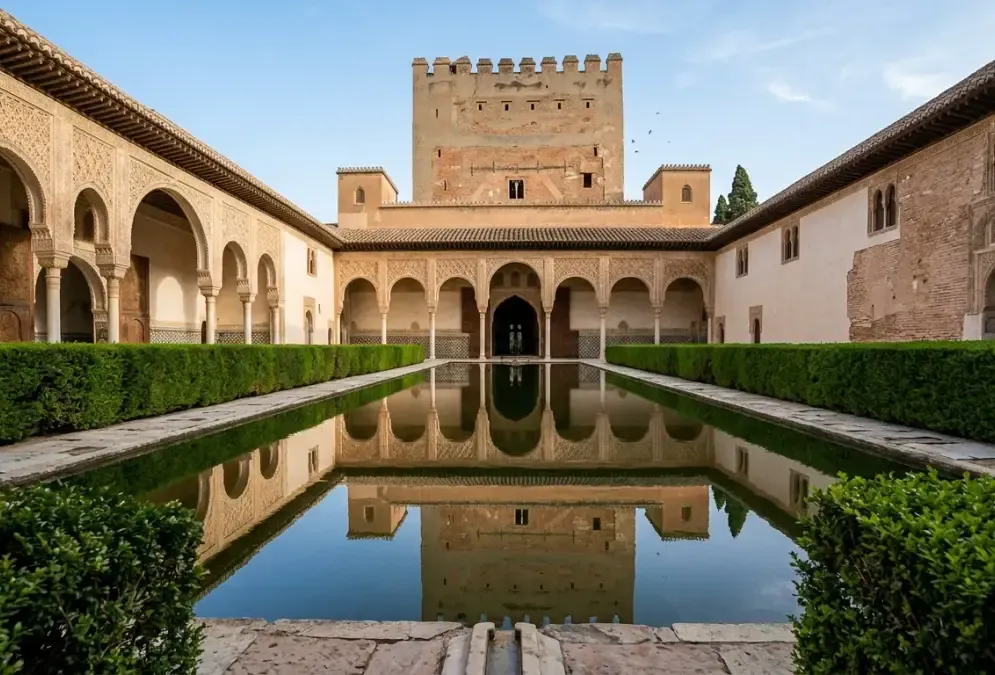
The Alhambra's Water System: Engineering of the Nasrid Palaces
The Alhambra's water system is a 760-year-old feat of engineering. Acequia Real aqueduct, fountain mechanics, and the theology of water in Nasrid design.
Read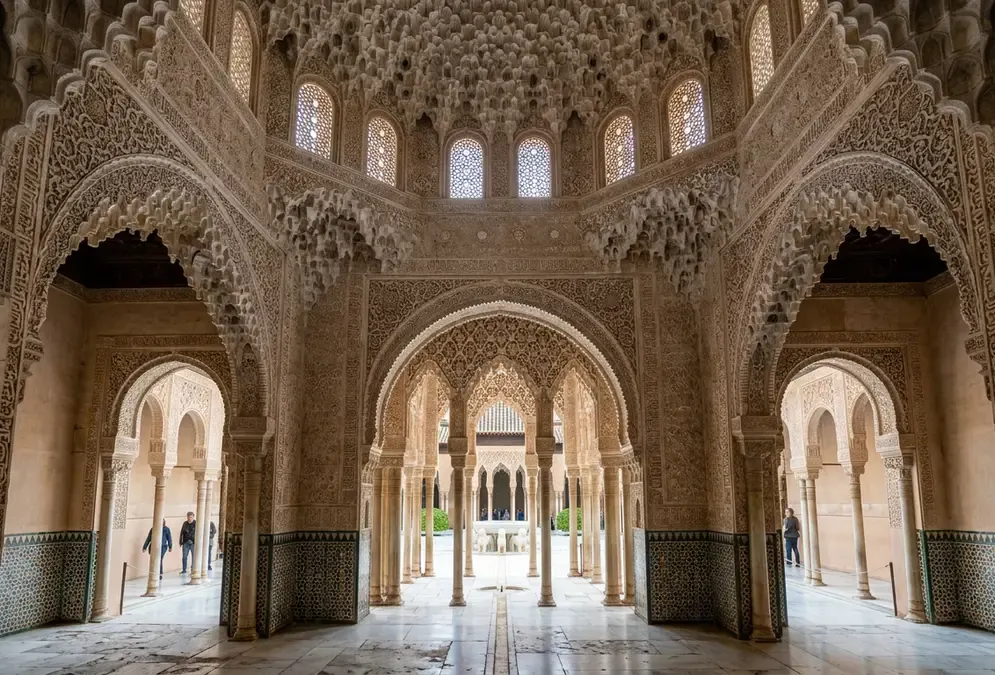
Boabdil: Last Moorish King of Granada
Boabdil surrendered Granada on 2 January 1492, ending 781 years of Moorish rule. Who was the final Nasrid sultan — and how does Granada still remember him?
Read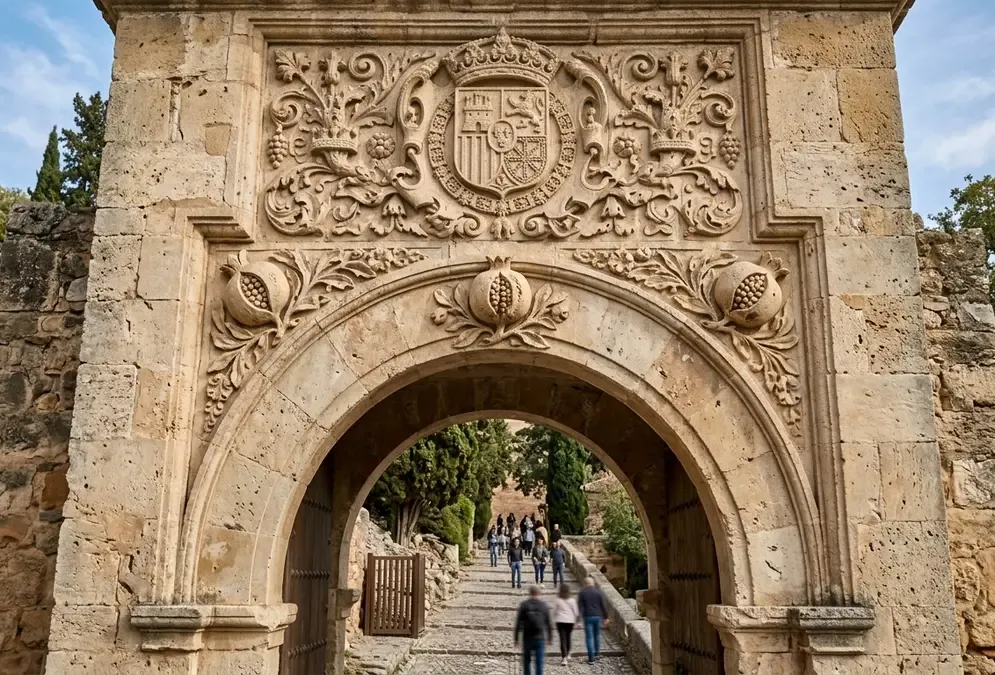
Granada's pomegranate symbol: from conquest to convergence
The granada pomegranate symbol still sits in Spain's royal coat of arms. Why a fruit? The answer runs from Islamic paradise to Ferdinand's trophy heraldry.
Read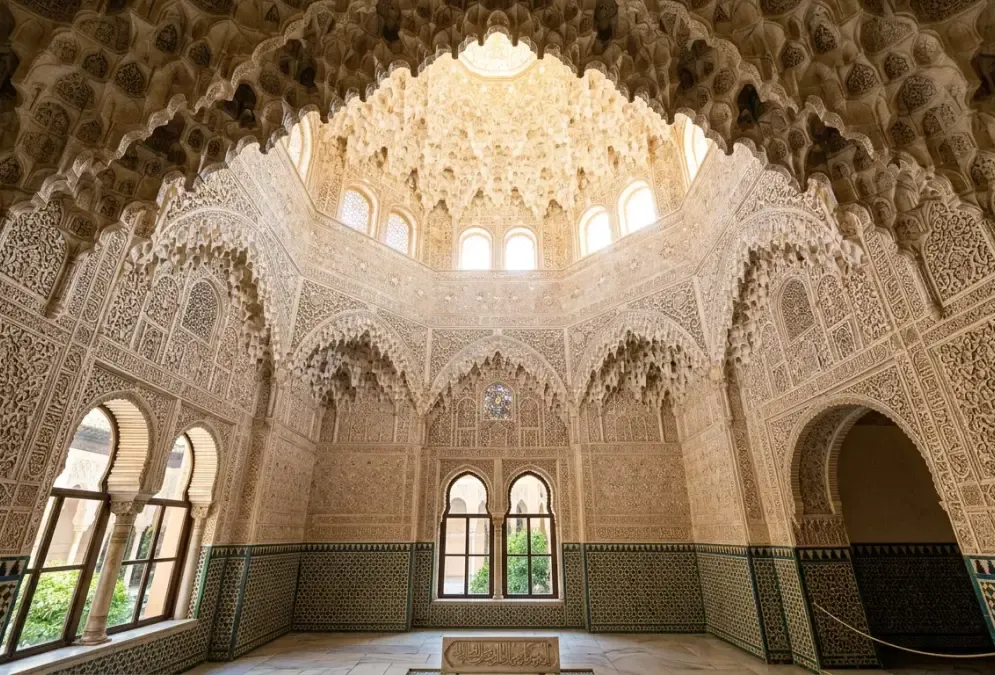
The Nasrid Dynasty: Granada's 260-Year Islamic Kingdom
The Nasrids ruled Granada from 1232 to 1492, building the Alhambra while every other Moorish kingdom fell. Their story of diplomacy, art, and collapse.
Read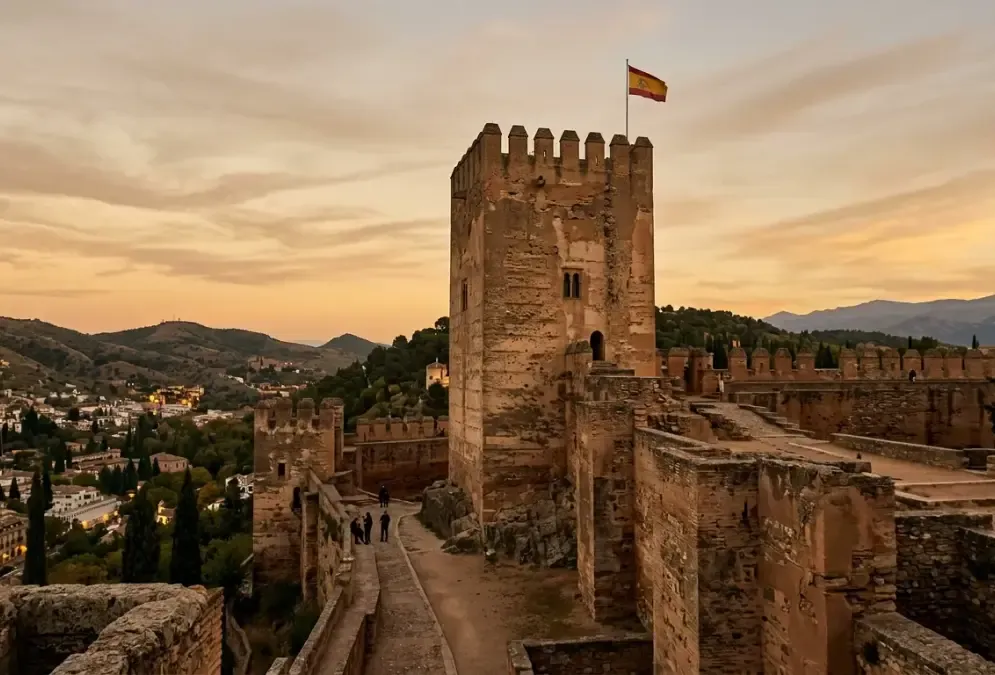
The Reconquista and the Fall of Granada in 1492
On 2 January 1492, Granada surrendered, ending 781 years of Moorish rule. The Reconquista, the siege of 1491, and the Granada Capitulations explained.
Read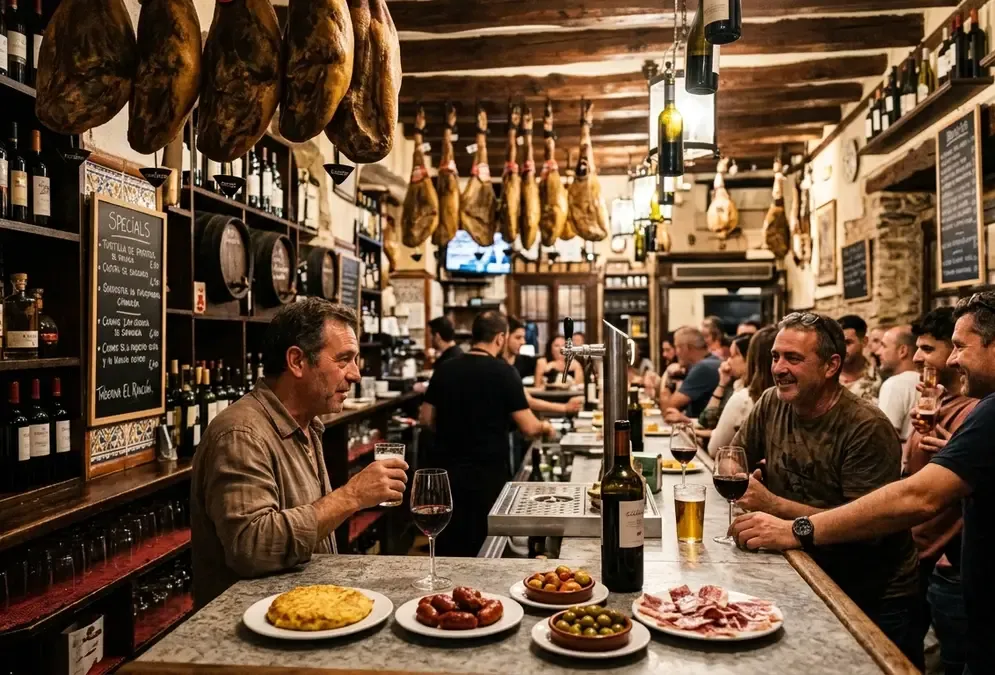
Why Granada Tapas Are Free: The History Behind the Tradition
Granada is one of the last cities in Spain where every drink comes with a free tapa. The real history, the unwritten rules, and the best bars to find it.
Read