Abadía del Sacromonte
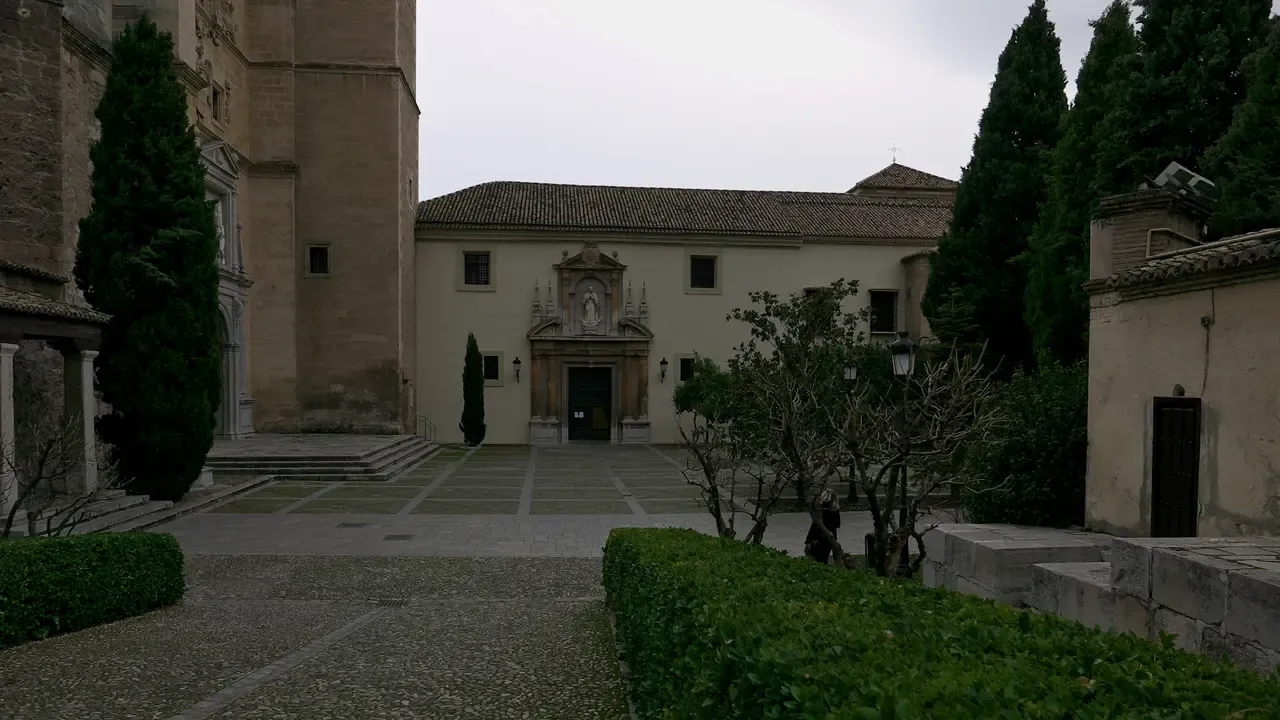
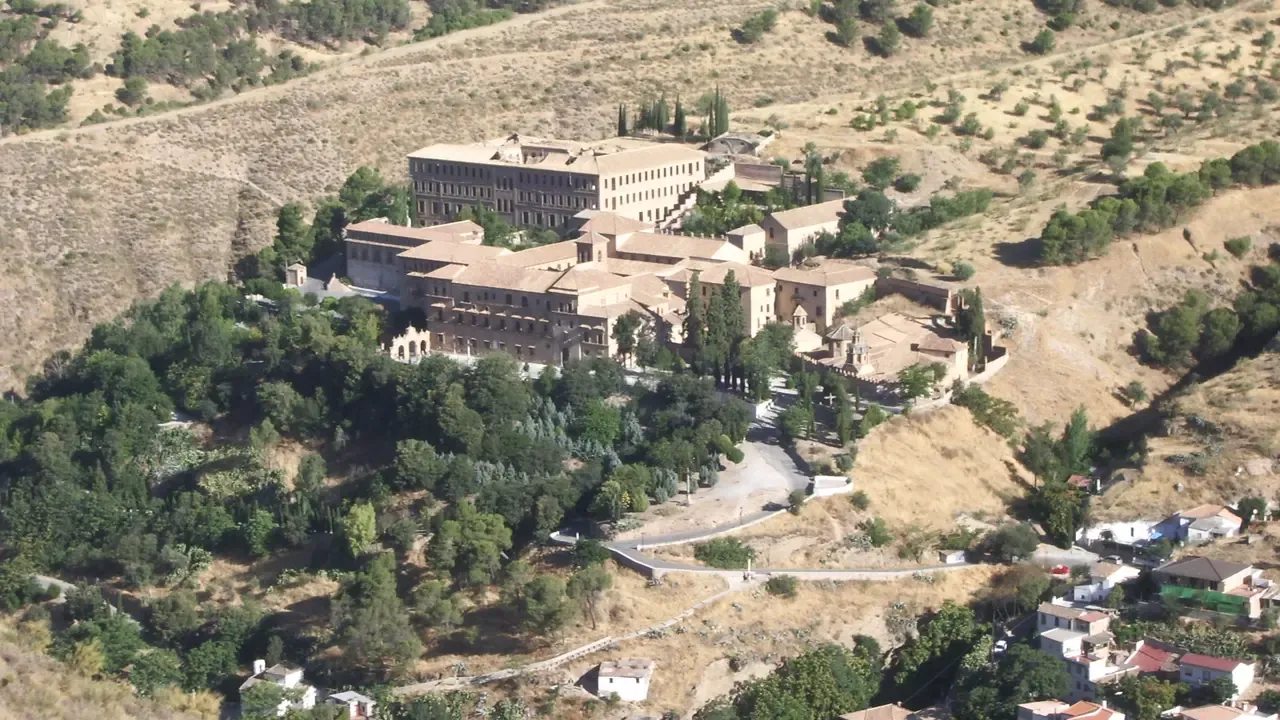
Sacromonte abbey: a 17th-century forgery scandal, Granada's only Goya painting, and limestone catacombs under a working monastery. Guided tours €5, open daily.
Archaeology, fine arts, flamenco, Sephardic history — Granada's museums cover two millennia in compact, walkable settings.
Granada's museums are as diverse as the city's history. The Archaeological Museum traces Roman and Moorish heritage, the Museo de Bellas Artes houses Andalusian masters, and Casa de Sefarad preserves Sephardic memory in a 14th-century courtyard house. For something different, the Centro Flamenco Fosforito explores the art form born in this region. All five are within walking distance of each other in the historic centre.
Perfect for
Sacromonte abbey: a 17th-century forgery scandal, Granada's only Goya painting, and limestone catacombs under a working monastery. Guided tours €5, open daily.
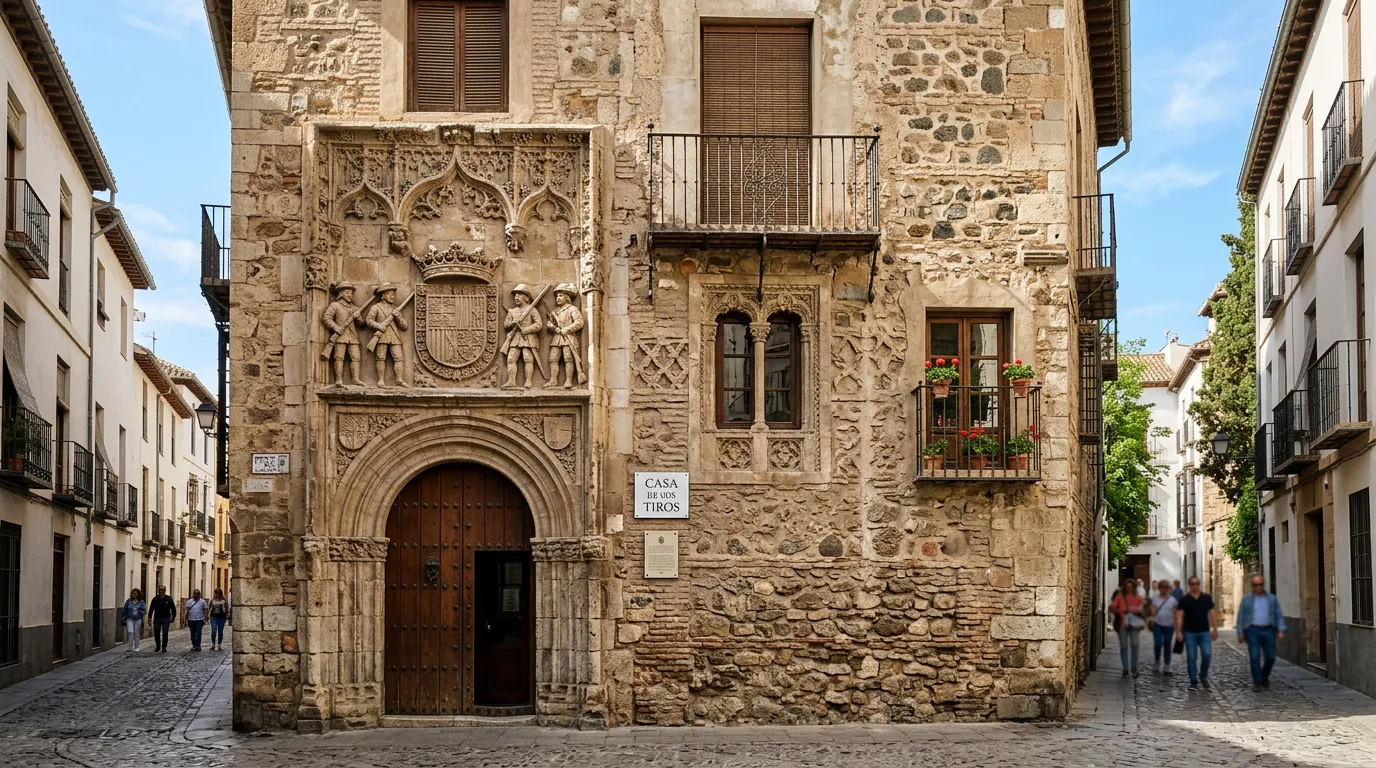
16th-century palace in Granada's Realejo with a Gothic-Mudéjar façade, gilded ceiling, and Romantic-era travel art. Free for EU citizens with valid ID.
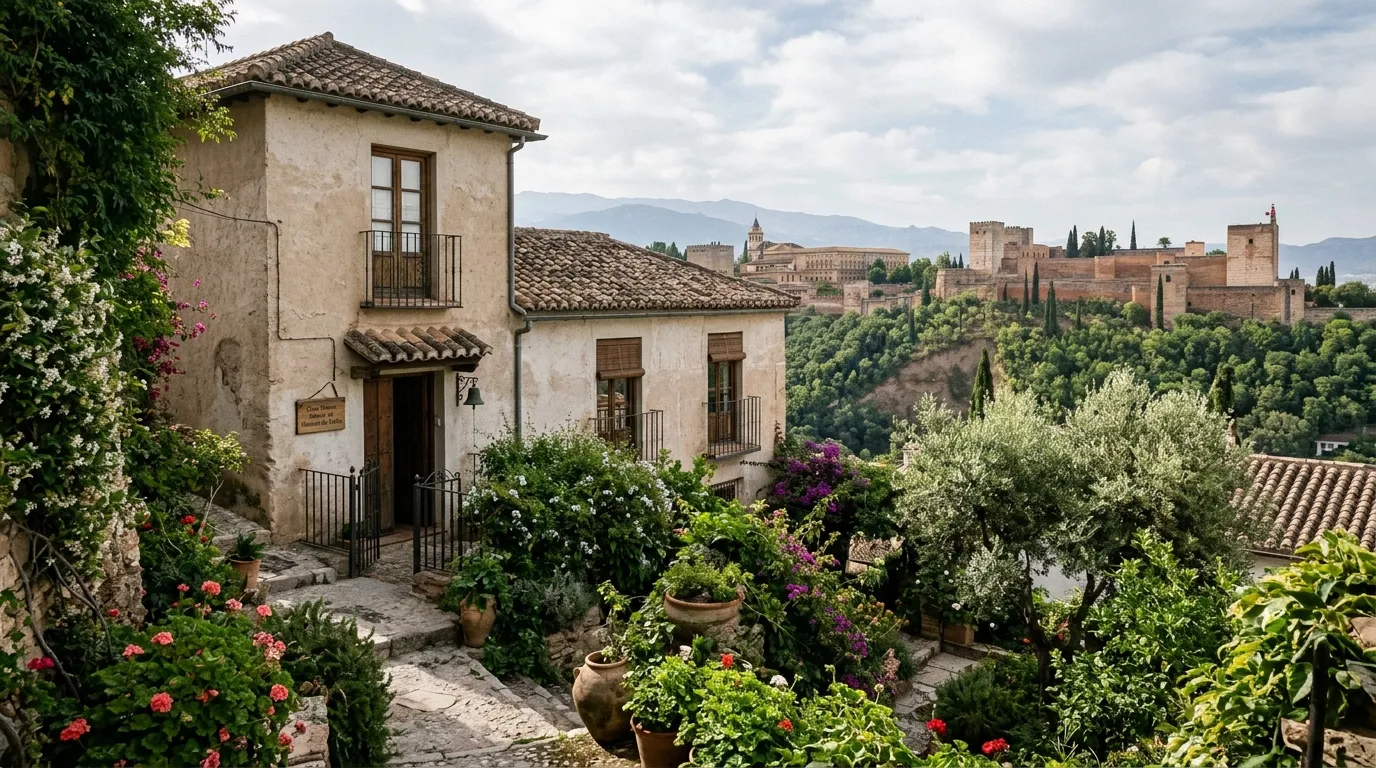
Manuel de Falla's Granada home from 1921 to 1939, preserved as he left it. His piano, manuscripts, gifts from Picasso, and garden views of the Sierra Nevada.
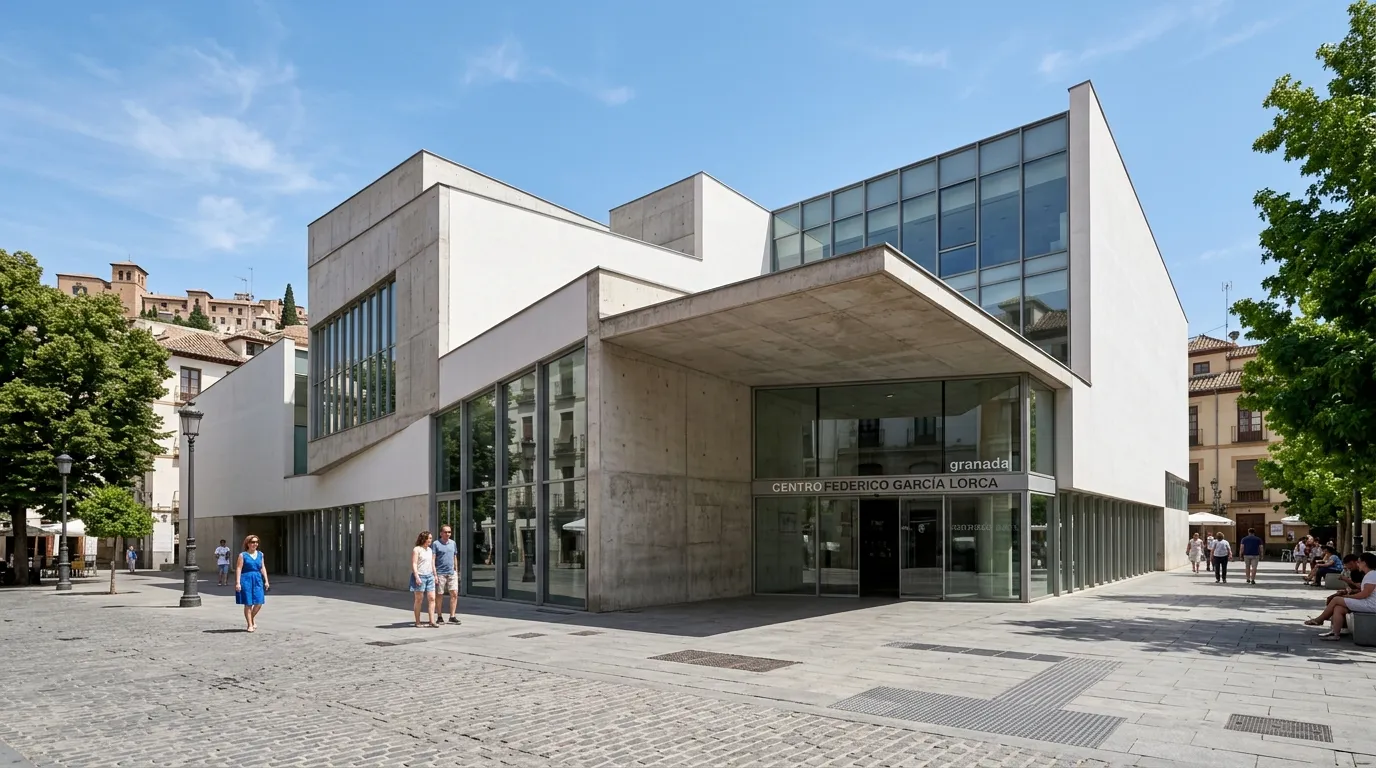
Free cultural centre dedicated to Federico García Lorca. Manuscripts, first editions, photographs and rotating exhibitions. Two minutes from the cathedral.
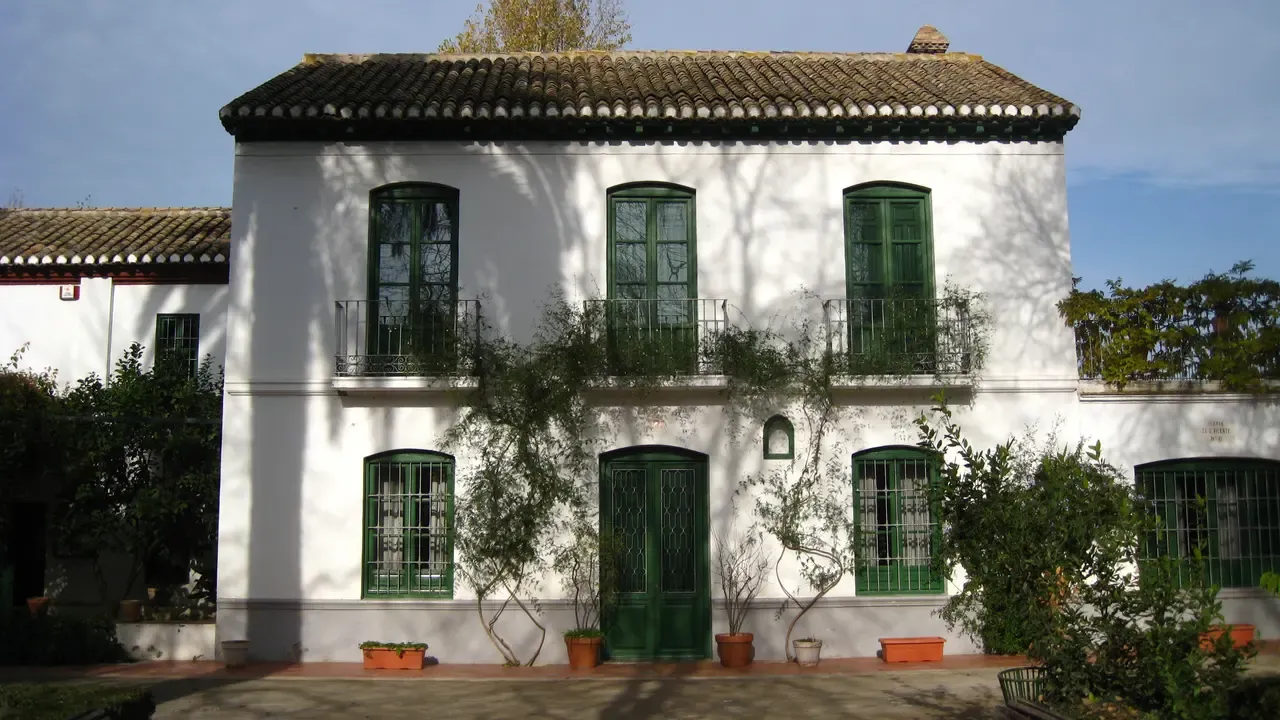
The Huerta de San Vicente is the García Lorca family's Granada summer home from 1926 to 1936, where Lorca wrote Blood Wedding and Yerma. Guided tours only, €3.
First church of Christian Granada, built in the 1520s. Plateresque stone facade, Renaissance interior, 16th-century cloister, tomb of the Great Captain. €7.
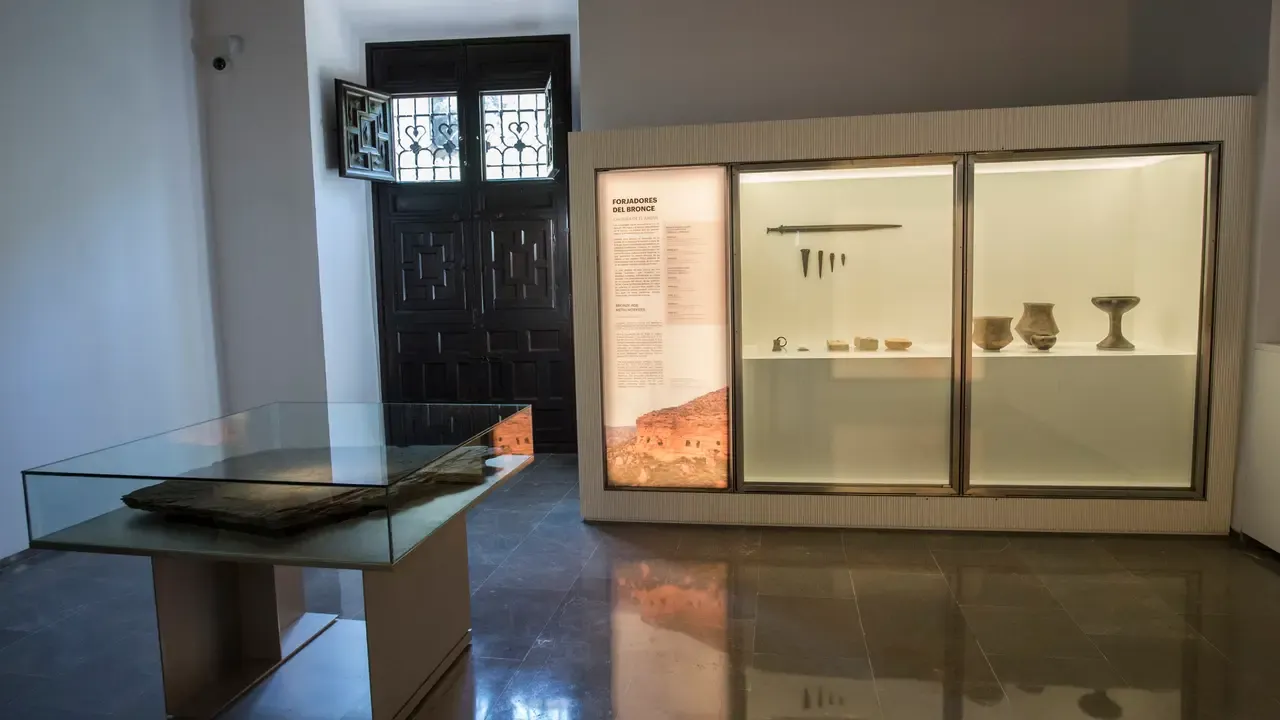
Inside the 1539 Casa de Castril on the Darro. Paleolithic to Nasrid-era finds: Phoenician objects, Roman bronzes, Arab ceramics. €1.50; free for EU citizens.
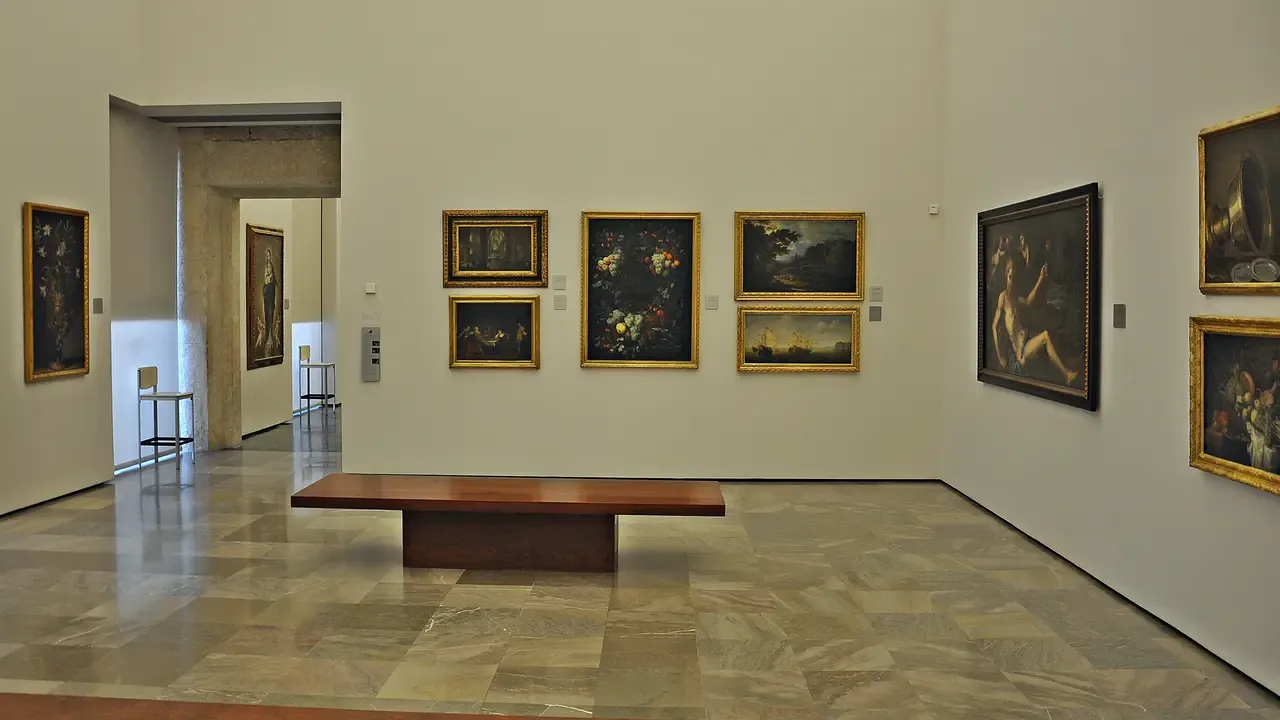
Spain's oldest public museum (1839), upper floor of the Palace of Charles V. Free for EU visitors. Alonso Cano's Granada School paintings and sculptures.
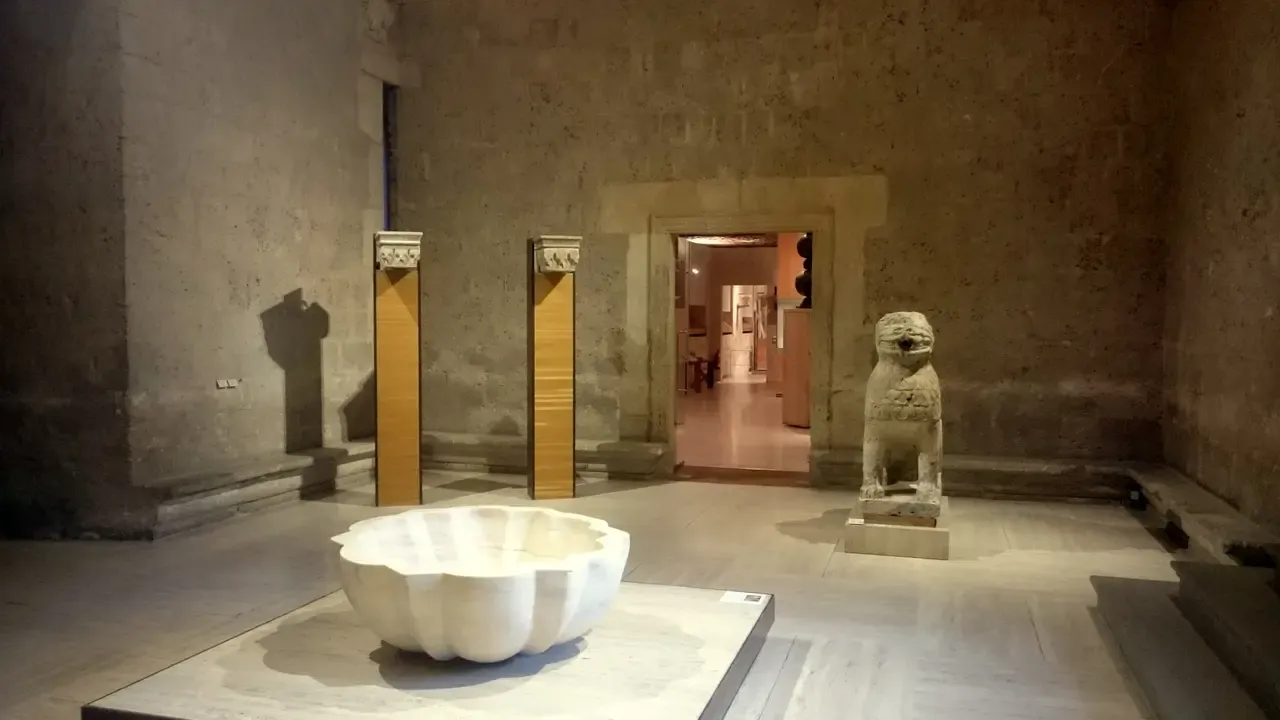
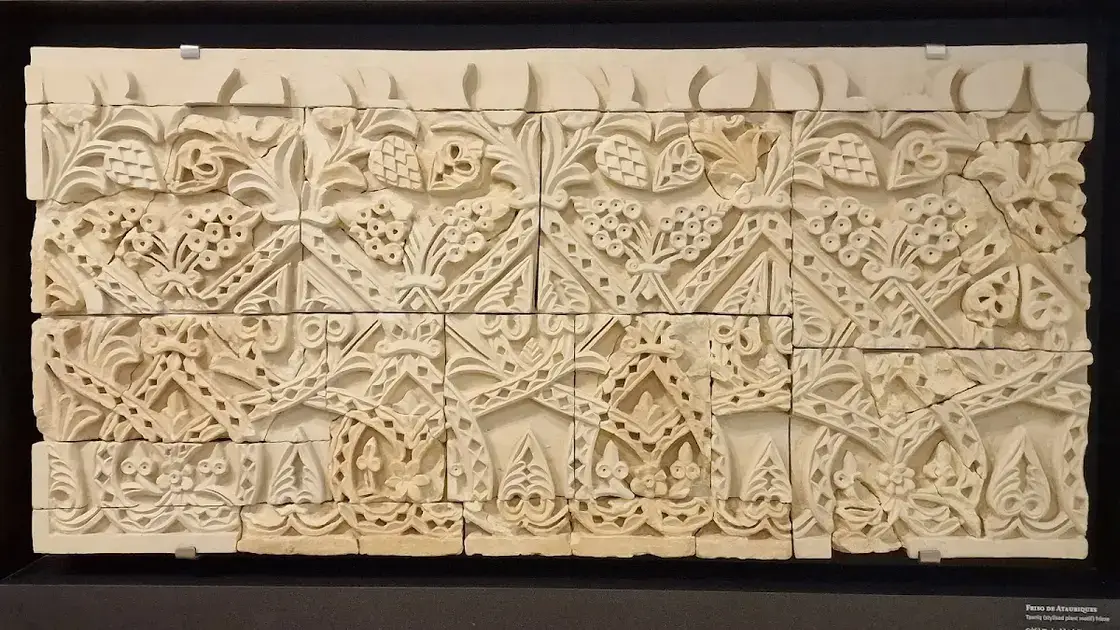
Free Islamic art museum inside the Palacio de Carlos V, with Nasrid ceramics, carved stucco, and the Blue Amphora. Essential context for the Alhambra visit.
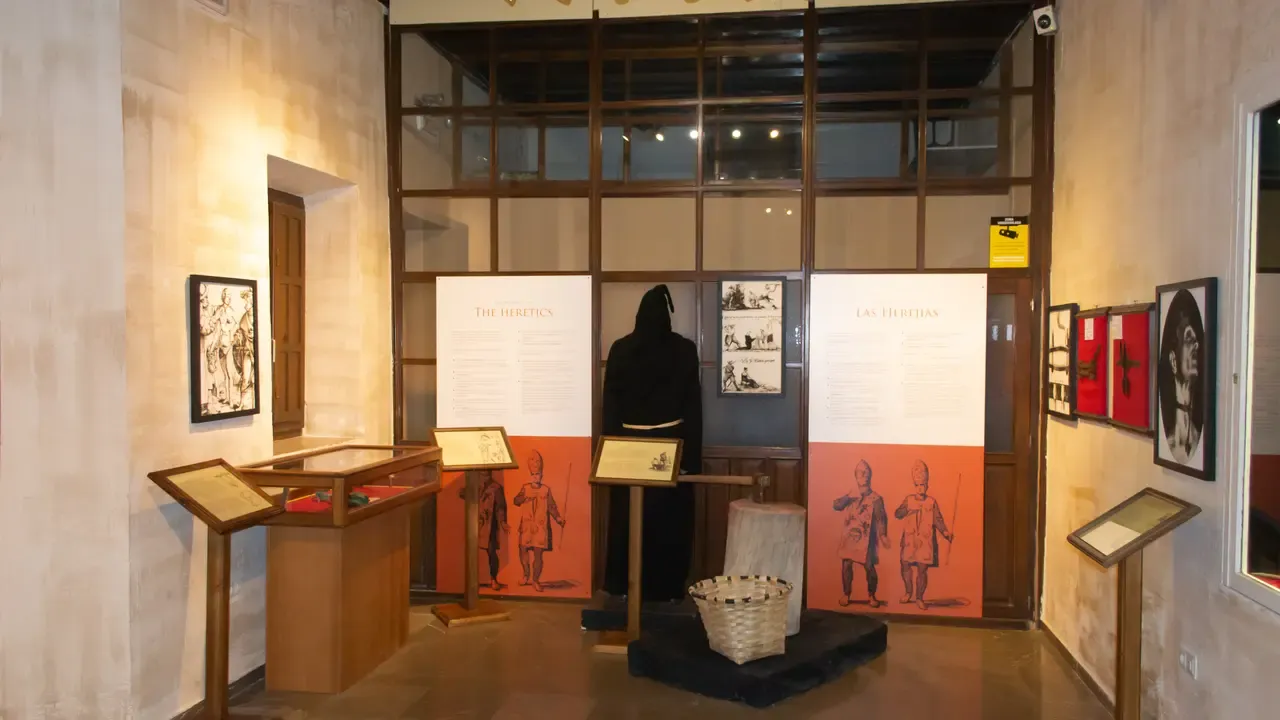
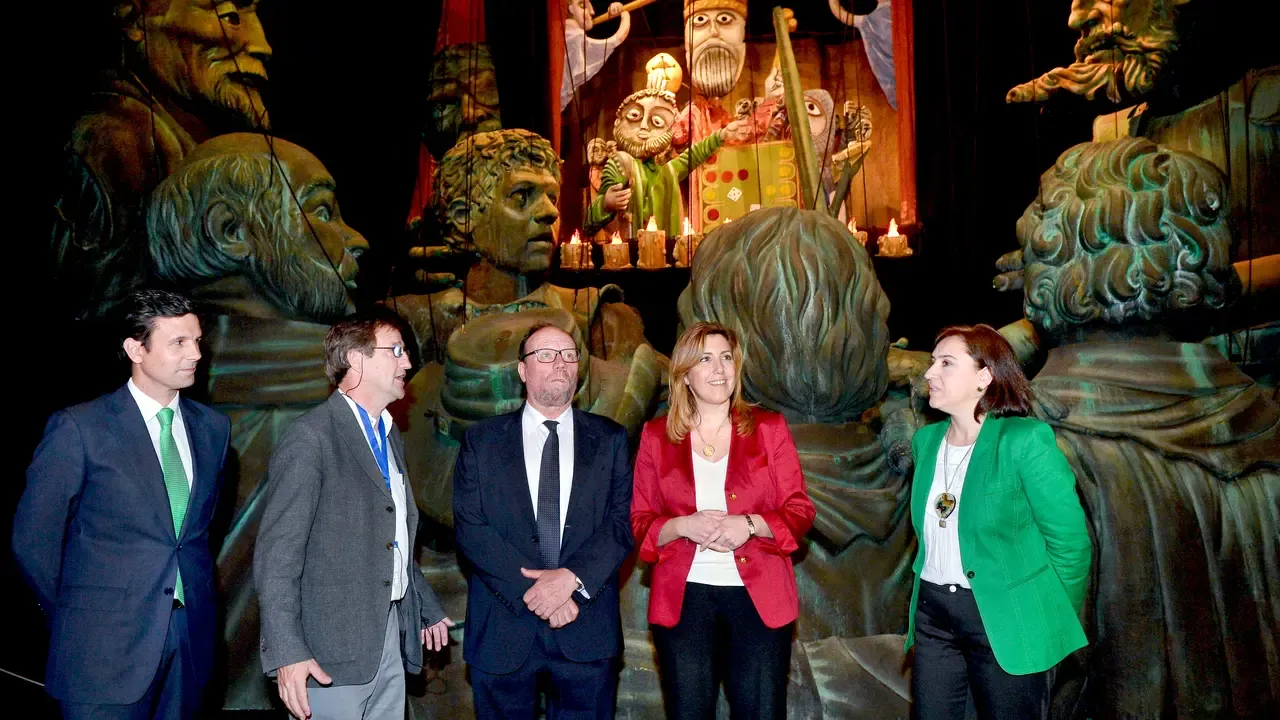
Granada's Sephardic Jewish history told through wax figures, Inquisition artefacts, and guided tours. Steps from the Carrera del Darro in the Albaicín.
Andalusia's largest science museum: 70,000 m² of interactive exhibits, a planetarium, BioDomo greenhouse, and observation tower. Adult €7. Allow 3–4 hours.