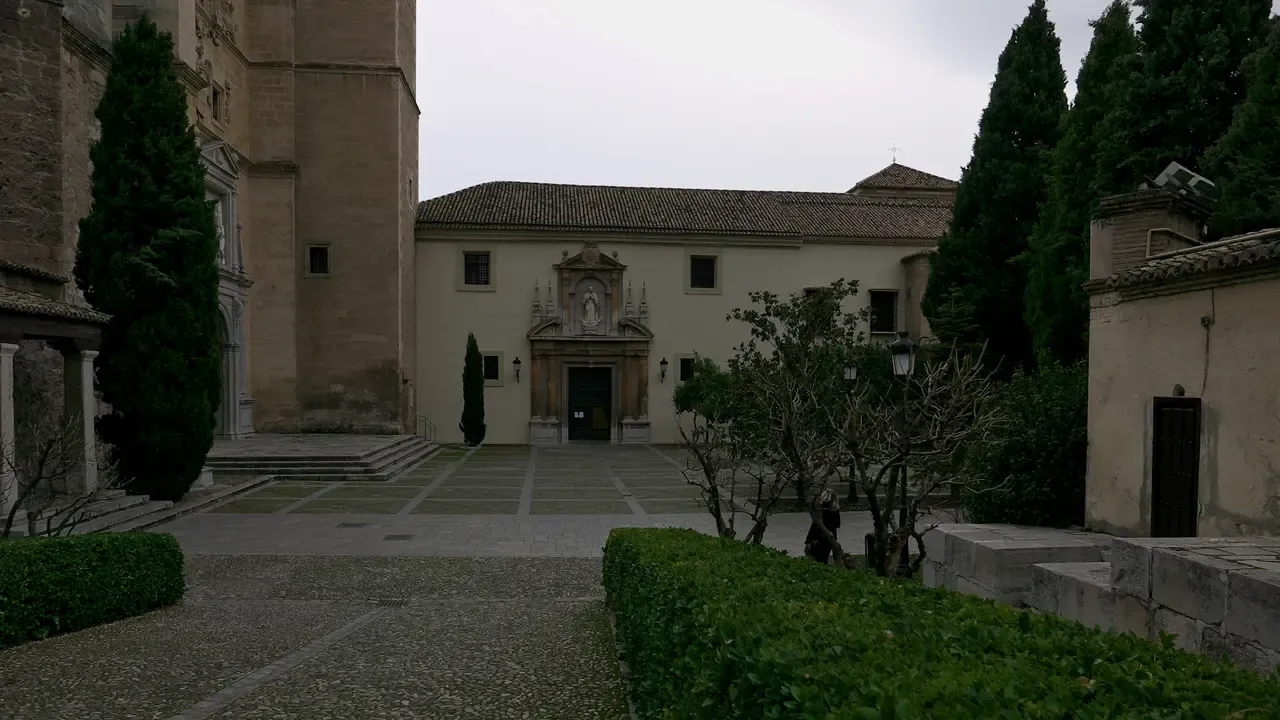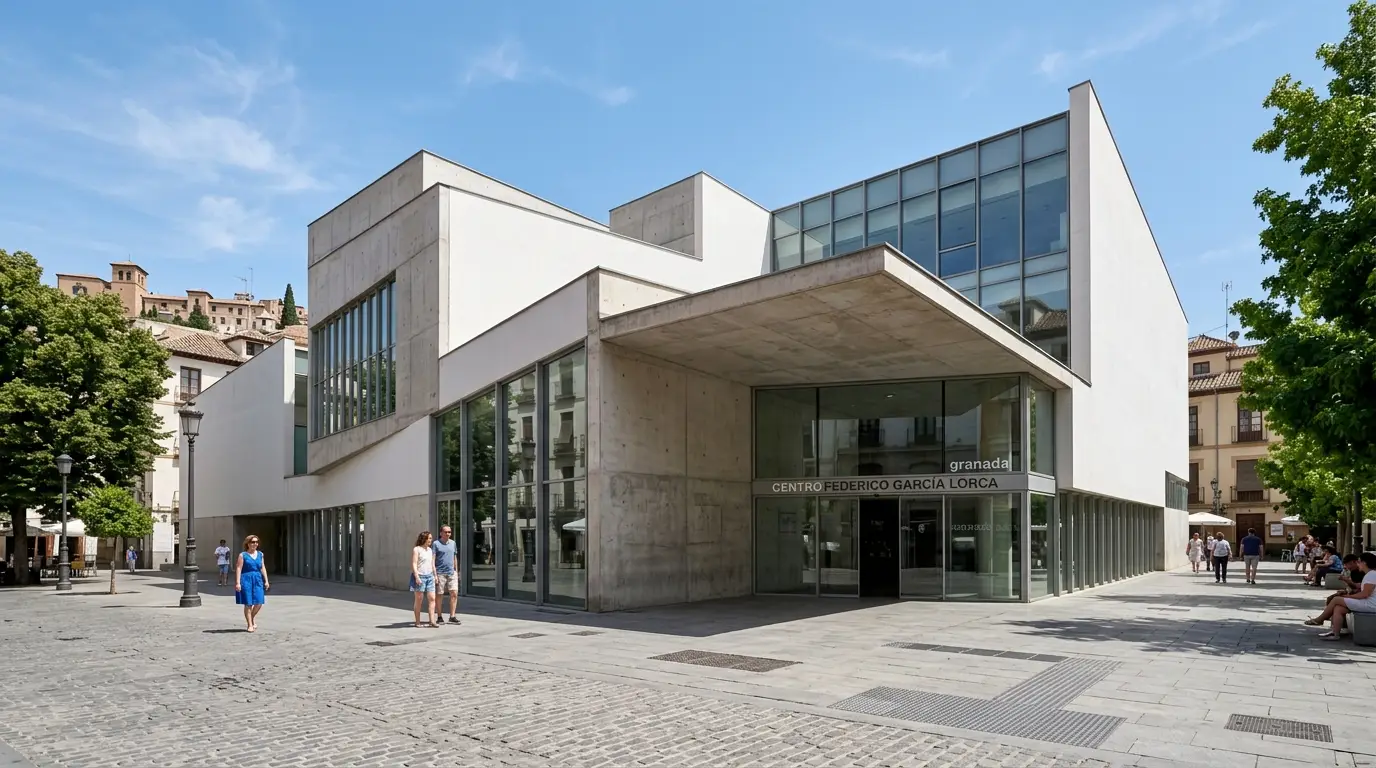

Federico García Lorca was born in 1898 in Fuente Vaqueros, a village on the Vega plain west of Granada, and the city shaped everything that followed. He studied here, argued in its cafés, organised the 1922 Deep Song Competition at the Alhambra Palace Hotel that revived interest in traditional flamenco, and wrote poems soaked in the imagery of the Vega's poplar groves and Gypsy encampments. The Centro Federico García Lorca, opened in 2023 in a building on Plaza de la Romanilla in the historic centre, is the city's formal attempt to hold that story in one place.
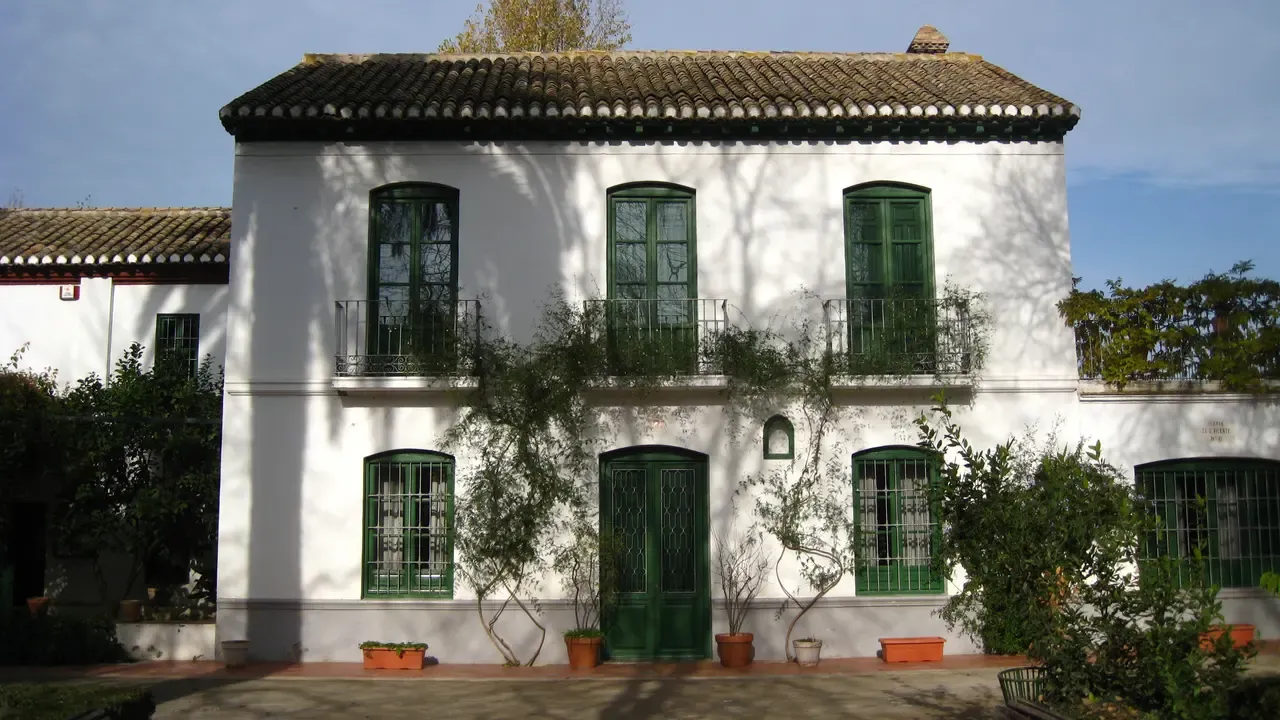
The Centre's permanent collection includes original manuscripts in Lorca's hand, first editions of Romancero Gitano (1928) and Poema del Cante Jondo, personal photographs, and correspondence that traces the arc of a life cut short when Nationalist forces shot him near Víznar on 19 August 1936. The rotating exhibitions bring in scholarship and contemporary artists responding to his work, so the programme shifts across the year. An auditorium hosts readings, performances, and talks linked to the Lorca archive. The research library, which holds the most complete collection of Lorca-related scholarship in the city, is open Monday to Friday by appointment — serious students of his work should contact the Centre in advance. The Huerta de San Vicente, the García Lorca family's summer farmhouse where he wrote Bodas de sangre and Yerma, is a separate institution on the western edge of the city; the two places serve different purposes, and visiting both rewards anyone genuinely interested in the poet.
What Lorca called duende — that raw, death-aware emotional force he located in the best flamenco and the best poetry — runs through the Centre's curation. This is not a heritage shrine with velvet ropes and background music. The space takes his ideas seriously: the 1922 competition he organised in Granada pulled flamenco tradition back toward its Gypsy roots, and the Centre draws a direct line from that act to contemporary culture. Sacromonte, whose cave houses sheltered the Gypsy musicians Lorca documented, sits barely a kilometre north-east; the layers of Granada's history that shaped his imagination are still physically present around the Centre's walls.
Admission is free. The Centre is closed on Mondays. Tuesday to Saturday, two sessions run daily — morning (11:00 to 14:00) and afternoon (18:00 to 21:00 in summer, 17:00 to 20:00 in winter). Sunday and public holidays, only the morning session operates. Allow an hour for a thorough visit to the permanent collection; exhibitions and events may extend that.