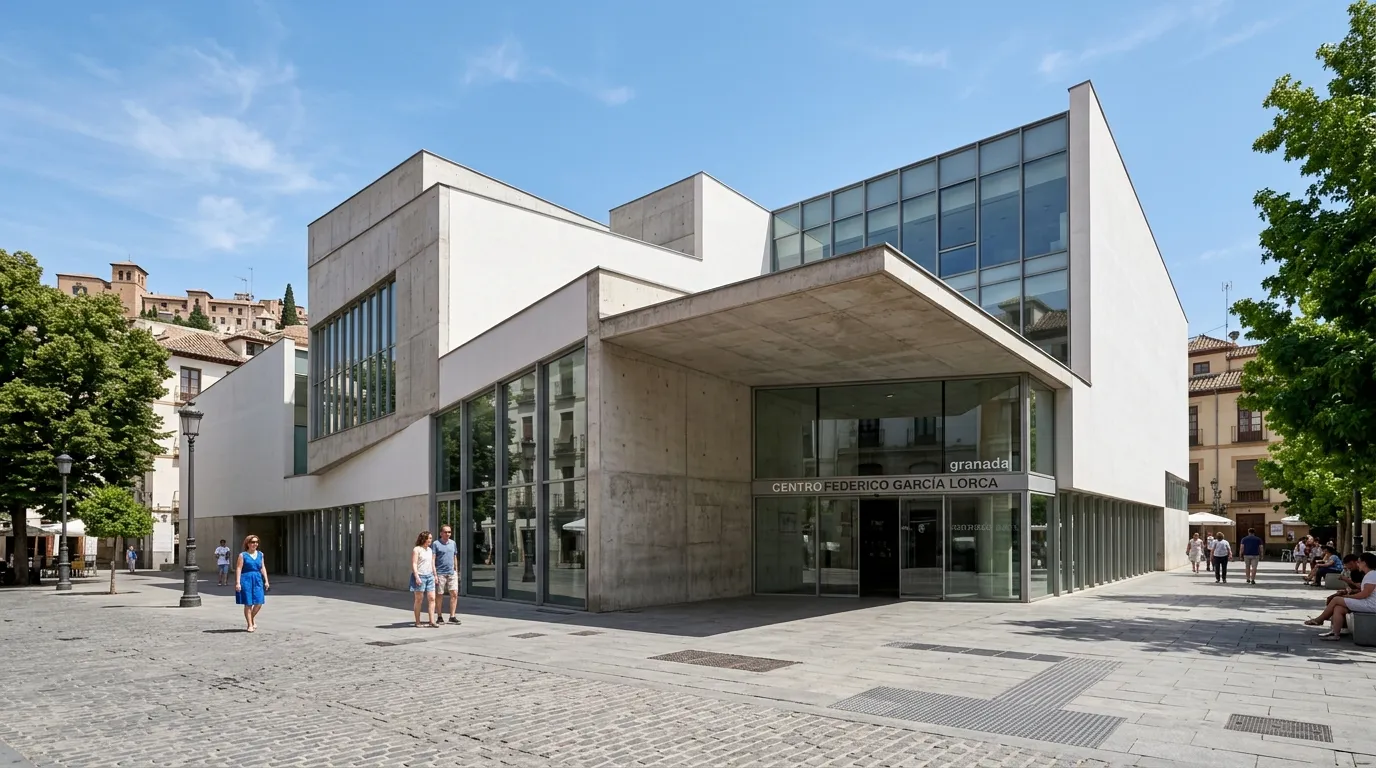
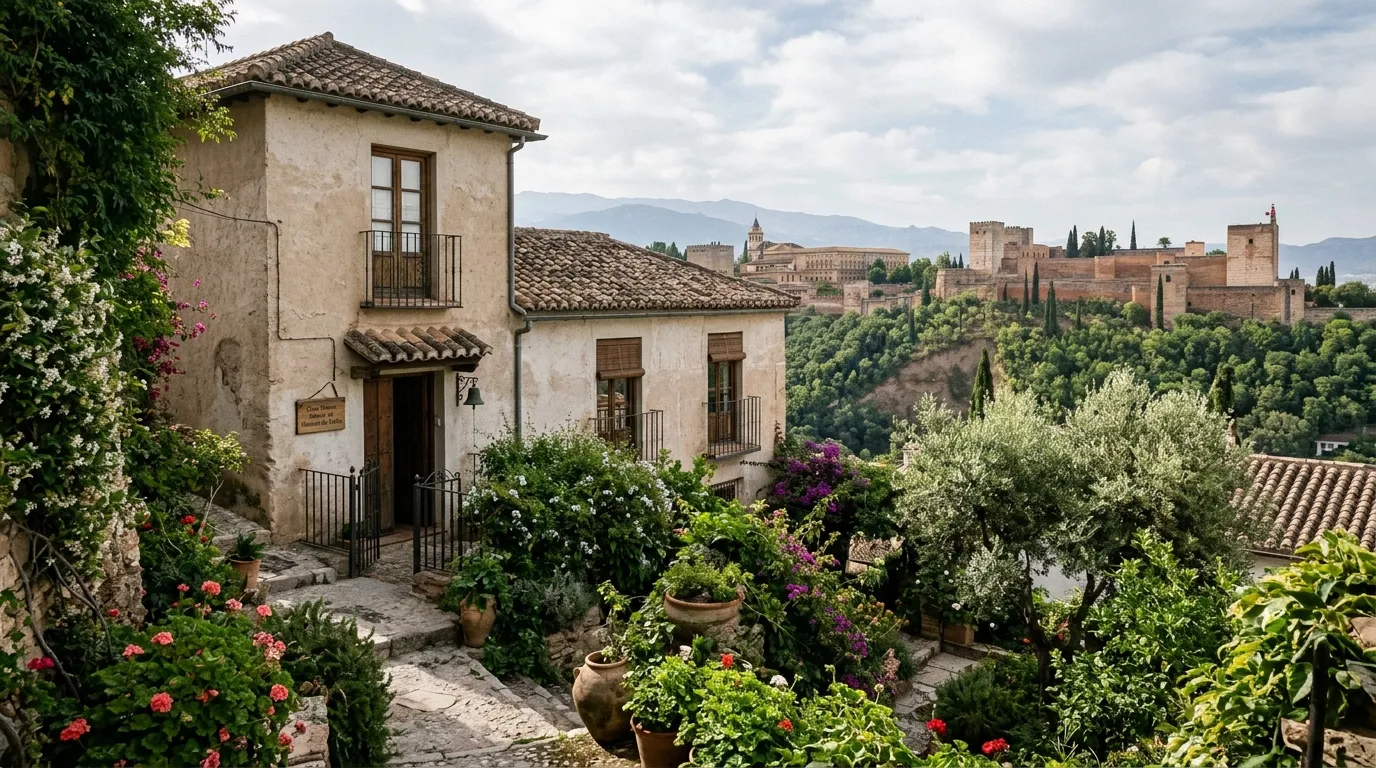
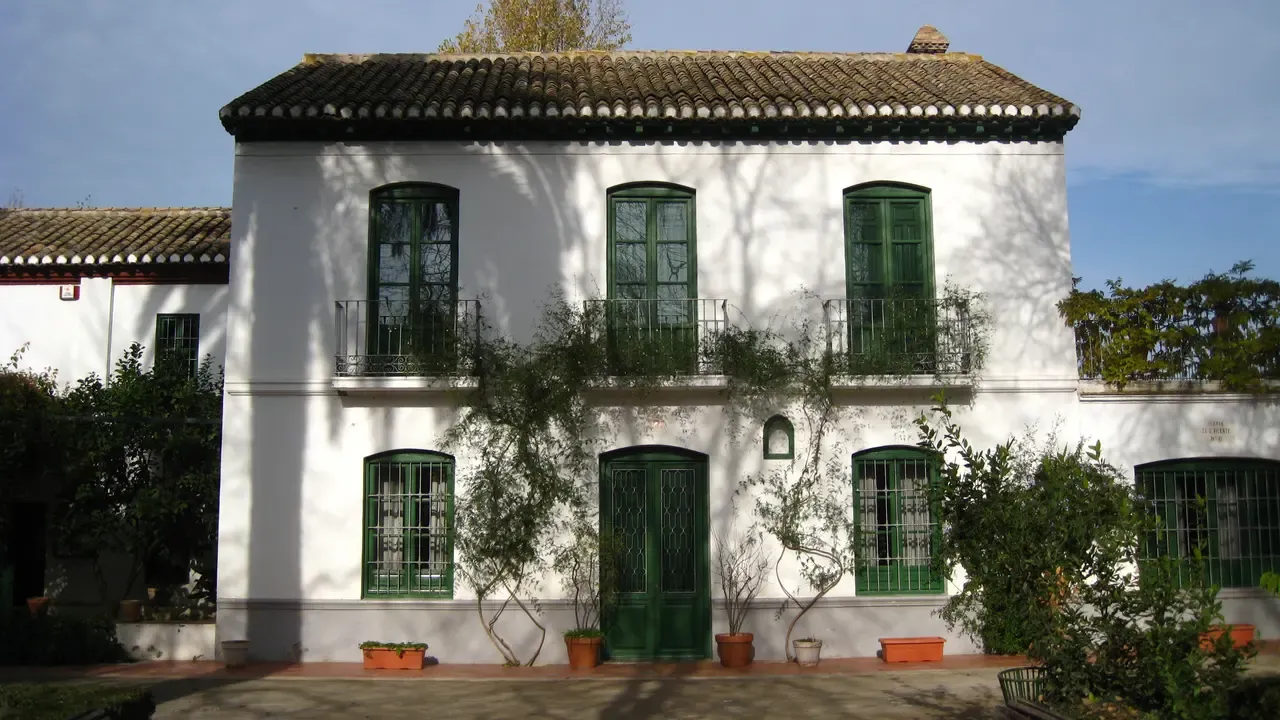
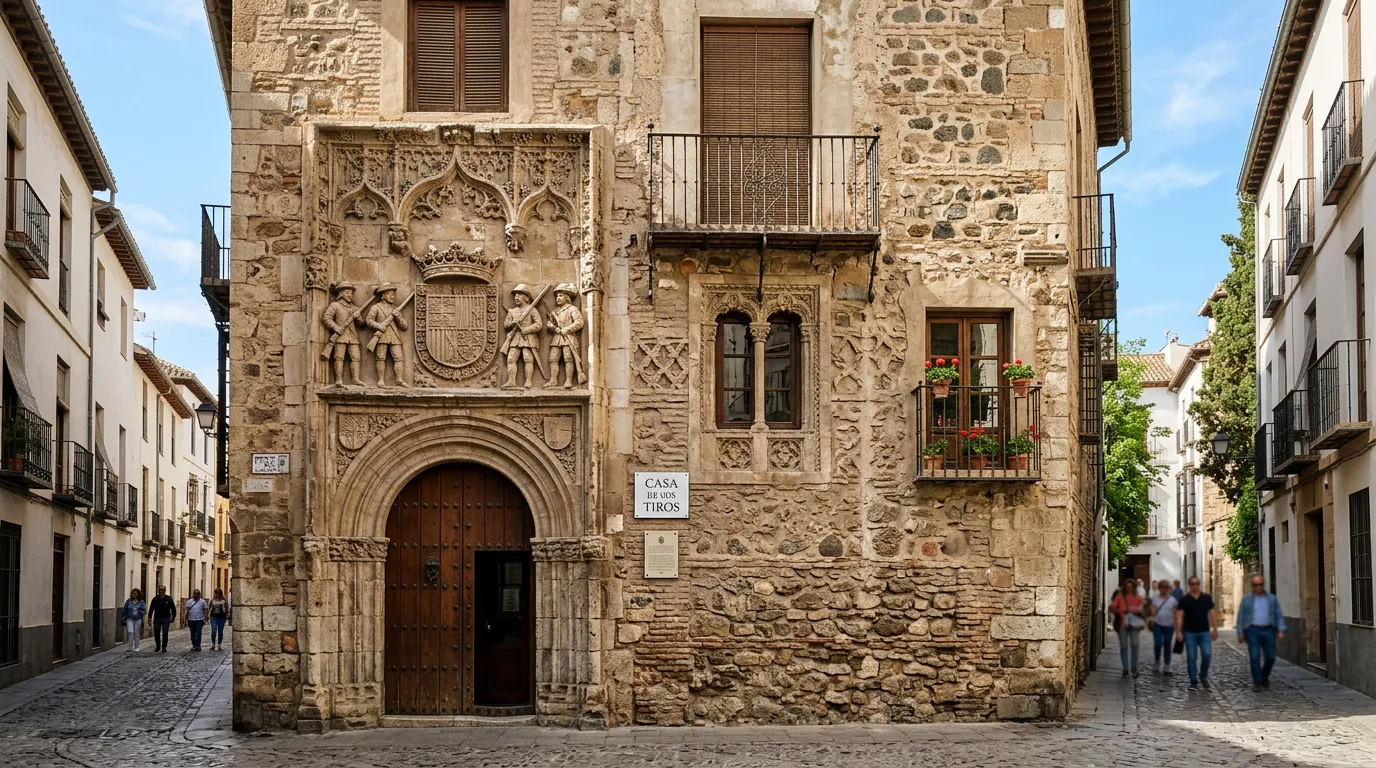
Granada has two categories of museum. The first is what you'd expect in any Andalusian city: archaeology, fine art, religious treasures. The second is something the city holds disproportionately well: houses. Lorca's summer farmhouse, Falla's composer's carmen, the family estates that shaped two of the 20th century's most significant Iberian artists. These house museums are the places you're less likely to stumble into by accident, and more likely to remember afterward.
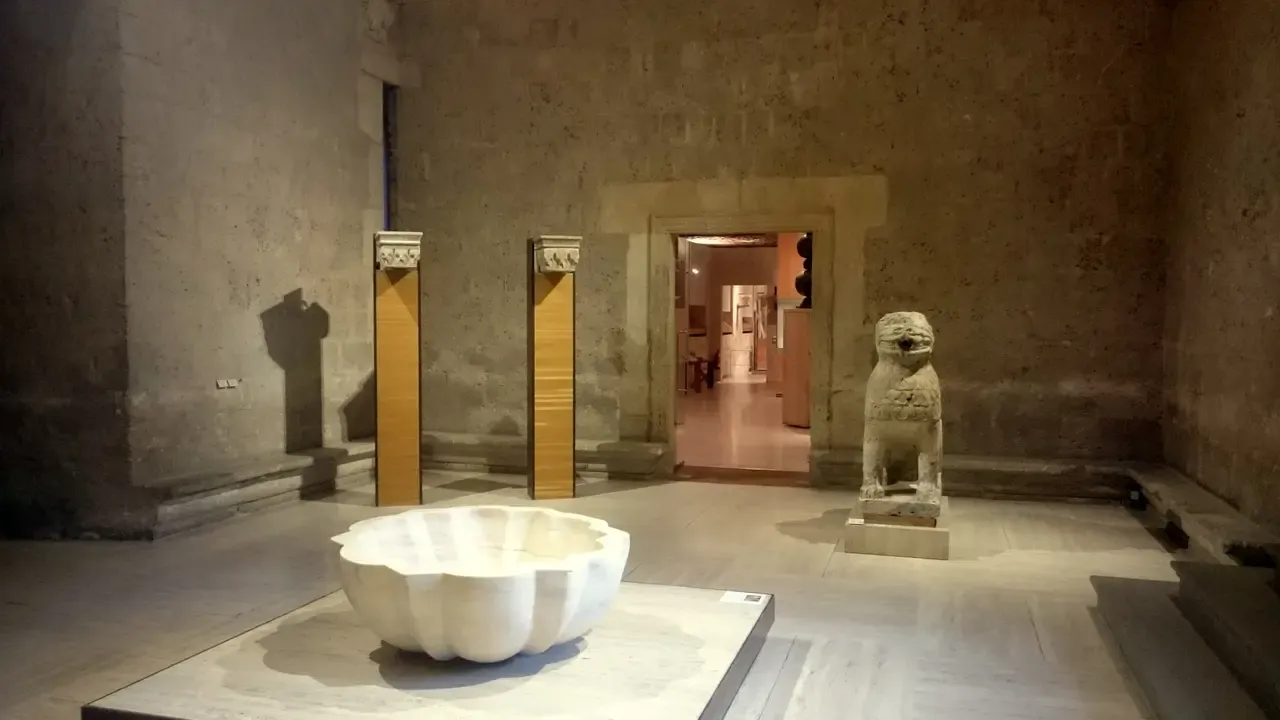
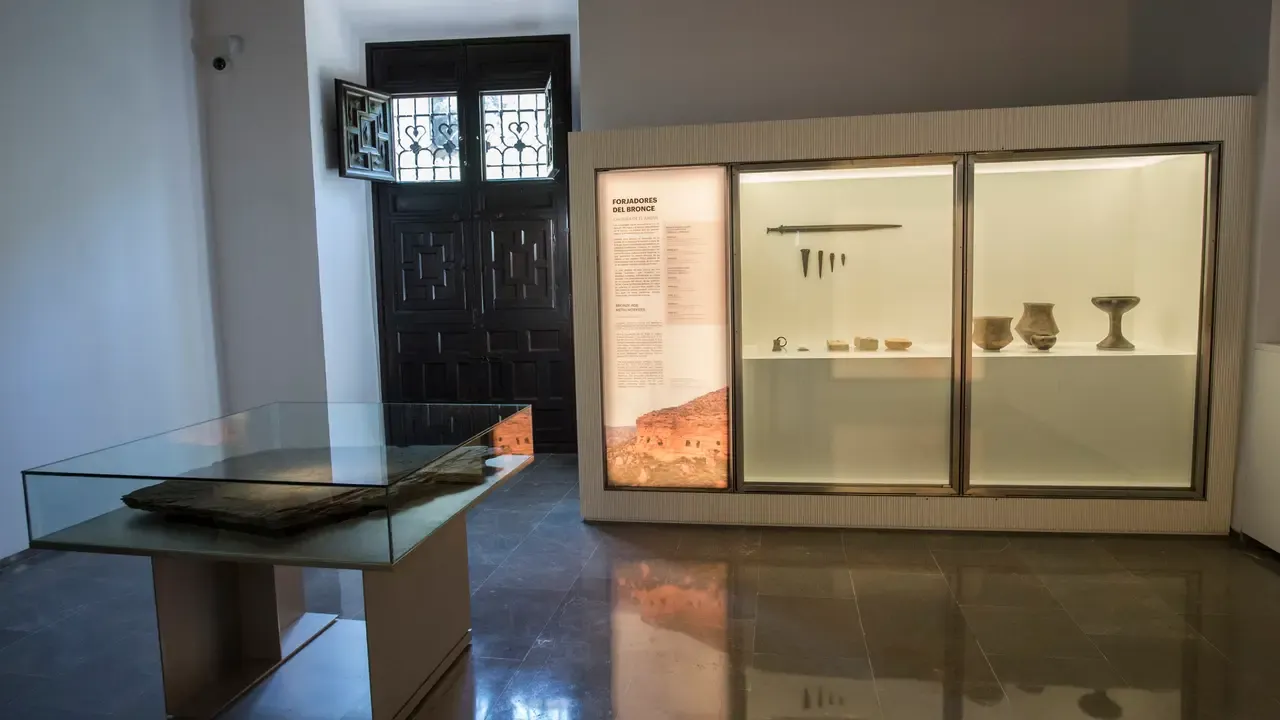
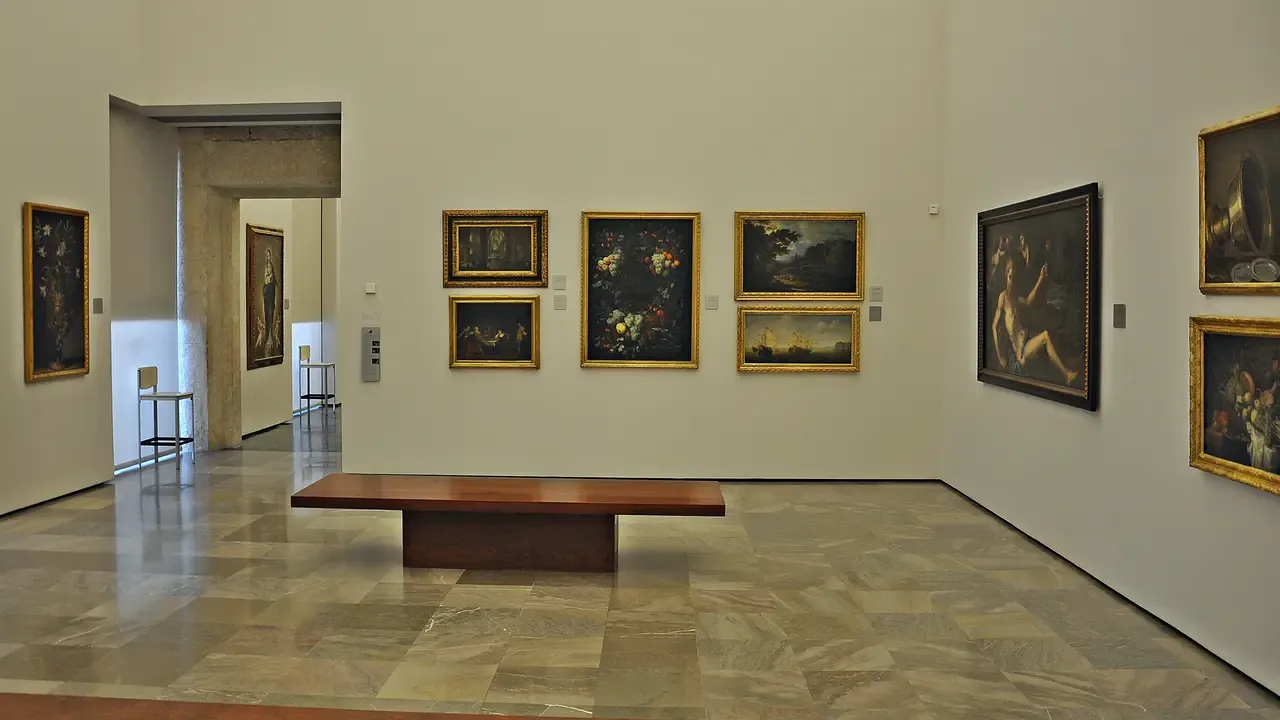
The Alhambra dominates every tourist itinerary, but the hill holds two free museums most visitors walk past. One is dedicated to Nasrid Islamic art, the other to Granada School painting and sculpture. Both are in the same building, both almost empty when the Nasrid Palaces are at capacity. A short walk down the Darro, the Museo Arqueologico covers five thousand years inside a 16th-century Plateresque palace. Together these three give you a compressed version of everything Granada was before the tourist economy arrived.
The science museum is in a different register: genuinely excellent, built for all ages, and worth the 20-minute walk from the city centre if you have children or are travelling with people who don't share your appetite for Nasrid ceramics. It is the best science museum in Andalusia by some distance.