Guide

Best Things to Do in Granada

From Alhambra's Nasrid palaces to Sacromonte cave flamenco: ten activities that make Granada unforgettable, chosen and ranked by a seven-year resident.

Granada's problem is not a shortage of things to do. It's that the city has so many excellent options, stacked in a small area, that most visitors end up at the Alhambra for the morning and then drift through the Albaicín without a clear plan for the afternoon. That approach wastes three-quarters of what the city has to offer.

This list ranks the ten best activities in Granada by the quality of the experience: how much they reward your time, what they give you that you cannot get anywhere else, and how well they fit into a realistic itinerary. The Alhambra is first because it genuinely is the finest surviving medieval palace complex in Europe. But the cave flamenco performances in Sacromonte, the Hammam baths, the Generalife water gardens, and the tapas crawl through the old city each make a serious case for second place.

Practical note on the Alhambra: book tickets at least 3 weeks in advance for spring and summer visits. The daily limit is strict and the allocation sells fast. There is no same-day queue. If you arrive without a ticket, you are not getting in. Everything else on this list can be arranged within a day or two of your visit, except the hot-air balloon, which depends on weather.

Ranked list

How we chose

The places on this list were selected against the following editorial criteria.

  • Authenticity — preference for experiences embedded in Granada's living culture rather than staged for tourism
  • Uniqueness — activities that cannot be replicated in any other Andalusian city
  • Reward — the ratio of time invested to quality of experience
  • Practicality — realistic logistics, accurate pricing, honest advance planning requirements
  • Range — coverage across heritage, nature, gastronomy, and cultural performance

Reporter notebook

Insider tips

Practical observations gathered the way a local journalist would keep them: short, specific, and more useful than brochure copy.

Booking tip

Book Alhambra Tickets Before You Book Your Flights

The Alhambra's daily capacity is capped at around 6,600 visitors and the allocation for the Nasrid Palaces fills weeks ahead in spring and summer. The official booking site (alhambra-patronato.es) releases tickets at midnight Granada time, 90 days in advance. Book your preferred date immediately when the window opens. If you arrive without a ticket, there is no queue, no same-day release, and no workaround.

Best time

The Albaicín at Dusk, Not Midday

The Albaicín walking tour is far better in the late afternoon than the morning. By 17:00, the day-tour groups have largely left. The light on the Alhambra from Mirador San Nicolás peaks 30–45 minutes before sunset. After 18:00 the neighbourhood itself changes character: residents return, the small squares come alive, and the lanes feel inhabited rather than photographed.

Top picks

Alhambra Guided Tour

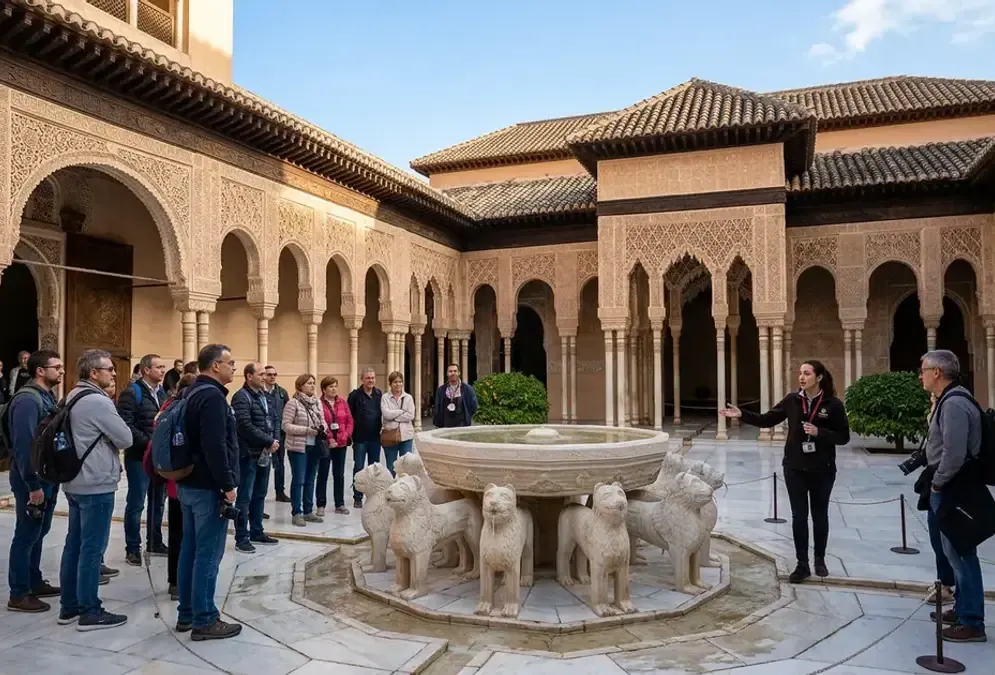
The Alhambra guided tour is the reason most people come to Granada, and it is worth every bit of the reputation. The Nasrid Palaces, built between 1238 and 1358 by successive sultans of the Nasrid dynasty, are the most refined expression of Moorish architecture anywhere in the world: a sequence of interlocking courtyards where every surface is carved stucco, azulejo tile, or cedarwood. A guide makes the difference between reading text panels and understanding what you're looking at. The Comares Palace throne room, the Court of the Lions with its 124 marble columns, the mirador overlooking the Albaicín: with context, these spaces become charged with specificity.

Albaicín Walking Tour

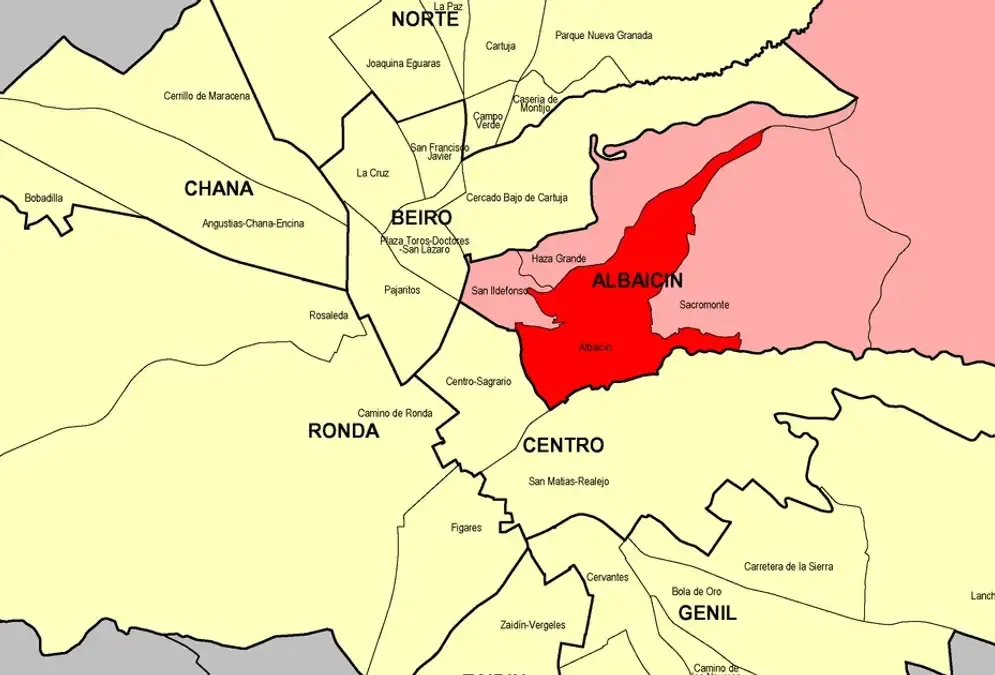
The Albaicín walking tour covers Granada's oldest inhabited quarter: a UNESCO World Heritage neighbourhood of whitewashed carmenes (walled Moorish houses with private gardens), narrow cobbled lanes, and sudden viewpoints over the Alhambra. A guide routes you through the quarter's Roman foundations, Visigothic church sites, and Nasrid-era cisterns rather than the obvious tourist loop. The payoff is Mirador San Nicolás at the end: the best view of the Alhambra in the world, framed by the Sierra Nevada, best seen when the afternoon light turns the palace walls amber.

Flamenco Show in Sacromonte Caves

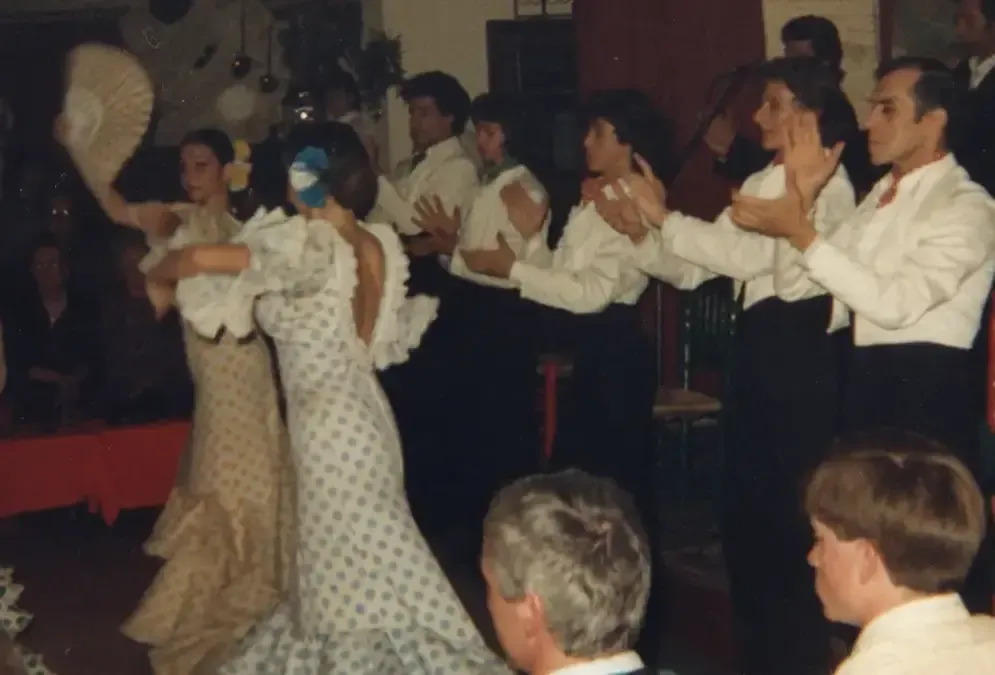
Flamenco in Granada is not the theatrical show of Seville or the concert-format performances of Madrid. In Sacromonte, it is cave flamenco, performed in whitewashed zambras carved into the hillside where Gitano families have lived and played for centuries. The acoustics are intimate. The performers know each other. When a cantaor (singer) launches into a deep-throated soleá with a guitarist who has been playing beside him for twenty years, you are watching a living tradition rather than a reconstruction of one. Arrive for the late show (22:00) when the energy in the caves runs higher.

10 places
  1. Alhambra Guided Tour

    Alhambra Guided Tour

    The Alhambra guided tour is the reason most people come to Granada, and it is worth every bit of the reputation. The Nasrid Palaces, built between 1238 and 1358 by successive sultans of the Nasrid dynasty, are the most refined expression of Moorish architecture anywhere in the world: a sequence of interlocking courtyards where every surface is carved stucco, azulejo tile, or cedarwood. A guide makes the difference between reading text panels and understanding what you're looking at. The Comares Palace throne room, the Court of the Lions with its 124 marble columns, the mirador overlooking the Albaicín: with context, these spaces become charged with specificity.

    Guided Tour
  2. Albaicín Walking Tour

    Albaicín Walking Tour

    The Albaicín walking tour covers Granada's oldest inhabited quarter: a UNESCO World Heritage neighbourhood of whitewashed carmenes (walled Moorish houses with private gardens), narrow cobbled lanes, and sudden viewpoints over the Alhambra. A guide routes you through the quarter's Roman foundations, Visigothic church sites, and Nasrid-era cisterns rather than the obvious tourist loop. The payoff is Mirador San Nicolás at the end: the best view of the Alhambra in the world, framed by the Sierra Nevada, best seen when the afternoon light turns the palace walls amber.

    Guided Tour
  3. Flamenco Show in Sacromonte Caves

    Flamenco Show in Sacromonte Caves

    Flamenco in Granada is not the theatrical show of Seville or the concert-format performances of Madrid. In Sacromonte, it is cave flamenco, performed in whitewashed zambras carved into the hillside where Gitano families have lived and played for centuries. The acoustics are intimate. The performers know each other. When a cantaor (singer) launches into a deep-throated soleá with a guitarist who has been playing beside him for twenty years, you are watching a living tradition rather than a reconstruction of one. Arrive for the late show (22:00) when the energy in the caves runs higher.

    Show
  4. Hammam Al Ándalus Granada

    Hammam Al Ándalus Granada

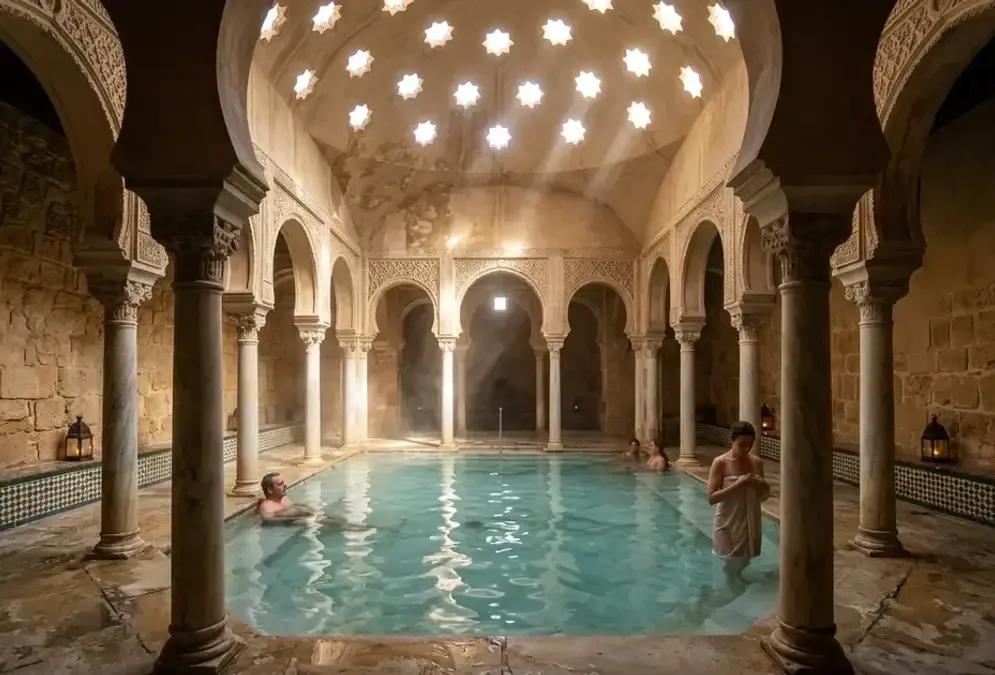
    The Hammam Al Ándalus occupies a 16th-century building near the Albaicín and recreates the Arab bath sequence that Granada's residents used for a thousand years: warm pool, hot pool, cold plunge, steam room, massage. The architecture is genuine: horseshoe arches, star-vaulted ceilings with perforated skylights, tiled floors. This is not a spa in the modern sense. It is a slow, deliberate two-hour circuit that the city's residents used as a social institution. The scent of eucalyptus in the steam room and the silence of the cold pool together produce something you won't find at any other stop on your itinerary.

    Wellness
  5. Hot Air Balloon Flight Over Granada

    Hot Air Balloon Flight Over Granada

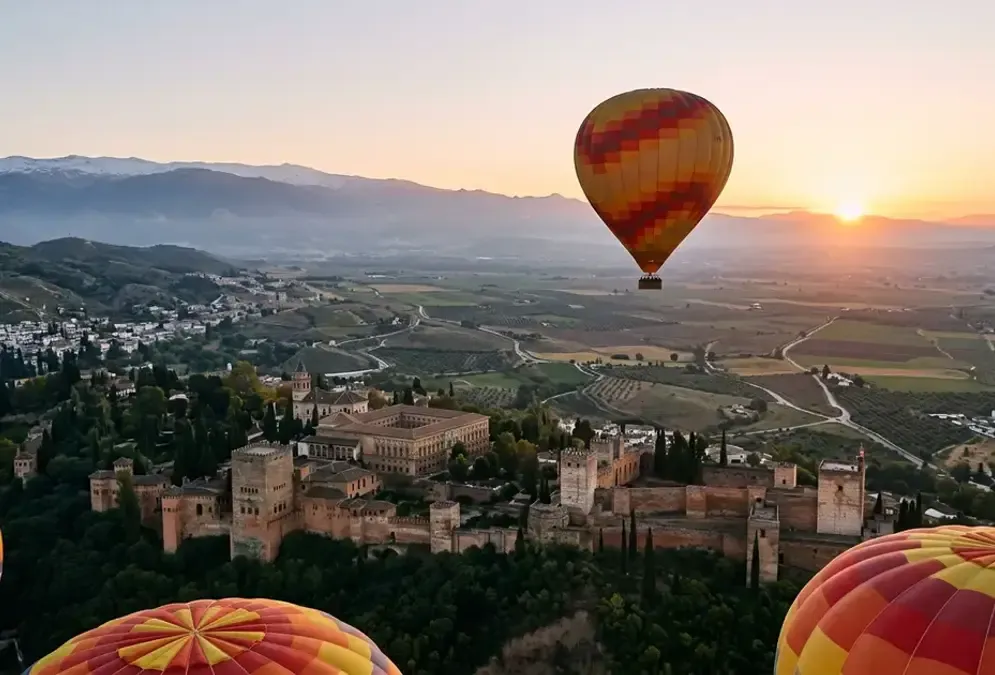
    Granada from a hot-air balloon is the aerial version of what Mirador San Nicolás gives you at ground level, but the scale changes everything. At 600–1,000 metres, you see the Alhambra as a ridge fortress embedded in a wooded hill, the Albaicín as a dense white grid falling toward the river, and the Sierra Nevada as an immediate wall of snow behind the city. Flights launch at sunrise, run 60–90 minutes, and land in the Vega plain west of the city. Weather cancellations are common in winter and spring; the operator will rebook at no charge, but build in a buffer day if this is a priority.

    Tour
  6. Sierra Nevada Day Trip from Granada

    Sierra Nevada Day Trip from Granada

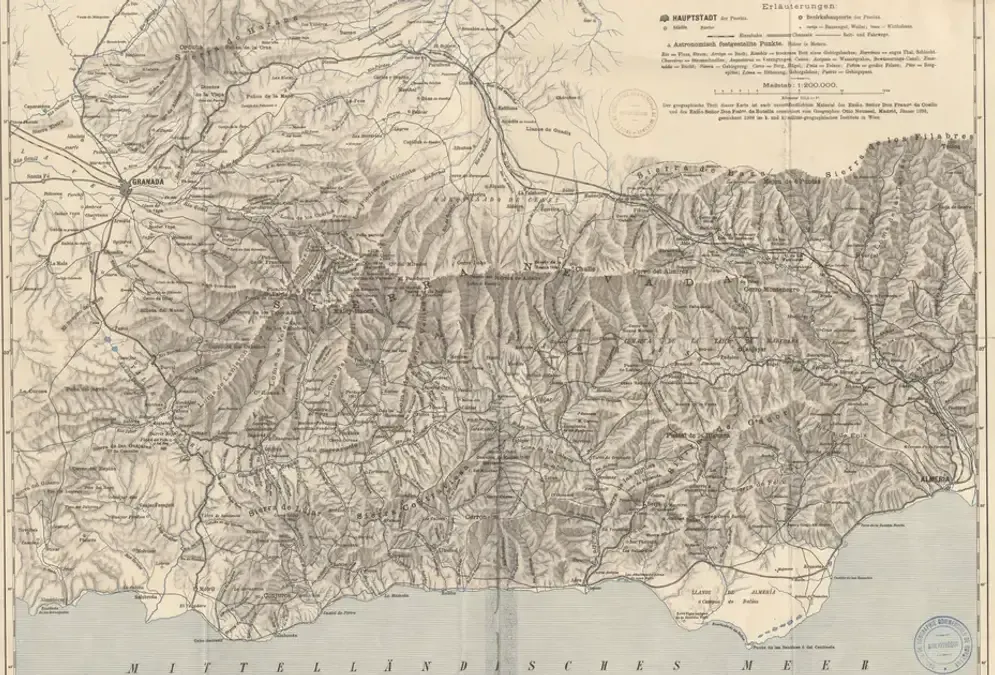
    The Sierra Nevada day trip puts you on Spain's highest road (Pico Veleta access road, 3,395m) in 90 minutes from the city centre. In winter, the ski resort at Pradollano has 110km of piste at 2,100–3,300m. It is Europe's southernmost ski station, with the Mediterranean visible on clear days. In summer, the high-altitude trails above the snowline offer walking routes through the borreguiles (mountain meadows) alongside streams fed by snowmelt. The transition from Granada's heat to sub-zero wind in a single bus ride is one of the most disorienting and satisfying experiences the province offers.

    Tour
  7. Generalife Gardens Tour

    Generalife Gardens Tour

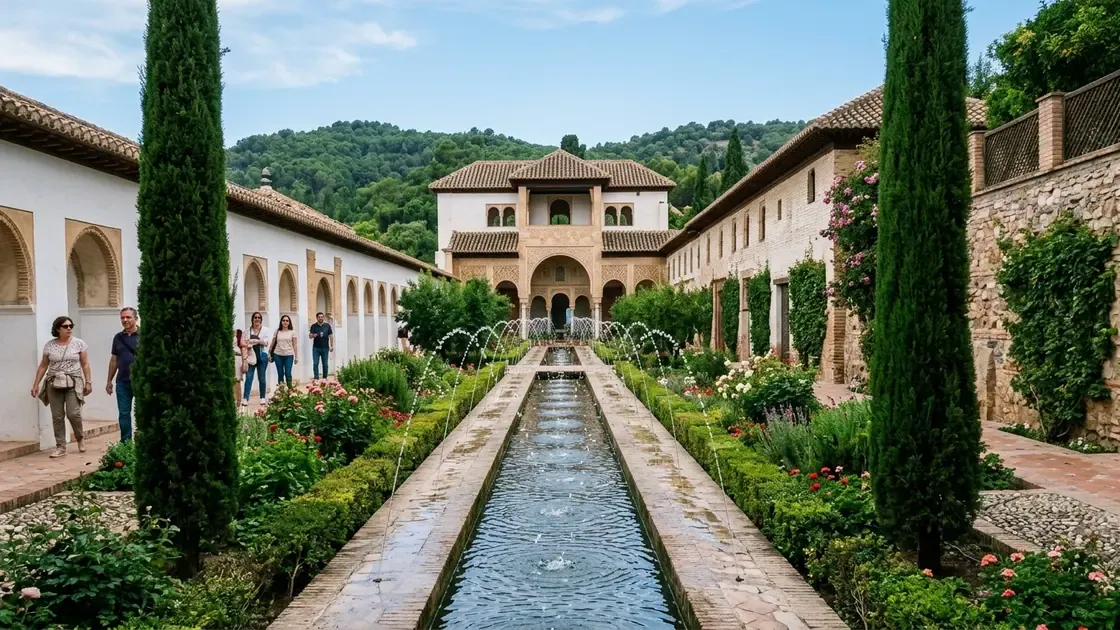
    The Generalife gardens are included in every Alhambra ticket, but most visitors walk through in 20 minutes without understanding what they're seeing. A guided tour of the Nasrid water gardens reveals the engineering behind the 14th-century irrigation system: water channelled from the Acequia Real (the Royal Ditch, running 7km from the Río Darro) that still feeds the central canal of the Patio de la Acequia today. In spring, the rose pergolas and cypress avenues are at their best. The sound of running water through the garden's channels is the same sound that the Nasrid sultans heard from the same stone.

    Guided Tour
  8. Sacromonte Cave Museum

    Sacromonte Cave Museum

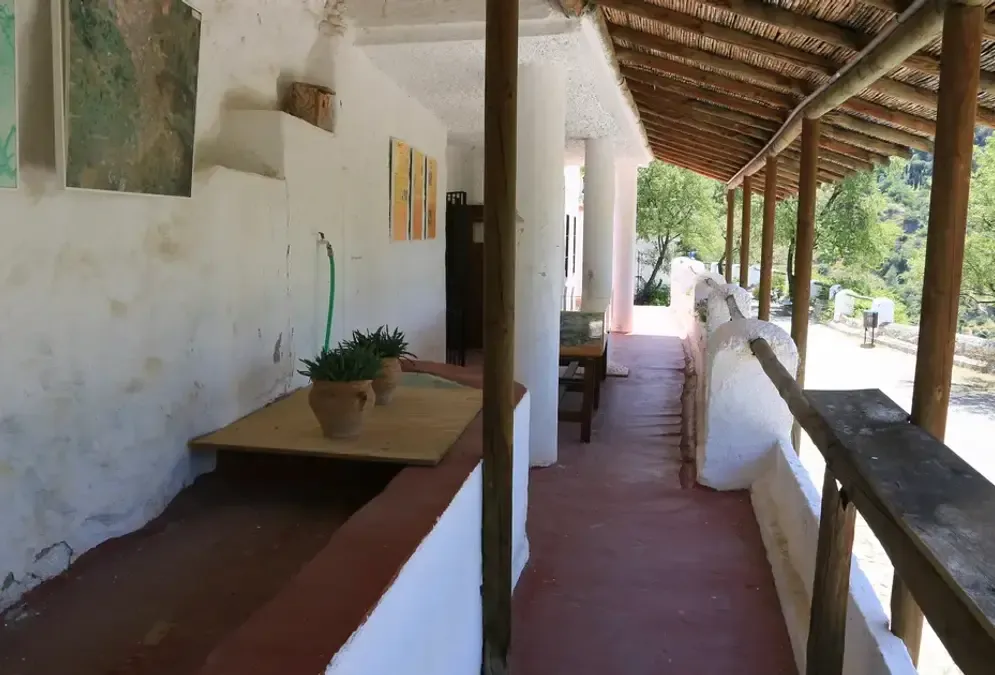
    The Sacromonte Cave Museum (Museo Cuevas del Sacromonte) is Granada's best free cultural stop: a series of restored cave dwellings on the hillside above the Río Darro that document how Gitano families lived, worked, and made music in these spaces from the 15th century onward. The caves are fitted with original furniture, tools, textiles, and instruments. The museum also explains how the flamenco tradition developed in this specific geography. Not as performance art, but as community expression in spaces where neighbours lived three metres apart through a shared wall of chalk.

    Experience
  9. Granada Tapas Tour

    Granada Tapas Tour

    Granada is one of the last cities in Spain where tapas are free with every drink. Order a glass of wine or beer (€2.50–3.50) and a plate arrives with it, chosen by the kitchen. A proper tapas crawl through three or four bars, following the locals rather than the tourist-facing addresses on the main drag, costs €15–20 per person and covers more culinary ground than a restaurant dinner. The guided tapas tour routes you through the Realejo and Centro neighbourhoods to bars where the free tapa changes daily and the kitchen actually cares what goes on the plate: rabbit croquettes, slow-cooked pork cheek, seasonal tortilla.

    Food & Drink
  10. Sunset Albaicín Walk for Couples

    Sunset Albaicín Walk for Couples

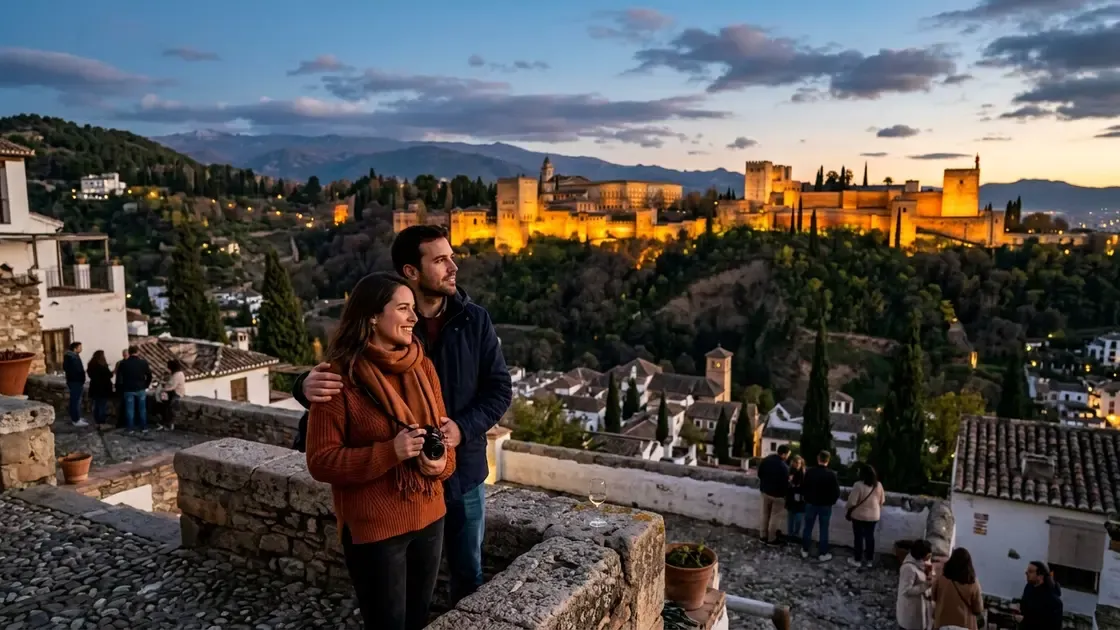
    The sunset walk to Mirador San Nicolás is Granada's most romantic itinerary: a 45-minute route from the Gran Vía through the Albaicín lanes to the mirador, timed to arrive 30 minutes before sunset. At that hour, the Alhambra turns from pale ochre to deep amber to rose as the light drops behind the Sierra Nevada. Street musicians play at the viewpoint. The walk back down through the neighbourhood at dusk, past lit-up carmenes and small neighbourhood bars, is a different city from the daytime version. Bring a layer. The hill loses temperature fast after the sun drops.

    Guided Tour

Most of Granada's best activities cluster within a compact zone: the Alhambra hill, the Albaicín and Sacromonte, and the old city centre below. You can walk between the cave museum, the Hammam, Mirador San Nicolás, and the flamenco caves in a single evening. The tapas crawl routes naturally through the Centro and Realejo neighbourhoods, which sit ten minutes from the Albaicín on foot.

Two things to book before you arrive: the Alhambra (3+ weeks ahead in peak season) and the hot-air balloon (as early as possible, given weather dependency). Everything else (the walking tours, flamenco shows, Hammam, Generalife garden tour) can be booked two or three days out. The tapas tour and the sunset walk need no booking at all. A four-day visit can comfortably cover all ten activities if you sequence them by geography: Alhambra and Generalife on day one, Albaicín and Sacromonte on day two, Hammam and tapas on day three, Sierra Nevada on day four.

Frequently asked questions

What is the single most important thing to do in Granada?

The Alhambra, specifically the Nasrid Palaces, is the answer. Built between 1238 and 1358, it is the best-preserved medieval Islamic palace in the world. Book tickets at least three weeks in advance for spring and summer visits; the daily visitor cap is strict and the allocation sells out. Arriving without a pre-booked ticket means you will not get in.

Is the cave flamenco in Sacromonte authentic?

Yes. The cave flamenco performances in Sacromonte are performed by Gitano families who have lived in the neighbourhood for generations. These are not tourist reconstructions: the zambras (cave venues) where the shows take place have been performance spaces for over a century. The tradition that produced flamenco in Granada developed specifically in this neighbourhood. The late show (22:00) typically has a more committed atmosphere than the early tourist-oriented performances.

Are tapas really free in Granada?

Yes. Granada is one of the few cities in Spain that maintains the free tapa with every drink tradition. Order a beer or wine (typically €2.50–3.50) and the kitchen sends out a small plate with it, usually of their choosing. The quality varies: avoid bars on the main tourist streets and look for the ones in the Realejo and Centro neighbourhoods where the free tapa changes daily.

How much time do you need for the Alhambra?

Budget 3–4 hours minimum for a thorough visit covering the Nasrid Palaces, the Alcazaba fortress, and the Generalife gardens. The Nasrid Palaces are the centrepiece and have a timed-entry slot within your ticket; arrive on time because late arrivals are turned away. If you want to understand what you're looking at rather than just photograph it, book a guided tour. The difference in experience is significant.

What is the best time of year to visit Granada for outdoor activities?

April to June and September to October are the best months. Spring brings the Generalife gardens into bloom and the light is ideal for the Mirador San Nicolás sunset walk. September and October have warm days without the summer heat that makes uphill walks through the Albaicín uncomfortable by noon. Winter works well for the Sierra Nevada ski day trip and gives you the Alhambra almost to yourself. Book the Hammam for cold evenings.