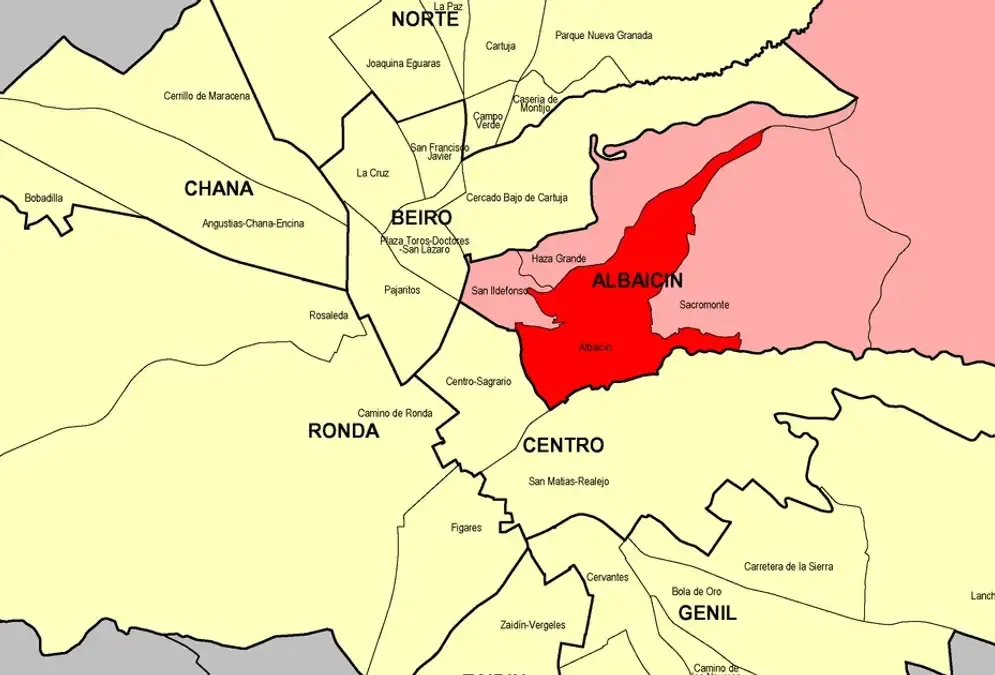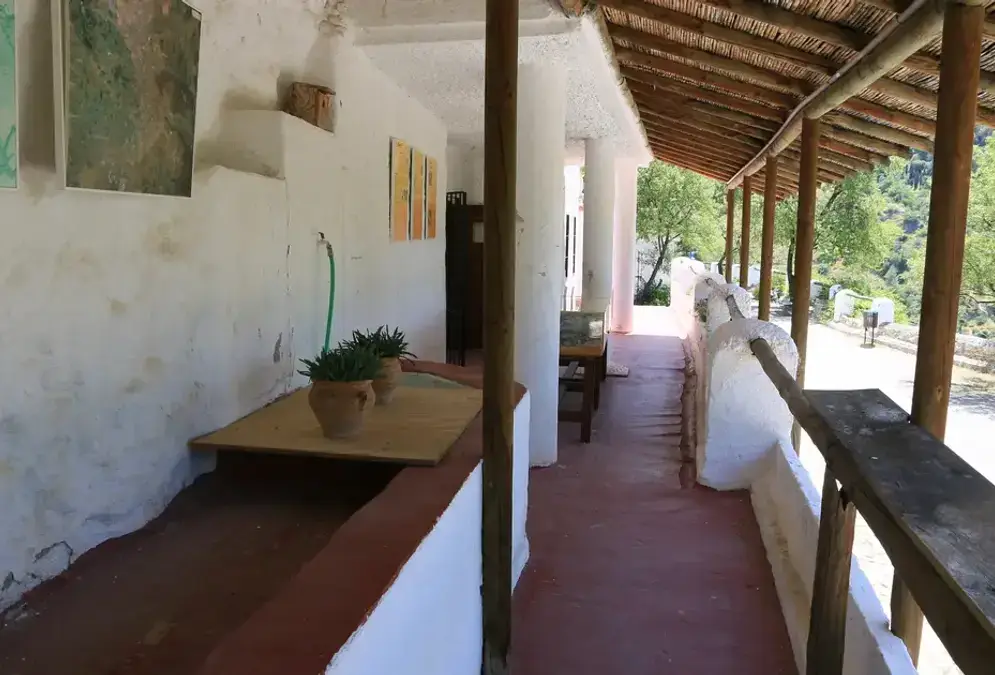
The Museo Cuevas del Sacromonte sits on the Barranco de los Negros, a ravine on the Sacromonte hillside above Granada's old town. It is not a reconstruction. The 11 cave dwellings you walk through were inhabited by Roma and Morisco families from the 15th century until 1963, when the city relocated the last residents and the caves were preserved. The kitchen is not a set dressed to look like a kitchen. Someone cooked in it.
What the caves contain
Eleven themed caves, each restored to their approximate condition from the early 1900s. The arrangement moves through the functions of domestic cave life: a fully furnished living space with low wooden furniture and hanging copper pots, a kitchen with an open hearth and ceramic storage jars, a stable with feeding troughs carved directly into the rock, and workshop caves showing the traditional trades the community practised — basketwork, pottery, blacksmithing, weaving.
The flamenco cave is the one most visitors spend the longest in. The connection between Sacromonte's cave dwellings and the origins of zambra flamenco is direct and documented. Roma families in these caves developed the zambra style — incorporating Moorish Arabic musical elements that survived the 1492 conquest — and performed it in the same spaces where they also lived. The museum explains this without oversimplifying it. Flamenco did not come from one place or one moment; the cave culture is one documented strand.
The audio guide is free via QR codes at each cave entrance, available in Spanish and English. Paper guides in French, Italian, and German are available at the entrance. The QR code guide adds detail that the physical cave cannot communicate — the names of specific families, what their trades produced, where the materials came from.
The terrace and the garden
Beyond the caves, the museum site has a botanical garden and a raised terrace with a view across the valley to the Alhambra. The angle is different from the one at Mirador de San Nicolás in the Albaicín: you're looking at the Alhambra slightly from behind and to the side, with the lower city spread below the fortress and the Sierra Nevada beyond. The terrace café serves cold beer (around €3-4) and soft drinks in shade.
The Sacromonte hillside behind the museum gives way to the Parque García Lorca territory and wild olive and carob scrub. If you want to extend the visit, the path above the museum leads toward the Sacromonte Abbey, a 17th-century Augustinian monastery that is worth 30 minutes.
Getting there
The Bus C34 from the city centre runs directly to the museum entrance. It leaves from the city centre every 20-30 minutes and the journey takes about 20 minutes from Plaza Nueva. The fare is €1.40 per trip. This is the practical choice.
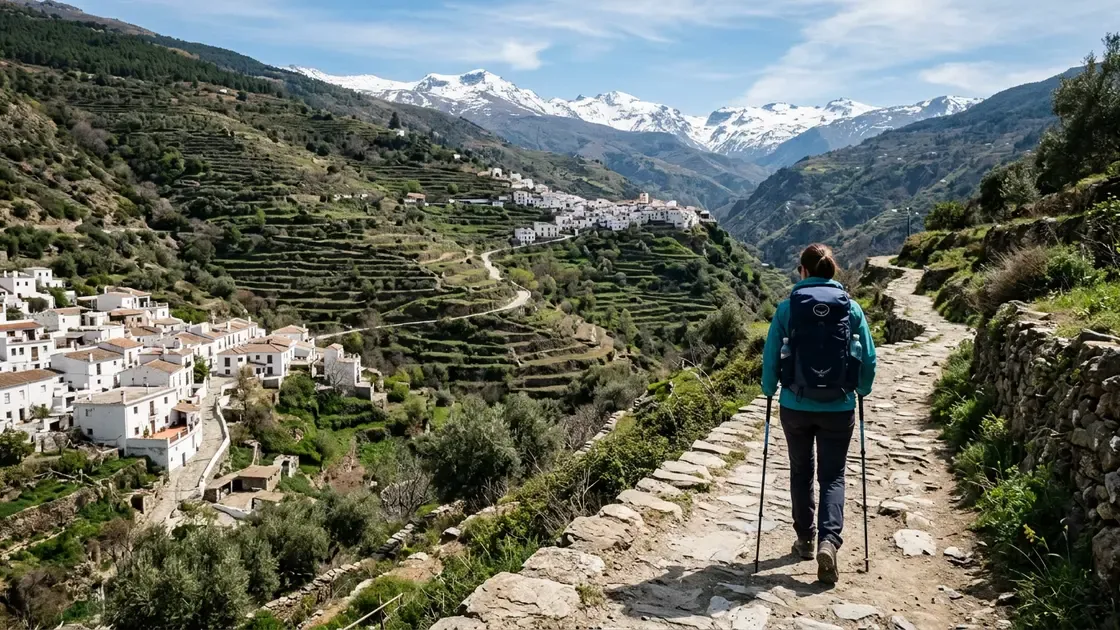
The alternative is to walk from Plaza Nueva along the Carrera del Darro, past El Bañuelo (the 11th-century Arab baths), and up through the Sacromonte neighbourhood. The uphill section is steep and takes 30-40 minutes. It is a worthwhile walk if you have time and good shoes, but not recommended in July and August.
By taxi from the city centre costs €8-12. Limited parking exists near the museum; arriving before 10am or using public transport is more reliable.
Hours, prices, and what to allow
Winter hours (October 26 – March 28): 10:00–18:00 daily. Summer hours (March 29 – October 25): 10:00–20:00 daily. Last entry 20 minutes before closing.
Adult entry: €5. Children under 10: free. The group discount for 10 or more people requires enquiring directly with the museum.
A standard visit takes 1 to 1.5 hours: caves, garden, terrace viewpoint. A leisurely visit with the café and time for the botanical garden runs closer to 2 hours. The quick visit (caves only, 30-45 minutes) is possible for a tight schedule.
What makes this visit distinct from the Alhambra
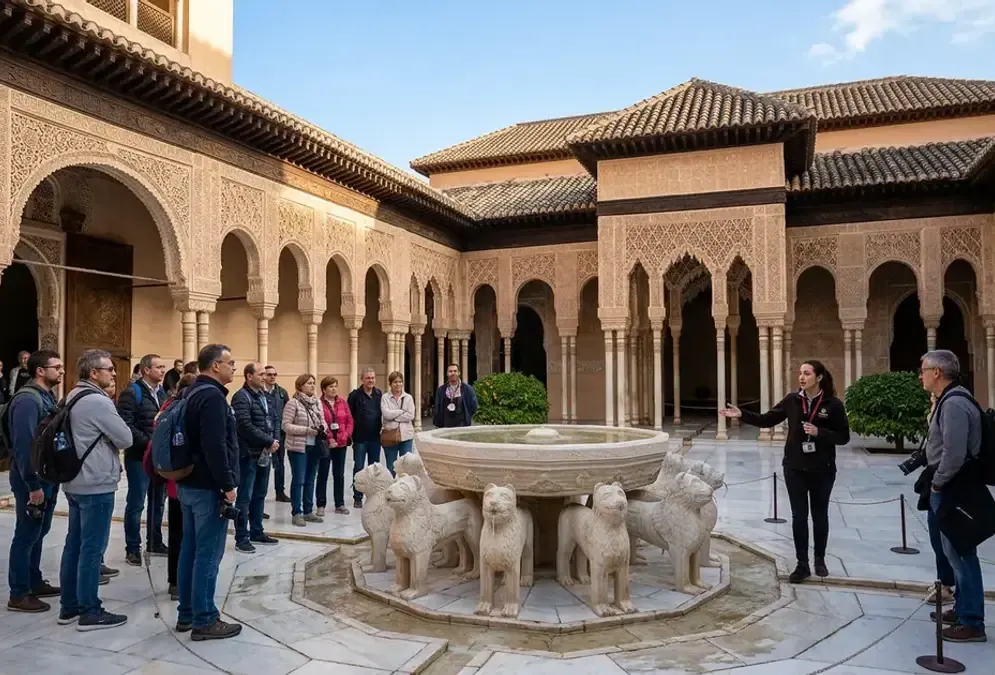
The Alhambra tells the story of Nasrid royal power: courts, water gardens, intricate geometric plasterwork designed for a dynasty. The cave museum tells the story of the people who were on the receiving end of history — Roma and Morisco communities who were expelled, converted, relocated, and eventually forgotten by the official record until ethnographers began documenting the caves in the 1970s.
The two experiences don't compete. They're best understood in sequence: the Alhambra for the top of the social order in medieval Granada, the cave museum for what everyday life looked like for the communities who lived outside those walls.