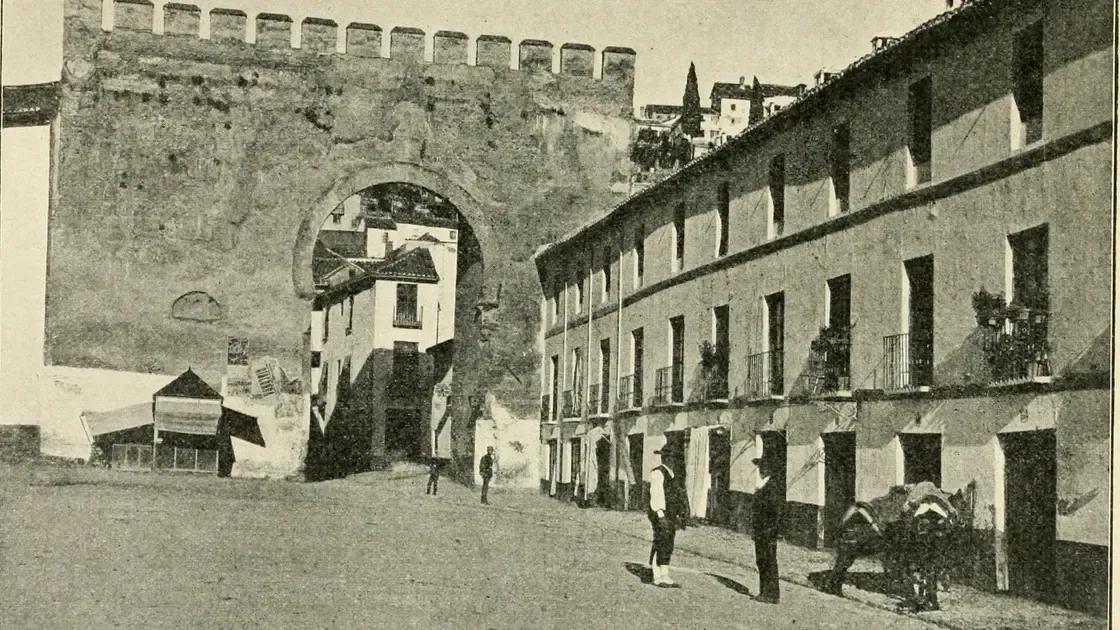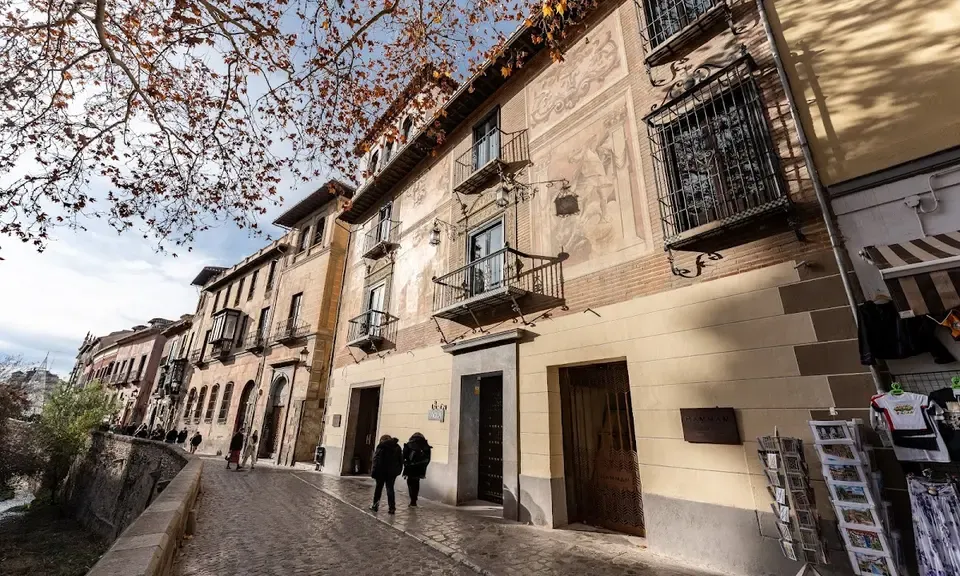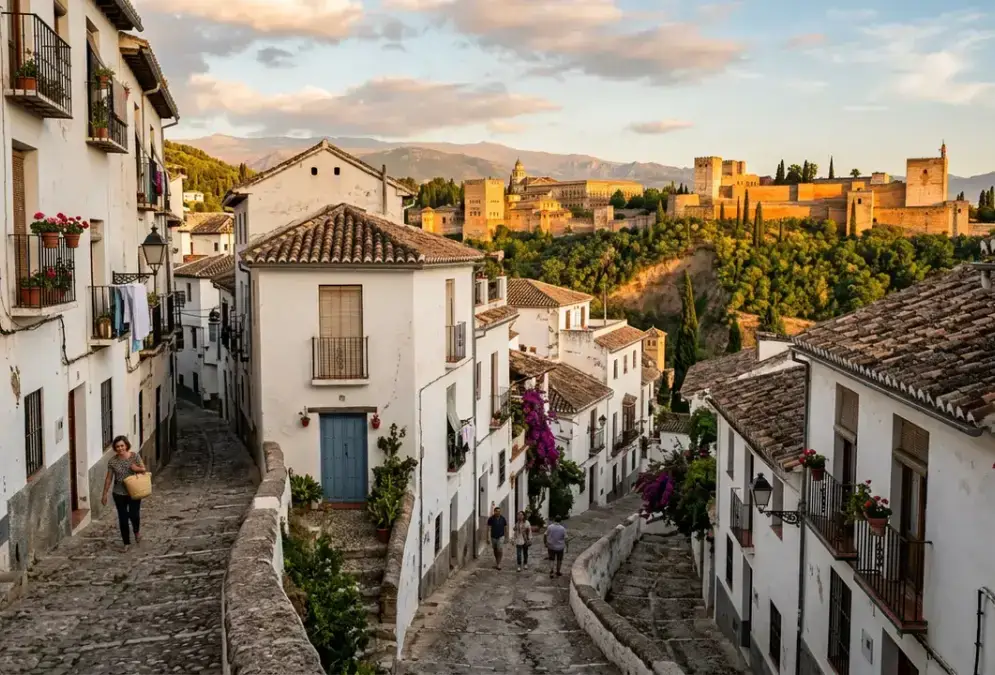
The Albaicín is the oldest continuously inhabited part of Granada, and the shape of its streets has not changed much since the Nasrid period. During the 14th and 15th centuries, this hillside held more than 40,000 people and 30 mosques. The lanes are narrow by design: Islamic urban planning favoured privacy over through-traffic, and the result is a neighbourhood where the geometry of medieval life is still legible underfoot.
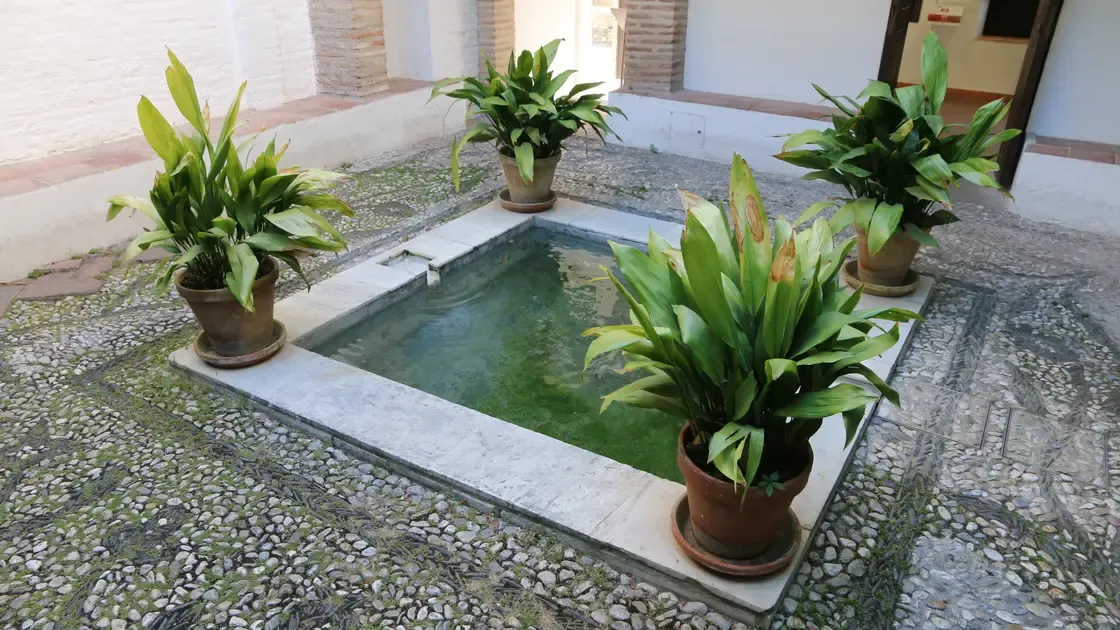
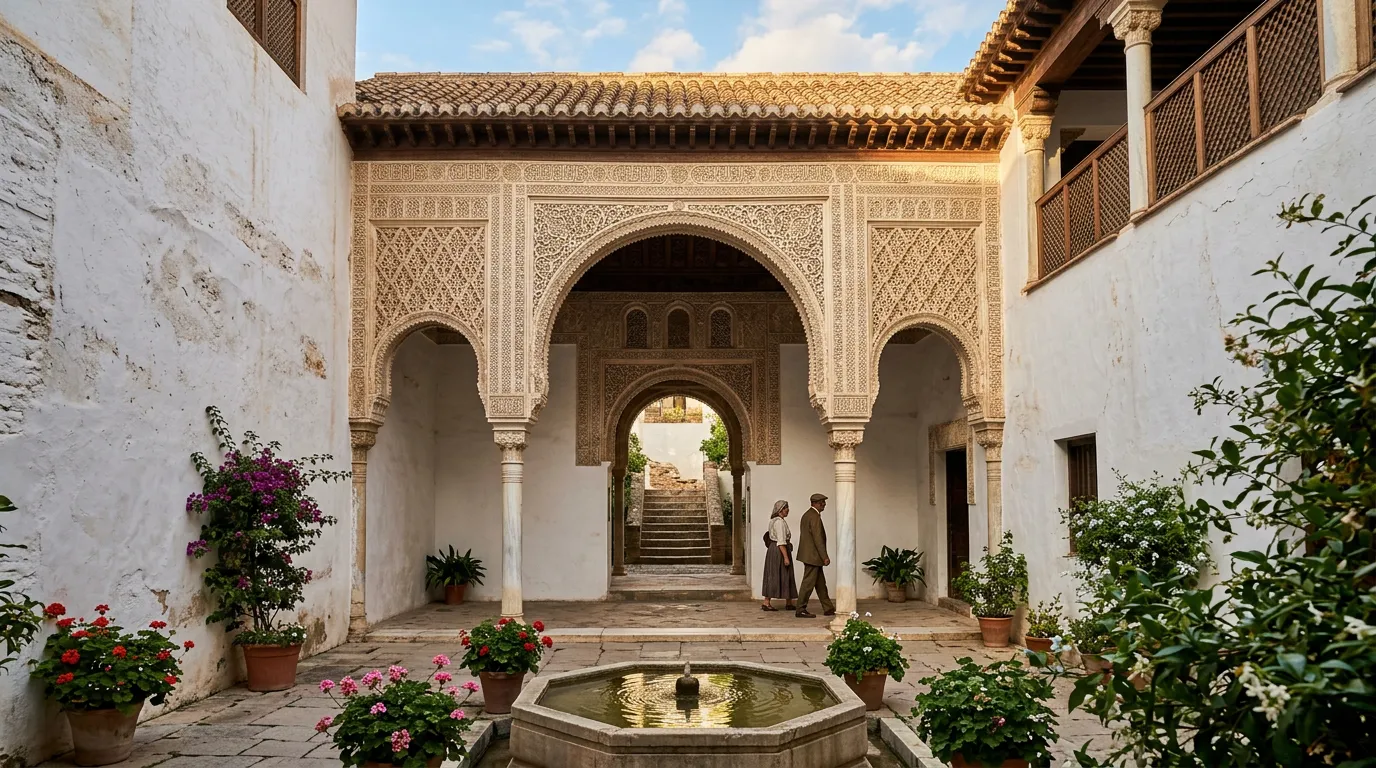
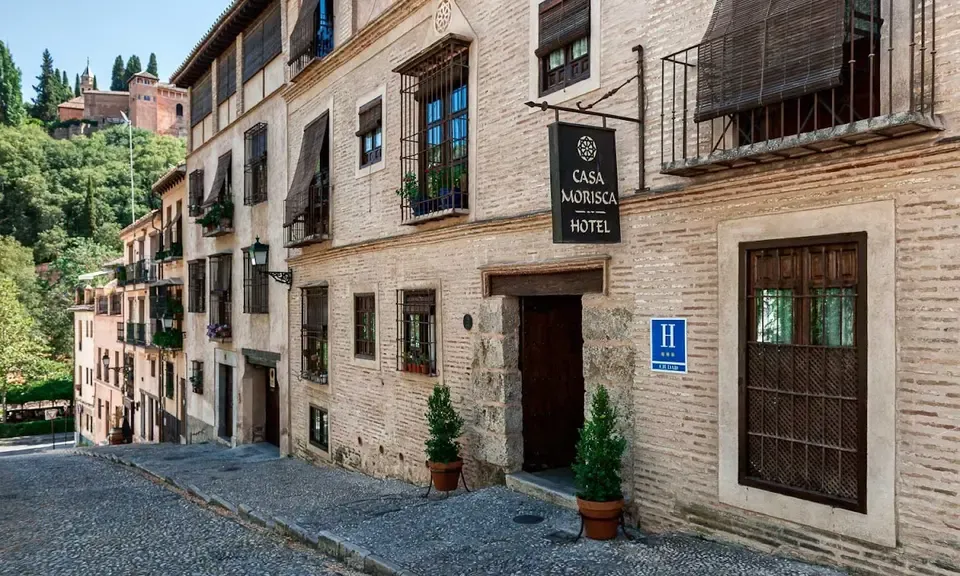
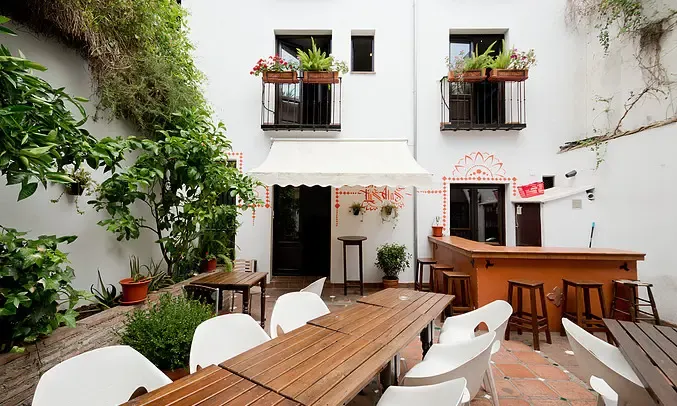
UNESCO listed the Albaicín as World Heritage in 1994, recognising it as the best-preserved example of a Hispano-Muslim city in southern Spain. The designation covers not just individual monuments but the entire urban fabric: the placement of lanes, the relationship between street and sky, the whitewashed walls broken by heavy wooden doors that open onto cármenes — the private gardens unique to Granada's hillside neighbourhoods. El Bañuelo on Carrera del Darro is the most intact 11th-century Islamic bathhouse in Spain; its star-pierced roof vaults filter light exactly as they did a thousand years ago.
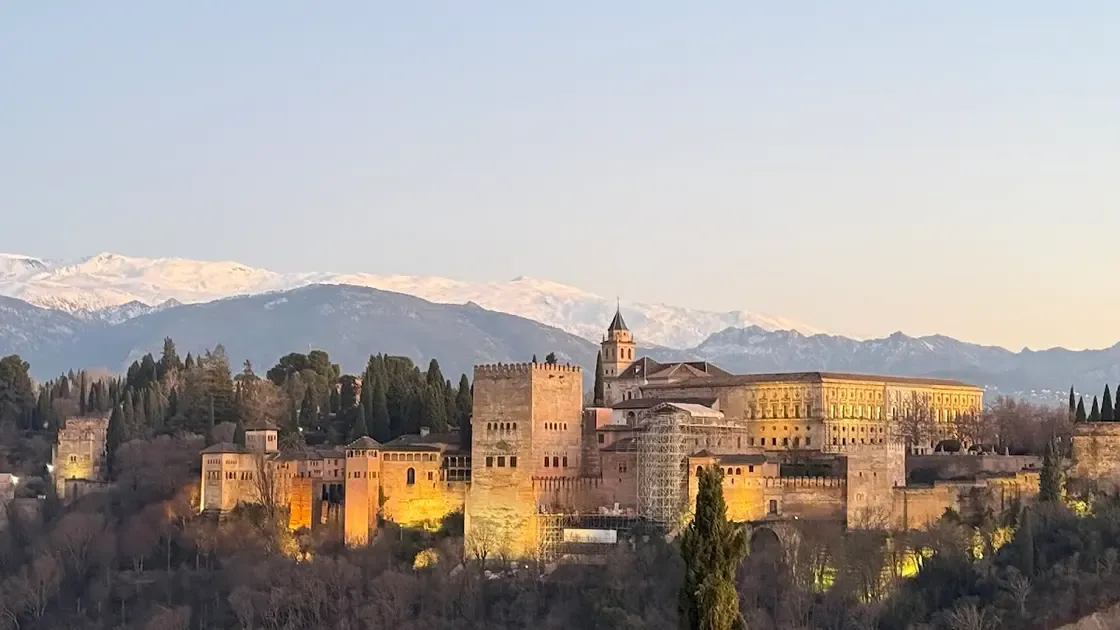
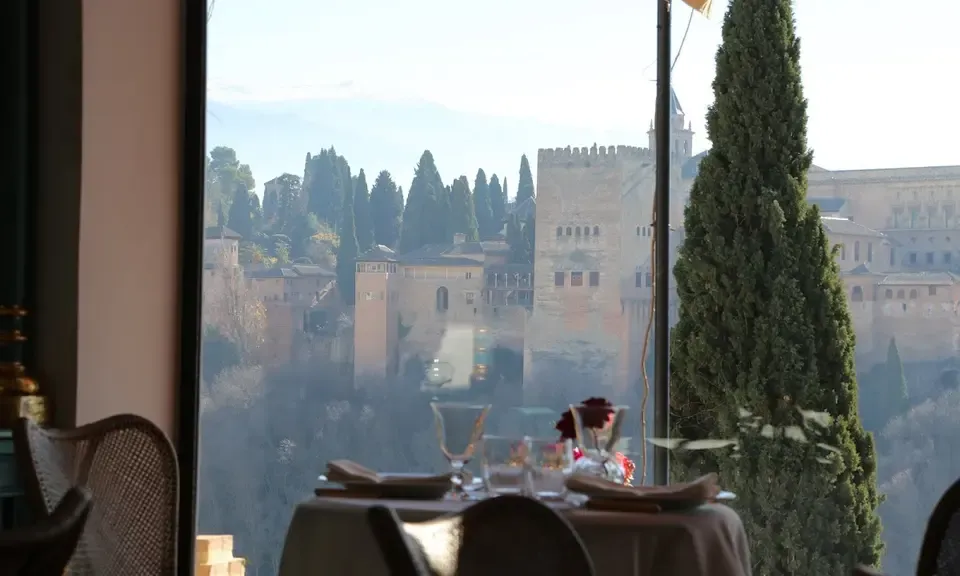
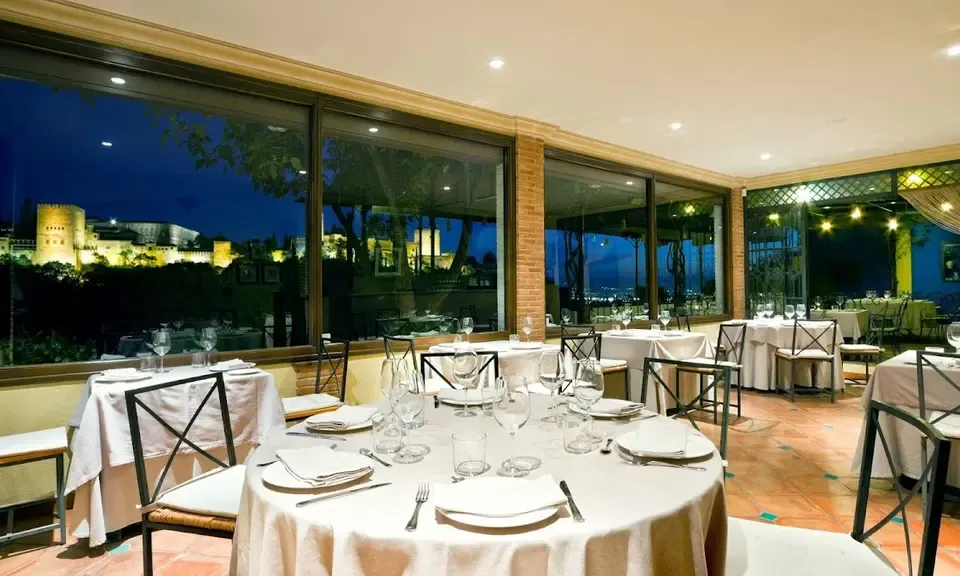
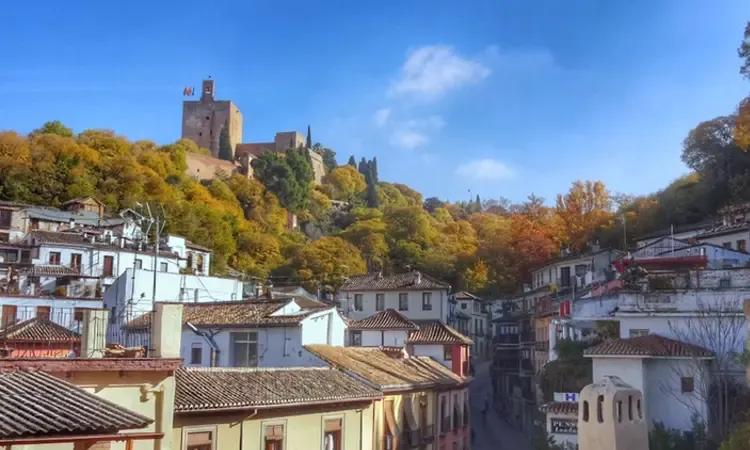
The neighbourhood climbs steeply from the Darro river to a ridge where the Mirador de San Nicolás commands the most complete view of the Alhambra in the city: the Nasrid palaces in the foreground, the Generalife terraces to the right, and the Sierra Nevada filling the skyline beyond. Street musicians station themselves here at sunset. The view is real, not manufactured, and it explains everything about why Granada was built where it was.
What makes the Albaicín different
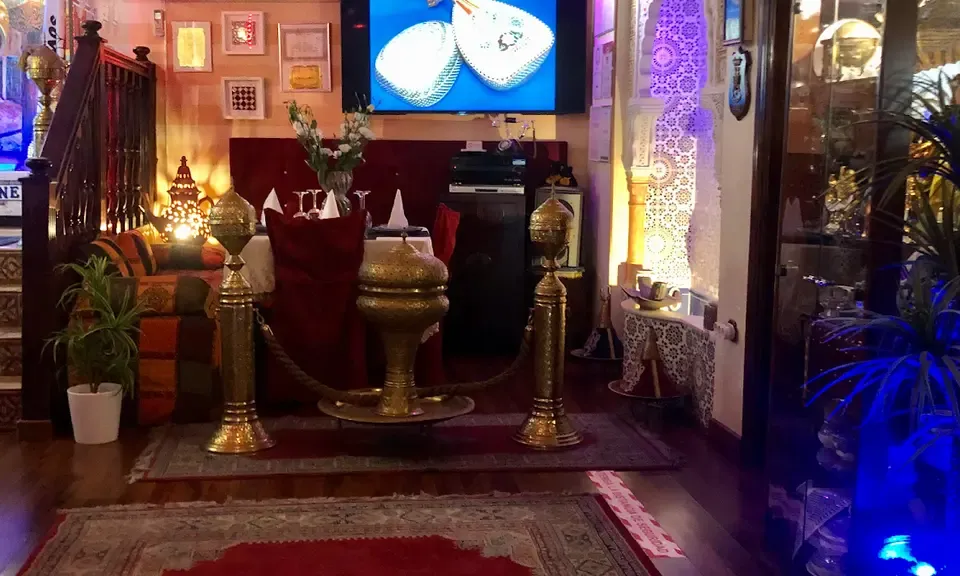
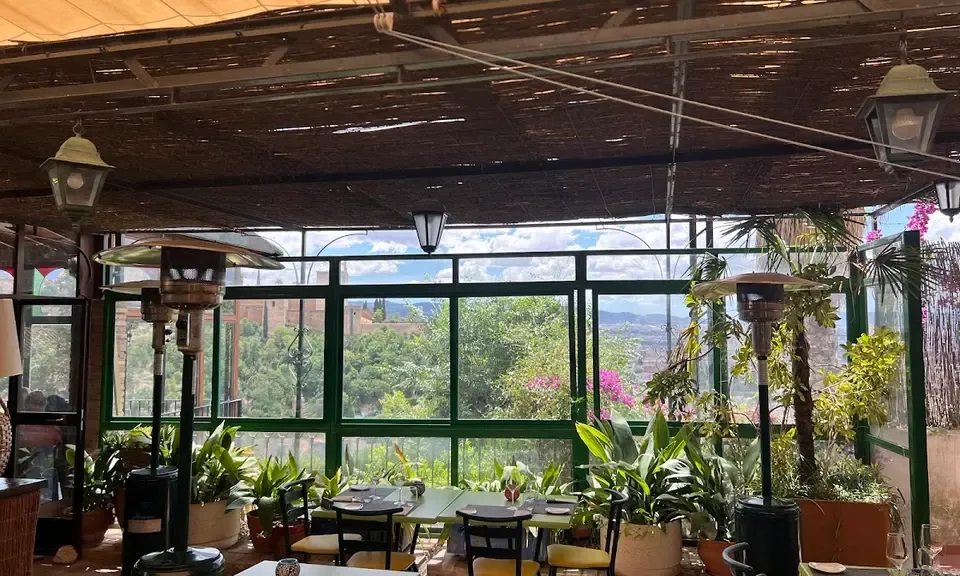
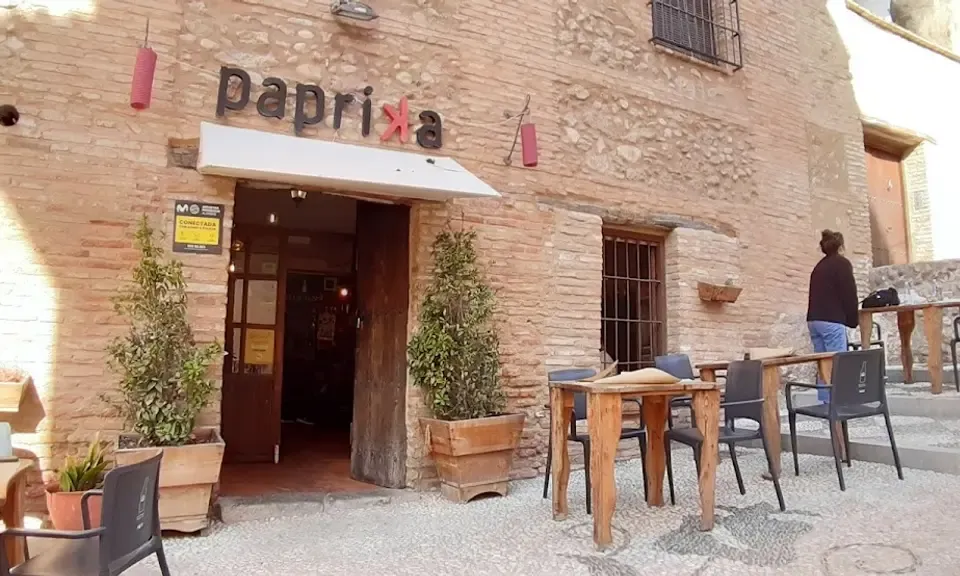
The Albaicín rewards slowness. The main route up Carrera del Darro and Cuesta de Chapiz is well-worn; the grid of lanes behind the convent of Santa Isabél la Real is not. Small tea rooms (teterías) serving mint tea and honey pastries cluster around the old mosque on Calle Calderería Nueva — a strip that has been called the Moorish tea district and functions as a gentle transition into the older streets above. For Moroccan dining, Restaurante Arrayanes on Cuesta de Marañas serves halal lamb tagine and chicken pastilla in the tradition the neighbourhood's history invites. Páprika on Cuesta de Abarqueros offers 100% vegan cooking with ecological produce at budget prices. An Albaicín walking tour with a local guide opens up the layers of Nasrid, Morisco, and post-Reconquista history that the streets alone do not explain. The neighbourhood is not a theme park version of its past: residents live here, wash their cars on Sunday, argue about parking. That ordinariness, coexisting with the medieval fabric, is precisely what makes walking through it feel substantial.