What a carmen actually is
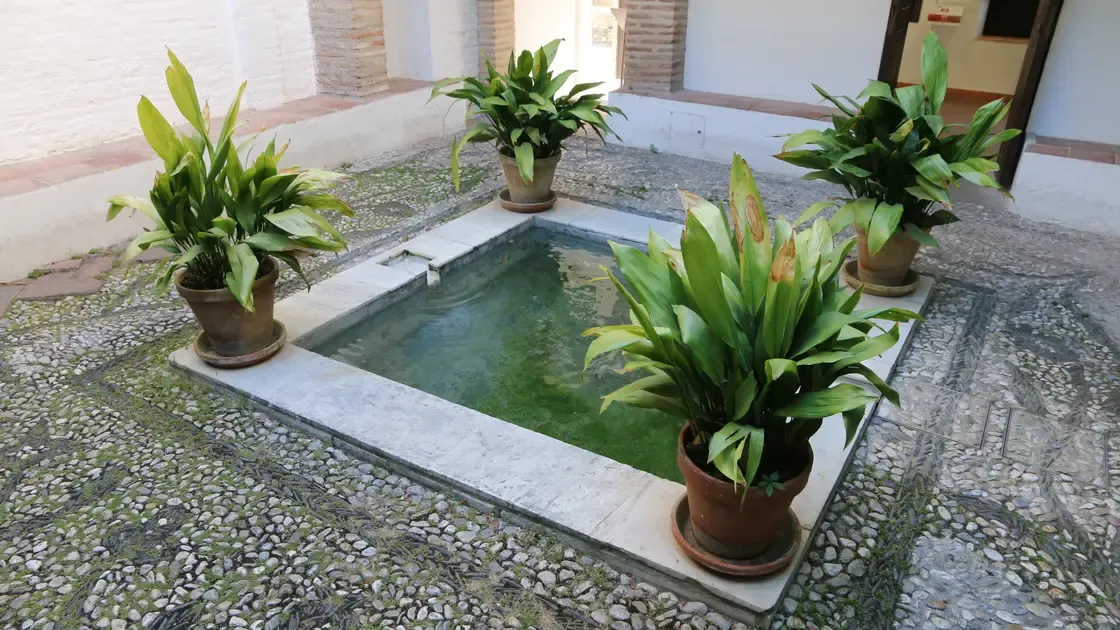
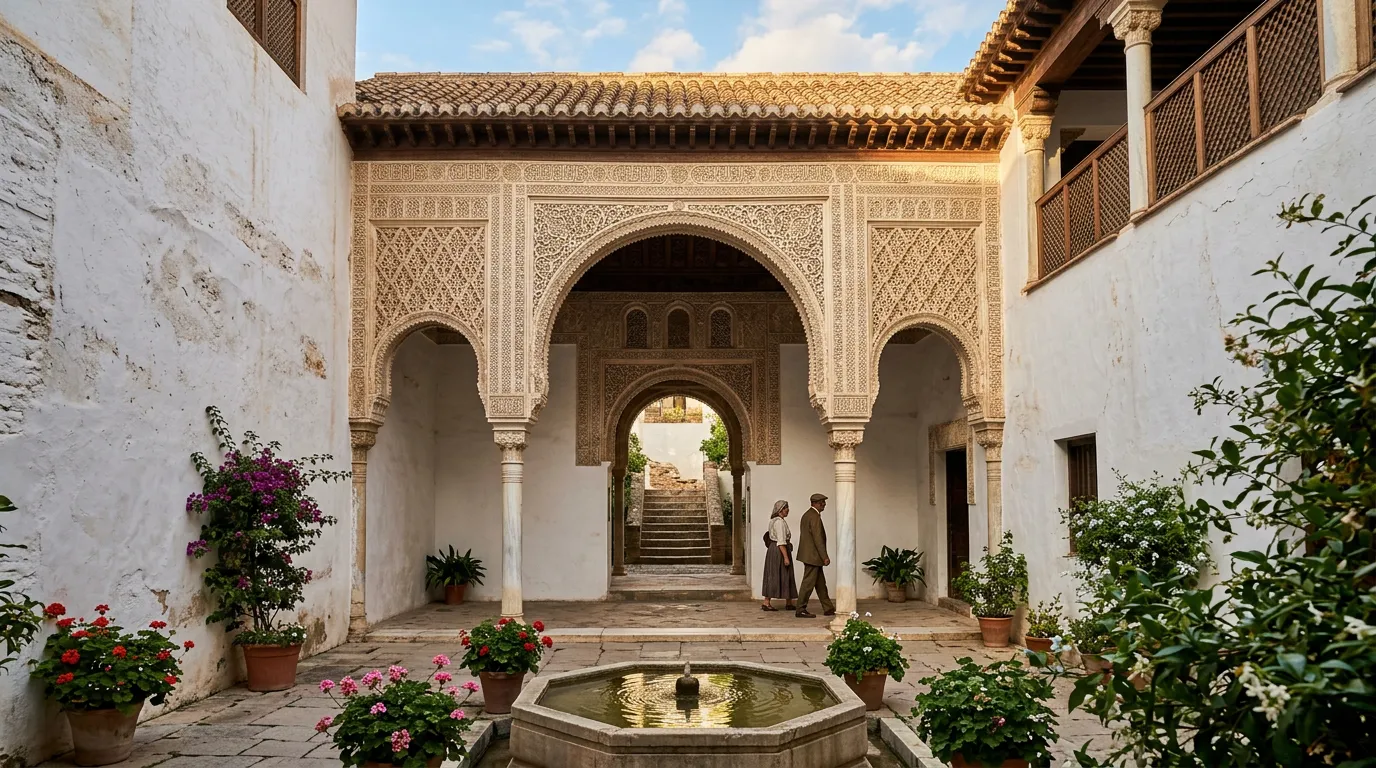
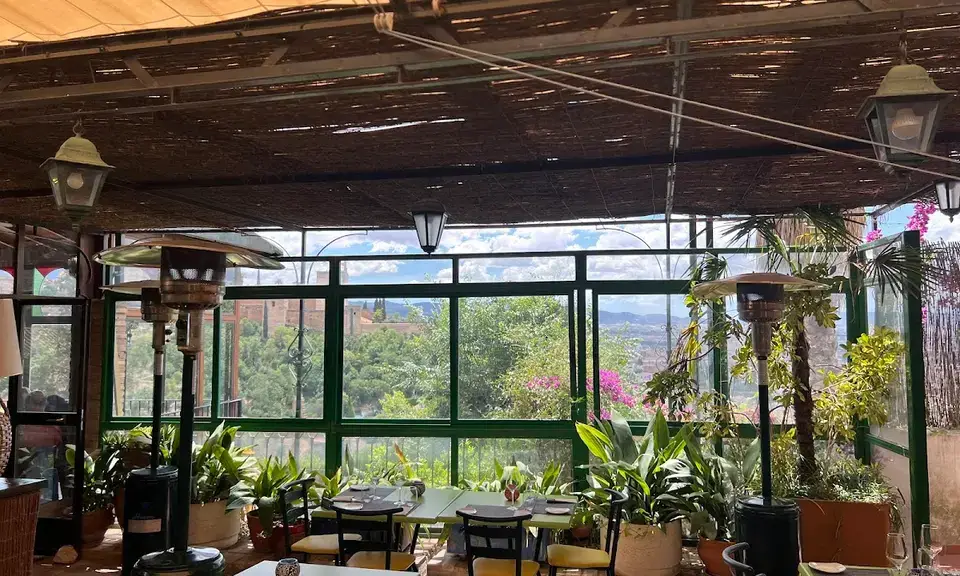
Granada uses the word carmen for something specific: a private house in the Albaicín with a walled terraced garden, descended from the Moorish concept of a private paradise enclosed from the street noise below. These are not public parks or restaurant courtyards. Most are residential. The handful that operate as restaurants charge for access to something that residents guard carefully.
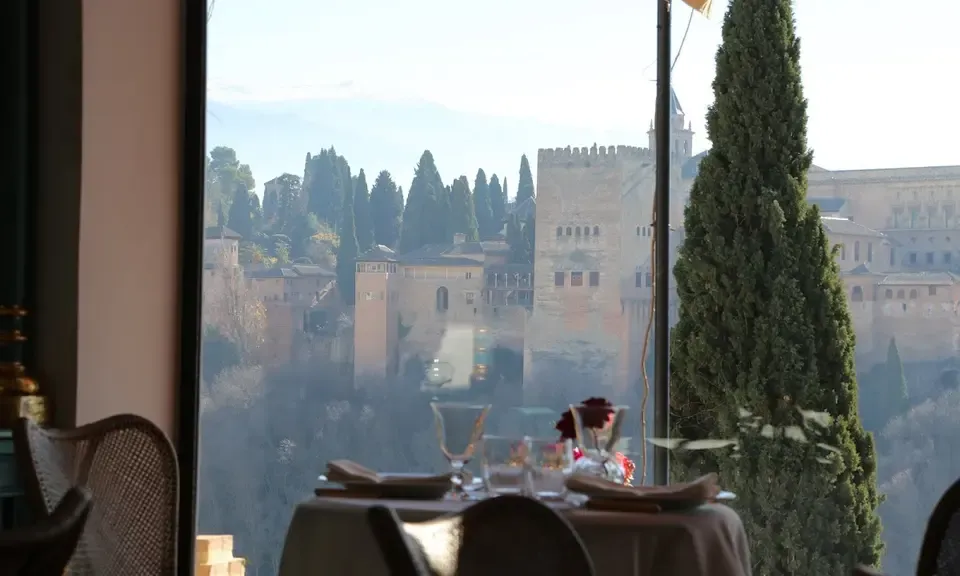
Carmen Verde Luna is one of those. You enter through a doorway on a steep Albaicín lane, step past the threshold, and the city disappears. The garden is planted with citrus, rose, and jasmine. Stone paths cross between beds of lavender. In the evening, when the kitchen lights come on and the Alhambra across the valley floodlights its towers, the effect is precisely as theatrical as it sounds — except you are sitting inside it rather than photographing it from a mirador.
The food
The kitchen works with Granadan and Andalusian ingredients. The menu covers starters of cold salads, warm vegetable dishes, and cured meats from the local tradition — jamón de Trevélez from the Sierra Nevada villages, cured above 1,200 metres, appears reliably. Main courses run toward slow-cooked meats and river-fish preparations more than sea fish, which makes sense given Granada's distance from the coast.
The cooking is competent without being ambitious. This is not a kitchen chasing culinary attention — it is a kitchen serving the kind of food that allows a view to be the main event without embarrassing itself. Portions are generous. The desserts are straightforward: local honey, almonds, and cream-based pastries in the Santa Fe tradition.
Pricing sits in the mid-to-high range for Granada: expect to pay €35-55 per person for a full meal with wine. That is not exceptional value against what you could eat elsewhere in the city for less money. What you are paying for is the garden and the view, and on a clear evening in spring or autumn, that is a fair transaction.
The view and when to go
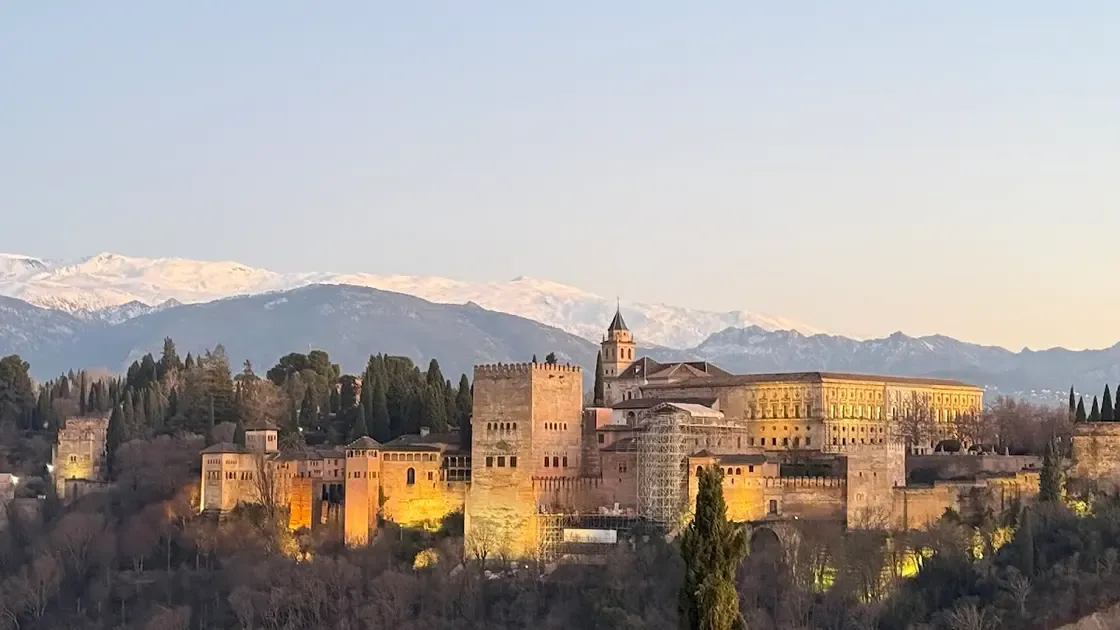
The Alhambra faces west-northwest from the Albaicín ridge. At sunset, the palace complex catches the last direct light before the city falls into shadow. After dark, the floodlighting comes on — the warm amber of the towers against a darkening sky. Both moments happen within ninety minutes of each other.
Aim to arrive at the table around 20:30 in summer, earlier in autumn and spring. This places the main course during the golden-hour transition and the dessert under full floodlight. On overcast evenings the view is subdued; the garden still works, but the drama depends on clear sky.
Avoid July and August if you are sensitive to heat. The garden has no air conditioning. The evenings cool late, and by August the heat at 21:00 is still 28-30°C. Spring (April–May) and early autumn (September–October) are the practical windows for enjoying this without discomfort.
Getting there and booking
The Albaicín is pedestrian-only above the lower streets. From Plaza Nueva, follow Calle Elvira up into the barrio and continue toward the upper carmen zone — a 15-20 minute walk on cobblestone incline. Taxis can get closer, but not to the door itself. Wear flat shoes.
Reservations are essential for dinner. Walk-ins are rarely accommodated in the evening because the garden has limited covers and tables are almost always pre-booked. Call ahead or book through TripAdvisor. Lunch is more accessible on weekdays.