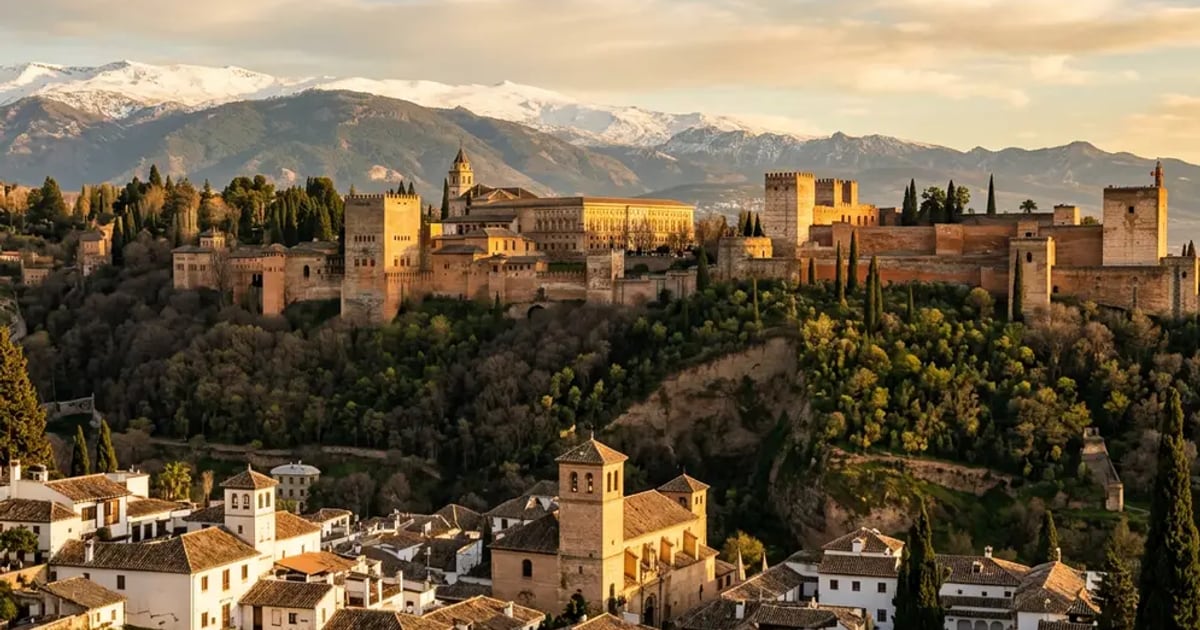
The Alhambra sets the clock for Day 1. Days 2 and 3 move at a different pace. Here is how to use all three without rushing or leaving the best parts out.
Seven years resident in Granada. Specialist in Nasrid architecture, Al-Andalus history, and Andalusian walking routes.
Published
Three days makes Granada comfortable. The 2-day plan works, but it runs tight on Day 1 — the Alhambra and Albaicín both deserve more than rush-mode. Three days gives each area proper time, adds a second evening for a proper tapas circuit, and frees the third day for whatever matters most to you.
The Alhambra is still the first booking you make. Get your Nasrid Palaces time slot locked in, then build everything else around it. This itinerary assumes a morning entry on Day 1.
What 3 days covers
The difference between two days and three is not just an extra monument or two. It's the difference between a trip that moves at tourist pace and one that lets the city land properly. Day 1 is intense; Day 2 is slower; Day 3 is yours to direct.
✓Albaicín: Carrera del Darro, Calle Calderería Nueva, Mirador de San Nicolás (Day 1 afternoon)
✓Cathedral and Royal Chapel: tombs of Isabella and Ferdinand, sacristy paintings (Day 2)
✓Realejo: Granada's former Jewish quarter, independent shops, terraces (Day 2)
✓Day 3: Alpujarras, Sierra Nevada, Sacromonte flamenco, or a deeper city dive
What still needs more time
✗An overnight Alpujarras stay (the villages reward lingering)
✗Guadix cave dwellings (2 hours each way by road)
✗Both main monasteries plus Cartuja — pick one
✗Nerja or the Costa Tropical (each needs a full day with early start)
Before you go: book the Alhambra first
The Alhambra receives around 2.7 million visitors a year. Nasrid Palaces entry is timed and non-transferable. In spring and summer, slots go 3 to 4 months ahead of the visit date. Arrive at the wrong checkpoint time and you're turned away with no refund.
Book the Alhambra before you book anything else
The most common way to ruin a Granada trip is arriving without a ticket. Check availability at tickets.alhambra-patronato.es — the official site, the only place selling at face value. Once you have a time slot for Day 1, you can plan everything else.
For prices, time slot selection, and what to do if your preferred slot is sold out, see the Alhambra tickets planning page. For third-party options and early-entry strategies, the Alhambra tickets guide covers the full picture. This itinerary assumes a 09:00 or 09:30 morning slot.
Eat breakfast before 08:30. The walk up Cuesta de Gomérez from Plaza Nueva takes 10 to 15 minutes, and you need buffer between arriving at the complex and reaching the Nasrid entry checkpoint. Being 10 minutes early is fine; 5 minutes late can mean being turned away.
1
Alcazaba fortress (09:00, 40 minutes)
Start at the military fortress. It predates the Nasrid Palaces by centuries, and the towers give you the best elevated view over Granada's rooftops towards the Sierra Nevada. Less crowded first thing than later in the morning. Go here before heading to the palaces.
2
Nasrid Palaces at your timed entry slot (09:45, 90 minutes)
The entry gate is a 15-minute walk from the main complex entrance. The Court of Lions, Hall of Two Sisters, and the tile and plasterwork passages built under Muhammad V in the 1370s are what most people remember. You move with the crowd flow through narrow corridors. Flash photography is banned throughout.
The slot is non-negotiable. Late arrivals are turned away with no refund, no rescheduling.
The Nasrid sultans' summer palace above the main complex has terraced gardens, cypress alleys, and water channels that feel cooler than anywhere else in the complex. The least crowded of the three sections. Exit through the forested path down towards town. You'll be clear of the Alhambra by around 13:00.
Lunch: Plaza Nueva area (13:00 to 14:30)
Walk down Cuesta de Gomérez to Plaza Nueva and eat at any tapas bar that isn't directly on the tourist strip — one street back and prices drop noticeably. Order a drink and a racion or two; the free tapa that comes with drinks here is rarely enough on its own after a full morning. For more on where Granada's free-tapa tradition still holds, see the free tapas guide.
Afternoon: Albaicín walk (14:30 to 19:00)
The Albaicín is Granada's Moorish quarter: a UNESCO-listed hillside of white walls, steep cobbled lanes, and hidden patios. Budget two and a half hours minimum. Getting slightly lost is fine; just be at Mirador de San Nicolás by 17:00 in summer to secure a clear spot before the peak crowd arrives.
A
Carrera del Darro (20 to 30 minutes)
The cobbled riverside street from Plaza Nueva with the Alhambra rising on the hill to your right. The view up to the towers from the old bridges is the best free shot in Granada. Start here.
B
Calle Calderería Nueva (15 minutes)
Climbs from the river into the Albaicín with Moroccan tea rooms and spice shops. Stop for mint tea if you need a rest before the steep final climb. Cheap, relaxed, genuine.
C
Climb to Mirador de San Nicolás (60 to 90 minutes including the uphill)
Follow signs through the Albaicín lanes. The final stretch is steep. The viewpoint looks directly across the Darro valley at the Alhambra with the Sierra Nevada behind. In summer, arrive by 17:00 to get a clear spot. The towers turn deep orange in the 45 minutes before sunset.
Evening: tapas circuit (19:00 onwards)
Come down from the Albaicín and drift between three or four bars on or around Calle Navas. Order a drink at each; the free tapa comes with it. Bodegas Castañeda for jamón and montaditos, Los Diamantes for fresh seafood, La Tana if you want wine over beer. Budget €15 to €20 for a satisfying evening. Save the flamenco for Day 3 if you plan the Sacromonte option.
Day 2: Centro, Royal Chapel and Realejo
Renaissance architecture, royal tombs, quiet neighbourhood, tapas
Morning: Cathedral and Royal Chapel (09:00 to 12:00)
Slower start than Day 1. Breakfast at 08:30, on foot by 09:00. The cathedral quarter is 10 minutes from most central accommodation. This is a less physically demanding morning; use the extra energy on the afternoon walk.
1
Granada Cathedral (09:00, 45 to 60 minutes, €6.50)
Begun in 1523 on the site of the main mosque after the Reconquista, completed in 1704. The interior is unusually bright for a Spanish cathedral: white stone, five naves, a circular main chapel with a gilded dome. Walk the full circuit of side chapels before leaving. Entry costs €6.50.
2
Royal Chapel / Capilla Real (10:00, 45 to 60 minutes, €5)
Adjacent to the Cathedral but accessed via a separate entrance on Calle Oficios. Built between 1505 and 1517 to house the tombs of Isabella I and Ferdinand II — the monarchs who commissioned Columbus's voyage and completed the Reconquista. The carved marble effigies and the sacristy's painting collection are the two things not to rush past. Around €5 entry.
Granada's most historically significant monument after the Alhambra
3
Corral del Carbón and Madraza (11:30, 30 minutes, free)
Two small sites a short walk from the Royal Chapel, both free. The Corral del Carbón is a 14th-century Nasrid caravanserai — one of the few surviving examples in Spain and easy to miss on a busier itinerary. The Madraza, the old Islamic university, sits just across the square. Neither needs more than 15 minutes, but both reward a short detour.
Lunch: Plaza de la Trinidad area (13:00 to 14:30)
Head towards Plaza de la Trinidad or the streets between the Cathedral and Realejo. Better local-to-tourist ratio than the main Cathedral square. A lighter lunch here preserves appetite for the evening tapas circuit.
Afternoon: Realejo and one optional stop (14:30 to 18:00)
Realejo is Granada's former Jewish quarter, now a neighbourhood of independent shops, small galleries, and café terraces at the foot of the Alhambra hill. Plan 90 minutes to walk it properly. On a 3-day schedule, the afternoon is genuinely relaxed — no hard deadline before the evening.
If you have energy, pick one of these after the Realejo walk:
Arabic-style hammam at the foot of the Alhambra hill. 90-minute thermal circuit, from €52 per person. Book at least 48 hours ahead — capacity is tight and weekends sell out. Best suited to Day 2 afternoon when you've covered good ground but aren't exhausted. This is the right moment for it.
Book 48h+ in advance
Monasterio de San Jerónimo
Ten minutes on foot from the Cathedral. Built in the 16th century, one of the first Renaissance churches in Spain. The cloister is quiet and the painted interior is more colourful than the plain exterior suggests. Around €4 entry. Good if you have an interest in monastery architecture; skip it if you're tiring.
Evening: Calle Navas tapas (20:00 onwards)
Calle Navas, running south of the Cathedral, is Granada's most concentrated tapas street. The bars open properly from 20:00. The routine: order a drink, receive a free tapa, stay one or two rounds, move to the next bar. Budget €20 to €30 per person for a full evening.
On 3 days, this is the evening to slow down and eat properly. You've seen the main sights; tomorrow is variable. There's no reason to rush.
Day 3: Choose your focus
Tailor the day to what you haven't done yet
Day 3 is the most personal day of the three. Choose based on what's still on your list, the season, and how much you want to leave the city. Four options, each a full day's worth.
Morning: Sacromonte cave museum and abadía walk. Afternoon: free time. Evening: cave flamenco show in a venue cut into the hillside (21:00 to 22:30, €25 to €40).
Best for first-time visitors who haven't seen flamenco yet. The cave settings in Sacromonte are unlike any other flamenco venue in Andalusia.
Full day (09:00 to 19:00). Rent a car or book a guided tour from Granada. The Pampaneira-Bubión-Capileira white village circuit is 1 hour 15 minutes from the city. Mountain scenery, local jamón and wine, craft shops.
The most-recommended Day 3 option for most first-time visitors. Return by 19:00 for a final tapas evening.
Car or guided tour required — see notes below
Option C: Sierra Nevada
Full day. Pradollano ski resort is 40 minutes by bus or car (ski season: November to April). Hiking trails open from May, starting from 1,800m. Return by late afternoon.
The clear choice if you're visiting in ski season. In summer, the high-altitude walks are open but require proper footwear and layers.
Option D: Granada deeper dive
Stay in the city and reach its secondary layer. Good choices:
• Monasterio de la Cartuja (Baroque charterhouse, 20 min from centre, €5)
• Huerta de San Vicente (Lorca's family house-museum, free Sundays)
• Parque de las Ciencias (science museum — good for families, wet days)
• A slow Albaicín lunch and a final wander without any agenda
Alpujarras without a car
Guided day tours from Granada include transport and work well if you'd rather not drive mountain roads. Public buses reach Pampaneira but take over 2 hours each way. A rental car (€40 to €60 for the day including fuel) is faster and lets you stop in all three villages.
Budget breakdown
Per person, mid-range traveller. Excludes accommodation and travel to Granada.
Expense
Day 1
Day 2
Day 3
Alhambra ticket
€22
—
—
Cathedral + Royal Chapel
—
€10
—
Flamenco show (Option A)
—
—
€25–40
Hammam (optional, Day 2)
—
from €52
—
Day trip — car or tour (Option B/C)
—
—
€30–70
Meals + tapas
€25–35
€25–35
€25–35
Day total
€72–97
€35–97
€55–105
Three-day total: roughly €160 to €300 per person, depending on whether you add the hammam and how you approach Day 3. Accommodation and travel to Granada not included. Spring and summer restaurant prices run slightly higher in tourist-facing areas.
Reporter notebook
Insider tips
Practical observations gathered the way a local journalist would keep them: short, specific, and more useful than brochure copy.
Best time
Do the Albaicín on Day 1 afternoon, not Day 2
On a 3-day trip, the Mirador de San Nicolás sunset on Day 1 sets the mood for the whole stay. You arrive with the Alhambra fresh in your mind and see it across the valley from the Albaicín hill — the two sites echo each other. If you leave the Albaicín for Day 2, you lose that sequence. Day 2 is better spent at ground level in the cathedral quarter.
Booking tip
Three advance bookings before you arrive
Alhambra ticket, flamenco show, and hammam — if you want all three, book all three before leaving home. In peak season (April to September), the Alhambra sells out 3 to 4 months ahead, cave flamenco shows fill weeks ahead, and the hammam runs at capacity on weekends. Book in that order of priority. Missing any one of them means working around its absence for the whole trip.
Crowd tip
Day 2 is your quietest day — use the afternoon for something slow
The cathedral quarter on Day 2 is always calmer than the Alhambra and Albaicín on Day 1. Use that slower pace deliberately: book the hammam for Day 2 afternoon when your legs are tired and the pace suits it, or take a long lunch in the Realejo without watching the clock. Day 2 is the day you can actually relax.
Frequently asked questions
Frequently asked questions
Should I do the Alhambra on Day 1 or Day 2?
Day 1. You're freshest on the first morning and more patient with queues and ticket checks. More practically, the Alhambra sets the clock for everything else on Day 1 — the Albaicín afternoon and the evening both follow from your entry slot. If you push the Alhambra to Day 2, Day 1 becomes a directionless wander. Book your slot for 09:00 on Day 1 and everything else falls into place.
Is 3 days enough to see Granada properly?
Yes. Three days covers all the major highlights without rushing: the full Alhambra complex, the Albaicín, the Cathedral and Royal Chapel, the Realejo, and a third day for whatever matters most to you. What 3 days won't cover: an overnight Alpujarras stay, Guadix, or a deep dive into every monastery. For a fourth day's worth of ideas, see our 4-day itinerary.
What is the best Day 3 option?
For most first-time visitors: the Alpujarras day trip. The mountain scenery, white villages, and local food are unlike anything in Granada city itself, and the drive takes 1 hour 15 minutes. If it's ski season (November to April), Sierra Nevada is the obvious call. If you skipped flamenco on Days 1 and 2, Sacromonte and a cave show makes a strong final evening. The deeper-dive city option suits repeat visitors who want to reach Granada's secondary layer: Cartuja, Lorca's house, the science museum.
Can I do the Alpujarras without a car?
Guided day tours run from Granada and include transport, so no car is needed. Public buses serve Pampaneira but take over 2 hours each way, which leaves very little time in the villages. If you go independently, a rental car from Granada is cheaper than a guided tour and gives you flexibility to stop in Capileira and Bubión as well as Pampaneira. Budget around €40 to €60 for the car plus fuel.
How much walking does a 3-day Granada trip involve?
Day 1 is the hardest physically: roughly 5 to 6 km with significant uphill on the Alhambra paths and the climb to Mirador de San Nicolás. Day 2 is about 3 to 4 km and mostly flat through the cathedral district and Realejo. Day 3 varies by choice: the Alpujarras involves easy village walking on gentle slopes; Sierra Nevada can involve serious elevation; Sacromonte is a short taxi or moderate uphill walk from the centre. Wear proper walking shoes throughout. The Albaicín cobbles cause ankle problems in anything less.
Want accommodation recommendations, neighbourhood comparisons, and whether to extend to 4 days? See the full discover 3-day guide. For a shorter trip, the 1-day plan strips this back to the essentials.