Seven years resident in Granada. Specialist in Nasrid architecture, Al-Andalus history, and Andalusian walking routes.
Published
Updated
Elsewhere in Spain, tapas are ordered and paid for separately. In Granada, every drink — a caña, a glass of wine, even a Fanta — comes with a small plate the bar has chosen for you. Order four drinks across an evening and you leave with four plates of food you never requested and never paid extra for. The whole evening costs €10 to €15 per person. It is the best-value food tradition in the country, and it is genuinely unusual: Seville and Madrid both charge for food now.
What keeps the tradition alive is partly economics and partly identity. Granada has around 80,000 university students, which makes charging separately for food a competitive risk no bar wants to take. The result: a €2.50 beer in the Realejo routinely comes with a plate of jamón de Trevélez or a bowl of salmorejo that would cost €4 on a paid menu. For specific bar recommendations, see the best tapas bars in Granada.
Why Granada still does this
The free tapa tradition exists in pockets across Andalusia, but Granada is the city where it is genuinely universal — every bar, every drink, no exceptions among reputable establishments. The reason it survived here when it faded elsewhere comes down to three things.
Student economics
Around 80,000 university students keep the city's bar economy price-sensitive. A bar that charges €4 for a plate of croquetas loses business immediately to the bar next door that gives them away. The free tapa is a competitive floor, not a favour.
Bar competition
Because every bar must provide a free tapa, bars compete on tapa quality to earn repeat customers. A bar known for excellent croquetas or a good rotating menu builds loyalty. A bar with stale olives does not. The system self-regulates.
Civic identity
Locals call Granada "la ciudad de tapas" and protect the tradition with genuine feeling. A bar that quietly dropped the free tapa would hear about it from regulars. The practice has civic weight, not just commercial logic behind it.
The roots of this tradition run deeper than bar economics — into the city's Moorish inheritance, the culture of hospitality, and how Granada sees itself. The full story is in why Granada's tapas are free, which traces the cultural and historical reasons this custom survived here when it faded across most of Spain.
How it works: one drink, one tapa
When you order any drink at the bar, a small plate of food comes with it. You do not request it. You do not pay for it. The bar chooses what to serve. At some bars the tapa rotates with each successive drink — olives with the first round, croquetas with the second, a slice of tortilla with the third. At others the same tapa comes every time.
Typical free tapas include: olives, croquetas, salmorejo, tortilla española, pescaíto frito (fried fish), jamón ibérico, sliced cheese, and berenjenas con miel (aubergine with honey). At better bars, especially in the evenings, the portions are generous enough that two rounds at two different bars function as dinner.
The basics
One drink =
One free tapa
Who chooses the tapa
The bar (you usually cannot pick)
Drink cost
€1.80 to €3.00
Tapa equivalent value
€3 to €5 at paid prices
Best hours
9pm to 11pm (when locals eat)
Alcoholic or not, the tapa comes
Non-alcoholic drinks — agua con gas, refrescos, coffee — also qualify for a free tapa in most Granada bars. If you are not drinking alcohol, you still get the plate.
Doing a tapeo (bar crawl)
A tapeo is the practice of moving between bars across an evening, collecting a different free tapa at each stop. The format: two or three drinks at one bar, then move on. Two rounds gives you two different plates and a sense of whether the bar is worth returning to. Three rounds is the local maximum before the tapa rotation has usually repeated itself.
A well-paced evening covers three to five bars over two to three hours. That is enough drinks for four to six tapas per person — a full meal's worth of food at a fraction of restaurant prices. The walking between bars is part of the experience: Calle Navas to Calle Elvira is ten minutes on foot, and the contrast between the two streets is worth making. For a fully mapped route with specific bar addresses at each stop, the self-guided tapas crawl covers a three-zone circuit through Navas, Plaza Nueva, and Campo del Príncipe.
A typical tapeo route
Start on Calle Navas — two drinks at one of the classic bars
Walk to Plaza Nueva and into the lower Albaicín — one bar
Staying longer at one bar is fine — locals do it, there is no obligation to hop
Best bars for free tapas
These five bars appear on every local recommendation list not because they are fashionable but because they have been doing this well for decades. Each has a distinct character and different tapa strengths.
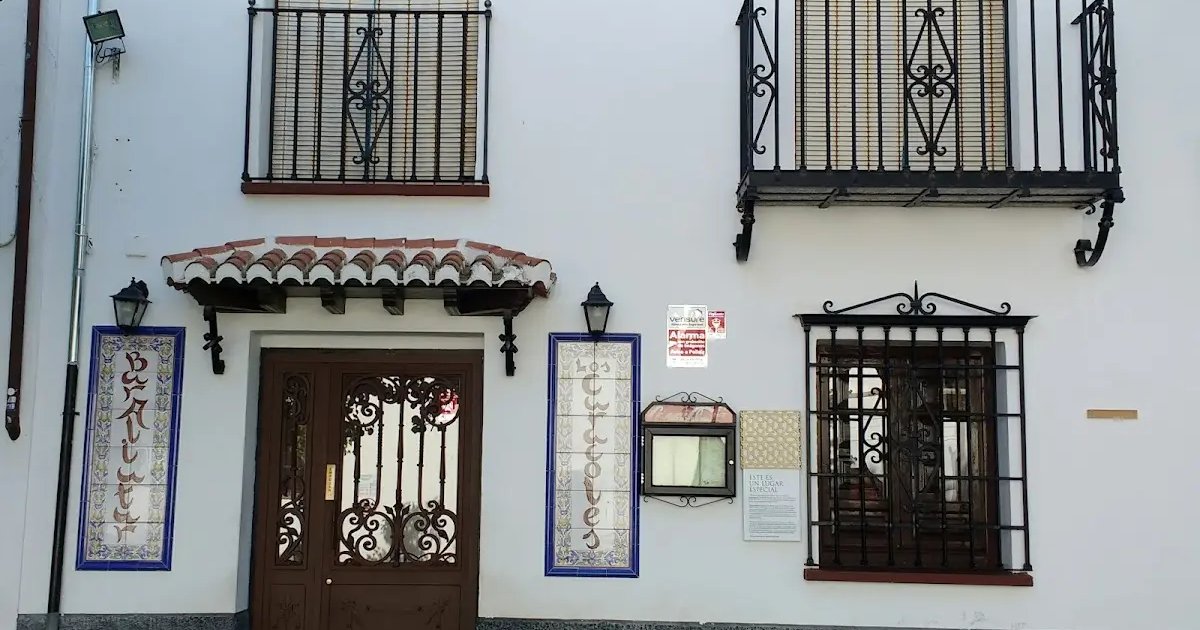
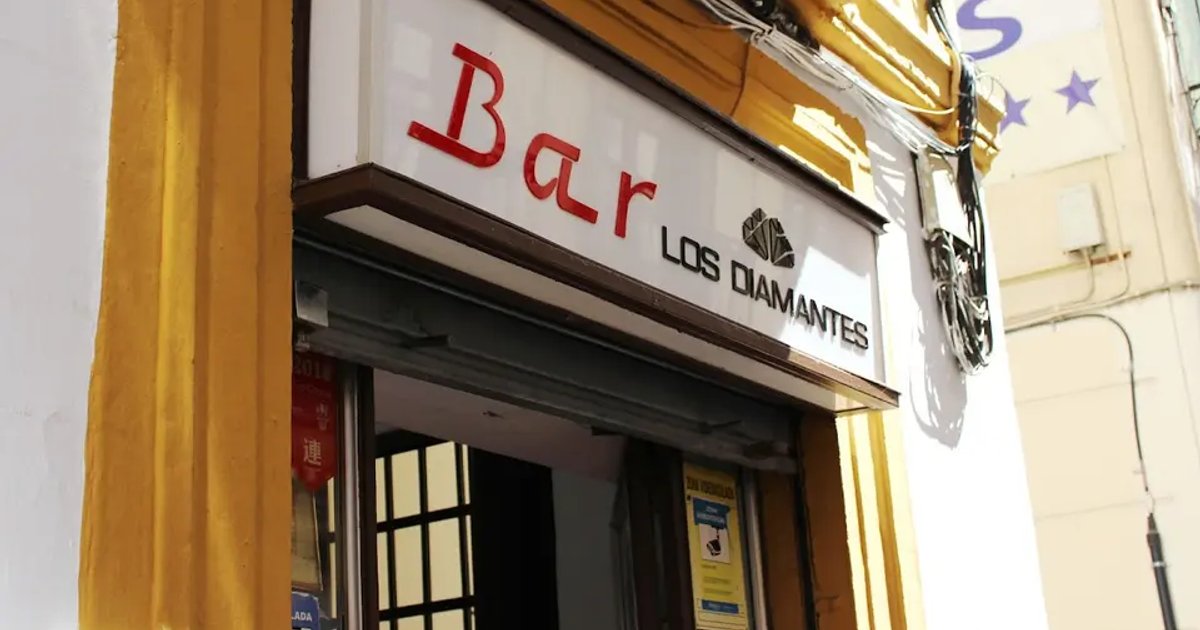
Calle Navas 28. The old wooden bar, barrels of vermouth behind the counter, the smell of cured ham — this is the bar that ends up in every Granada photograph. The vermouth is made in-house. The jamón comes off a whole leg carved at the bar. Go early in the evening when the kitchen is fresh, or very late when the staff are relaxed.
Calle Navas, one block from Bodegas Castañeda. The speciality is pescaíto frito — a pile of crispy fried whitebait, baby squid, or whatever came in from the coast that morning. The free tapas lean heavily toward seafood, which makes it stand out on a street where most bars default to jamón and croquetas. Loud at weekends; the noise is part of it.
In the lower Albaicín, one of the bars that earned Granada attention internationally when Anthony Bourdain filmed there. Small room, good wine list, tapas that skew more interesting than the Calle Navas average. The walk up from Plaza Nueva through the Albaicín's narrow streets is worth doing before or after a stop here.
Calle Navas. A Galician-run bar on an Andalusian street, so the tapas skew toward octopus, empanada, and caldo gallego rather than the southern standard. Worth a stop if you want something different from the jamón-croqueta rotation that dominates the rest of the street.
Open since 1917. The croquetas here have been made to the same recipe for three generations and arrive hot, not broken — which is less guaranteed elsewhere than it should be. The room is worth seeing: Moorish tile work on the lower walls, dark wood beams, bullfight posters from before the Civil War.
Granada's tapas culture concentrates in a few distinct areas, each with a different feel and a different average tapa quality.
Calle Navas
The pedestrian street running east from Plaza Nueva is the highest-concentration tapas zone in the city. Around fifteen bars in 300 metres. The drawback is that it is also the most tourist-heavy, and some bars toward the far end have shortened their tapas in response. Stick to the first two-thirds from Plaza Nueva.
Best for: A first night in Granada when you want a lot of different bars in a short walk.
The old Jewish quarter between the Alhambra hill and the city centre. More student bars than tourist bars, which keeps standards honest. The tapas tend to be more creative here — less jamón, more things with vegetables, unusual sauces, or daily specials. Calle Molinos and the streets around Campo del Príncipe are the core of it.
Best for: A second or third evening when you want something less obvious than Calle Navas.
The streets above Plaza Nueva — Calle Calderería Nueva, Calle Elvira — mix Moorish teahouses, tapas bars, and restaurants. Fewer bars than Calle Navas but a more interesting walk between them. Some bars in this area have Moroccan-influenced tapas: flatbreads, dips, spiced lamb alongside the standard Andalusian options.
Best for: Combining a tapas crawl with an evening walk through the Albaicín.
Calle Elvira
Runs roughly parallel to Calle Navas, one block north. Less famous and less crowded, with a mix of indie bars, student spots, and a few places that have been here since the 1980s. Tapa quality is more variable — some bars are excellent, a few are not — but the absence of tourist queues is worth something.
Best for: Finding a bar that is not on anyone's guide list.
Skip bars immediately around the Alhambra gates
The bar cluster at the Alhambra entrance and on the tourist path up from the Realejo charges higher prices for noticeably smaller free tapas. These places rely on one-time visitors, not regulars. Walk fifteen minutes into the city centre and the quality-to-price ratio improves sharply.
“Order four drinks across the evening and you leave with four plates of food. You never asked for them. You never paid extra.”
Timing and etiquette
When to go
9pm to 11pm, Monday to Thursday. Office workers and students eat here. Tables turn over quickly. Tapas come out fresh. The kitchen is paying attention.
10pm to midnight, Friday and Saturday. Later and louder. Peak quality from bars trying to impress regulars on their busiest nights.
1pm to 3pm. Tourist-heavy on Calle Navas. Bars know they will shift volume regardless of tapa quality, so the plates at this hour tend to be simpler.
Etiquette
Signal bar staff clearly when ordering — they prioritise speed and will not hover waiting for you to decide.
Check your bill before paying. Errors are rare but not unheard of on busy nights.
If you cannot eat a tapa for dietary reasons, say so when ordering. Polite refusal is fine; leaving it untouched silently is not rude but wastes food.
You do not have to bar-hop. Locals often spend the whole evening at one place. The crawl is a visitor format, not a local requirement.
What a tapas evening costs
The numbers are worth spelling out because they make Granada's value concrete.
Scenario
Drinks
Spend
Food
Quick stop, one bar
2 drinks
€4–6
2 plates included
Proper tapeo, 3 bars
5–6 drinks
€10–15
5–6 plates included
Long evening, 4–5 bars
8–10 drinks
€16–25
8–10 plates included
Compared to paid tapas elsewhere
In Seville or Madrid, where tapas are ordered and paid separately, the same evening — five or six small plates plus drinks — typically costs €30 to €45 per person. Granada's free tapa system is a genuine structural difference in how bars are priced: the drink absorbs the food cost, and bar competition keeps both reasonable.
Reporter notebook
What locals know that guidebooks skip
Practical observations gathered the way a local journalist would keep them: short, specific, and more useful than brochure copy.
Local custom
Show up at 9pm, not 7pm
Bars fill up from around 9pm on weekdays and 10pm on weekends — that is when locals eat. The 7pm crowd on Calle Navas is mostly tourists doing early dinners. Come later and the tapas tend to be better: bars put more effort in when their regulars are watching.
What to order
Start with a caña, not a glass of wine
A caña (small draught beer, roughly 200ml) costs €1.80 to €2.50 and is the default first-round order at most bars. It sets the right pace. Order wine early and you risk committing to a larger glass before you have a sense of the bar's pour size. Switch to tinto de verano — red wine with lemon soda — from the second or third bar.
Money tip
Budget €10 to €15 for a full evening
Four to six drinks at €2–3 each comes to €8–18, with the tapas included. A comparable evening in Madrid or Seville — where you pay separately for food — costs €30–40 per person. Granada is not cheap by accident: 80,000 university students keep bar owners competitive on both price and quality.
Book a guided tapas tour in Granada
Tours are selected for quality, not commission. We earn a small fee if you book — at no extra cost to you.
If you want someone to lead you through the bars and explain what you're eating, these tours earn their cost
No. Non-alcoholic drinks — soft drinks, water, coffee — also come with a free tapa in most Granada bars. The tradition applies to any drink ordered at the bar.
Can I choose which tapa I get?
Usually no. The bar decides what to serve, and the tapa rotates with each round. A few bars will offer limited choices, but treating the bar's choice as the default is the standard expectation. If you have a dietary restriction, mention it when you order your drink.
How many tapas do I get if I order multiple drinks?
One drink equals one tapa. Order four drinks across the evening, you get four plates. Groups ordering multiple rounds at the same bar typically receive a tapa per drink ordered, though some bars may serve a shared plate for a table rather than individual portions.
Which neighbourhoods have the best free tapas?
Calle Navas has the highest concentration of tapas bars and is the most famous street for the tradition. The Realejo district is more local and creative. Lower Albaicín has atmospheric bars in medieval streets but fewer of them. Avoid the tourist bar cluster right outside the Alhambra gates — the tapas there tend to be smaller and the prices higher.
Should I tip when I get free tapas?
Tipping is appreciated but not required. Rounding up to the nearest euro or leaving €1 is normal for good service. Around 5–10% is generous. The free tapa is not a reason to tip more than you ordinarily would — it is built into the bar's pricing model, not an extra favour.
Is the free tapas tradition in Granada declining or is it still strong?
It is still strong in neighbourhood bars, though some tourist-facing bars on busy streets like Calle Navas have downgraded to cheaper offerings — a few olives or a small piece of bread where a real plate used to arrive. The tradition holds because Granada's 80,000 university students keep bar owners competing on price and substance. Bars in the Realejo, lower Albaicín, and Calle Elvira area still operate with genuine free tapas. The trick is avoiding the places that rely on tourist turnover rather than regulars. See the best tapas bars guide for specific recommendations.
What kind of food actually arrives as a free tapa?
It varies by bar and by round — that rotation is part of how the system works. At a mid-range bar on the first drink you might receive a small plate of ham and bread, a few fried fish (pescaíto), a portion of patatas bravas, or a soup-style plate like gazpacho. On a second round at the same bar the tapa changes. Better bars serve croquetas, grilled chorizo, or mollete con aceite. Bars that have cut corners send out a single slice of bread with olive oil. The food quality is the fastest indicator of whether the bar is worth a second drink.
Are there vegetarian-friendly tapas bars in Granada?
Yes, though vegetarian options are not guaranteed as the free tapa — many bars default to jamón or chorizo. The safest approach is to mention when you order that you do not eat meat (sin carne) and most kitchens will send a vegetable-based alternative without drama. The Realejo area tends to have more flexible kitchens than the historic centre. Bars with a visible tapas menu board — rather than just a spoken rotation — are easier to navigate for dietary restrictions, since you can see what is available before committing to a round.