Trevélez village sits at roughly 1,476 metres in the Alpujarras, the mountain range south of Granada that drops from the Sierra Nevada peaks toward the Mediterranean. The altitude matters because jamón de Trevélez cannot be made anywhere else. The cold, dry mountain air, winter snow, the cierzo winds that blow down from the Sierra Nevada, and the indigenous microbiological cultures that develop in this specific environment are all part of the curing process. A ham produced ten kilometres lower would be a different product.
The Protected Geographical Indication (PGI) formalises this. Under its rules, fresh pork legs are salted with sea salt only, at a concentration no greater than 5% sodium chloride, and then aged naturally in Trevélez for a minimum of 17 to 23 months depending on weight. During that time the ham loses at least 35% of its original weight through evaporation into the mountain air. Some producers age premium hams for 30 months or more.
What makes it different from other Spanish ham
Jamón de Trevélez is made from European white pigs, not the Iberian black pig used for Jamón Ibérico. It is less fatty, more delicate, and lightly salted — closer in character to a fine Serrano than to Ibérico, but with a smooth, slightly sweet aroma that reflects the mountain microclimate.
The salt level is deliberately low. The cold air does most of the preservation work. This results in a ham that tastes clean and restrained rather than intensely salty, with a silky texture when sliced properly thin.
How to buy and eat it
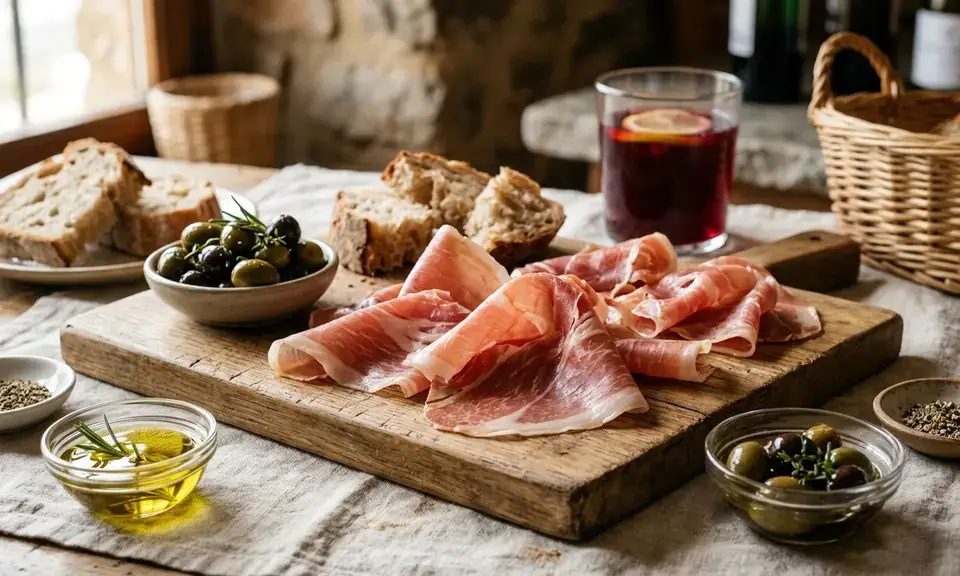
The most important rule: buy it fresh-sliced from a specialist shop or directly from a producer in Trevélez. Pre-packaged jamón de Trevélez in vacuum-sealed plastic exists, but the texture degrades. Fresh-sliced ham has a translucency and a softness that disappears once it's been sealed.
In Granada city, several specialist jamón shops in the centro and Albaicín slice to order. Expect to pay €15–25 per 100g for authentic PGI ham, or €80–150 and above for a whole leg. Supermarket pricing signals non-PGI product.
For the source experience, Trevélez village is 75 kilometres from Granada by road, about 90 minutes. Jamones Nevadensis is a major producer there with aging rooms you can visit. The drive through the Alpujarras passes through white villages (Orgiva, Bubión, Capileira) and is worth making as a day trip.
In Granada's kitchens
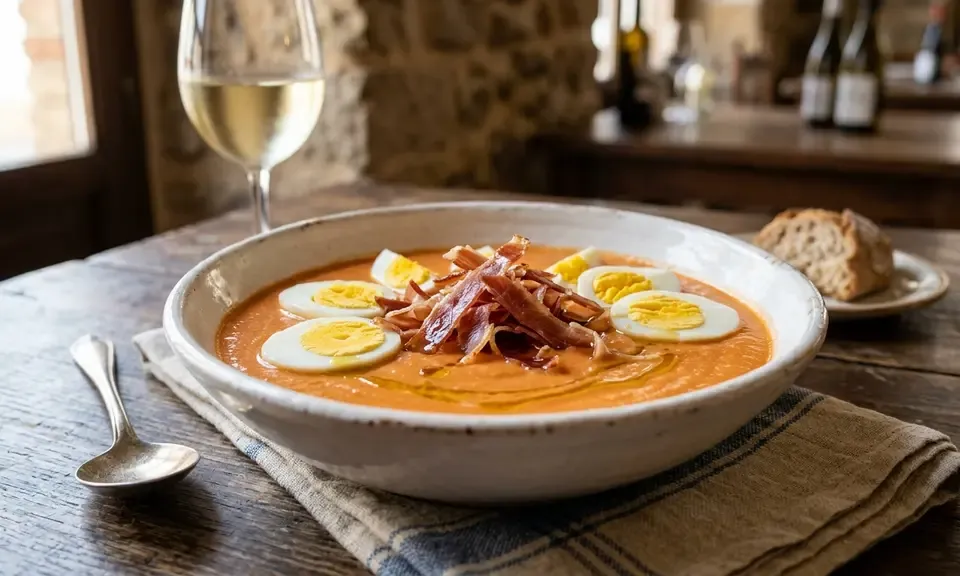
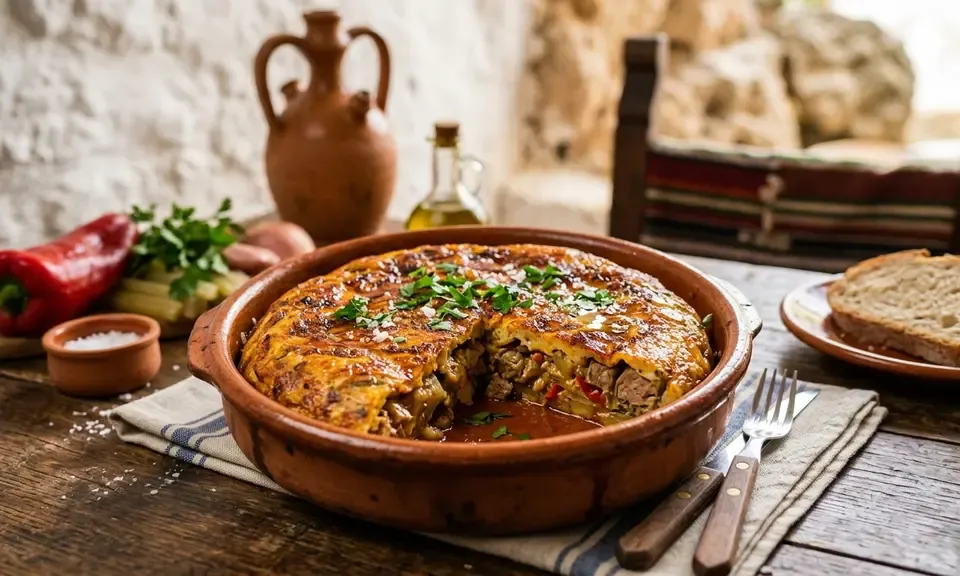
Jamón de Trevélez appears throughout the city's food. It is the standard garnish on salmorejo, diced into the cold soup. It turns up on tortilla del Sacromonte in some versions, added as a supplement to the offal. Many bars in the Albaicín and Sacromonte bring a few slices as a free tapa with drinks — the PGI product, or something close to it, treated as routine rather than special.
Pair it with a glass of dry Fino or Manzanilla sherry. The combination of cold, bone-dry sherry and lightly salted mountain ham is the correct one: the wine clears the palate between bites rather than competing with the flavour of the ham.