Three cities, nine nights, one logical loop. Seville for flamenco and the Alcázar, Granada for the Alhambra and free tapas, Málaga for the Picasso Museum and the beach. Here is how to connect them without wasting a day on a bad train decision.
Seven years resident in Granada. Specialist in Nasrid architecture, Al-Andalus history, and Andalusian walking routes.
Published
Andalusia's three major cities sit within a 300-kilometre triangle connected by high-speed trains. Seville is the largest and most visited — the one with the biggest cathedral in the world, the Alcázar palace, and the densest concentration of flamenco bars. Granada has the Alhambra, one of the most-visited monuments in Spain, and a tapas culture where every drink comes with a free plate of food. Málaga is where you slow down: a coastal city with good museums, the beach 10 minutes from the old town, and an airport that handles most international flights into Andalusia.
The route works because the cities are different enough that you're not repeating yourself. After three days in Seville's flat, sun-baked streets, Granada's hillside quarters and cooler air feel like a different country. After three days in Granada walking cobbled lanes at altitude, Málaga's seafront and beach feel earned. The Renfe AVE connects Seville to Granada in 2h 40m; Granada to Málaga in 1h 15m. You fly in and out of Málaga, so there's no backtracking.
One optional addition: Córdoba. It sits 45 minutes from Seville by AVE and holds the Mosque-Cathedral, one of the great buildings of medieval Europe. A day trip from Seville on Day 3 adds it without disrupting the schedule or requiring an extra hotel.
The classic route
Route at a glance
Fly into Málaga → Train to Seville (2h 40m, €25–50) → 3 nights Seville → AVE to Granada (2h 40m, €19–55) → 3 nights Granada → Train to Málaga (1h 15m, €10–25) → 2–3 nights Málaga → Fly home from Málaga.
The sequence matters. Start in Seville rather than Granada for two reasons: the Alcázar and Cathedral prime your eye for Islamic palace architecture without giving away the Alhambra, and the geography works — you fly into Málaga, go north to Seville, east to Granada, then back south to Málaga for your flight. No doubling back.
Days 1–3: Seville (3 nights)
Day 1: Arrive Seville. The airport (SVQ) is 10 km northeast — 30 minutes by train (€4–5), 25 minutes by taxi (€22–28). Alternatively, fly into Málaga AGP and take the AVE to Seville (2h 40m, €25–50). Evening: Triana neighbourhood, riverside walk, dinner. Day 2: Full day on the main sites — Real Alcázar (€11, 2–3 hours), Cathedral and Giralda tower (€5, 1.5 hours), lunch in Santa Cruz, Plaza de España in the afternoon (free), flamenco show in the evening (€20–50). Day 3: Either a second Seville day (Torre del Oro, Triana ceramics market, Museo del Prado) or a day trip to Córdoba by AVE (45 minutes, €10–20 return, 5–6 hours in the city).
Day 4: Travel to Granada
Renfe AVE from Seville to Granada, 7 trains per day. The early 7:00 AM departure arrives by 10:00 AM, leaving enough time for an afternoon Alhambra slot if you've booked one. Midday trains (9:00–10:00 AM) work if you want a slow morning in Seville first. Fare: €19–55 depending on how far in advance you book — the Avlo discount tickets require 6+ weeks lead time.
Days 5–7: Granada (3 nights)
The full programme — Alhambra, Albaicín, Sacromonte flamenco, and a day trip — maps onto the 4-day Granada itinerary. In the context of this 10-day trip, the condensed version covers: Day 1 in Granada: full Alhambra complex (4–5 hours) + evening tapas in Realejo. Day 2: Albaicín morning walk, Mirador de San Nicolás at sunset, Sacromonte flamenco (book ahead). Day 3: Cathedral, Royal Chapel, Bañuelo Arab baths (free), optional afternoon at the Alpujarras or just wander.
Day 8: Travel to Málaga
Train from Granada to Málaga, 1h 15m, multiple departures daily, €10–25. A midday train works well — arrive Málaga by early afternoon, check in, light lunch on the paseo marítimo. The bus (ALSA, 1h 45m, €8–15) is cheaper but less comfortable for a full travel day.
Days 9–10: Málaga (2–3 nights)
Day 9: Picasso Museum (€10, 2.5 hours — book online to skip queues), Alcazaba fortress (€3.50, 1.5 hours), Cathedral (€5, 1 hour), evening on the paseo. Day 10: beach day at Playa El Palo (3 km east, €20–30 for lunch at a chiringuito), or Caminito del Rey gorge hike (requires advance booking, €25–35, 1.5 hours drive each way), or coastal towns — Nerja or Frigiliana. Departure: Málaga AGP is 10 km south — Cercanías train in 25 minutes for €2.50, or taxi for €20–30.
Getting around by train
All three cities have train stations in or near the city centre. The AVE high-speed network connects Seville and Granada; the Málaga–Granada route uses the regional Renfe service. Book at renfe.com or via Trainline — the earlier you book, the bigger the price difference.
Route
Time
Trains/day
Cost (advance / day-of)
Seville → Granada
2h 40m–3h
7/day
€19–25 / €55
Granada → Málaga
1h 15m
Multiple
€10–25
Seville → Córdoba (day trip)
45 mins
10+/day
€10–20 return
Málaga AGP → City
25 mins (Cercanías)
Every 30 mins
€2.50–3.50
Avlo fares require advance booking
Renfe's discount Avlo tickets for the Seville–Granada AVE cost €19–25 when booked 6 or more weeks ahead. The same seat on the day of travel costs €55. Set a reminder when you fix your travel dates. For the Granada–Málaga leg the price differential is smaller (€10–25), but it still pays to book ahead.
Within cities, you'll walk most of the time. Seville has a metro and trams; Granada's centre is compact enough that a 20-minute walk covers most sights. The C31 minibus in Granada (€1.40) handles the Albaicín hillside. Málaga's main sites cluster within a 1 km radius of the port. Taxis are metered and reliable; Uber and Cabify both operate in all three cities.
Seville: 3 days
Seville is the flattest and hottest of the three cities, and the one with the most obvious tourist infrastructure. The old quarter — Santa Cruz — is compact and walkable; the main sights cluster within a 1.5 km radius. Three days is enough to see the must-see sites at a real pace and have at least one evening free to eat somewhere you found yourself rather than planned.
Day 1 arrival + orientation
Arrive afternoon or evening. Walk to the Guadalquivir riverside from your hotel — five minutes from anywhere in the centre — and follow the river north to the Torre del Oro, a 13th-century Almohad watchtower that marks the entrance to the old port. Dinner in the Triana neighbourhood across the river: the working-class district with the oldest flamenco tradition in Seville, a covered market on the water, and a strip of bars that stay busy until midnight on weeknights.
Day 2: the core sites
Start at the Real Alcázar (open from 9:00 AM, €11, 2–3 hours): a working royal palace built on a 10th-century Moorish fortress, with tilework courtyards and walled gardens that influenced the Alhambra's design. Then walk five minutes to the Cathedral and Giralda bell tower (€5, 1.5 hours) — the largest Gothic cathedral in the world, built over the main mosque. Climb the Giralda ramp (no stairs, a series of inclined planes designed for horses) to the top: you see the whole city from a minaret that survived the demolition of everything below it. Lunch in Santa Cruz (€10–15 menú del día). Afternoon: Plaza de España, a 1929 exhibition pavilion of curved ceramic alcoves. In the evening, book a flamenco show in Triana (€20–50 depending on venue and whether dinner is included — book show-only at a dedicated venue, not a tourist restaurant).
Day 3: Córdoba day trip (recommended) or second Seville day
The day trip to Córdoba is the better use of the time. Take the 9:00 or 10:00 AM AVE (45 minutes, €10–20 return) and spend 5–6 hours: the Mosque-Cathedral (€10–12, built in 784 by Abd al-Rahman I and converted in 1236, retaining 856 columns of jasper and marble inside) needs 2–3 hours. Lunch in the old medina. Walk the Roman bridge across the Guadalquivir. Return to Seville by early evening. If you'd rather stay in Seville: the city has enough (Museo de Bellas Artes, Barrio Santa Cruz wandering, Triana ceramics market) to fill another day without repetition.
Seville practical notes: Most museums close on Monday. The Alcázar and Cathedral book up weeks ahead in summer — buy online the day before at minimum. In July and August, the siesta closes shops and some restaurants from 2–5 PM. Plan indoor time or a long lunch for that window.
Granada: 3 days
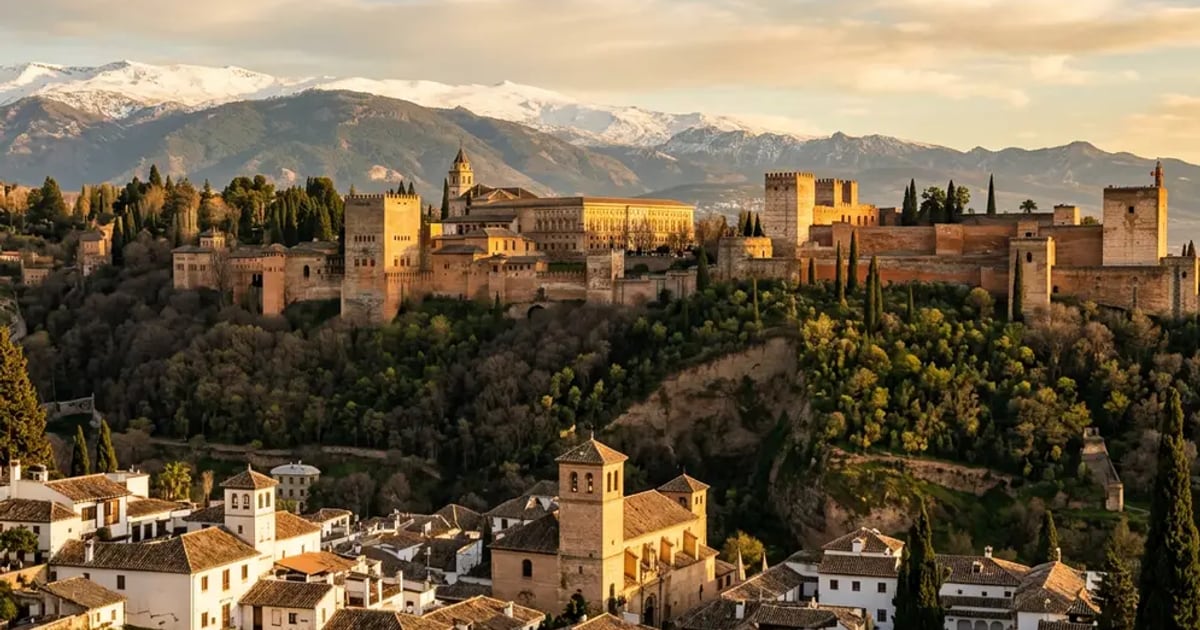
Granada sits at 700 metres on the foothills of the Sierra Nevada, which means the air is cooler than Seville and the walking is hillier. The city's Islamic past is more present here than anywhere else in Spain: the Albaicín quarter still follows its 11th-century street plan, and the Alhambra is a 14th-century Nasrid palace complex that survived the Reconquest intact because Ferdinand and Isabella chose to use it rather than demolish it.
Book the Alhambra before you fix your dates
Nasrid Palace slots at the Alhambra sell out 2–3 months ahead in peak season. Check availability at tickets.alhambra-patronato.es before committing to your travel dates. If the slots are gone, cancellations are released nightly at midnight. There is no walk-up option for the Nasrid Palaces — only the Alcazaba and Generalife are available on the day. The full itinerary below is built around a morning Alhambra slot on Day 1 in Granada.
Day 1 in Granada: full Alhambra + evening tapas
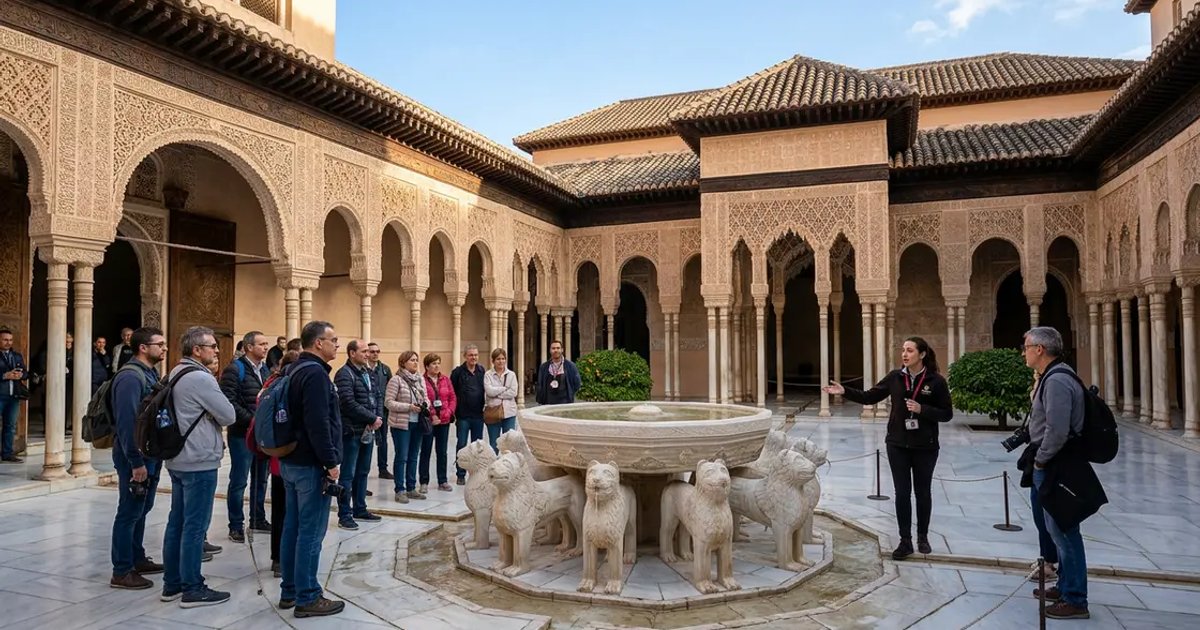
Arrive at the Alhambra 30 minutes before your Nasrid Palace slot. The full complex — Nasrid Palaces, Alcazaba, Partal, and Generalife gardens — takes 4–5 hours done properly. Most visitors on shorter trips skip the Partal (the oldest surviving structure on the hill, usually half-empty) and rush the Generalife (the summer palace gardens with water channels and cypress alleys that smell of jasmine from April through June). Don't. Return to the city by early afternoon: bus C30 or C32 from the Alhambra stops to Plaza Nueva takes 15–20 minutes. Recover with a long lunch, then head to Realejo in the evening for Granada's free-tapas tradition: every drink at a proper bar comes with a different plate of food. Four or five bars across the evening costs €15–20 per person including food.
Day 2 in Granada: Albaicín + Mirador + Sacromonte flamenco
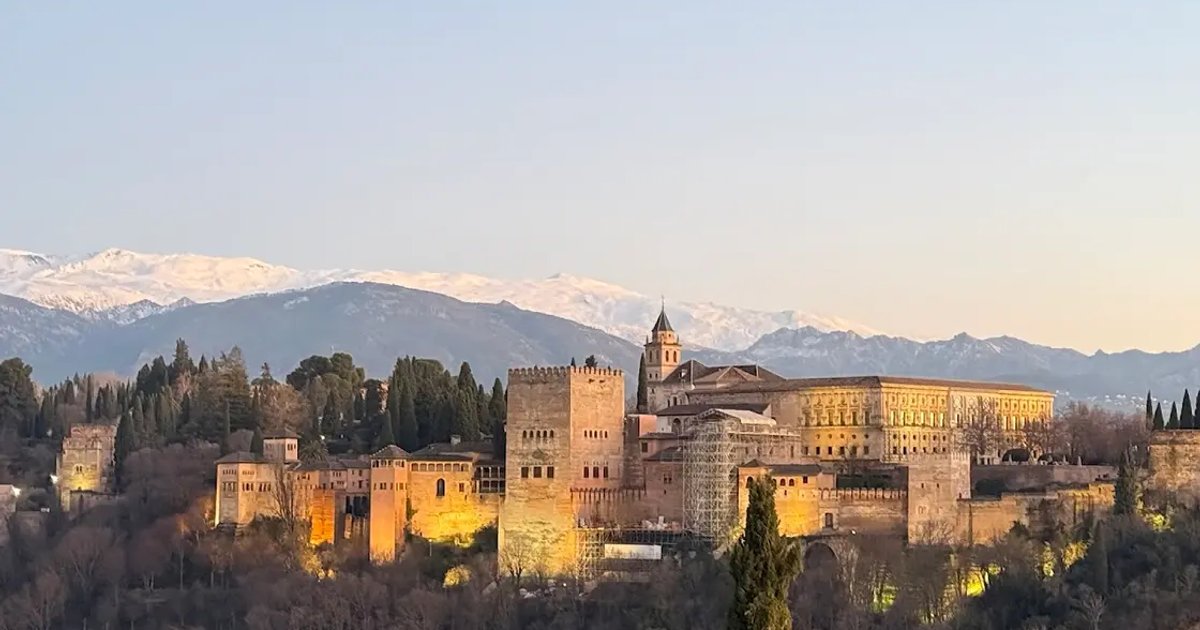
Morning: walk the Albaicín from Plaza Nueva. Follow the Carrera del Darro riverside road (flat, with the Alhambra cliff on one side and the Albaicín hill on the other), then climb into the lanes above. The Bañuelo Arab baths (€2.50, built in the 11th century, star-shaped skylights, usually quiet) open at 10:00 AM on Carrera del Darro — worth 20 minutes. Climb to Mirador de San Nicolás by early afternoon; the view of the Alhambra is best before the tour groups arrive (before 10:00 AM) or in the 45 minutes before sunset. Afternoon: rest. Evening: Sacromonte flamenco in one of the cave peñas (€15–30 show-only; venues seat 20–40 people, book weeks ahead in summer). The full Albaicín guide is at albaicin-granada-guide.
Day 3 in Granada: Cathedral, Royal Chapel, and a quieter pace
The Cathedral of Granada (€5, started 1518, the first Renaissance cathedral in Spain) and the adjacent Royal Chapel (€4, containing the tombs of Ferdinand and Isabella with their original crowns, swords, and sceptres) take 90 minutes together. The Alcaicería — the old silk market, now a lane of spice and ceramics stalls — is two minutes' walk. In the afternoon, consider a day trip to the Alpujarras white villages (ALSA bus to Órgiva, 1h 20m, €10–15 return; car rental €25–40 gives more flexibility), or simply use the afternoon to walk the streets that didn't make the itinerary. The detailed Granada plan is at the 4-day itinerary.
Granada practical notes: Free tapas with every drink is standard in Granada (not a gimmick — the bars enforce it). Walk Calle Laurel de las Tablas and Calle Navas in Realejo; pick bars by whether they're full of locals, not by laminated photo menus outside. Budget €15–20 per person for a full evening including several drinks and food. Stay in lower Realejo or near Plaza Nueva — both are 10–15 minutes' walk from the Alhambra.
Book ahead: key Granada tours
Tours are selected for quality, not commission. We earn a small fee if you book — at no extra cost to you.
The Alhambra and Albaicín tours sell out weeks ahead in spring and summer. Book when you fix your travel dates.
Málaga is the most underestimated city on this route. Most visitors pass through it as an arrival and departure point. Three days is enough to understand that it functions as a proper city: a compact historic centre, a genuine beach culture 10 minutes' walk from the old town, and two good museums in addition to the expected Alcazaba fortress. It is also noticeably cheaper than Seville.
Day 9: Málaga culture
Morning: Picasso Museum (€10, open from 10:00 AM, 2.5 hours — Picasso was born 300 metres away at Plaza de la Merced, and the museum is in the Palacio de Buenavista where his family moved when he was five). Book online to skip the queue. Then: Alcazaba fortress (€3.50, 1.5 hours, an 11th-century Islamic fortress with terraced gardens climbing the hill — the Roman theatre next to it at the base is free to walk through). After lunch: Cathedral (€5, 1 hour, a Renaissance building with only one of its two planned towers — construction stopped in 1765 and never resumed, which is why the locals call it La Manquita, the one-armed lady). Afternoon: Paseo Marítimo walk from the port to the beach, a straight promenade lined with chiringuito restaurants serving fried anchovies and cold beer.
Day 10: beach or day trip
Three options. Beach day: Playa El Palo, 3 km east of the centre (30-minute walk or bus), a local beach rather than a tourist one, with seafood chiringuitos serving the fried-fish lunch that Málaga does better than anywhere in the region. Water temperature runs 15°C in winter to 26°C in August; swimming is comfortable from May through October. Caminito del Rey hike: a gorge trail at El Chorro, 1.5 hours by car or bus, 4–5 hours walking, with advanced booking mandatory (€20–30 guided, plus €15–25 transport). Not for casual walkers — the path runs along cliff faces. Coastal towns: Nerja (50 km east, 1.5 hours by bus) for beaches and the Cueva de Nerja caves, or Frigiliana (a white hillside village 1 hour from Málaga) for a slower afternoon.
Málaga practical notes: The airport train (Cercanías line C1) runs every 30 minutes from the airport to Málaga María Zambrano station (25 minutes, €2.50). From the station, the city centre is 15 minutes on foot. A taxi from the airport is €20–30 flat rate. Stay near the Alcazaba or the port — both are central for the museums and beach.
Budget breakdown: 9 days per person
The main variable is accommodation. Going from a €50 hostel to a €100 hotel adds €450 to the total across 9 nights. Everything else — transport, entry tickets, food — has less elasticity. The figures below assume mid-range (€60–80 per night hotel, mix of tapas and sit-down meals).
Category
Budget level
Mid-range
Comfort
Accommodation (8–9 nights)
€250–450
€480–720
€800–1,350
Intercity trains
€70–100
€70–100
€70–100
Entry tickets (all 3 cities)
€80–120
€165–250
€200–300
Meals (9 days)
€130–180
€180–270
€270–360
Airport transfers
€15–30
€30–50
€50–80
Total
€545–880
€925–1,390
€1,390–2,190
Where to cut costs without losing much
Book trains 6+ weeks ahead: Seville–Granada Avlo fares at €19–25 versus €55 on the day — saves €30–60 per leg.
Eat the menú del día at lunch: Two courses, bread, and a drink for €8–12. The same food as a dinner restaurant at half the price. Restaurants in Seville, Granada, and Málaga all do it; ask for it specifically.
Granada's free tapas: In Granada, every drink comes with a free plate of food at proper bars. Four or five drinks across an evening is dinner for €10–15. This is a local custom, not a gimmick — take advantage of it.
Free monuments: Córdoba's Roman bridge, Seville's Plaza de España, some churches in all three cities. Not everything costs €10.
Flamenco: Book stand-alone show venues rather than tourist restaurants with entertainment. The show costs the same; the food markup at restaurant-flamenco combos is high.
Variations: 7-day and 14-day versions
Compact 7-day version
Cut one night from each city: Seville 2 nights, Granada 2 nights, Málaga 1 night. This means no Córdoba day trip, the Albaicín and Sacromonte compressed into one evening (possible but tight), and Málaga as a half-day before the flight. It works if your main goal is the Alhambra and you're comfortable moving fast.
Day 1: Arrive Málaga, train to Seville
Days 2–3: Seville (Alcázar, Cathedral, flamenco)
Day 4: Train to Granada AM
Days 5–6: Granada (Alhambra Day 5, Albaicín + flamenco Day 6)
Day 7: Train to Málaga, museums, fly home
Extended 14-day version
Add 4–5 extra days distributed as follows: Seville gets a 4th day (day trip to the sherry town of Jerez de la Frontera, 1 hour south by train); Granada gets a 4th day using the full 4-day itinerary including a Sierra Nevada or Alpujarras day trip; Córdoba becomes an overnight stop rather than a day trip (quieter than Seville, €40–60 hotels, good for the synagogues and Jewish quarter beyond the main sights); and Málaga gets 3 full days including the Caminito del Rey hike.
A 14-day trip is the version to consider if you want to reach the Andalusia that exists outside the main monuments. The route stays the same; the pace just slows down enough to find it.
Frequently asked questions
Frequently asked questions
Which airport should I fly into for this Andalusia itinerary?
Fly into Málaga AGP. It handles the most international routes and has the cheapest fares to Andalusia from the UK and northern Europe. From the airport, a Renfe Cercanías train runs to Málaga city centre in 25 minutes for €2.50–3.50. The alternative — Seville SVQ — is smaller, has fewer routes, and costs more. Granada GRX has minimal international service and isn't a realistic starting point for a multi-city trip. Fly into Málaga, take the train to Seville to start the route, and exit from Málaga at the end — you're back at the airport you came in on.
Should I visit Seville or Granada first?
Start with Seville. The classic sequence — Seville first, Granada last — works because Granada's Alhambra is the high-water mark of the trip and benefits from arriving at the end when your eye is trained. Going to Granada first and then Seville produces a slight anticlimax. More practically: flying into Málaga and going north to Seville first means you're moving in a logical geographic loop. Seville to Granada by AVE train takes 2h 40m and runs 7 times a day. Granada to Málaga is 1h 15m. You end the trip at the airport you arrived at.
How do I book trains between the cities?
Buy Renfe tickets at renfe.com or via Trainline. Book 6 or more weeks in advance for Avlo discount fares: Seville to Granada can drop to €19 booked early versus €55 on the day. The Seville–Granada AVE runs 7 times daily; the first morning departure (around 7:00 AM) arrives Granada by 10:00 AM, useful if you want to go straight to the Alhambra. Granada to Málaga trains run multiple times daily (1h 15m, €10–25). Seat reservations are included in the ticket price. Luggage lockers at all three main stations cost €5–8 per item per day.
What is the total budget for 9–10 days in Andalusia?
Budget travellers spending nights in hostels, eating the menú del día, and taking regional buses can get through 9 days for around €850–1,100 per person. A mid-range trip — hotels at €60–80, a mix of restaurant meals and tapas, all major entry tickets, one flamenco show — comes to €1,200–1,600. The main variable is accommodation: going from €50 to €100 per night adds €450 to the total across 9 nights. Book trains 6 weeks ahead (saves €30–80 per leg), use the menú del día for lunch (€8–12 versus €20+ at dinner), and pick bars where the tapas are free with every drink (standard in Granada, hit-and-miss in Seville).
When is the best time to visit Andalusia?
March to May and September to November. Spring gives mild temperatures (20–28°C in Seville, cooler in Granada at altitude), manageable crowds, and clear skies for Mirador sunsets. Autumn is slightly quieter and the light is good. July and August are manageable if you accept the pace: 40°C in Seville means everything slows to a crawl between noon and 5pm, siestas are real, and the cities empty of locals (who go to the coast). If you're visiting in summer, go to Granada rather than Seville for your hottest days — it's cooler by 5–8°C at 700 metres elevation. Avoid Easter week unless you specifically want Semana Santa, when accommodation prices double and everything books out months ahead.
Reporter notebook
Insider tips
Practical observations gathered the way a local journalist would keep them: short, specific, and more useful than brochure copy.
Booking tip
Book trains and the Alhambra on the same day you fix your travel dates
Renfe Avlo fares for the Seville–Granada leg drop to €19–25 when booked 6+ weeks ahead. On the day of travel, the same seat costs €55. The Alhambra Nasrid Palace slots sell out 2–3 months ahead in April, May, and September at tickets.alhambra-patronato.es — there is no walk-up option. Fix your dates, then immediately book both in the same sitting. If Alhambra slots are already gone for your dates, set an alarm for midnight: cancellations are re-released nightly.
Best time
Avoid August — go in October or April instead
August in Seville hits 40°C, which is not a figure that becomes comfortable once you're there. Locals leave. Museums reduce hours. The Alhambra crowds peak and the queues at every monument stretch into the sun. October is 18–22°C, the tourist volumes drop sharply after the first week, and train fares are lower. April is the best month outright: spring flowers on the Generalife terraces, orange blossom in Seville's courtyards, and the full 13-hour days that Andalusia can produce in late April.
Crowd tip
Save Granada for last — the Alhambra lands harder after Seville
Visitors who do Granada first sometimes find Seville anticlimactic. The reverse is not true: the Alcázar and Cathedral are impressive on their own terms, and they prime your eye for Islamic palace architecture without giving away the full thing. Arriving in Granada after three days in Seville, you have context — the Nasrid Palaces are the culmination of everything you've been reading in the tilework and the courtyards. The route also works geographically: fly into Málaga, go north to Seville, east to Granada, south back to Málaga for the flight home.