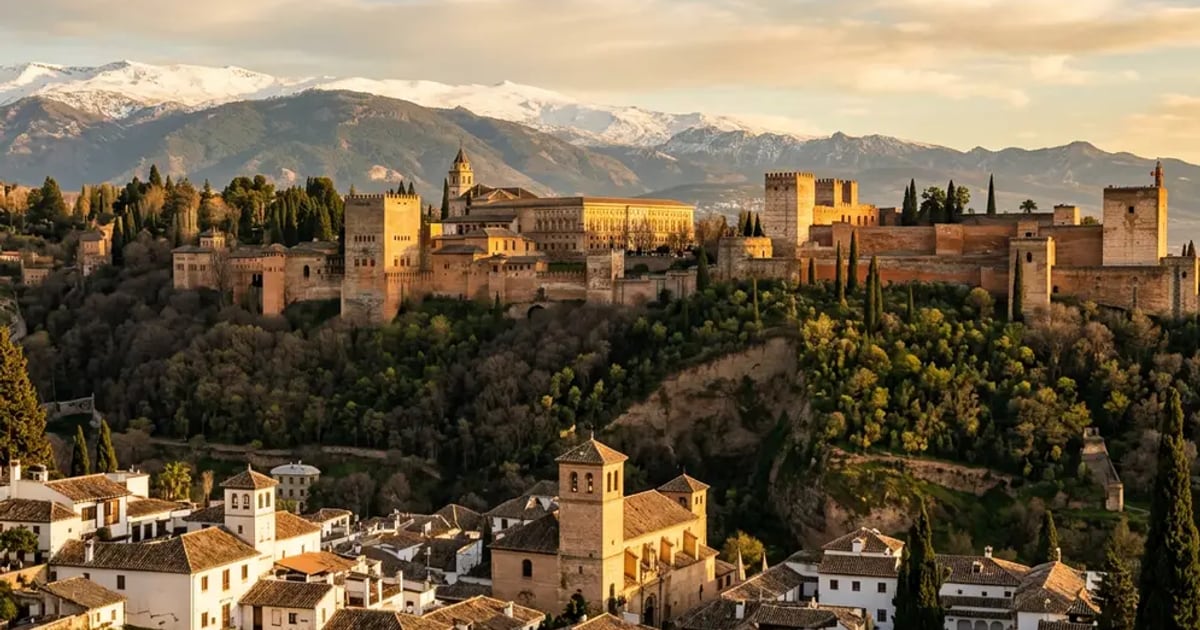
The Alhambra palace and Generalife gardens seen across Granada's rooftops with Sierra Nevada snow-capped in the distance
4 days · 3 nights Pre-booking required

4 Days in Granada: The Slow Traveller's Plan

Four days is enough time to do the Alhambra properly, get lost in the Albaicín, see flamenco in a cave, reach the mountains, and still sit at a bar without watching the clock.

The 1-day visitor sees the Alhambra and leaves. The 2-day visitor adds the Albaicín. The 3-day visitor fits in Sacromonte and a day trip. The 4-day visitor does all of that and then actually notices the city. That fourth day — unhurried, unscheduled in the afternoons — is when Granada stops being a monument route and becomes a place.

This itinerary is written for slow travellers: people who want to stand inside the Nasrid Palaces without shuffling through them at tour-group pace, who want to sit in a Albaicín courtyard until the light changes, who want to take an 8am bus out to the Alpujarras and come back sunburnt and tired rather than ticking off a day trip at speed. It works equally well for first-time visitors who have given themselves proper time, and for repeat visitors returning to go deeper.

The structure: Day 1 is the full Alhambra complex — all four zones, no shortcuts — followed by an evening tapas crawl in the Realejo. Day 2 is a morning walking the Albaicín's lanes and miradores, an afternoon rest, and a Sacromonte flamenco show in the evening. Day 3 covers the sites most visitors miss: the Cathedral and Royal Chapel, the free 11th-century hammam at the Bañuelo, and the lesser-known streets of the historic centre. Day 4 is a full-day trip into the surrounding landscape — the choice depends on your season.

Before you arrive: what to book first

Book the Alhambra before you book your flights

The Nasrid Palaces have timed entry slots that sell out two to three months ahead in spring and summer. There is no walk-up option. Once your travel dates are fixed — ideally before you've bought the flights — check availability at tickets.alhambra-patronato.es. If your dates are sold out, the site releases cancellations each night at midnight. Book the Sacromonte flamenco show in the same session: cave venues fill at the same speed in high season.

Everything else on this itinerary is walk-up or easy to arrange on arrival. Car rental for Day 4 should be arranged the evening before — not weeks ahead, but not the morning of either. Most agencies near Granada city centre offer next-day pickup without surcharge.

Day 1: Full Alhambra complex + Realejo tapas

The Alhambra is the reason most people come to Granada. With four days, you have no excuse to rush it. The full complex covers four distinct zones and takes 4–5 hours done properly. Most visitors on shorter trips skip the Partal or hurry the Generalife. Don't.

8:30 AM — Arrival and Nasrid Palaces

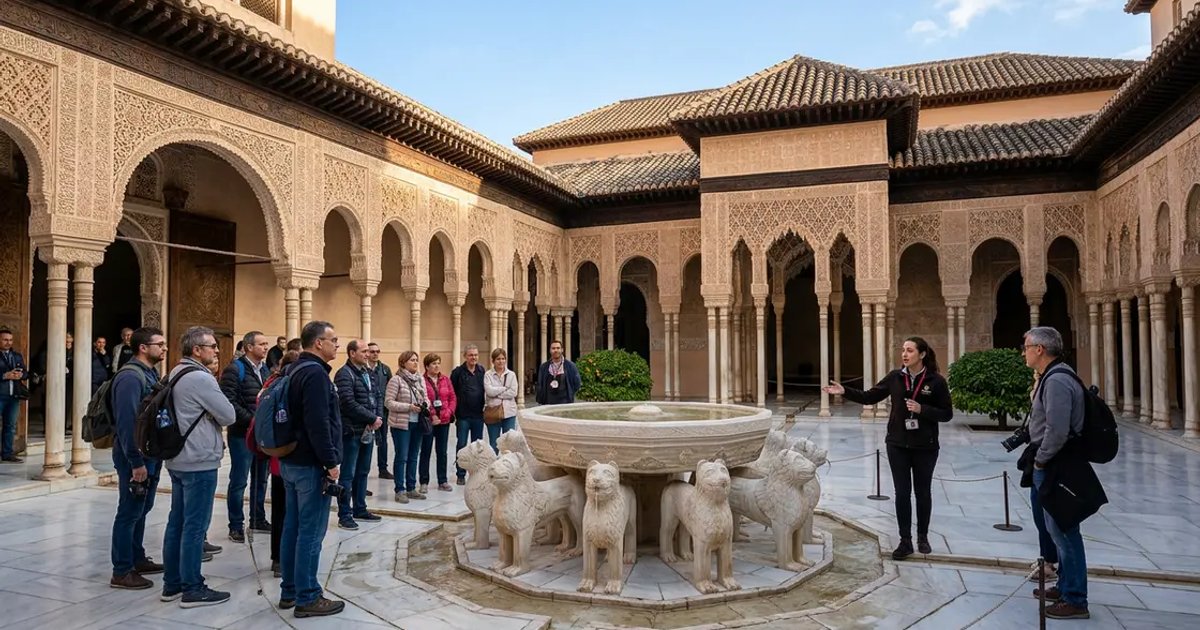
Arrive at the Alhambra 30 minutes before your timed slot. The Nasrid Palaces are the centre of the complex — the 14th-century royal apartments of the Nasrid dynasty, with 856 columns of jasper and marble, carved stucco ceilings 12 metres above your head, and the Patio de los Leones (Court of the Lions), restored to full colour after the 2012 renovation. Your slot lasts 30 minutes but the palaces themselves take 60–90 minutes to walk. The entrance timing is strict; everything after it is your own pace.

After the palaces: Alcazaba, Partal, and Generalife

Move from the Nasrid Palaces to the Alcazaba fortress — the oldest part of the complex, built in the 9th century, with a watchtower terrace that gives the best elevated view of the city. From there, loop east to the Partal: a quieter palace section with a reflecting pool and the oldest surviving structure on the hilltop, often half-empty because visitors run out of energy before reaching it. The Generalife gardens come last — the Nasrid summer retreat, with cypress-lined water channels, rose beds, and a fountain courtyard that smells of jasmine from April through June. On a three-day trip, this is where corners get cut. On four days, it is not a footnote.

Efficient route: Nasrid Palaces → Alcazaba → Partal → Generalife. Total: 4–5 hours.

1:30 PM — Return to city, lunch, rest

Bus C30 or C32 from the Alhambra stops to Plaza Nueva takes 15–20 minutes. Lunch near Plaza Nueva or in the centre: the menú del día at most local restaurants runs €8–12 for two courses, bread, and a drink. Take 1–2 hours to rest at the hotel — the Alhambra adds up to 5+ km of walking over uneven stone, and Day 2 starts on foot as well.

7:00 PM — Realejo tapas crawl

Granada's free-tapas tradition means every drink at a proper bar comes with a plate of food. The Realejo quarter — south of the cathedral, roughly between Campo del Príncipe and Calle Laurel — has the highest concentration of bars that do this honestly. Walk Calle Laurel de las Tablas and the streets off it; pick bars by which ones are full of locals rather than laminated menus. Plan four or five bars. Each drink (€2–2.50) comes with a different tapa; four rounds across two bars is dinner for under €15 per person. The crowd is young and social. On a warm evening, the tables spread out onto Campo del Príncipe and people stay long after the food has run out.

Day 1 budget: Alhambra tickets €14–19 per person (general admission; check current prices at alhambra-patronato.es). Lunch €8–12. Tapas evening €15–20. Total: approximately €40–50.

Day 2: Albaicín, miradores, and Sacromonte flamenco

The Albaicín is Granada's Moorish quarter — a UNESCO World Heritage neighbourhood of whitewashed walls, steep cobbled lanes, and carmen gardens hidden behind locked gates. The 4-day itinerary gives you a genuine morning here rather than a hurried two-hour loop.

9:00 AM — Slow Albaicín walk

Start at Plaza Nueva and walk uphill without a fixed route. The Albaicín rewards wandering: turn left off the main tourist lane (Carrera del Darro) and within 50 metres the guided-tour foot traffic disappears. Stop at the Madraza — a 14th-century Islamic school with an ornate courtyard, usually free or €2 entry — and the Corral del Carbón, a 14th-century caravanserai and the oldest Nasrid building in Granada, free to enter. The Iglesia del Salvador occupies the site of the main mosque of the Albaicín; the courtyard still has the original ablution fountain. Total walk: 2–3 km, 3–4 hours at real pace. Bring water; the lanes are uphill and there are no shops above the lower quarter.

1:00 PM — Lunch and rest

Lunch in the Albaicín itself at a taberna on one of the side streets, or descend to Plaza Nueva and eat there. €8–12 for a full meal. Rest 1–2 hours: the Sacromonte show starts at 9pm and the evening runs late.

4:00 PM — Mirador de San Nicolás

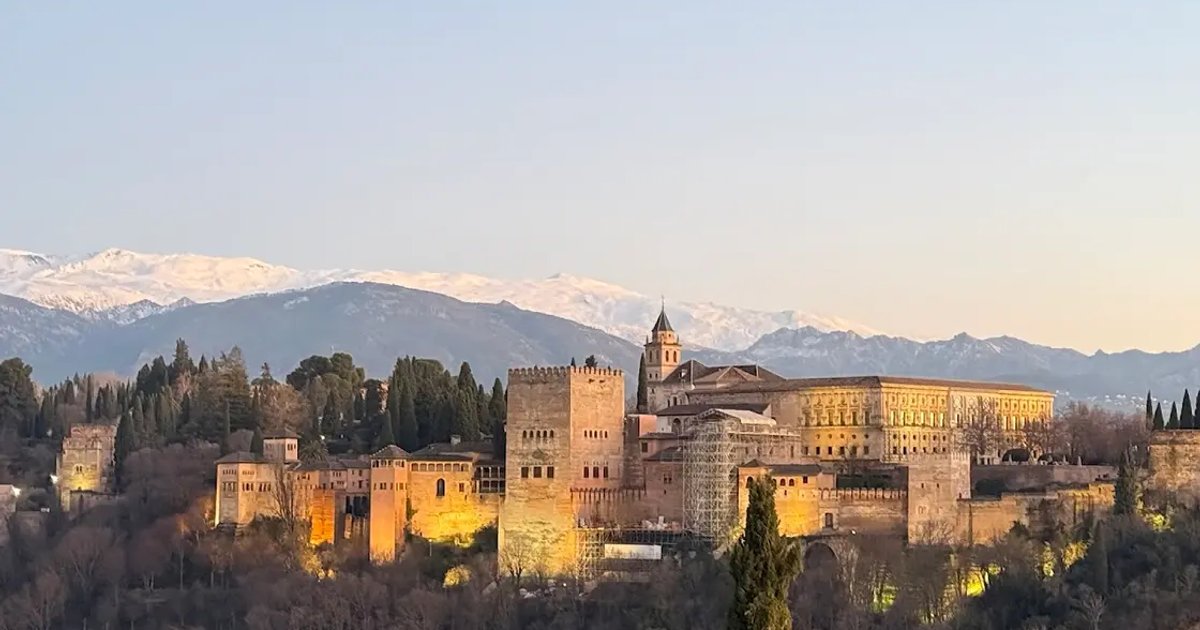
Walk uphill from Plaza Nueva (20–30 minutes, steep). Arrive by 4:30 PM to secure a spot before the tour groups arrive in force. The view: the full Alhambra complex on the facing hill, the Generalife gardens to the right, the Sierra Nevada behind it when the sky is clear. Sunset falls at 6:30–7:00 PM depending on season; the 30-minute window before sunset is when the stone of the Alhambra turns the colour it turns in every photograph. Arrive early, bring a jacket — the hill catches the wind.

9:00 PM — Sacromonte flamenco

The cave peñas of Sacromonte are the authentic version of what tourist shows in Seville theatres approximate. The venues seat 20–40 people in rooms carved into the hillside, the ceilings hung with copper pots and hand-embroidered shawls. Shows last 60–90 minutes and typically include five or six songs and dances. Prices: €15–30 show only, €35–50 with a drink, €50–80 with dinner. Book the show-only option at a recognised cueva; the food is rarely the point. Transport: bus from the city centre (15 minutes) plus a 10-minute uphill walk. Allow 1 hour from your hotel to the venue. This is a must-book: venues sell out weeks ahead in summer.

Day 2 budget: Flamenco show €15–30. Meals €16–24. Total: approximately €35–55.

Day 3: Bañuelo, Cathedral, Royal Chapel, hidden streets

Days 1 and 2 cover the monuments most visitors come specifically for. Day 3 is for the things they miss: the free 11th-century Arab hammam, the tombs of Ferdinand and Isabella, the silk bazaar around the corner from the Cathedral, and the afternoon in the streets that most itineraries skip. It is also the lightest day physically — intentionally so, because Day 4 requires an early start.

9:00 AM — Bañuelo Arab baths (free)

The Bañuelo on Carrera del Darro is the best-preserved Moorish hammam in Spain, built in the 11th century and still retaining its original star-shaped skylights and three vaulted bathing rooms. Entry is free. It takes 20 minutes. Almost nobody goes. The contrast with the Alhambra crowds a kilometre uphill is striking: two or three visitors at most, no audio guide, no gift shop. Stand in the cold room and look at the light coming through the star apertures in the ceiling and imagine this being a functioning bathhouse 1,000 years ago. Then walk up the street.

10:00 AM — Granada Cathedral and Royal Chapel

The Cathedral of Granada, started in 1518 and not finished until 1704, is the first Renaissance cathedral built in Spain. The interior is vast — 116 metres long, 67 metres high at the dome — with a painted wooden main altarpiece and a choir carved by Diego Silóe. €5 entry. The Royal Chapel next door is more intimate: built by Ferdinand and Isabella to house their tombs, which it does, along with their crowns, sceptres, and swords in a small museum. €4 entry. The faces on the marble effigies are portrait-accurate and noticeably older than the triumphalist images in most Spanish royal iconography. Allow 90 minutes for both. Photography is restricted in the chapel; leave the camera in the bag.

11:30 AM — Alcaicería and Madraza

The Alcaicería was Granada's silk market under the Nasrids — the equivalent of a covered souk, burned and rebuilt in the 19th century. What remains is a narrow network of lanes lined with spice stalls, ceramics, and textiles. Tourist-facing, yes, but the spices (saffron from La Mancha, cumin, dried peppers) are real and good value. The Madraza on the same block was a 14th-century Islamic university — its prayer hall has one of the finest examples of Nasrid stucco work in the city, usually without crowds. Free or €2 depending on the day. Worth 15 minutes of your time.

1:00 PM — Lunch and free afternoon in Realejo

Lunch near the Cathedral (€8–12 menu). Then: nothing scheduled. Realejo in the afternoon — Campo del Príncipe if the sun is out, Calle Navas for a beer and a free tapa, or back to the hotel for a genuine rest. Day 4 requires an 8am departure; go to bed early. If you want a final evening out, keep it local and close — the best free-tapas bars are 10 minutes from any hotel in the centre.

Day 3 budget: Bañuelo free. Cathedral €5 + Royal Chapel €4 = €9 combined. Lunch €8–12. Total: approximately €20–25.

Day 4: Day trip to Sierra Nevada or the Alpujarras

The landscape around Granada is as much a reason to come as the city itself. The Sierra Nevada rises to 3,479 metres 30 kilometres south; the Alpujarras white villages sit below the snowline on the southern face of the range. Which you choose depends on when you visit.

Departure time

Leave Granada by 8:00–8:30 AM regardless of destination. All day-trip options involve 45 minutes to 1.5 hours of travel each way, and the parking lots at Sierra Nevada and the Alpujarras village car parks fill by 10am on weekends. Return to the city by 6–7pm to eat in the evening without rushing.

Winter option (December–February): Sierra Nevada skiing

The Sierra Nevada ski resort sits at 2,100 metres, 45 minutes from Granada by car. It is the southernmost ski resort in Europe and one of the sunniest: 300 days of sun per year means skiing in a T-shirt in February is not uncommon. Day lift passes run €40–50; equipment hire is available at the resort. A car is essential: public buses are limited and the road can close after snowfall. Check sierra-nevada.es for snow conditions the evening before. From the top station (3,300m), Granada is visible as a pale smudge on the plain below, 50 kilometres away.

Spring and autumn option (March–May, October–November): Alpujarras villages

The Alpujarras white villages of Pampaneira, Bubión, and Capileira sit between 1,050 and 1,436 metres on the southern slopes of the Sierra Nevada. In April and May, the meadows above 1,500 metres are in full wildflower colour. The villages are tiny: Capileira has 500 permanent residents. They are built of flat-roofed stone houses with chimneys designed to catch the mountain wind. Local food: plato alpujarreño (blood sausage, pork loin, chorizo, jamón, fried egg, potatoes) and local olive oil. Pampaneira has a small weaving cooperative selling Alpujarran rugs and blankets. ALSA buses run from Granada to Órgiva (1 hour 20 minutes, €10–15 return) with connections to Pampaneira and Capileira. A car rental (€25–40 for the day) gives significantly more flexibility; you can walk between villages and be driven back. Allow at least 6 hours on the ground.

Summer option (June–September): Costa Tropical coast

Granada reaches 35–40°C in July and August. The Costa Tropical coast — 40–50 kilometres south — is 8–10 degrees cooler with Mediterranean beaches. Salobreña (a white-walled town on a volcanic rock above a beach) and Almuñécar (larger, more facilities) are the main options. Trains from Granada to Almuñécar take 45 minutes and cost €12–18 return. Go early: beaches fill by 11am in July. The sea temperature in July is around 24°C. Bring a packed lunch rather than eating at beach restaurants, which run tourist prices.

Day 4 budget: Car rental €25–50 (optional but recommended for Alpujarras/Sierra Nevada). Bus alternative €10–15 return. Lunch €12–20. Ski lift pass €40–50 (winter only). Total: approximately €40–80 depending on season and transport.

Book guided tours for your Granada visit

Tours are selected for quality, not commission. We earn a small fee if you book — at no extra cost to you.

Alhambra with expert commentary, sunset walks through the Albaicín, hammam sessions, and flamenco in the caves

Frequently asked questions

Frequently asked questions

What does a 4-day Granada itinerary give you that 3 days doesn't?

The fourth day is where the city stops being a checklist and starts being a place you know. The 3-day itinerary covers the Alhambra, Albaicín, Sacromonte, and a day trip — the essential Granada. Adding a fourth day opens up what most visitors never reach: Day 3 in this plan gives you the Cathedral and Royal Chapel properly, the 11th-century Bañuelo hammam for free (one of the best 20 minutes in the city), the Alcaicería bazaar, and an unscheduled afternoon in Realejo. Day 4 becomes a full day trip into the surrounding landscape without cutting anything from the city. You also stop feeling like you're racing a clock.

Should I do the Alhambra on Day 1 or later in the trip?

Day 1, without question. The Alhambra requires a specific timed entry slot for the Nasrid Palaces — the core of the visit. Your slot is fixed to the minute. If you put it later in the trip and you're tired, jet-lagged, or running behind one afternoon, the visit suffers and there's no recovery. Go first. The adrenaline of arriving in a new city carries you through; by Day 3 you won't want to wake at 8am for anything. Plan 4–5 hours for the full complex: Nasrid Palaces, Alcazaba, Partal ruins, and the Generalife gardens. With four days, you have the time to do all four — don't skip the Generalife to save 45 minutes.

Is the Sacromonte flamenco show worth the money?

Yes, but context matters. The shows in the cave peñas — low-ceilinged, lit with candles and hanging rugs — are nothing like a hotel entertainment act. They seat 20 to 40 people in a space carved into the hillside, and the performers have often grown up in the same neighbourhood. Prices run €15–30 for the show alone, up to €50–80 with dinner included. Book the show-only option at a recognised venue; the restaurant experience is rarely the point. Book weeks ahead in summer. The journey — bus from the centre, then a 10-minute uphill walk into the barrio — is part of the ritual. See the Sacromonte neighbourhood guide for venue recommendations.

Which day trip should I choose: Sierra Nevada or the Alpujarras?

The season decides it. December to February: Sierra Nevada is the obvious choice — skiing or snowshoeing at 2,100 metres with Granada visible on the plain below. A car is essential; lift passes run €40–50. March to May: the Alpujarras are at their best — wildflower meadows above Pampaneira and Capileira, easy hiking on marked trails, and proper mountain food. June to September: both options work, but the Costa Tropical coast (Salobreña or Almuñécar, 40 minutes south) is the third choice that beats the heat. October to November: the Alpujarras for the autumn colour and quiet. Whatever you choose, aim to leave Granada by 8am and return before 7pm. See the Sierra Nevada activity guide for winter specifics. If you are planning a wider Andalusia trip that extends to Seville and Málaga after Granada, the 10-day Andalusia itinerary maps the full route.

Where is the best place to stay for 4 days in Granada?

Lower Realejo or the streets immediately south of Plaza Nueva. Both neighbourhoods sit 10–15 minutes on foot from the Alhambra ticket office, have the highest density of good free-tapas bars, and are close enough to the Albaicín starting point (Plaza Nueva) that you won't need transport on most days. Mid-range hotels in Realejo run €45–70 per night; the 3-star options near Plaza Nueva come in at €60–100. For a 4-day stay, proximity to the tapas bars matters more than a palace view from the window — you'll be spending evenings outside, not in the hotel. Book 3–4 weeks ahead for summer. The Realejo and Albaicín neighbourhood guides have more on what each area feels like to live in for a few days.

Reporter notebook

Insider tips

Practical observations gathered the way a local journalist would keep them: short, specific, and more useful than brochure copy.

Booking tip

Book the Alhambra before you book your flights

Nasrid Palace slots sell out two to three months ahead in April, May, and September. Check availability at tickets.alhambra-patronato.es before committing to travel dates — there is no point arriving without a slot. At midnight each night, cancellations are re-released; if your dates are sold out, set an alarm. Book your Sacromonte flamenco show the same session: cave venues seat 20–40 people and fill at similar speed in high season.

Best time

Day 3 is your lightest day — use it to recover pace

By the third day in Granada, the accumulated walking — Alhambra, Albaicín's cobbled lanes, Sacromonte's hill — adds up to 15+ km of mostly uphill terrain. Day 3's programme (Cathedral, Bañuelo, Realejo streets) is intentionally flatter and less time-pressured than Days 1–2. Don't fill it with extras. The Bañuelo takes 20 minutes; the Cathedral and Royal Chapel take 90. Leave the afternoon unscheduled. You'll discover something better than anything you could have pre-planned.

What to bring

Pack two pairs of walking shoes — the streets will destroy one

Granada's historic centre runs almost entirely on uneven cobblestone, worn marble, and steep limestone paths. A pair of trainers that feels comfortable on Day 1 will be aching by Day 2. Bring a second pair and alternate. Water bottles are essential: Granada tap water is safe and cold, and refilling at bar counters or street fountains saves you spending €2 every time you're thirsty. The Albaicín and Sacromonte ascents are 80–100 metres of elevation gain. Allow more time than you think.

Crowd tip

Mirador de San Nicolás is crowded by 4pm — go earlier or much later

The view of the Alhambra from Mirador de San Nicolás is the most photographed in Granada. By 4pm, tour groups and day visitors have arrived and the terrace is shoulder-to-shoulder. Go at 10am instead — the light is cleaner, the crowd is thinner, and the street musicians haven't set up yet. Alternatively, go at dusk on Day 3 when you have nowhere else to be. The Alhambra lit against the darkening Sierra Nevada is the image people take home, but the real version is more interesting than any photograph.