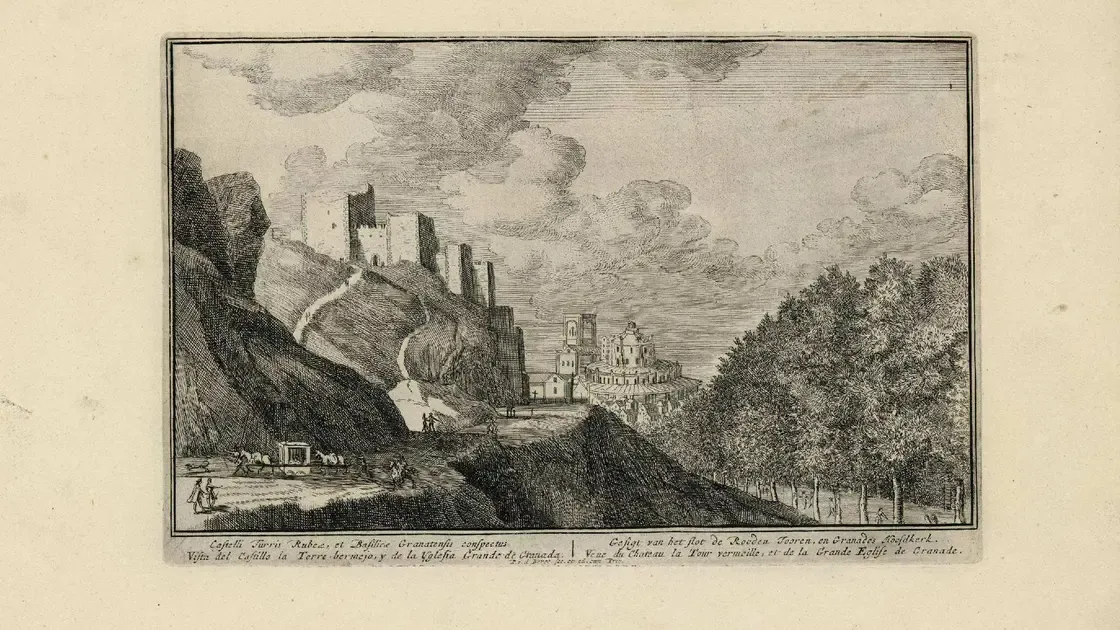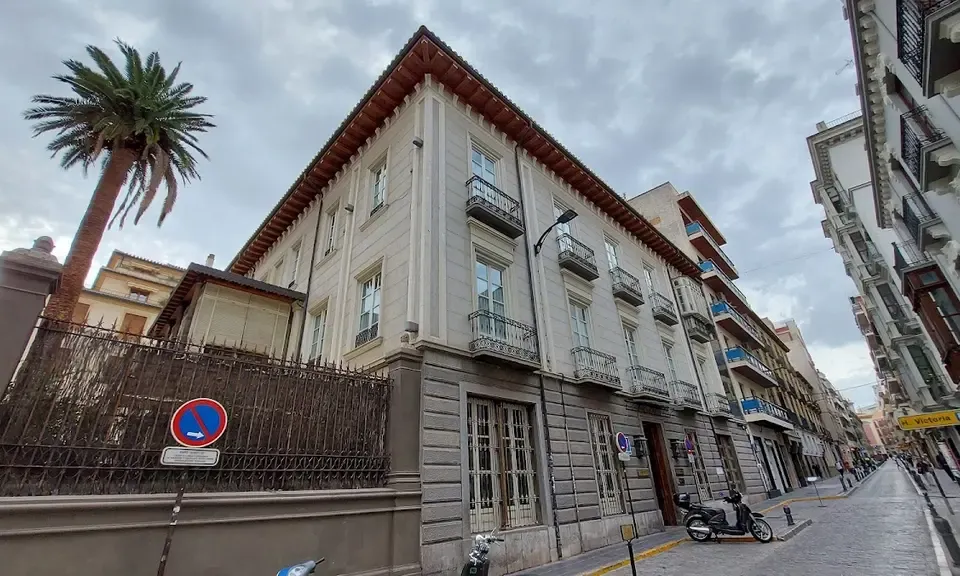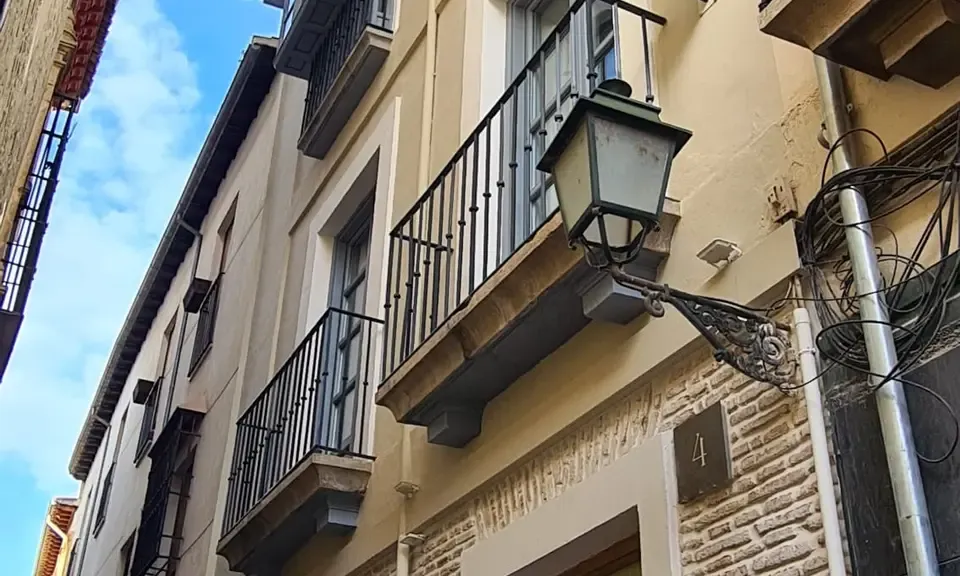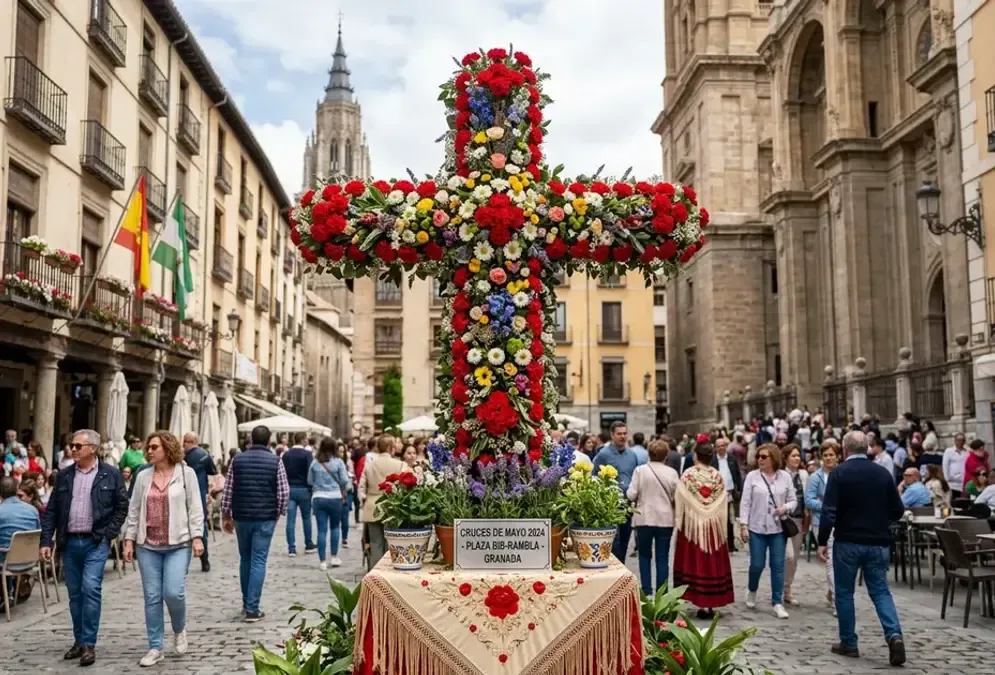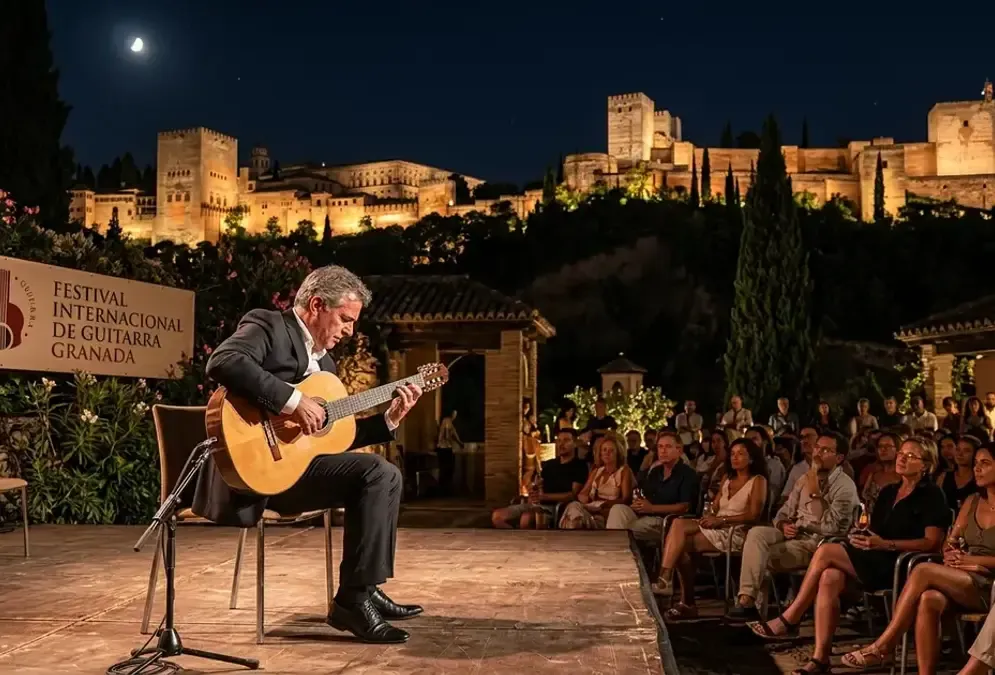
Panoramic view of the Realejo: Granada's Former Jewish Quarter neighborhood
Neighborhood of Granada

Realejo: Granada's Former Jewish Quarter

A layered neighbourhood of Sephardic memory, Renaissance palaces, street murals, and some of the most concentrated tapas culture in the city

Medieval Granada's Jewish quarter, now a neighbourhood of historic palaces, street art, and the city's finest tapas bars — all at the foot of the Alhambra.

All neighborhoods

The Realejo sits at the southern foot of the Alhambra hill, where the palace complex meets the city. For more than a thousand years, from Roman times through the Nasrid era, this was Garnata al-Yahud — Granada of the Jews — a Sephardic quarter that at its peak housed more than 20,000 people and functioned as one of the intellectual and commercial centres of Al-Andalus. Poets, physicians, and merchants worked here under a relative tolerance that was unusual for medieval Europe. Samuel ibn Naghrela, the 11th-century Jewish vizier of the Granadan caliphate, had his palace somewhere in these streets.

In 1492, the same year Columbus sailed west, the Catholic Monarchs expelled Granada's Jewish population. Synagogues were demolished. The quarter was renamed Realejo and given over to military use, then gradually absorbed into the city's ordinary fabric. What remained was the street plan: sinuous lanes that still follow the logic of medieval property lines, punctuated by carmen gardens that spill white and pink over old stone walls in spring.

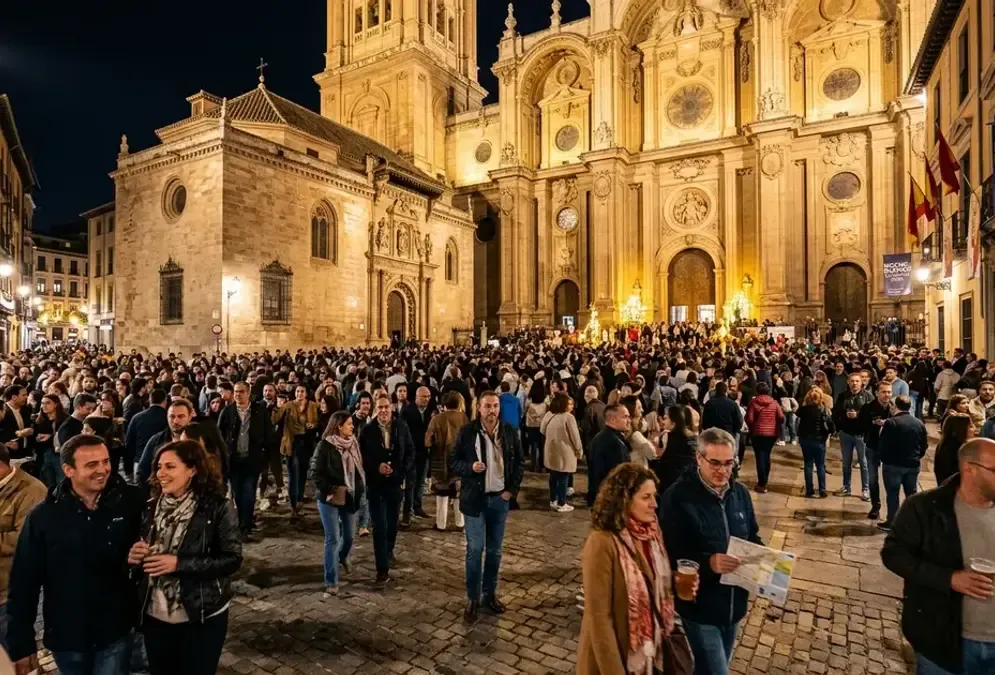
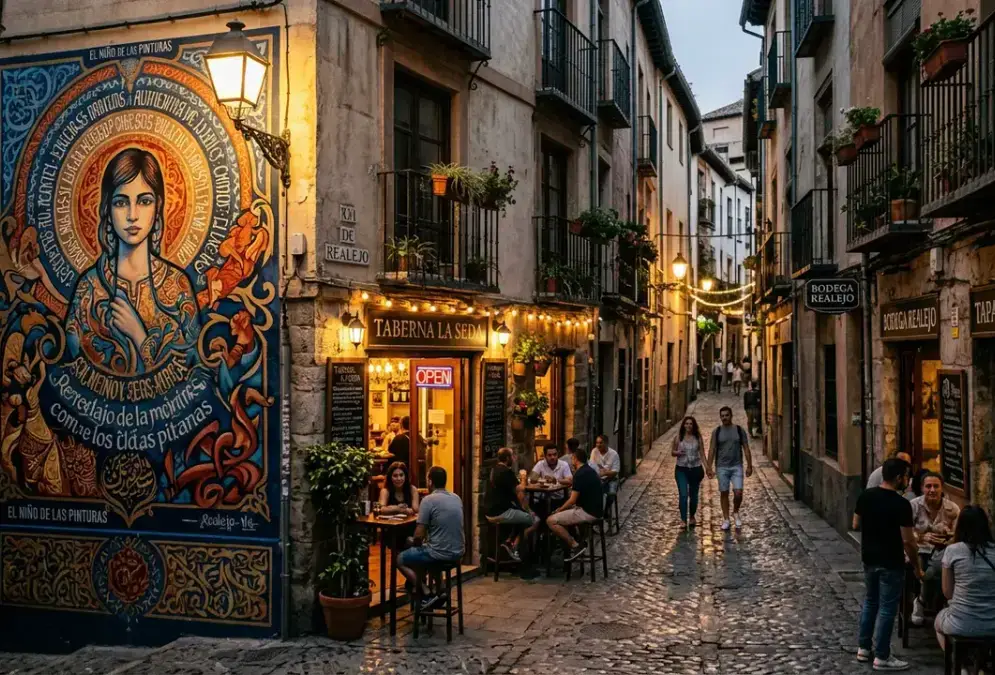
Today the Realejo is among Granada's most appealing neighbourhoods for a half-day without an agenda. The Campo del Príncipe — a wide square at the neighbourhood's heart — is ringed by restaurants and bars and fills up in the early evening when locals come down from the surrounding streets. The area has also become Granada's centre for street art: large-scale murals on the blank walls of residential blocks, most of them commissioned rather than unauthorised, with work by Spanish and international artists. The contrast between Renaissance palace facades and contemporary painted murals one block apart is one of the more interesting accidental juxtapositions in the city.

Monuments and memory

No synagogue survives from the medieval Jewish quarter. What the Realejo holds instead is architecture from the decades after 1492: the Casa de los Tiros, a 16th-century fortified palace with five arquebus barrels projecting from its facade, now a provincial museum of Granadan history and culture; the Corral del Carbón, the only surviving Nasrid funduq (merchant inn and warehouse) in Spain, now used as a cultural venue and box office; and the quiet lanes around Calle de los Molinos, where 15th and 16th-century cármenes preserve some of the oldest inhabited gardens in the city.
Monuments to visit

Where to eat

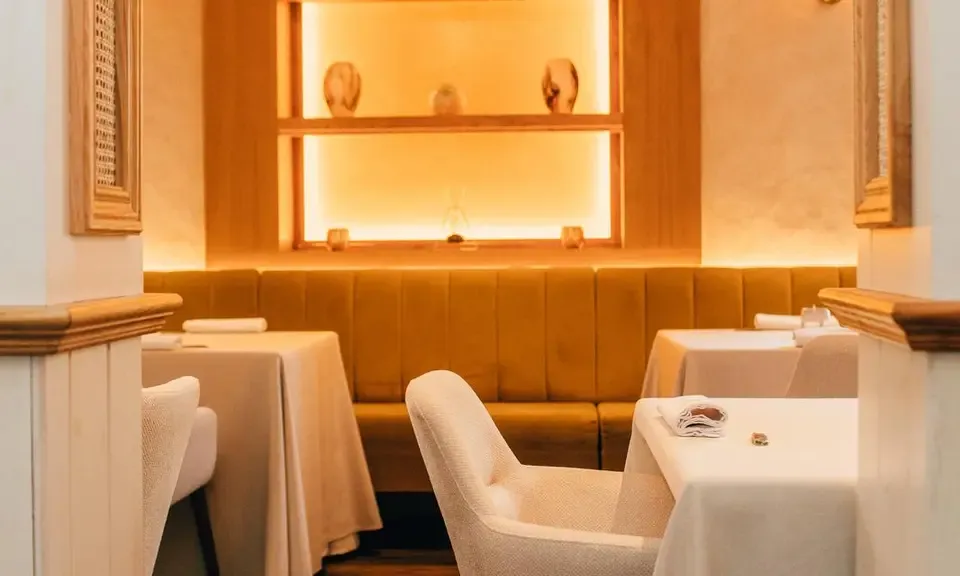
Restaurant Faralá
Modern Andalusian, Michelin-starred
4.6
€74–€120 tasting menu (three tiers), wine pairings available

Faralá

Chef Cristina Jiménez holds Granada's Michelin star (2026) in the Realejo. Three tasting menus from €74 to €120. Live flamenco bar runs below the dining room.

Three-tier tasting menus (€74, mid-range, and €120) Modern Andalusian cooking with Michelin-star precision Fish sourced from Granada's Costa Tropical coast Live flamenco bar on the lower floor
Realejo / Jewish Quarter View

Where to stay

Events in this neighborhood

Frequently asked questions

Why is Realejo called the Jewish Quarter?

The Realejo was the Jewish quarter of Nasrid Granada for more than a thousand years, known as Garnata al-Yahud. Jewish families, scholars, and merchants lived here in significant numbers from Roman times through the 15th century. The community was expelled by royal decree in 1492, and the quarter was renamed Realejo. No synagogues from the medieval period survive, but the street plan still reflects the medieval layout.

What are the best tapas bars in the Realejo?

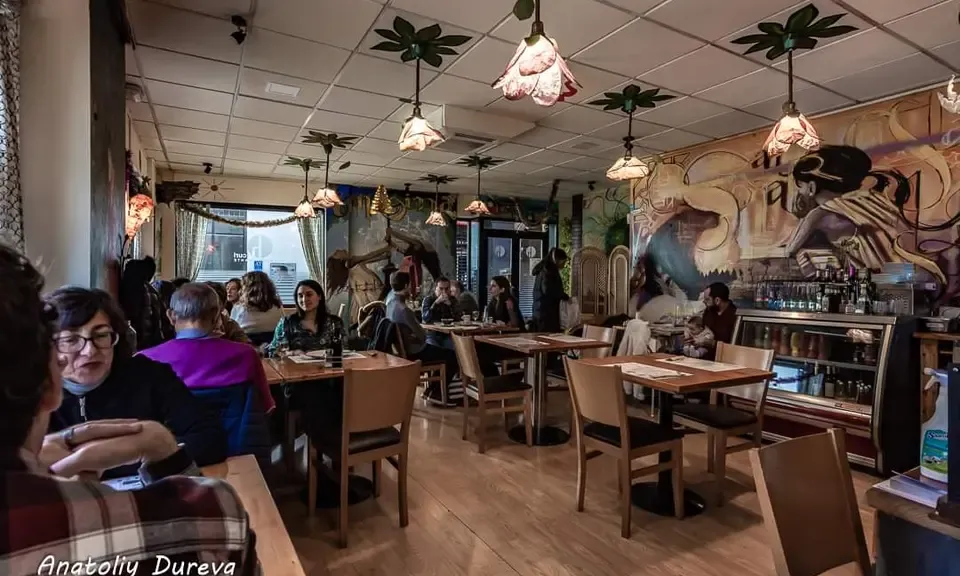
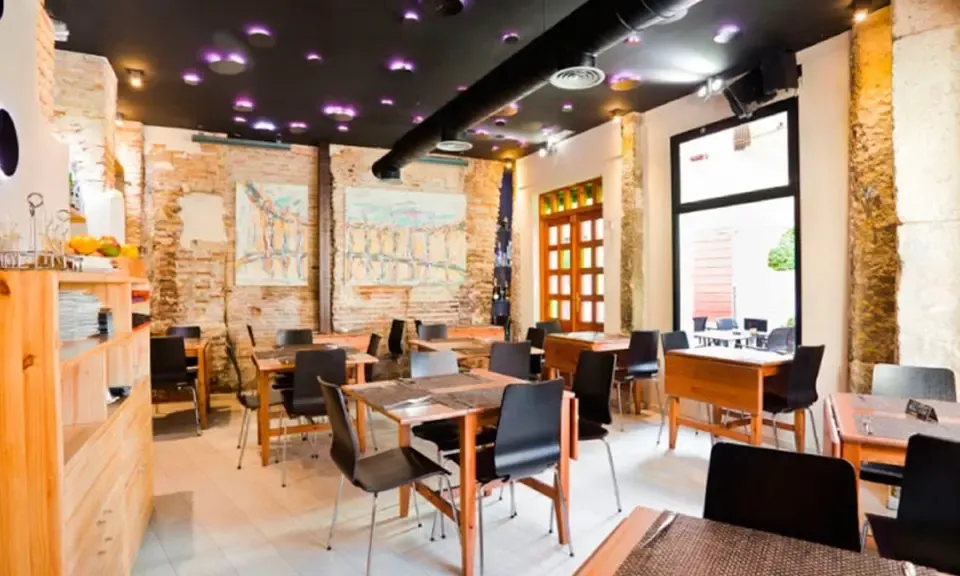
The streets around Campo del Príncipe are the most concentrated tapas zone in the Realejo. Granada's tapas tradition means drinks come with free food — a glass of wine or beer typically arrives with a small plate. The square and the lanes leading off it have a good mix of traditional bars and newer spots.

Is the Realejo far from the Alhambra?

No — the Realejo runs right up to the southern base of the Alhambra hill. The Puerta de las Granadas (Gate of the Pomegranates), the main pedestrian entrance to the Alhambra grounds, is a short walk uphill from Campo del Príncipe. Many visitors use the Realejo as a base before or after their Alhambra visit.

What is the Casa de los Tiros?

A 16th-century fortified urban palace built shortly after the Christian conquest of Granada. Its unusual facade features five stone cannon projections — 'tiros' means shots in Spanish. Today it houses the Museum of Memory of Andalusia, with exhibits on Granadan history, culture, and the Washington Irving era. Entry is free for EU citizens.

Go further

Discover other neighborhoods