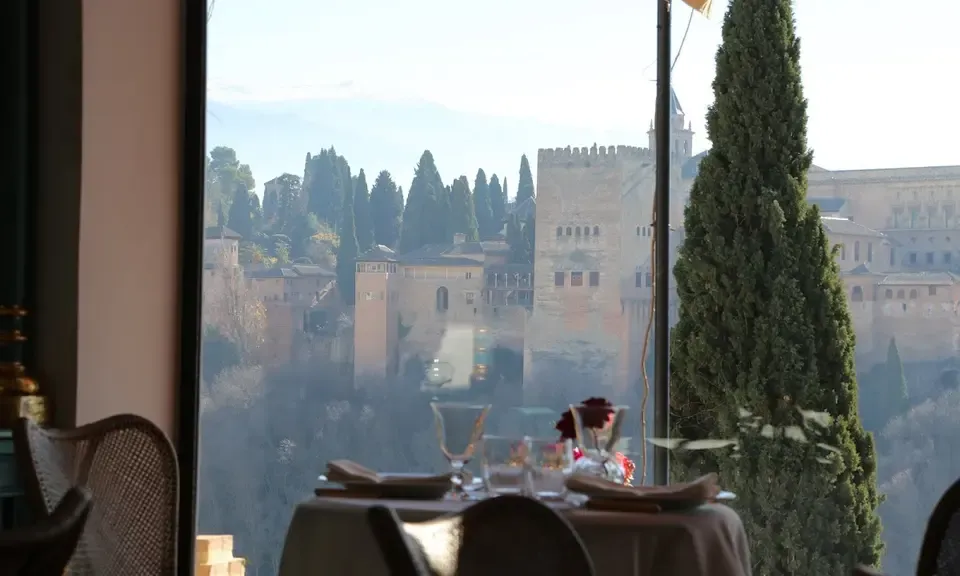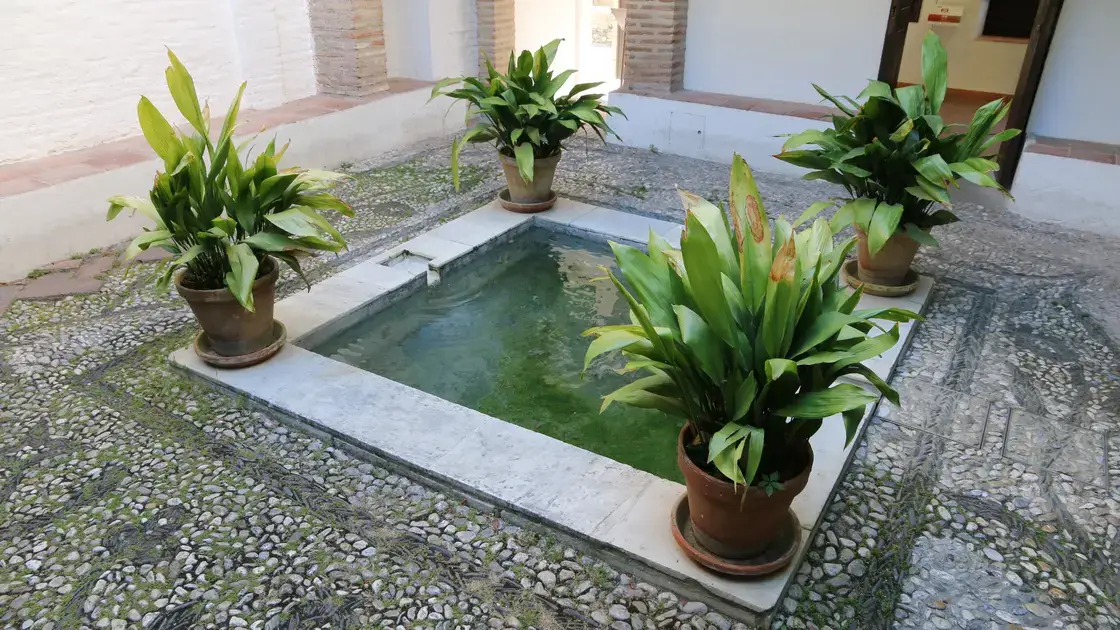
El Bañuelo sits at number 31 on the Carrera del Darro, the road that follows the Darro River through the Albaicín quarter at the base of the Alhambra hill. It is the oldest Arab bath in Andalusia accessible to the public and one of the best-preserved hammams in the entire Iberian Peninsula. The building dates to the 11th century, traditionally attributed to the Zirid period, though some researchers suggest it may have been built later under the Almoravids or early Almohads. What is certain is that it predates the Nasrid dynasty and survived centuries of neglect in remarkably good condition.
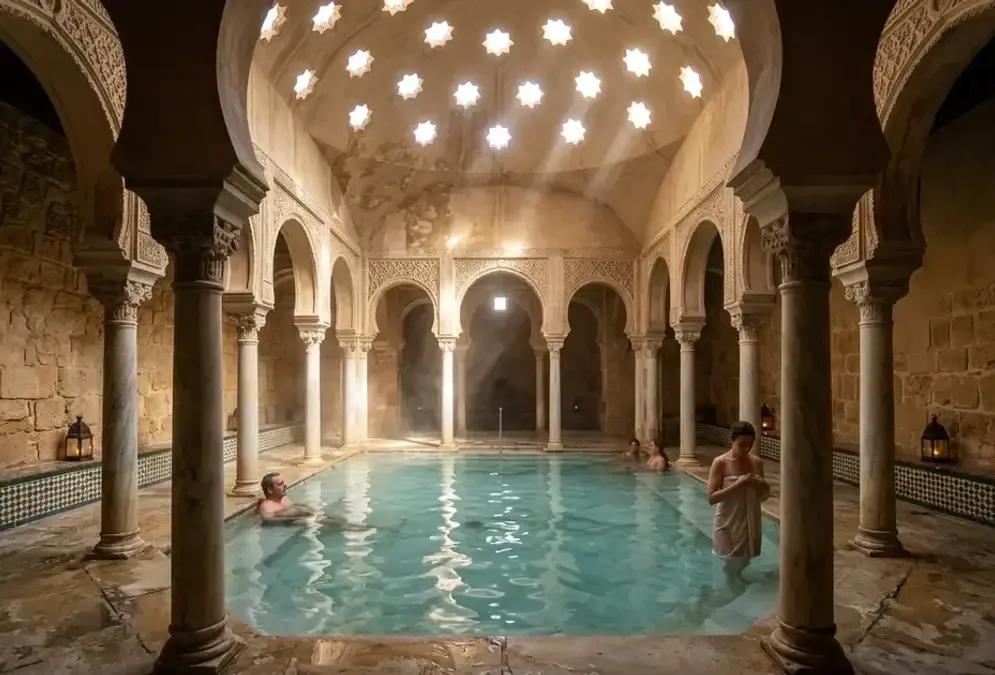
The hammam follows the standard sequence of rooms used in Islamic bathing culture: a changing room, a cold room, a warm room, and a hot room. The star-shaped holes pierced in the barrel vaults of the warm and hot rooms served a double function: they admitted filtered light and released steam, regulating temperature in the absence of mechanical ventilation. The columns supporting these vaults are Roman, Visigothic, and Caliphal in origin, reused spolia, a common practice in early Andalusian construction. Seeing three different shaft styles and capital types side by side in a single space is one of the small pleasures of the visit.
The baths continued in use after Granada fell to the Catholic Monarchs in 1492. The Morisco population, permitted to remain under the terms of surrender, kept the hammam operating until the early 16th century, when it was converted first into a laundry and then into a residential dwelling. By the 19th century it had been almost completely absorbed into surrounding houses. Leopoldo Torres Balbás, the architect responsible for restoring much of the Alhambra, began excavating and restoring El Bañuelo in 1927, gradually returning it to something close to its medieval form.
The baths are managed by the Junta de Andalucía and can be visited with the Monumentos Andalusíes combined ticket, which also covers the Palacio de Dar al-Horra and the Casa Horno de Oro nearby. Opening hours are limited to Tuesday through Saturday mornings. The visit is self-guided and takes about 20 to 30 minutes. Arriving early is advisable, as the changing room entrance is small and only a handful of visitors can move through the rooms comfortably at once.