Guide

Best Flamenco in Granada

Where to experience real flamenco in Granada: Sacromonte cave zambra shows, the oldest peña (est. 1949), and sunset walks with live street performers.

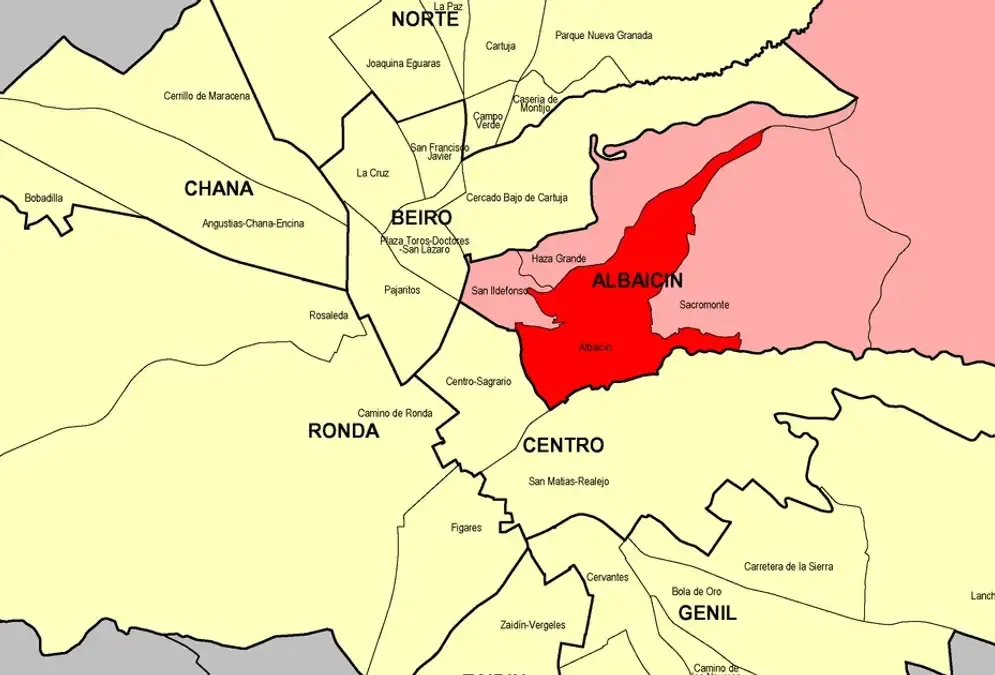
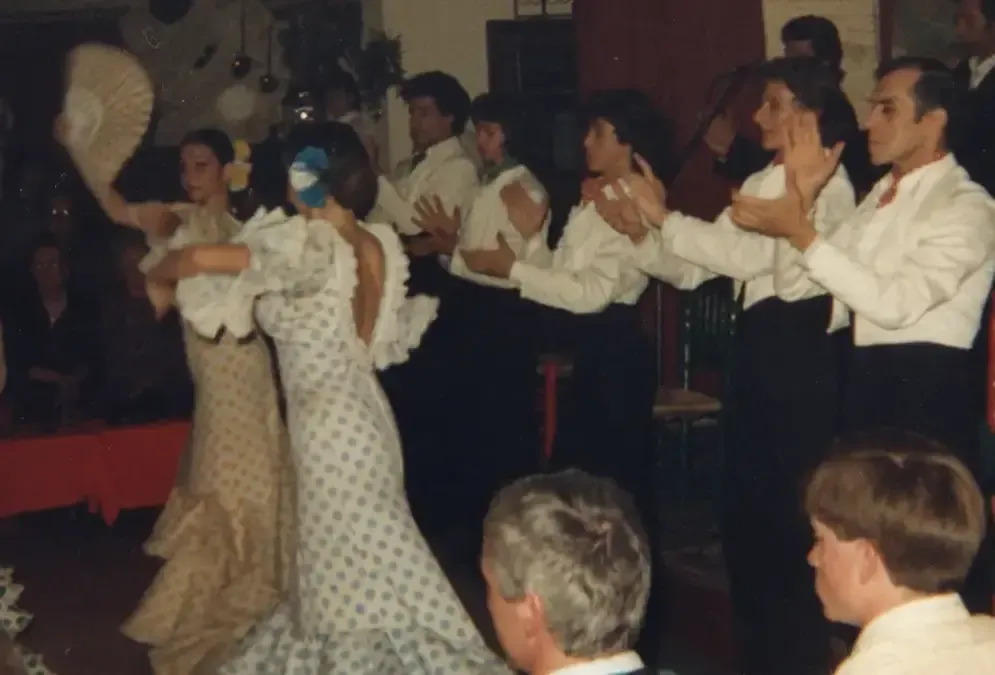
Granada's claim on flamenco is older and more specific than the city usually advertises. The Sacromonte quarter is where the Roma community developed zambra gitana in the limestone cave dwellings of the Barranco de los Negros, folding Moorish Arabic musical forms into a performance tradition that has run in these same caves since the 16th century. This is not the polished tablao flamenco you get in Seville or Jerez. The room is a cave. The acoustics are rock. When the footwork lands, the bench shakes.

But the cave shows are only one version of what Granada has. Peña La Platería, the city's oldest flamenco club, has been running in the Albaicín since 1949 for an audience that attends because it knows the difference between a strong falseta and a lazy one. The sunset walk through the upper Albaicín lanes finds flamenco in courtyards, unannounced, at a scale where you can see the guitarist's left hand.

This guide covers five ways to encounter flamenco in Granada, from the most immersive to the most contextual. The cave zambra shows are where most visitors start, and rightly so. The peña, the museum, and the walking tours fill in what the cave shows can't tell you: where the form came from and what it sounds like when the packaging is stripped back.

Ranked list

How we chose

The places on this list were selected against the following editorial criteria.

  • Authenticity — preference for venues with deep local roots and non-tourist-primary audiences
  • Flamenco style — zambra gitana and cante jondo forms over polished tablao productions
  • Intimacy — smaller venues where the performer-audience distance is minimal
  • Historical context — whether the experience connects to the actual origins of Granada flamenco
  • Practical value — clear pricing, booking logistics, and realistic expectations

Reporter notebook

Insider tips

Practical observations gathered the way a local journalist would keep them: short, specific, and more useful than brochure copy.

Booking tip

Book the cave show venue directly, not through a large platform

Booking directly with Cueva de la Rocío, Los Amayas, or Venta El Gallo means you can ask for specific seats. Cave seating is arranged in a U-shape around the performance area. The difference between the front bench and the back row in a 40-person space is considerable. Agencies assign whatever seats remain after direct bookings fill.

Best time

Visit the cave museum the afternoon before a cave show

The Sacromonte Cave Museum closes at 18:00 in winter (20:00 in summer), and the cave shows start at 19:45. The timing works: spend 90 minutes at the museum understanding the history, then walk or take Bus C34 up to the cave quarter for the show. The flamenco cave in the museum explains what zambra is and where it came from. You will listen differently that evening.

Top picks

Flamenco Show in Sacromonte Caves

Zambra flamenco in the Sacromonte caves is the baseline experience. Shows run nightly from 19:45 in limestone cave venues holding 20 to 60 people: family-run operations where the form has been performed in the same spaces since the 16th century. The combination of Roma musical tradition, Arabic rhythmic roots, and zero amplification is specific to Sacromonte and impossible to replicate on a stage. Basic ticket from €26; the €33 package adds a drink, a cave tour, and transport from the city centre. Book at least 48 hours ahead. In July and August, well-regarded venues sell out 3 to 5 days in advance.

Peña La Platería

Peña La Platería is Granada's oldest flamenco peña, operating as a private members' club in the Albaicín since 1949. Non-members can attend on scheduled open nights (typically Thursdays and selected weekends, 5 to 10 shows per month) at around €12–15, roughly half the price of a cave show. What distinguishes it: the audience is local, attentive, and there because it follows the artists personally. No theatrical lighting, no MC, no minimum spend. A guitarist, a singer, and a dancer perform to a room that knows the cante well enough to respond at the right moments. The contrast with the tourist-facing cave shows is real. Both are worth doing; they answer different questions.

Sunset Albaicín Walk for Couples

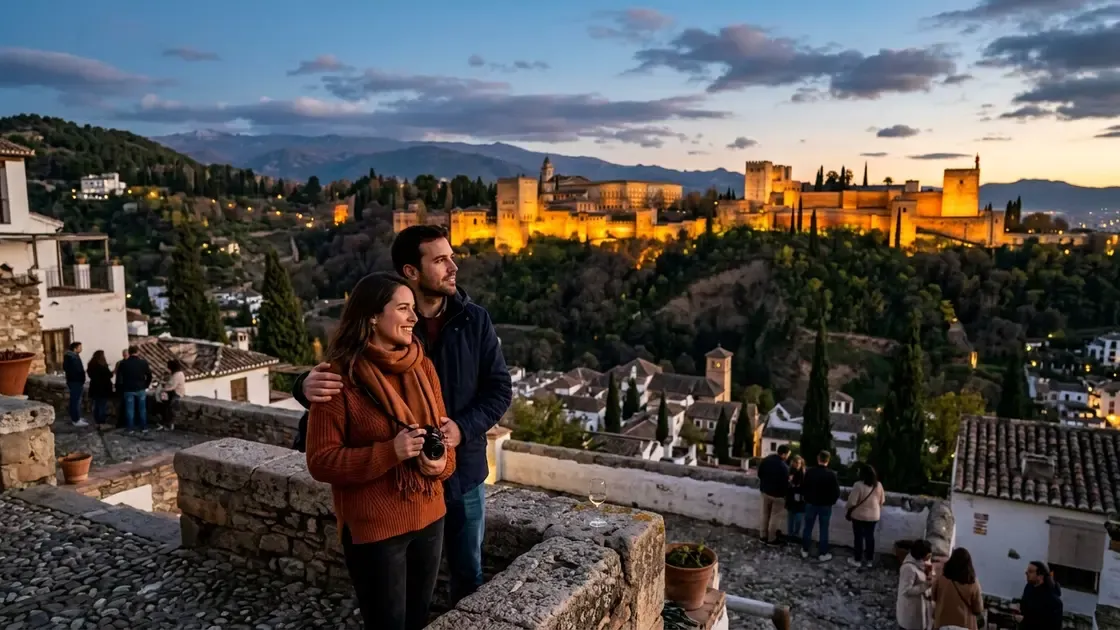
The sunset walk through the Albaicín finds flamenco where the caves and the peña don't: in the upper lanes of the Moorish quarter, in courtyards and on terraces, with no stage between the performers and the 10 or 12 people standing in front of them. The better operators time the flamenco element before the final ascent to Mirador de San Nicolás, so the performance is against cool stone walls with the evening air, not at the end of a long walk. Tickets run €25–45 per person, with flamenco typically included from the €35 tier. Book 3 to 4 days ahead in spring and summer.

5 places
  1. Flamenco Show in Sacromonte Caves

    Flamenco Show in Sacromonte Caves

    Zambra flamenco in the Sacromonte caves is the baseline experience. Shows run nightly from 19:45 in limestone cave venues holding 20 to 60 people: family-run operations where the form has been performed in the same spaces since the 16th century. The combination of Roma musical tradition, Arabic rhythmic roots, and zero amplification is specific to Sacromonte and impossible to replicate on a stage. Basic ticket from €26; the €33 package adds a drink, a cave tour, and transport from the city centre. Book at least 48 hours ahead. In July and August, well-regarded venues sell out 3 to 5 days in advance.

    Show
  2. Peña La Platería

    Peña La Platería

    Peña La Platería is Granada's oldest flamenco peña, operating as a private members' club in the Albaicín since 1949. Non-members can attend on scheduled open nights (typically Thursdays and selected weekends, 5 to 10 shows per month) at around €12–15, roughly half the price of a cave show. What distinguishes it: the audience is local, attentive, and there because it follows the artists personally. No theatrical lighting, no MC, no minimum spend. A guitarist, a singer, and a dancer perform to a room that knows the cante well enough to respond at the right moments. The contrast with the tourist-facing cave shows is real. Both are worth doing; they answer different questions.

    Flamenco
  3. Sunset Albaicín Walk for Couples

    Sunset Albaicín Walk for Couples

    The sunset walk through the Albaicín finds flamenco where the caves and the peña don't: in the upper lanes of the Moorish quarter, in courtyards and on terraces, with no stage between the performers and the 10 or 12 people standing in front of them. The better operators time the flamenco element before the final ascent to Mirador de San Nicolás, so the performance is against cool stone walls with the evening air, not at the end of a long walk. Tickets run €25–45 per person, with flamenco typically included from the €35 tier. Book 3 to 4 days ahead in spring and summer.

    Guided Tour
  4. Sacromonte Cave Museum

    Sacromonte Cave Museum

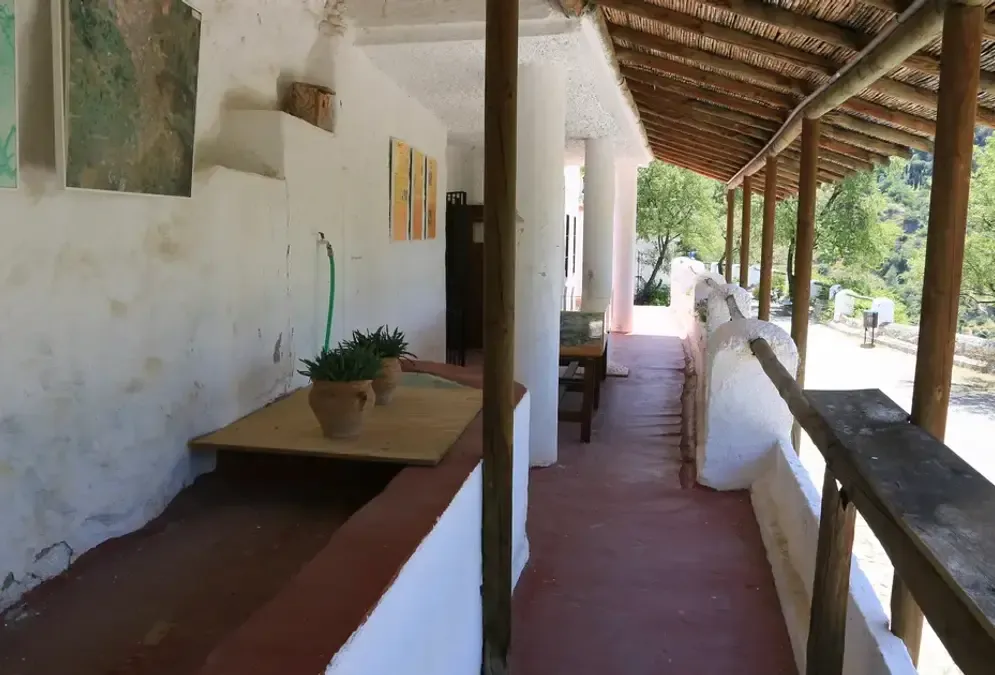
    The Sacromonte Cave Museum (Museo Cuevas del Sacromonte) is the place to understand where the music actually came from before you hear it. Eleven original cave dwellings restored to their early 1900s condition (not a reconstruction), including a dedicated flamenco cave that explains how Roma families in these spaces developed zambra from Arabic ceremonial forms after 1492. Entry is €5. The museum's terrace viewpoint looks at the Alhambra from a different angle than the Albaicín mirador. Do this visit the afternoon before an evening show: the museum closes at 18:00 in winter, 20:00 in summer. Take Bus C34 from the city centre; the walk up is steep and inadvisable in July and August.

    Experience
  5. Albaicín Walking Tour

    Albaicín Walking Tour

    The Albaicín walking tour is not primarily a flamenco experience, but the better guides know the quarter well enough to move through it at the right pace and the right time of day, and in doing so they catch what the official shows miss: a guitarist practising in a doorway, voices from a carmenes garden, a small group of performers that draws a street crowd. Free walking tours run on a tip-based model (€5–10 at the end); paid tours from €15. Start the tour from Plaza Nueva in the early morning or at sunset, not midday in summer when the narrow lanes trap heat. The Albaicín was the Moorish quarter of medieval Granada, and the street layout tells that history in ways the cave shows cannot.

    Guided Tour

Flamenco in Granada runs from €12 at Peña La Platería to €65 for the full cave dinner-and-show package. The cave venues are the obvious starting point, but they make most sense once you know what zambra is and where it came from (the Sacromonte Cave Museum covers this for €5, open daily). Book the cave show first, visit the museum the afternoon before, and consider Peña La Platería on a Thursday if your schedule allows. The peña runs 5 to 10 shows a month: check the programme at laplateria.org.es before heading into the Albaicín. For the sunset walk, the €35 tier with live flamenco is worth the premium over the standard guided walk. Couples should book 3 to 4 days ahead in spring and summer, as the good time slots sell out. The Albaicín walking tour needs no booking on the free tip-based version; paid tours can be arranged 24 hours ahead outside peak season.

Frequently asked questions

What is zambra flamenco and why is it specific to Granada?

Zambra is the flamenco style native to the Sacromonte neighbourhood, developed by the Roma community in the limestone cave dwellings of the Barranco de los Negros from the 16th century. It incorporates Arabic ceremonial dance and musical forms that survived the 1492 conquest of Granada. Unlike the formalised tablao styles from Seville or Jerez, zambra is more fluid and improvisational, performed in the same cave spaces where the community also lived and ate. The cave acoustics are part of the sound: no microphones, no amplification, just rock.

How much does flamenco cost in Granada?

The range is wide. Peña La Platería open show nights cost €12–15. The Sacromonte cave shows start at €26 (show only) and go to €33 (show, drink, cave tour, transport from city centre) and €65 for the dinner package. The sunset Albaicín walk with live flamenco runs €35–45 per person. The Albaicín walking tour is free on the tip-based model (€5–10 customary at the end) or from €15 for paid tours. The cave museum, which provides the historical context for all of it, costs €5 for adults.

Do I need to book Sacromonte cave flamenco shows in advance?

Yes. The venues hold 20 to 60 people and most recommend booking at least 48 hours ahead. In July and August, the popular venues (Cueva de la Rocío, Los Amayas, Zambra María la Canastera) sell out 3 to 5 days in advance. Midweek shows (Tuesday to Thursday) are easier to get with shorter notice than weekend slots. Book directly with the venue or through GetYourGuide or Civitatis.

Is Peña La Platería open to non-members?

Yes. La Platería is a private members' association but holds open show nights where non-members can buy tickets at the door or in advance. Shows run 5 to 10 nights per month, concentrated on Thursdays and selected weekends. Check the current programme at laplateria.org.es before going: turning up on a closed night is a common mistake. Thursday shows draw the most regular members and the quietest, most attentive audience.

What is the best flamenco experience in Granada for first-timers?

Start with the Sacromonte cave show (€33 package covers the show, drink, cave tour, and transport). The setting is unrepeatable and the zambra style is specific to these caves. If you have a second evening, go to Peña La Platería on a Thursday for the contrast: the same music in a completely different context, with an audience that knows it well. Visit the Sacromonte Cave Museum (€5) beforehand if you want the historical background on how the form developed.