art-lovershistory-buffsphotographerscouples
Museo de Bellas Artes de Granada
Museum Free for EU citizens; €1.50 for non-EU visitors

Spain's oldest public museum, above the Alhambra's free Islamic art collection, with Alonso Cano's polychrome sculptures

Tue–Sat 09:00–20:00 (Apr–Oct), Tue–Sat 09:00–18:00 (Oct–Mar). Sun & holidays 09:00–15:00. Closed Mondays.

On this page

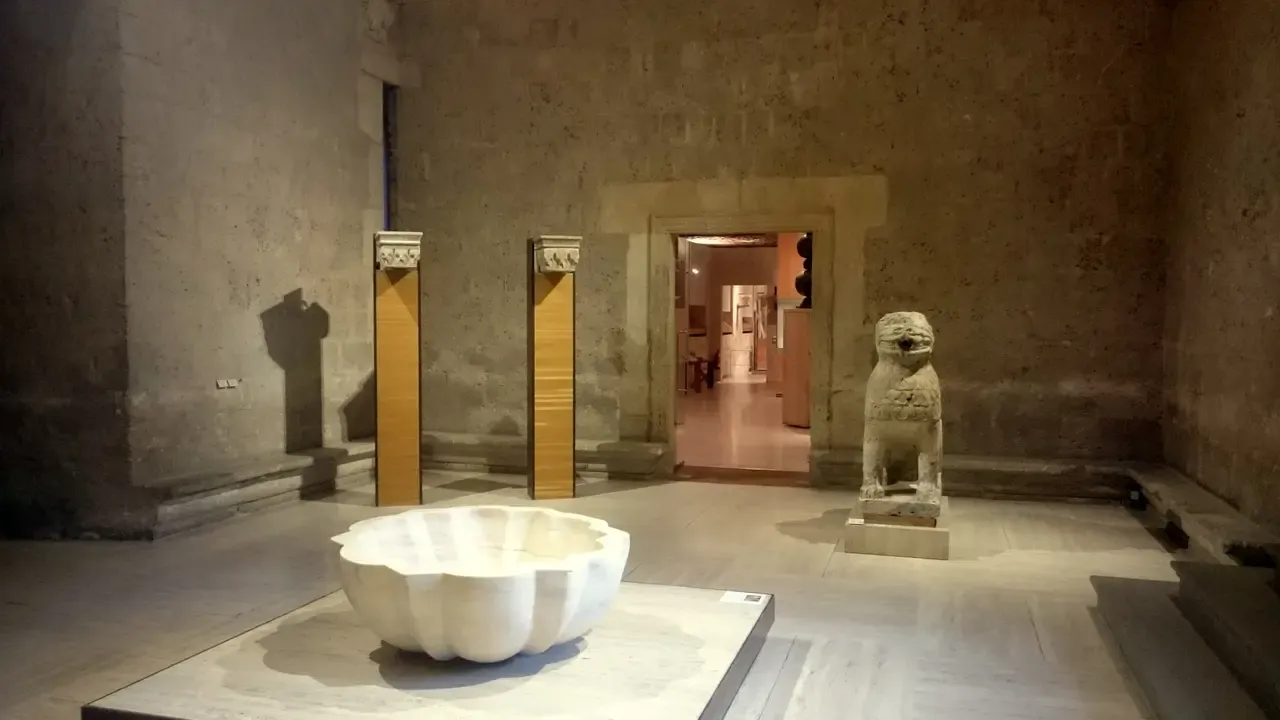
The Palace of Charles V sits inside the Alhambra walls like an argument. Carlos I commissioned it in 1527 as a Renaissance statement of power, dropped a circular colonnaded courtyard into the Moorish hilltop, and then never finished it. The ground floor now holds the Museo de la Alhambra, with its Nasrid ceramics and the famous Blue Amphora. Go upstairs and you're in Spain's oldest public museum.

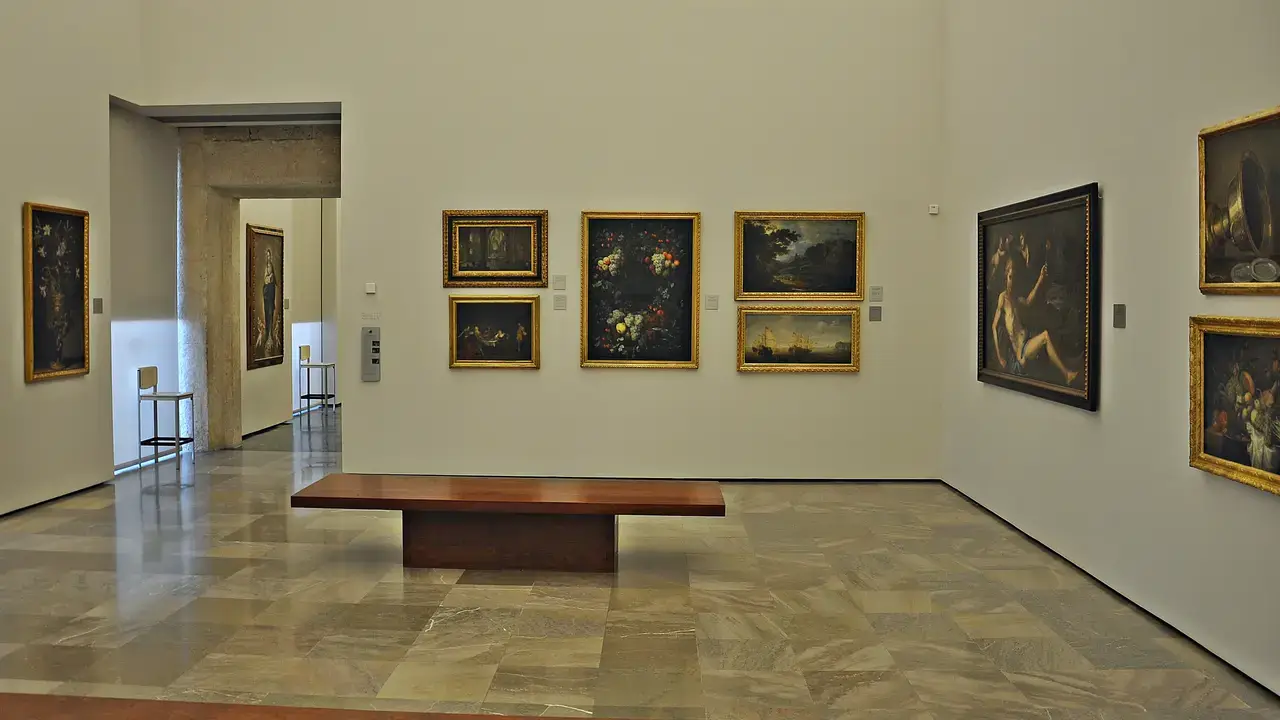
The Museo de Bellas Artes de Granada opened in 1839, predating the Prado's current public incarnation. Its 2,000-plus works run in nine galleries from Gothic retablos through Renaissance and Baroque painting to the Granada School. The collection is tightly focused: most of what's here was made in or for Granada between the 16th and 18th centuries.

Alonso Cano

Cano (1601–1667) is the reason to come. Granada's most complete artist was simultaneously a painter, sculptor, and architect. He designed the Baroque facade of Granada Cathedral in 1664, three years before his death. The museum holds polychrome wood sculptures he carved himself, including religious figures where the painted flesh and fabric have the warmth of something made at human scale for a candlelit chapel rather than a museum vitrine. They look different from the usual Spanish Baroque devotional objects because Cano trained in Seville under Francisco Pacheco alongside Velázquez, then spent years in Madrid before returning to Granada. The biography shows in the work.

The paintings round out the picture. His canvases here include a series on the life of the Virgin that shows the same controlled colour palette and psychological quietness you find in his sculptures. The works are not labelled with superlatives because they don't need them.

The rest of the collection

Beyond Cano, the museum has panels by Pedro Machuca, the same architect who designed the Palace of Charles V itself, making this one of the stranger coincidences in Spanish art history: the building and a painting by the man who planned it, in the same space. There are canvases by José de Ribera and works tracing the broader Granada School through Diego de Siloé's circle and into the 17th century.

The nine galleries run roughly chronologically. Gothic retablos on gold grounds give way to Renaissance composition, then to the heavy shadows and psychological intensity of Baroque Granada. The progression is clear without being didactic.

Practical information

Admission is free for EU citizens on presentation of a passport or national identity card; €1.50 for everyone else. That price puts it among the best-value visits in Andalusia. You reach the museum through the Alhambra complex, but you do not need a paid Nasrid Palaces ticket. There is free public access to the Palace of Charles V via the Alhambra road; walk up the hill and enter the palace courtyard without passing through the main Alhambra turnstiles. Opening hours shift seasonally: Tuesday to Saturday 09:00 to 20:00 from April to October, 09:00 to 18:00 from October to March. Sundays and public holidays 09:00 to 15:00. Closed Mondays. Budget 60 to 90 minutes.
Reporter notebook

Insider tips

Practical observations gathered the way a local journalist would keep them: short, specific, and more useful than brochure copy.

Money tip

You don't need an Alhambra ticket

Many visitors assume access to the Palace of Charles V requires a full Alhambra ticket (currently €19). It doesn't. Walk up to the Alhambra hill, follow signs for the Palacio de Carlos V, and enter the courtyard through its own gate. The museum is on the upper floor; EU citizens enter free, everyone else pays €1.50.

Best time

Go when the Nasrid Palaces crowds arrive

The Alhambra's timed entry windows for the Nasrid Palaces run from 08:30 onwards. While those visitors are occupied with their allotted hour in the palace rooms, the Fine Arts Museum upstairs is quiet. Arriving between 09:00 and 10:30 on a weekday gives you the Cano rooms almost to yourself.

Photo spot

The circular courtyard from the upper arcade

The Palace of Charles V's interior courtyard is a 30-metre-diameter circle of 32 Doric columns, the only circular Renaissance courtyard in Spain. Photograph it from the upper floor arcade directly above the entrance, where the full circle and the open sky above read together. Morning light before 11:00 comes in at a low angle across the stone.

Practical information

Opening hours
Tue–Sat 09:00–20:00 (Apr–Oct), Tue–Sat 09:00–18:00 (Oct–Mar). Sun & holidays 09:00–15:00. Closed Mondays.
Admission
Free for EU citizens; €1.50 for non-EU visitors
Address
Palacio de Carlos V, Alhambra, 18009 GranadaView on Google Maps

Frequently asked questions

Do I need an Alhambra ticket to visit the Museo de Bellas Artes?

No. The Palace of Charles V has its own entrance off the Calle Real de la Alhambra, separate from the main Alhambra turnstiles. You can walk up the Alhambra hill and enter the palace courtyard without a paid Nasrid Palaces ticket. The museum is on the upper floor; admission is free for EU citizens and €1.50 for everyone else.

What are the highlights of the Museo de Bellas Artes de Granada?

The collection centres on Alonso Cano (1601–1667), Granada's greatest painter-sculptor-architect. His polychrome wood sculptures and a series of paintings on the life of the Virgin are the finest things here. The museum also has panels by Pedro Machuca, architect of the Palace of Charles V itself, and works tracing the broader Granada School through the 16th and 17th centuries.

How long does a visit to the Fine Arts Museum take?

Allow 60 to 90 minutes to see all nine galleries at a steady pace. If you want to spend time with the Alonso Cano sculptures in particular, budget closer to 90 minutes. The museum pairs naturally with the Museo de la Alhambra on the ground floor of the same building, which adds another 45 to 60 minutes.