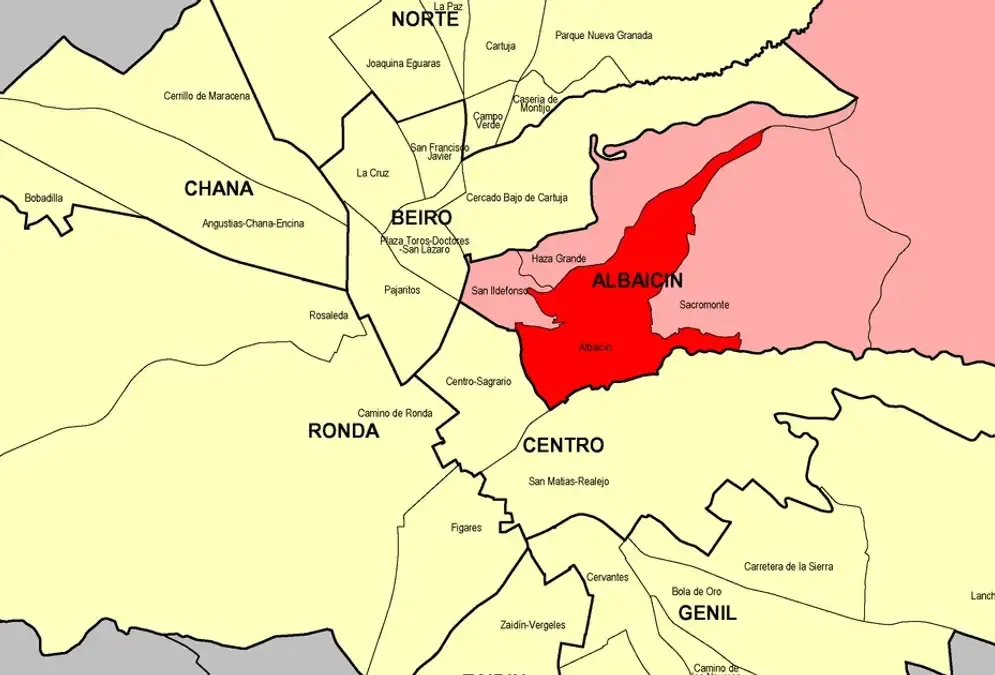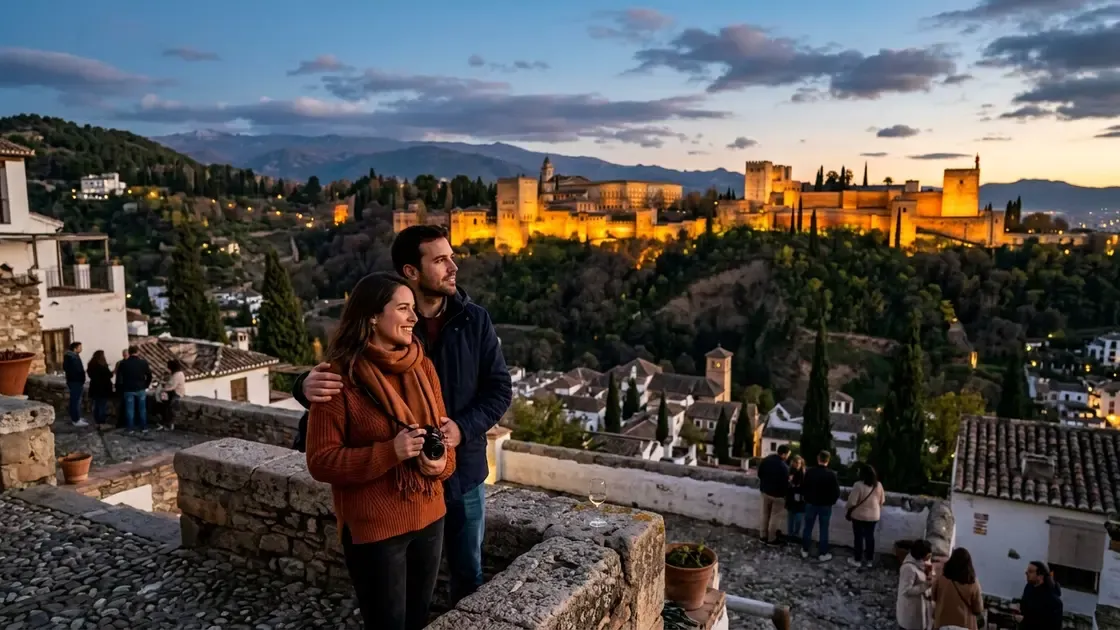

The Casa de Castril is one of the more beautiful buildings in the Albaicín, which is saying something. Built in 1539 for Hernando de Zafra, secretary to Ferdinand and Isabella, it has a Plateresque portal that stops you on the Carrera del Darro before you've even thought about what's inside. The stone carvings around the doorway are intricate enough to study for several minutes: grotesque heads, shell motifs, and a scallop shell above that recurs throughout the building. Spain's oldest museum dedicated to archaeology has occupied this palace since 1879.
The collection
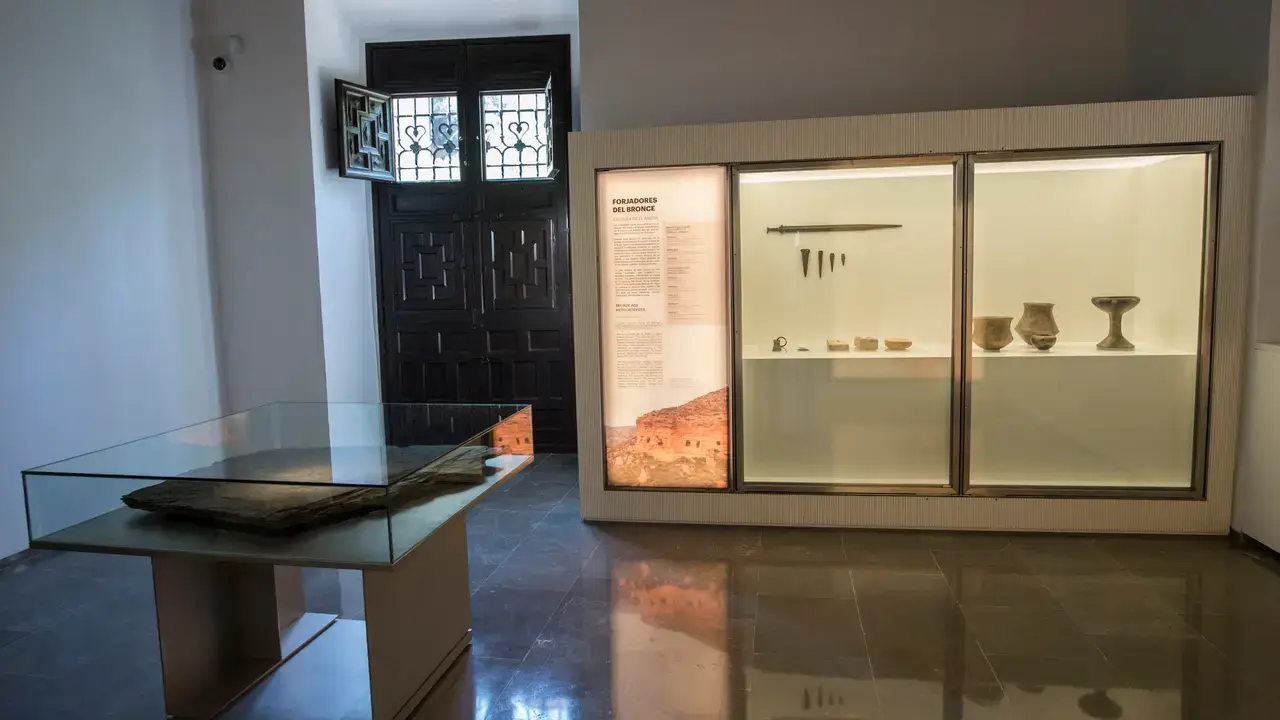
The displays run from the Paleolithic through the Bronze Age, Phoenician colonisation, Roman occupation, Visigothic rule, and on to the Islamic period that ended with the Nasrid dynasty in 1492. The breadth is its strength. A single afternoon here gives you a compressed version of southern Spain's entire pre-modern history without the interpretive weight of a major national museum.
A few items stand out. The Phoenician artefacts are among the best-preserved in Andalusia: small terracotta figures, carved amulets, and ceramic vessels from the 7th and 6th centuries BC, when Phoenician trading posts dotted the coast. The Roman bronze collection includes military equipment and household objects from the Iliberis settlement that occupied the site of present-day Granada. The Nasrid ceramics on the upper floor show the technical sophistication of the last Islamic dynasty: lustre-ware in cobalt and gold, with geometric decoration of a precision that's hard to replicate today.
Worth noting: the ground floor is fully accessible. The upper floors, which hold the later medieval and Islamic collections, have been subject to periodic restoration; check current access with the museum before visiting.
The building itself
The internal patio of Casa de Castril is the architectural highlight. Two floors of arcades surround a stone fountain, and in spring the scent of potted jasmine drifts through the courtyard. Afternoon light catches the carved stone capitals at around 16:00 in summer, when the angle of the sun illuminates details that disappear in flat midday light.
Practical information
Admission is €1.50 for adults, making this one of the best-value museum visits in Andalusia. EU citizens enter free, as do all visitors on Sundays. The museum is on the Carrera del Darro, the riverside street below the Alhambra, about a 10-minute walk from Plaza Nueva. Opening hours shift seasonally, so check ahead for July and August. The museum is closed Mondays.