
The name translates as the Palace of the Forgotten, and the museum wastes no time explaining who was forgotten. In 1492, the same year Ferdinand and Isabella accepted the surrender of the last Nasrid sultan, they also signed the Alhambra Decree expelling all Jews from Spain. Granada's Jewish community had lived in what was then called Garnata al-Yahud — the neighbourhood now known as the Realejo — for centuries. Within months, they were gone. This private museum, opened around 2015, is one of the few places in the city that deals directly with that erasure.
The collection
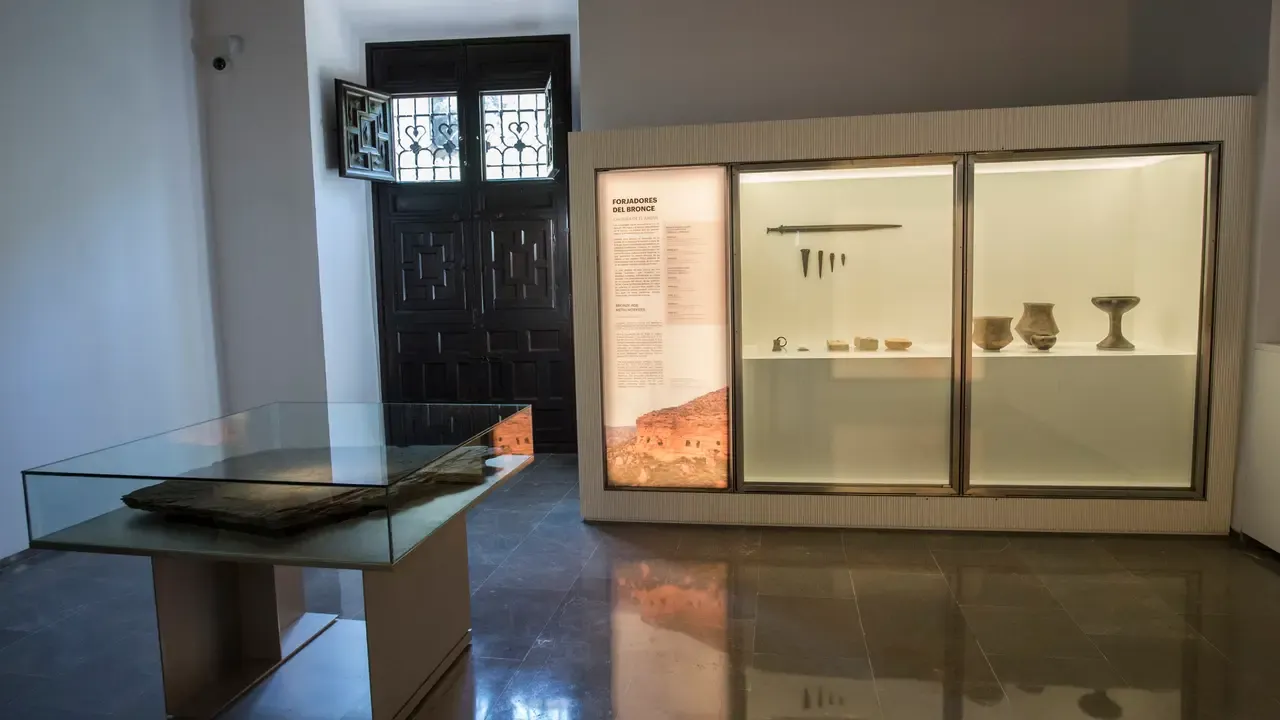
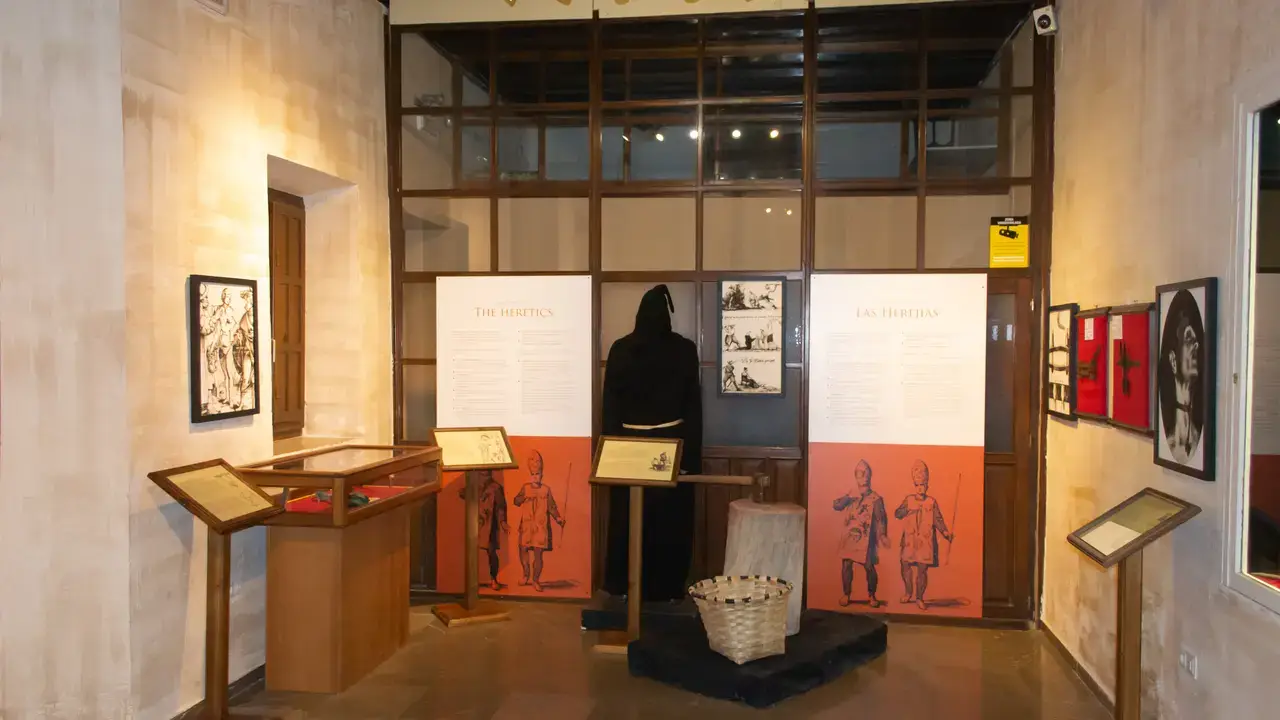
The rooms are arranged around scenes from medieval Jewish Granada: a domestic interior with Sabbath candles on the table, a Torah-study chamber, market stalls selling spices and cloth. Wax figures populate each scene. The effect is theatrical rather than academic, and deliberately so — the museum pitches itself at general visitors rather than specialists, and the storytelling is clear without being simplified.
The object that stops people is the Inquisition interrogation chair. It is one of three surviving in Spain, according to the museum. Whether or not that count is exact, the chair itself is real enough: iron armrests, restraints, a narrow seat designed for long confinement. No wax figures needed here. The room around it also holds ceramics, oil lamps, and children's toys, domestic objects recovered from the period that sit in sharp contrast to the chair.
Several exhibits connect to the Sinagoga del Agua, an underground synagogue discovered during building work in Úbeda in 2006. The connection points to how much of Sephardic Granada remains underground, literal and otherwise.
The music evenings
The museum organises Sephardic music concerts periodically — evenings of Ladino songs and medieval Jewish liturgical music performed in the building's courtyard. These are not regular calendar events, so you need to check the museum's own channels for dates. If one coincides with your stay, it is worth rearranging other plans to attend. Hearing music carried out of Spain by the expelled community, in a building that carries the memory of that departure, is a particular experience.
Practical information
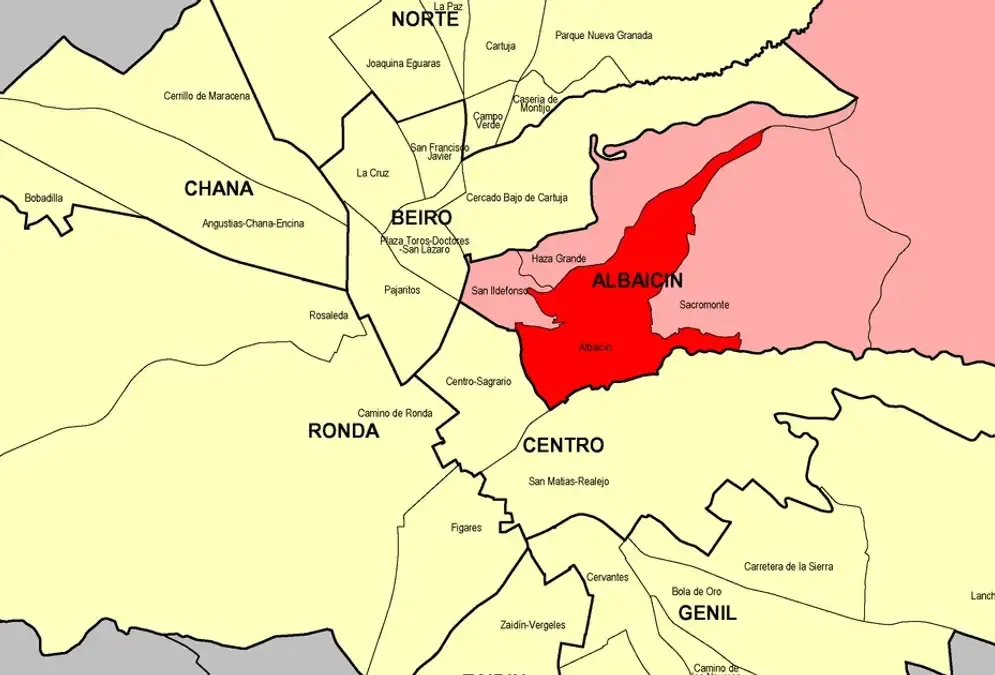
The museum is on Cuesta de Santa Inés, a steep lane that climbs from the Carrera del Darro into the lower Albaicín. Admission is €7 and includes a guided tour; English-language tours are available. Allow around 75 minutes for the guided visit. Opening hours run Sun–Thu 11:00–18:30 and Fri–Sat 11:00–20:00. There is no café inside; the Carrera del Darro has several places to stop before or after.