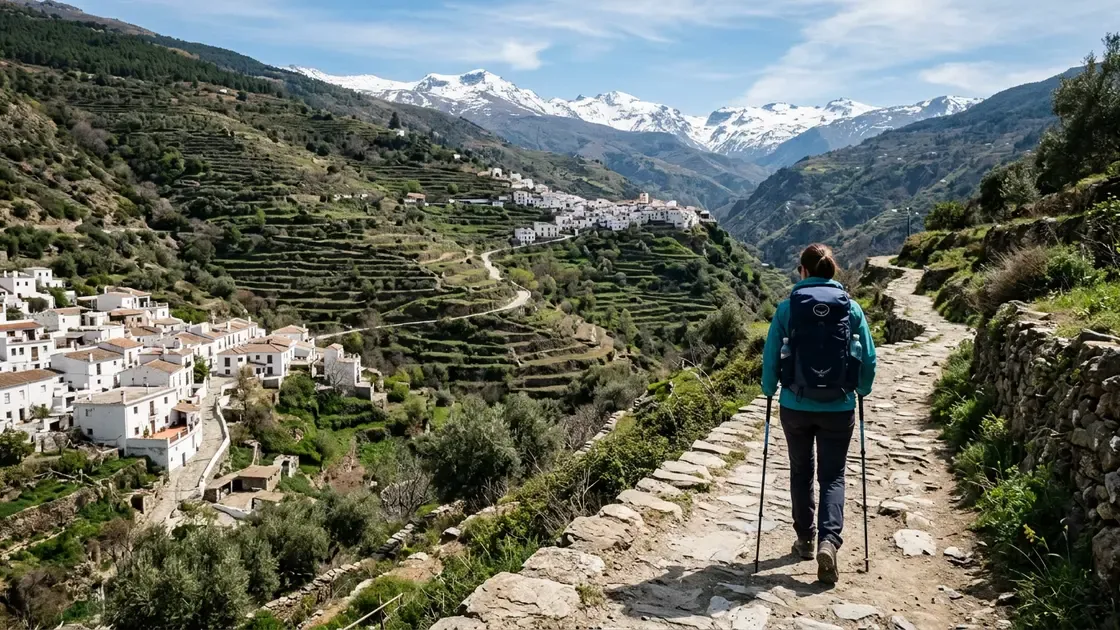
Granada's Alpujarras sit in the southernmost folds of the Sierra Nevada, where the altitude slows the olive harvest and the fruit ripens cold and slow until November. That unhurried season is what separates DOP Granada olive oil from the mass-market versions — and this three-hour tour is built around tasting the difference.
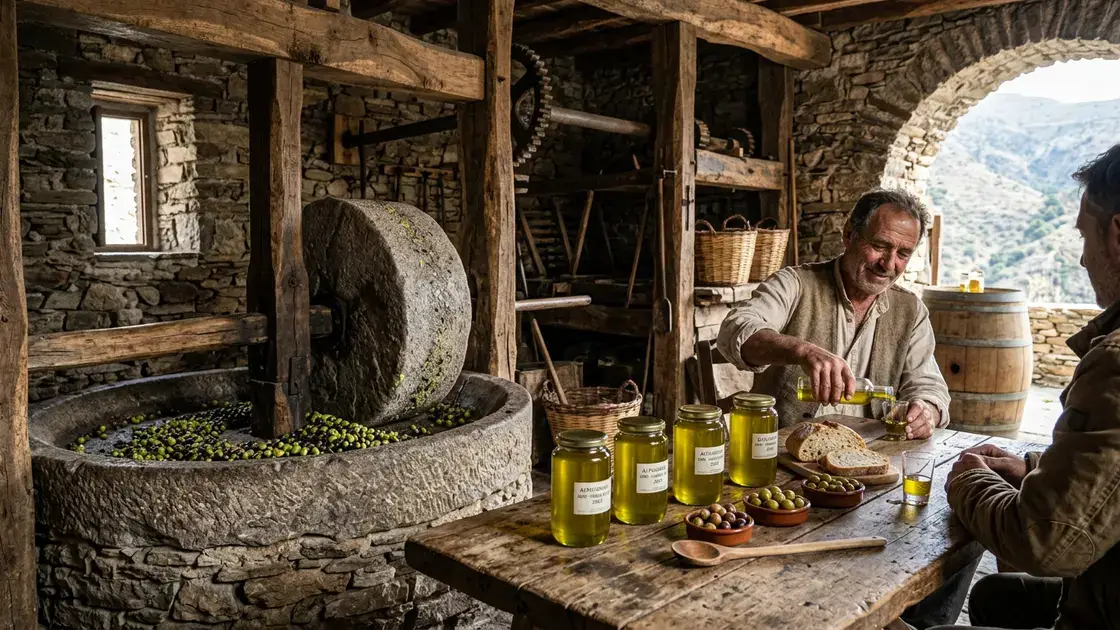
The itinerary starts at a 15th-century stone mill, one of the oldest working press sites in the province. The smell hits you before you step through the door: damp stone, dried grass, and something green and slightly bitter that you later learn is the scent of fresh milled olive paste. Your guide explains how the traditional cold-press method works — stone wheels grinding the fruit to paste, hydraulic presses extracting the oil — then walks you through how modern centrifugal extraction changed everything for yield and hygiene but not always for flavour.
The cooperative: where most of the province's oil actually gets made
The second stop is a modern olive cooperative, the kind that processes olives from dozens of small family farms across the valley. Walking through here puts the scale into context. During harvest season (October through December), hundreds of tonnes of olives move through these facilities daily. Outside that window, the machinery sits quiet but the storage tanks — stainless steel, temperature-controlled — hold the oil from the previous harvest while it waits for bottling.
Cooperative staff explain the DOP Granada certification process: specific Picudo, Hojiblanca, and Picual cultivars; mandatory acidity thresholds below 0.8 percent for extra virgin classification; traceability from grove to bottle. This is not abstract. You see the lab where acidity tests happen, the bottles lined up with lot numbers, the records that let every litre be traced back to a named producer.
The tasting: three oils, one careful palate
The tasting session covers at least three distinct oils: a conventional extra virgin, an organic extra virgin from certified groves, and a fresh-harvest cosecha temprana (early-harvest) oil pressed when the olives are still green. The differences are more dramatic than most first-timers expect.
The early-harvest oil has an almost aggressive bitterness and a peppery finish that makes you cough slightly — that's the polyphenols, your guide will tell you, which fade as the oil oxidises through the year. The organic extra virgin is rounder, with more grass and less fruit. The conventional extra virgin sits somewhere between them, the one most restaurants in the province actually use.
You taste on white ceramic spoons and on bread, trying each oil at room temperature. The optional wine pairing (available at booking, no extra charge included in the base price) adds a Contraviesa-Alpujarra white alongside the final oil — the acid structure of the wine and the fat of the oil turn out to complement each other in a way that is not immediately obvious until you try it.
Practical information
The tour runs three hours and costs €38 per person. Departure is from Granada city centre, with return transport included. Groups are small — typically eight to twelve people — which keeps the tasting unhurried. Book via GetYourGuide (t569336) where you can also add the wine pairing option. The tour runs year-round, but visiting during October to December harvest season means seeing the mill and cooperative in full operation, olives arriving from the groves, the air outside thick with the smell of crushed fruit.
Wear comfortable shoes. The mill floor is uneven stone, and parts of the cooperative require walking between outdoor and indoor areas. If you have a serious interest in buying oil to take home, bring an extra bag — bottles are available at cooperative prices, which run lower than what you'll find in Granada city shops.