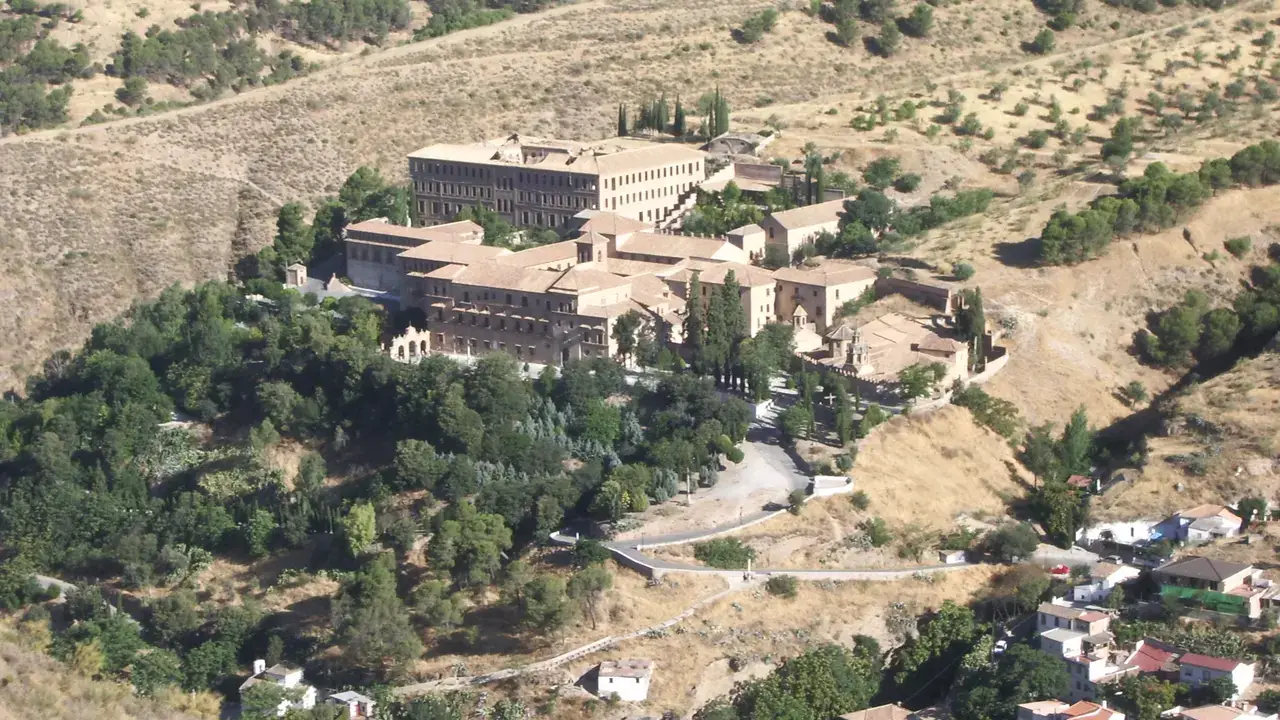

In 1594, workers digging on Mount Valparaiso unearthed a series of circular lead plates inscribed in Arabic, Hebrew, and Latin. The texts claimed to document the martyrdom of San Cecilio, first bishop of Granada, and to reconcile Islam and Christianity through a shared divine revelation. The timing was unmistakable: Granada had been conquered from the Moors just a century earlier, and the Plomos del Sacromonte — lead books of Sacromonte — seemed to prove an ancient Christian presence in Muslim-era Andalusia. By 1601, the Real Abadía del Sacromonte rose above the cave where the relics had allegedly been found. The Vatican investigated for decades and in 1682 declared the books forgeries, almost certainly manufactured by local scholars to validate Granada's Christian identity. The abbey still stands. The lead books are on display. You can read the whole story in an hour.
The guided tour descends into the Santas Cuevas, the limestone catacombs beneath the church where San Cecilio's remains were supposedly discovered. The low rock chambers hold a carved altar and several small chapels; the air is cold year-round and the vaulting close enough to touch. Whatever the historical truth of the relics, the physical space is genuinely ancient and the acoustics are strange. Upstairs, the abbey museum holds the only Francisco Goya painting in Granada — a fact most visitors learn here for the first time — alongside a handwritten canticle by San Juan de la Cruz, one of Spain's greatest mystic-poets, and a manuscript of Averroes' Treatise on Medicine. The Cristo de los Gitanos, Christ of the Gypsies, is central to Romani devotion in Granada and draws local worshippers to the abbey church throughout the year. This is a working monastery, not a heritage attraction with a gift shop, and that distinction shows in the atmosphere. For the full context of the neighbourhood, read the Sacromonte guide before you go.
The abbey sits at the top of Sacromonte hill, a further 15 minutes on foot past the Caves Museum. Bus C34 from Plaza Nueva is the sensible option for most visitors, stopping at the foot of the final ascent; a taxi from the Alhambra costs around €7. The walk from the city via Camino del Sacromonte is about 25–30 minutes of steady uphill, worth it in cooler months. Tours run continuously throughout opening hours and last 30–45 minutes; groups sometimes fill the morning slots in July and August, so arrive early or book ahead if visiting in peak summer. The abbey is closed for a midday break in both summer and winter seasons, so check the current schedule before setting out.
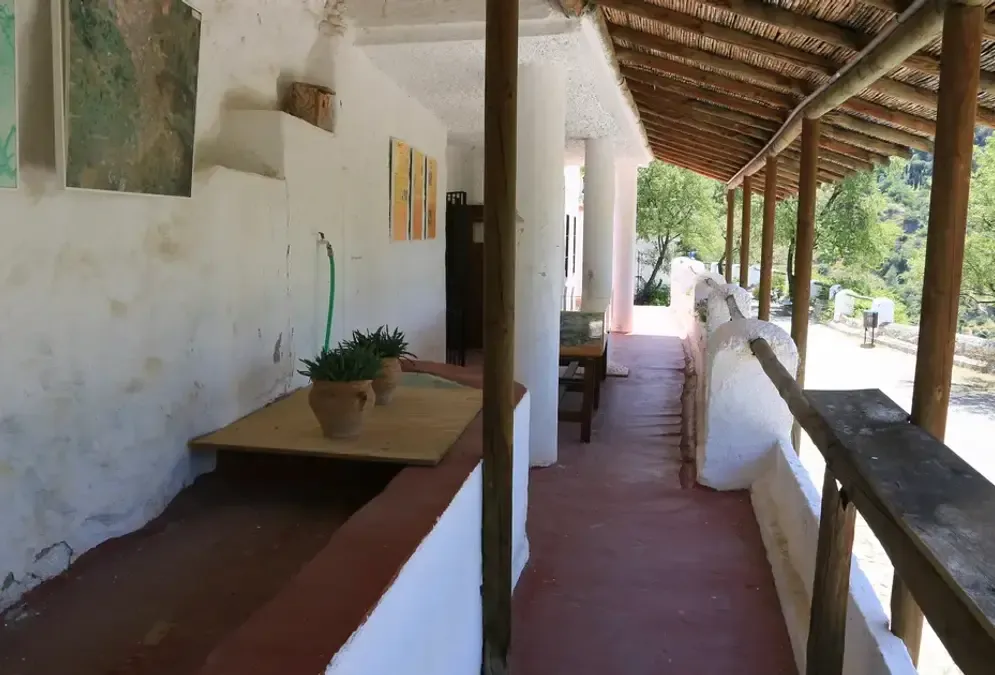
From the upper terrace, the view extends across the Vega de Granada — the agricultural plain west of the city — toward the Sierra Nevada. Late afternoon, from around 5 PM onward, the mountains turn gold. The baroque church interior is more intimate than the cathedral: gilded altarpieces, 17th-century Granada painting, and the silence of an active place of worship. Photography policies shift depending on whether mass is in session; ask at the entrance. Wear shoes with grip — the path up Sacromonte is steep and can be slippery after rain.