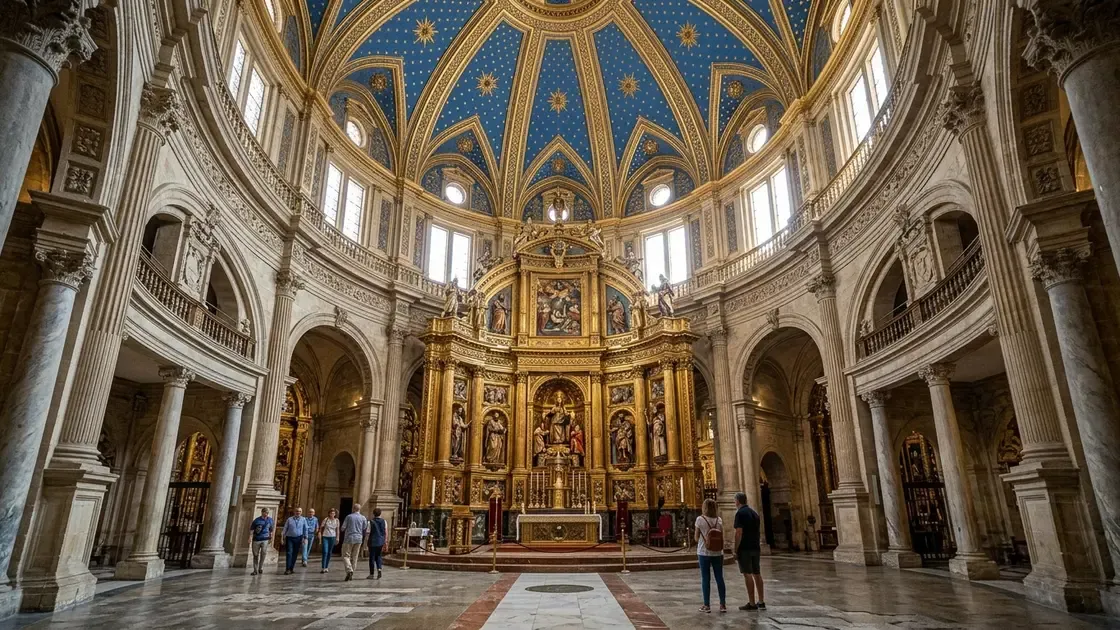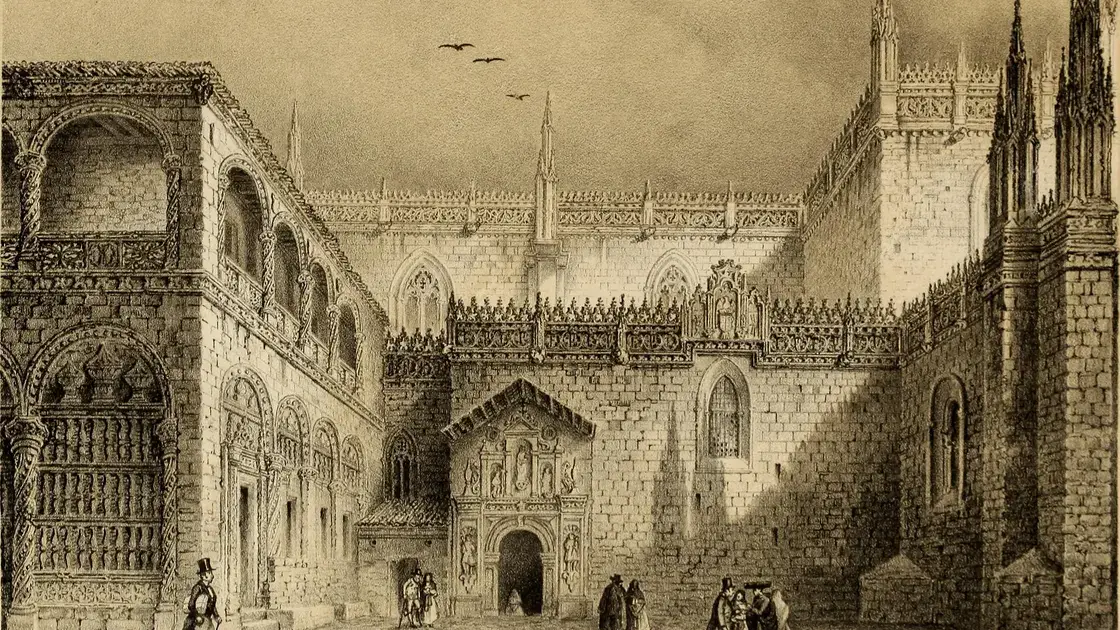
The Royal Chapel of Granada, or Capilla Real, was commissioned in 1504 by Isabella I and Ferdinand II as their burial place, a choice that reflected the symbolic weight they attached to Granada: the city they had taken from the Nasrid sultanate in 1492 and that marked the completion of the Reconquest as they understood it. Construction began under the architect Enrique Egas and continued with contributions from Juan Gil de Hontañón and others. The building was completed in 1517, three years before Charles V transferred the monarchs' remains here from their temporary burial in the Alhambra. The Royal Chapel remains a private Catholic foundation rather than a state monument, which accounts for its separate admission and management.
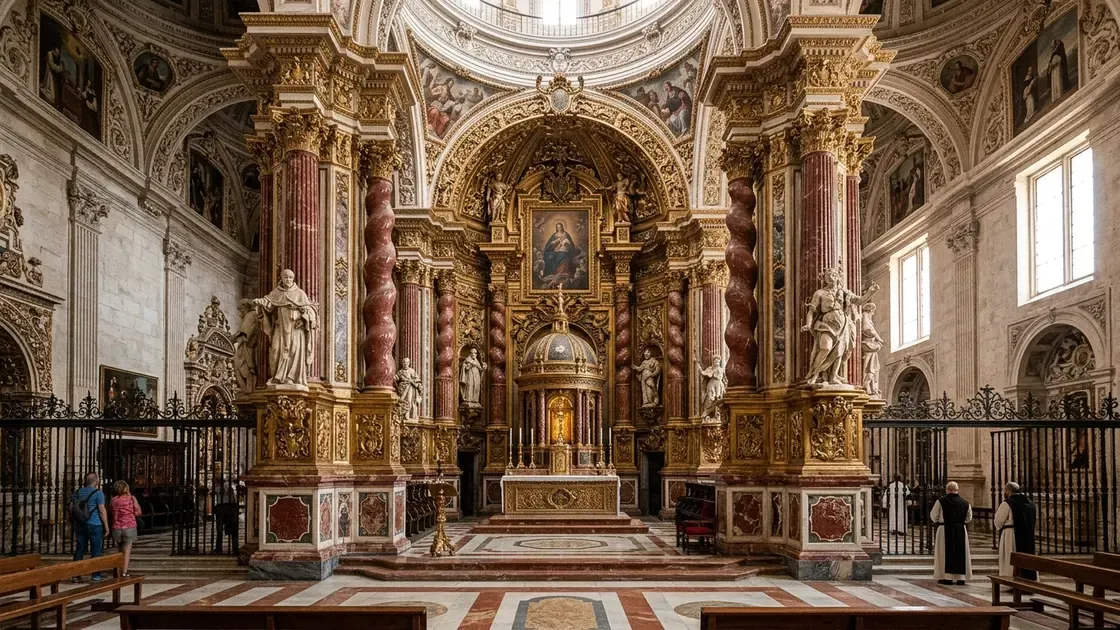
The chapel follows a Latin cross plan with a single nave and four side chapels, built in the Isabelline Gothic style characteristic of the late 15th century: a late flowering of Gothic that incorporates Spanish Plateresque ornament on the exterior while maintaining pointed arches and ribbed vaulting inside. The interior is divided by a monumental wrought-iron grille (reja), the work of Bartolomé de Jaén, which separates the public nave from the chancel where the royal tombs are kept. The grille, completed in 1520, is considered one of the finest examples of Spanish Renaissance ironwork.
The four tomb monuments are arranged in two pairs. The Catholic Monarchs, Isabella and Ferdinand, lie in the marble cenotaph carved by the Florentine sculptor Domenico Fancelli, delivered to Granada in 1521. Their effigies lie side by side, Fernando noticeably larger in scale — a detail the sculptor corrected when he completed the second monument for their daughter Joanna and her husband Philip I, executed by Bartolomé Ordóñez. Both cenotaphs are of Carrara marble carved with considerable precision. The actual lead coffins are in the crypt below, accessible by a descending stairway and protected behind a grille.
The Sacristy-Museum, housed in the adjacent rooms, holds the most concentrated assembly of objects from the Catholic Monarchs' personal possession in any single institution. Isabella's crown, a silver-gilt circlet of considerable refinement, and Ferdinand's sword are displayed together. Her personal art collection, assembled over decades, includes works by Flemish painters she admired: Hans Memling, Rogier van der Weyden, Dierick Bouts, and Juan de Flandes, who worked at her court. A Sandro Botticelli panel and works by Pedro Berruguete complete a collection that sits oddly with its surroundings but is exceptional by any standard. The visit takes around an hour; the sacristy rewards an additional 20 to 30 minutes.