The Alcazaba — Granada's Military Fortress
Patrimoine UNESCO fortress military-architecture nasrid

The Alcazaba — Granada's Military Fortress

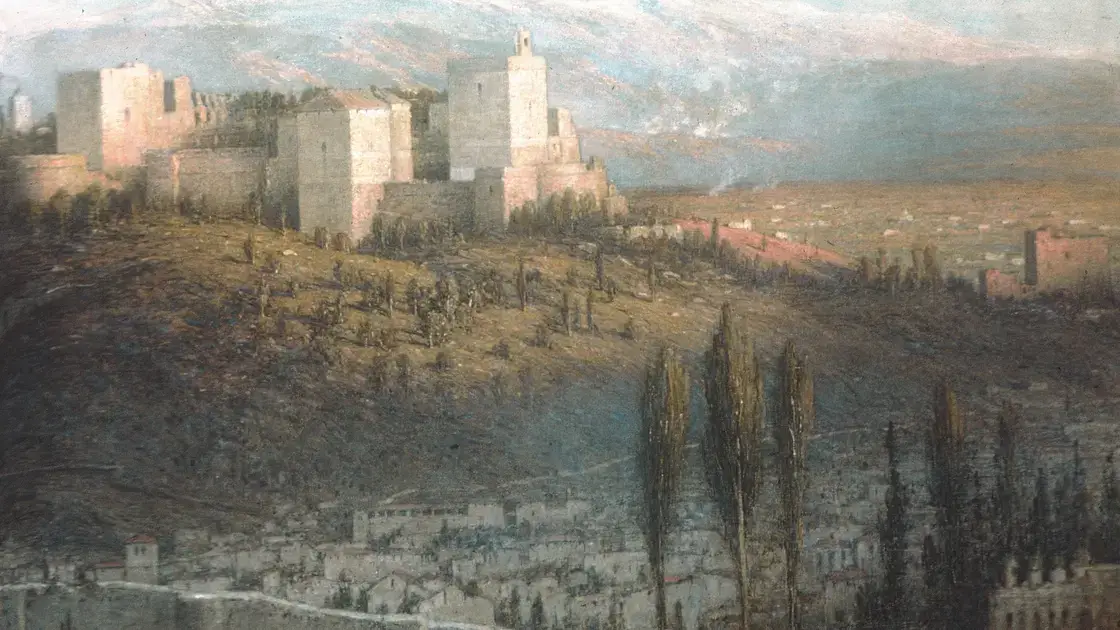
Granada's oldest fortress and the military core of the Alhambra, built in 1238. Its Watch Tower delivers panoramic views of the Albaicin and Sierra Nevada.

Daily 8:30–20:00 (Oct 15–Mar 31: until 18:00). Evening visits Tue–Sat 22:00–23:30.
Included with Alhambra ticket (general admission €22.27). No separate entry fee. Book in advance at tickets.alhambra-patronato.es.
Itineraire

The Alcazaba is the oldest surviving part of the Alhambra complex, and the part most visitors rush past to reach the Nasrid Palaces. That's a mistake. Built after 1238 by Muhammad I Ibn al-Ahmar, founder of Granada's Nasrid dynasty, the Alcazaba was raised on the site of an earlier Zirid fortress from the 11th century. The rammed-earth walls reinforced with lime concrete have lasted seven centuries. Walk the perimeter rampart and you feel the weight of the place: narrow stairways, thick walls, the wind coming off the Sierra Nevada.

Inside the walls, the Barrio Castrense (Military Quarter) preserves the foundations of ten to seventeen houses where elite guards lived with their families. Excavations have uncovered a hammam, a cistern, and a communal kitchen. The layout is domestic in scale, which makes it strange and interesting: this was a working neighbourhood inside a fortress, not just a parade ground. The Jardin de los Adarves, a long garden on the southern rampart added in the 17th century, is one of the quieter spots in the entire Alhambra.

The two main towers reward the climb. The Torre del Homenaje at 26 metres was the military keep and command post. The Torre de la Vela, the taller of the two, has four vaulted levels and a rooftop terrace with an unobstructed view across Granada's old city, the Albaicin hillside, and the snow-capped peaks of the Sierra Nevada. On clear winter mornings the mountains look close enough to touch. Each 2 January, four flags go up from this tower to mark the day the Catholic Monarchs took the city in 1492 — a ceremony that draws Granadinos rather than tourists.

Entry to the Alcazaba is included with the general Alhambra ticket, which must be booked in advance. Most visitors allocate all their time to the Nasrid Palaces and treat the Alcazaba as an afterthought. Go the other way around: arrive when the gates open, spend an hour in the fortress, then walk to your timed Nasrid entry. The light in the early morning, when the towers cast long shadows across the ramparts, is worth the early start.
Practical information

Opening hours

Daily 8:30–20:00 (Oct 15–Mar 31: until 18:00). Evening visits Tue–Sat 22:00–23:30.

Admission

Included with Alhambra ticket (general admission €22.27). No separate entry fee. Book in advance at tickets.alhambra-patronato.es.

Address

Calle Real de la Alhambra, 18009 Granada, Spain

View on Google Maps

Tags

fortress military architecture nasrid watchtower unesco medieval history panoramic views

Frequently asked questions

Is the Alcazaba included in the Alhambra ticket?

Yes. The Alcazaba is included with the general Alhambra ticket (€22.27). No separate fee. Tickets must be booked in advance at tickets.alhambra-patronato.es, especially in spring and summer.

What is the Torre de la Vela?

The Torre de la Vela is the Alcazaba's Watch Tower, with four vaulted levels and panoramic views across Granada, the Albaicin, and the Sierra Nevada. Each 2 January, flags are raised from its roof to mark the 1492 Reconquista.

How long does a visit to the Alcazaba take?

Allow 1 to 2 hours for the Alcazaba alone. If combining with the Nasrid Palaces and Generalife, plan 3 to 4 hours minimum for the full Alhambra circuit.

What can I see from the towers?

From the Torre de la Vela and Torre del Homenaje you can see across Granada's old city, the Albaicin hillside, the Sierra Nevada, and on clear days the wider Andalusian countryside.

How is the Alcazaba different from the Nasrid Palaces?

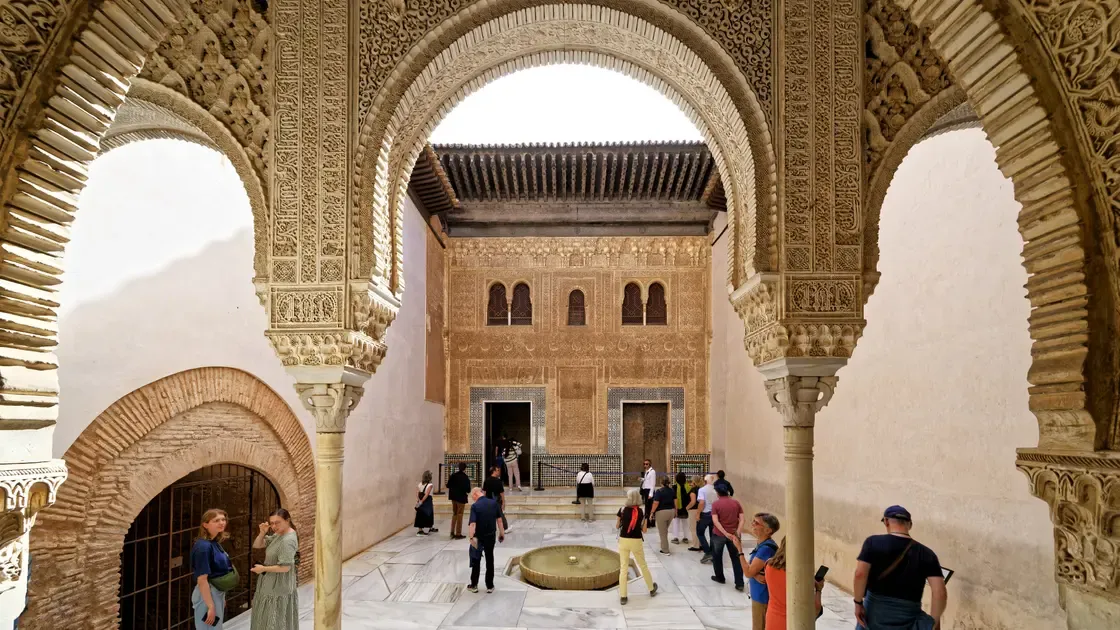
The Alcazaba is the military fortress and oldest part of the Alhambra, built for defence. The Nasrid Palaces, built later, are the ornate royal residences with intricate plasterwork and tilework. Both are included in the Alhambra ticket.