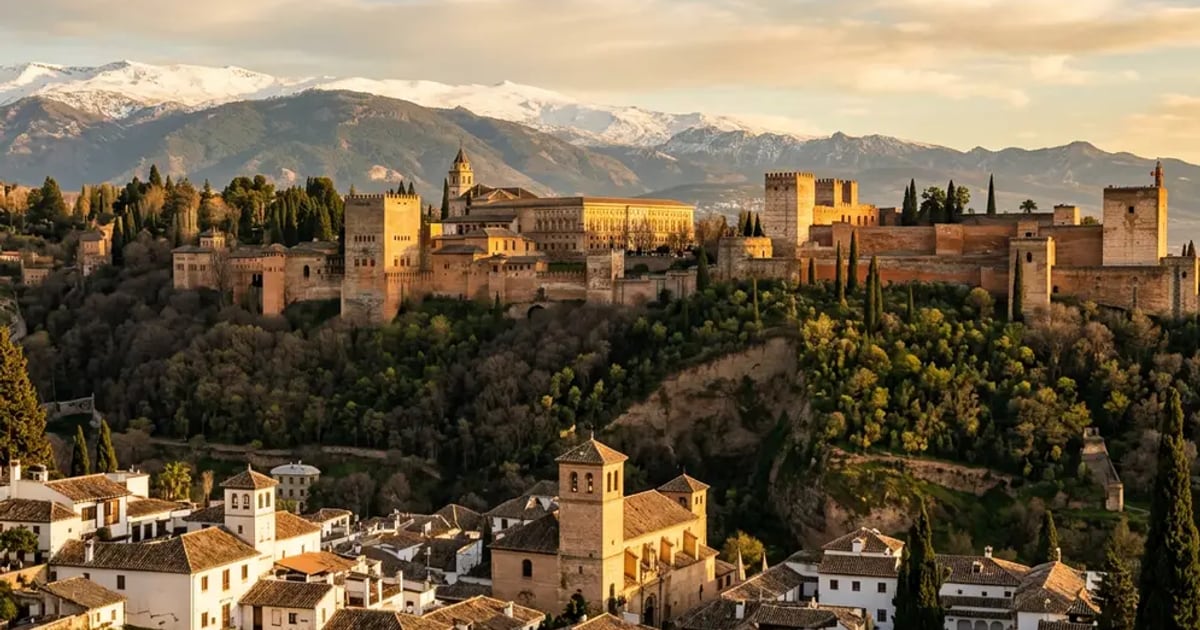
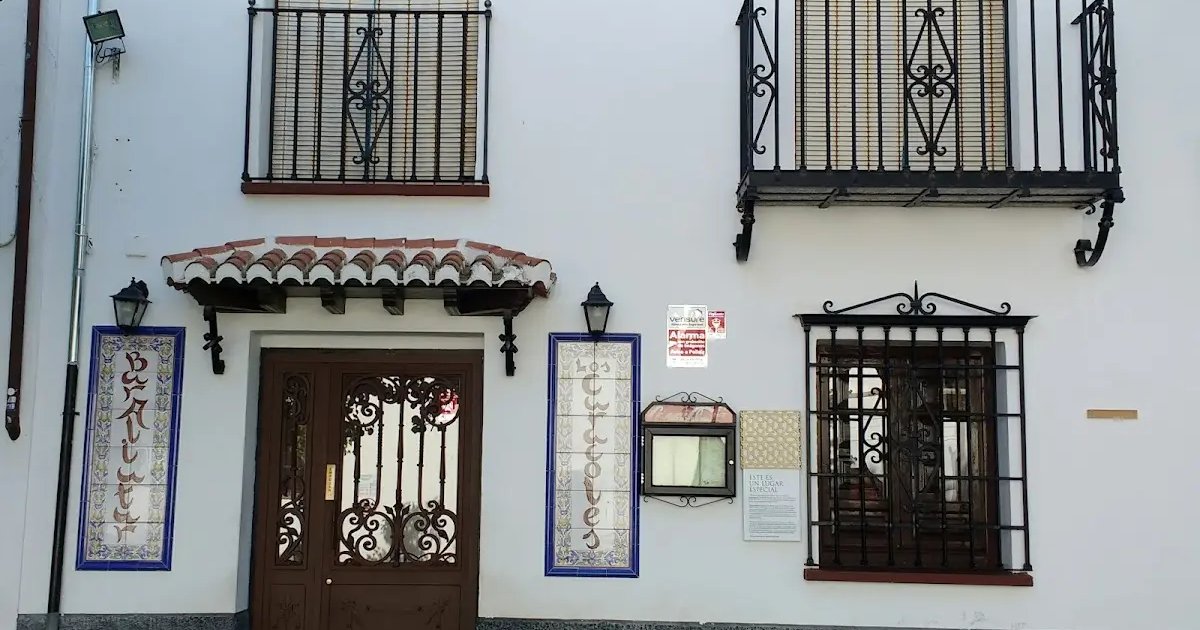
Tapas plates and local wine on a wooden bar counter in Granada, Spain
Food guide

Granada for food lovers

The most expensive thing you'll eat in Granada comes free. Every drink — beer, wine, water — arrives with a plate the bar chose for you. Here's what that means for a week's eating.

Granada has 10 dishes that exist almost nowhere else in Spain. It has a free tapa culture that Seville and Madrid abandoned decades ago. It has a covered market where the jamón comes off the mountain and the olive oil is pressed from trees you can see from the city. None of this is marketed particularly hard — the city assumes you'll find it. This guide is for people who want to find it faster.

The structure: the free tapa tradition explained, then the dishes, then where to eat them, then the market, then honest advice on whether a guided food tour is worth the money. Start from the beginning or jump to whatever you need. Internal links throughout to individual dish profiles, the full free tapas guide, and specific bars in the Realejo and Albaicín.

Food in Granada at a glance

Free tapa with every drink
Yes, every bar
Evening food budget
€10–15 per person
Jamón de Trevélez
From Sierra Nevada
Best tapas season
Autumn & Spring
Mercado opens
Mon–Sat 08:00–14:30

Granada's free tapa tradition: how it works

Order a drink in Granada — any drink, alcoholic or not — and a plate arrives. You didn't ask for it. You won't pay for it. The bar decided what to send. That is the entire mechanism of the free tapa tradition, and it is more radical than it sounds: every other major city in Spain charges separately for food now.

The protocol is simple. One drink equals one tapa. The tapa rotates with each successive round at some bars — olives first, then croquetas, then a slice of tortilla — while others send the same plate every time. Move to a new bar after two or three drinks and the rotation starts again. Four drinks across two bars means four different plates. A full evening of five or six drinks comes to €10–15 per person, food included.

What keeps it alive is largely economic. Granada has around 80,000 university students. Any bar that quietly dropped the free tapa would lose regulars to the bar next door that kept it. The system is self-enforcing. The consequence for visitors: even the most ordinary bar on Calle Navas operates at a value level that serious food cities like San Sebastián charge five times as much to approximate.

The bar chooses — you don't

In most Granada bars you cannot request a specific tapa. The kitchen decides. At better bars, especially later in the evening, the plates are substantial enough to replace a light dinner. Mention dietary restrictions when you order your drink — most bars will accommodate.

For the full breakdown — which streets, which bars, timing, etiquette, and what it costs — read the dedicated free tapas guide.

The 10 dishes every food lover should try

Granada's cuisine sits at the intersection of Moorish and Andalusian cooking. The sweet-sour combinations, the use of almonds and cumin and saffron, the cold soups built around bread and olive oil — all of this comes from the 800 years when the city was the capital of Al-Andalus. Some dishes on this list are found nowhere else in the country.

Cold starters

Remojón granadino

Salt cod, orange slices, black olives, spring onion, and olive oil. The combination is specifically Granadan — the sweet-citrus-and-cured-fish pairing is a direct inheritance from the Moorish kitchen and didn't survive elsewhere after 1492. Best in spring (March–May) when the cod is freshest. One of the few dishes you genuinely cannot get in its correct form anywhere else.

Full dish profile →

Ajoblanco

Cold almond soup, white and thick, made from blanched almonds, bread, garlic, and olive oil, served with grapes or melon. It predates gazpacho — the Moors made it without tomatoes, which hadn't reached Spain yet. Summer dish, best in July and August when the heat makes cold soup feel necessary. Often arrives as a free tapa in smarter bars.

Full dish profile →

Salmorejo

Dense cold tomato soup, thickened with bread and olive oil, served at room temperature with hard-boiled egg and jamón on top. The tomato season peaks July through September — outside that window it tastes flat. Order it in summer and it is a meal on its own. The jamón on top is standard; ask for it without if you need it vegetarian.

Full dish profile →

Hot starters

Espinacas con garbanzos

Spinach and chickpeas cooked with cumin, paprika, a little vinegar, and sometimes a fried bread crouton to thicken the sauce. This is the free tapa that surprises most visitors: warm, deeply spiced, and nothing like what you'd expect from a bar snack. The spicing is Moorish in origin and distinctly Granadan. Available year-round, appearing on most bar menus regardless of season.

Full dish profile →

Mains

Habas con jamón

Broad beans cooked with jamón serrano, garlic, and olive oil. A spring dish (March through May) when the beans come fresh from the Vega, the flat agricultural plain around the city. Outside season, the beans are frozen and the texture is different. Good restaurants mark it seasonal. A simple dish that depends entirely on the quality of two ingredients: the bean and the ham.

Full dish profile →

Carne en salsa granadina

Slow-cooked beef or veal in a sauce built from almonds, saffron, cloves, and wine. The almond thickening and spice profile is distinctly Moorish. It takes several hours to make properly and most bars that serve it have a grandmother's version they've been making for years. Order it when you see it — it's not on every menu. Autumn and winter are when it appears most reliably.

Full dish profile →

Plato alpujarreño

The mountain platter: fried egg, chorizo, morcilla, jamón, fried potatoes, and often a green pepper. This comes from the Alpujarras villages in the Sierra Nevada and represents the cured-meat economy of the mountains. Heavy, deliberate, a meal you plan a nap around. Restaurants near Plaza Nueva do a tourist version; find it more honestly in a bar in the Realejo that still has it on the regular menu.

Full dish profile →

Tortilla del Sacromonte

Granada's most unusual dish: a thick tortilla made with brains (traditionally lamb or kid), sweetbreads, potatoes, and egg. Originally from the cave-dwelling community in the Sacromonte neighbourhood. Many restaurants now make a cleaned-up version without offal, which is a different thing entirely. Worth seeking out the traditional version at least once.

Full dish profile →

Cured meats and sweets

Jamón de Trevélez

Air-dried at 1,476 metres in the village of Trevélez in the Sierra Nevada, cured for a minimum of 14 months in cold mountain air. It holds a PGI (Protected Geographical Indication). The altitude curing gives it a drier, slightly firmer texture than low-altitude jamón serrano and a cleaner salt level. Every bar in Granada serves it. The question is quality: buy from a market stall that slices from the whole leg.

Full dish profile →

Pionono

Granada's own pastry, invented in 1897 in the village of Santa Fé (the town built for the siege of Granada in 1491). A small rolled sponge soaked in syrup and rum, topped with a caramelised cream. Named after Pope Pius IX. You can buy them in every pastelería in the city; the original manufacturer, Casa Isla in Santa Fé, makes the canonical version. Best eaten at room temperature, not refrigerated.

Full dish profile →
“Order a drink. A plate arrives. You didn't ask for it, you won't pay for it, and the bar decided what to send. Every other major city in Spain stopped doing this decades ago.”

Calle Navas and the best tapas streets

Granada's tapas culture concentrates in three distinct zones, each with a different character. The difference between them is not just atmosphere — the average tapa quality and the local-to-tourist ratio shift meaningfully between them.

Calle Navas

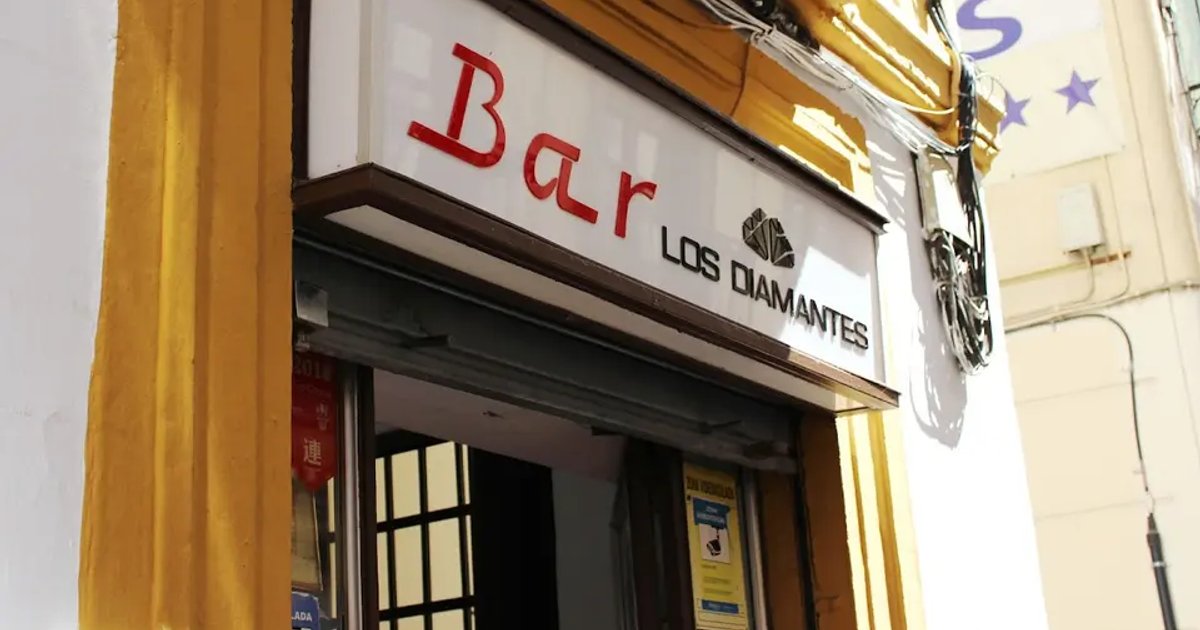
The pedestrian street running east from Plaza Nueva has the highest concentration of tapas bars in the city: around fifteen bars in 300 metres. Bodegas Castañeda (est. 1927) and Bar Los Diamantes (est. 1942) are the two names that end up on every recommendation list, for good reason — Castañeda for its in-house vermouth and whole-leg jamón, Los Diamantes for its pescaíto frito. Stick to the first two-thirds of the street from Plaza Nueva; the far end has drifted tourist-facing and the tapas reflect it.

Best for: A first night in Granada, high-density bar crawl, seafood tapas.

Realejo

The old Jewish quarter between the Alhambra hill and the city centre. More student bars than tourist bars. The tapas lean creative — more vegetables, rotating daily specials, fewer jamón-and-croqueta defaults. Calle Molinos and the streets around Campo del Príncipe are the heart of it. This is where locals from other parts of the city come for a second or third evening out.

Best for: Second or third evening, more unusual tapas, local crowd.

Lower Albaicín

Calle Calderería Nueva and Calle Elvira, climbing from Plaza Nueva into the old Moorish quarter. Fewer bars than Calle Navas but a more interesting walk between them. Taberna La Tana, down a side street off the main drag, is the bar that attracted international attention for its wine list and better-than-average kitchen. Some bars in this area serve Moroccan-influenced tapas: flatbreads, dips, spiced lamb.

Best for: Combining a tapas crawl with an evening walk through medieval streets.

Where not to eat

The bar cluster immediately outside the Alhambra gates is worth skipping. These places serve one-time visitors and know it — prices are higher, tapas are smaller, and the food quality is noticeably lower than anywhere in the city centre. Walk fifteen minutes downhill and the picture changes completely.

Better alternative: Any bar in the Realejo or around Plaza de la Trinidad.

Beyond tapas: Granada's markets and food shops

The city's food economy runs through two covered markets and a network of specialist shops that stock what the rest of Spain exports. If you want to bring something home, or if you want to eat what people actually buy rather than what bars serve tourists, the markets are where to go.

Mercado de Abastos San Agustín

Mon–Sat 08:00–14:30 · Calle Cristo de Burgos

The main covered market. Around 90 stalls selling fresh produce from the Vega, fish from the coast, jamón counters where legs hang from the ceiling and are sliced to order, olive oil from a dozen local mills, cheese from the Alpujarras, and the usual array of spices, dried goods, and ceramics. Go before 12:30 — the fishmongers pack up first and the jamón stalls thin out after 13:30. Saturday mornings are the busiest and the best stocked.

What to buy: Jamón de Trevélez sliced fresh, local olive oil (look for Aceite de la Contraviesa), Alpujarras goat cheese.

Mercado de la Hacienda Guadix

Weekends · Artisan food market

A weekend artisan market focused on small producers — honey from local hives, organic vegetables, homemade preserves, craft olive oils, and regional cheeses. Smaller and more variable than San Agustín but useful if you want direct-from-producer quality. Check current dates locally as it operates seasonally.

What to buy: Small-batch honey, artisan preserves, organic Alpujarras produce.

Bring a cold bag if you're buying jamón

Jamón de Trevélez travels well once vacuum-sealed, which most market stalls will do on request. Olive oil should go in checked luggage — airlines have confiscated a lot of it at security. The market stalls know this and can pack accordingly.

Guided food tours: are they worth it?

Honest answer: for first-time visitors with two or three days in the city, yes. For repeat visitors or people who've done the research, probably not.

What a good food tour gives you that self-guided tapas doesn't: a guide who explains why espinacas con garbanzos tastes the way it does (the Moorish spice profile, the specific cumin-vinegar balance), which bars have been doing this for 40 years versus which opened three months ago for tourists, and the narrative context that makes Granada's food distinct from the rest of Andalusia. That context is harder to absorb on your own in a short stay.

When a guided tour is worth it

  • First visit to Granada, limited time (2–3 days)
  • You want narrative context, not just the food
  • You're travelling alone and want company over dinner
  • Spanish food is unfamiliar and you want guidance on what to order

The honest price comparison

  • Guided tapas tour: €35–65 per person
  • Self-guided tapeo (3 bars, 5–6 drinks): €10–15 per person
  • The price gap is €20–50. That's the cost of the story, the selection, and the company.

Planning your food-lover trip

Granada rewards a longer stay for food. Three days gives you enough time to cover Calle Navas, the Realejo, the Albaicín, and the market without feeling rushed. Two days is workable. One day, focused entirely on food, is enough for the core experience but you'll be moving fast.

Best seasons for specific dishes

Practical notes

  • Restaurants serve lunch 14:00–16:00, dinner 21:00 onwards. Bars are open all day.
  • Menu del día (set lunch) runs €12–15 for three courses — the best-value sit-down meal in the city.
  • The market, Calle Navas, and most restaurants in the centro are all walkable from each other within 15 minutes.

Reporter notebook

What food lovers miss on a first visit

Practical observations gathered the way a local journalist would keep them: short, specific, and more useful than brochure copy.

What to order

Order remojón in spring — salt cod quality is higher

Remojón granadino depends on desalted bacalao. In spring, the cod that arrives from the Atlantic coast is still fresh from the winter catch — firmer, less papery, and it holds up against the orange and olive oil. By August, stocks are older and the balance falls apart. March through May is the window. If a bar lists it in October, ask when the cod arrived.

Local custom

The bar chooses the tapa — the best bars don't ask your preference

A bar that asks what tapa you want is usually covering for a kitchen that can't commit to a rotation. The best tapas bars in Granada send what the cook has decided on, and it changes with each round. If the bar asks you, it's not necessarily bad — but the places locals return to every week are the ones where the choice is made for you. Accept the plate and see what arrives.

Crowd tip

Mercado de Abastos closes at 14:30 — go before 12:30

The covered market on Calle Cristo de Burgos winds down hard after 13:30. Fishmongers pack up earliest; the jamón counters near the back entrance stay later. Go between 10:00 and 12:30 for the full run: fresh produce from the Vega, olive oil from a half-dozen local mills, cheese from the Alpujarras, and the jamón de Trevélez stalls that will slice to order. Saturday mornings are busiest but also when the selection is broadest.

Frequently asked questions

Frequently asked questions

Is it true that every drink in Granada comes with a free tapa?

Yes — this is not a myth or a selective bar policy. In Granada, any drink ordered at a bar comes with a free tapa chosen by the kitchen. Beer, wine, water, soft drinks — all qualify. The bar decides what to serve; you don't pick. The portion varies from a small dish of olives to a generous plate of jamón or croquetas, depending on the bar. The full guide to free tapas in Granada covers how the tradition works and which bars do it best.

What is the best dish to try first as a Granada food lover?

Espinacas con garbanzos — spinach and chickpeas cooked with cumin, paprika, and a little vinegar — is the dish that surprises people most. It arrives as a free tapa in many bars and costs almost nothing when ordered. The spicing is distinctly Moorish and you won't find it done the same way elsewhere. After that: remojón granadino, the salt cod and orange salad that only makes sense in spring when the cod is right.

What is remojón granadino and why is it unique to Granada?

Remojón granadino is a cold salad of desalted salt cod, orange slices, black olives, spring onion, and a good pour of local olive oil. The combination of sweet citrus and cured fish is unusual enough that most people have never seen it elsewhere. It is a direct inheritance from the Moorish kitchen — the flavour pairing was common in Al-Andalus and largely disappeared from the rest of the country after 1492. Granada kept it. Full remojón dish profile →

How much money should I budget for food in Granada?

For the free tapas circuit: €10–15 per person covers a full evening of four to six drinks across three bars, with a tapa plate included per drink. If you want a sit-down restaurant meal on top of that, add €15–25 per person for a three-course menu del día (typically €12–15 at lunch). A cooking class or guided food tour runs €35–65. Granada is genuinely cheap by Spanish standards: the combination of student economics and the free tapa system keeps bar prices lower than Seville or Madrid.

Are guided food tours in Granada worth the money?

For first-time visitors with limited time, yes. A good guide covers three carefully selected bars in 2.5–3 hours, explains what you're eating and why it tastes the way it does, and gets you into places you'd likely walk past. The value is the narrative, not the food itself — you could eat the same dishes for €10–15 on your own. The guided version costs €35–65 per person. The free tapas guide gives you everything you need to do it independently if you prefer.