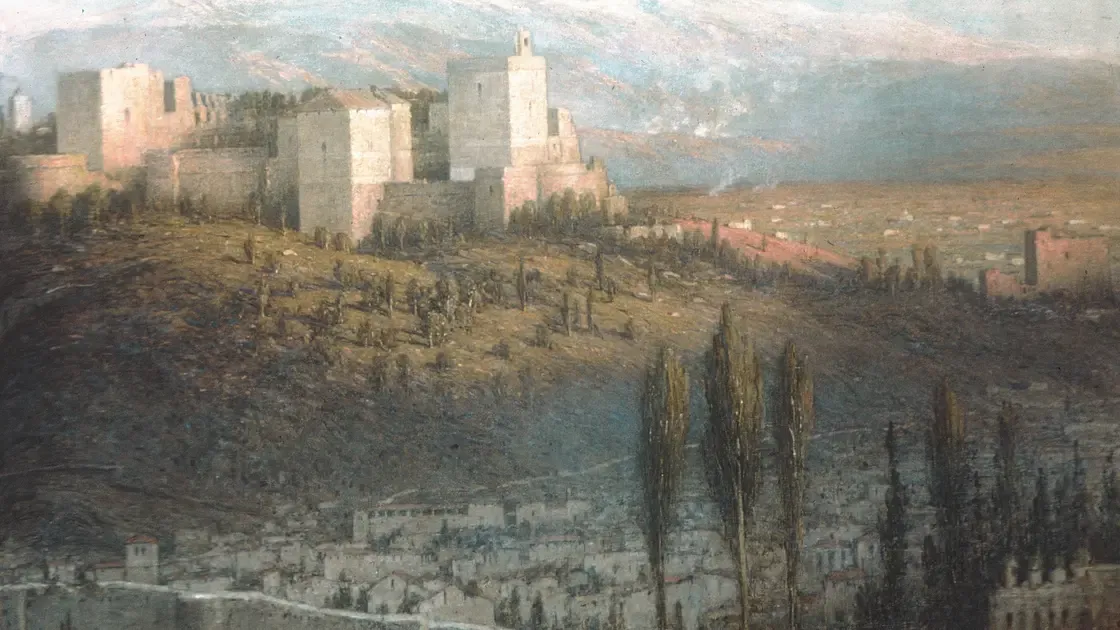
Alcazaba, Granada
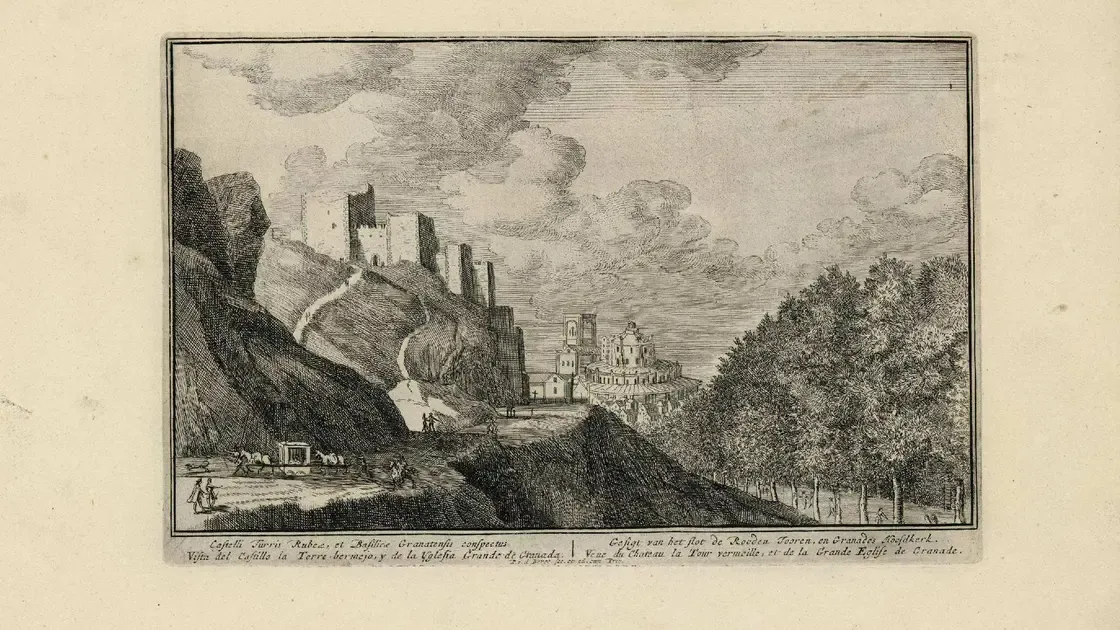
Granada's oldest fortress and the military core of the Alhambra, built in 1238. Its Watch Tower delivers panoramic views of the Albaicin and Sierra Nevada.
The Alcazaba towers over the Alhambra hill. Below, El Bañuelo's intact 11th-century hammam and the Corral del Carbón caravanserai tell the city's Moorish past.
Granada's oldest fortress and the military core of the Alhambra, built in 1238. Its Watch Tower delivers panoramic views of the Albaicin and Sierra Nevada.
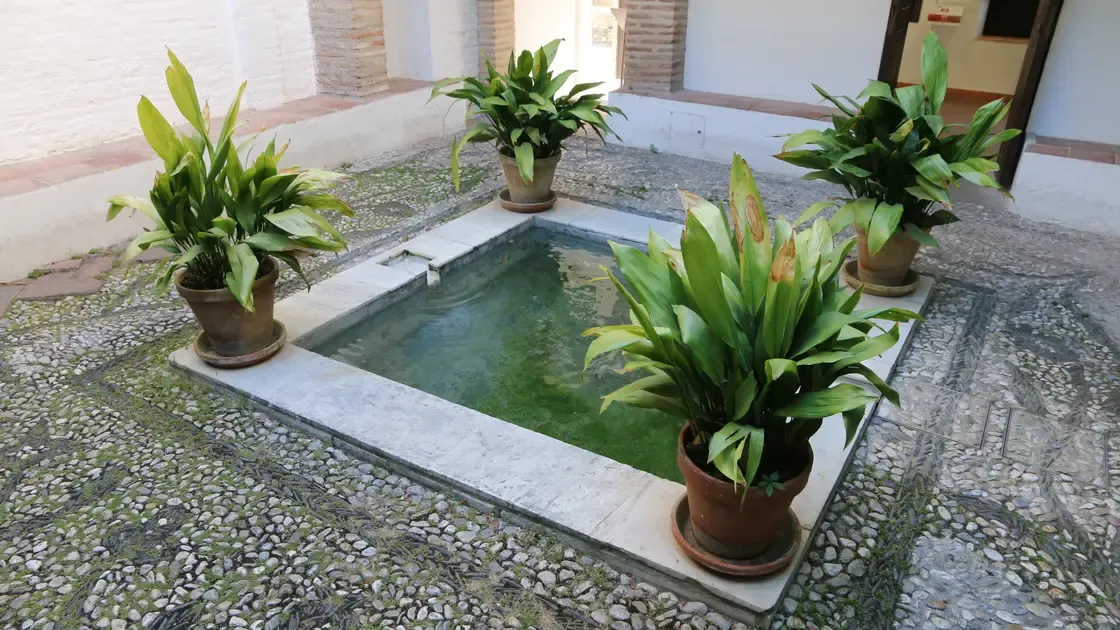
El Bañuelo on the Darro is the only Arab bath outside the Alhambra open to visitors, its 11th-century star-pierced vaults and marble columns largely original.
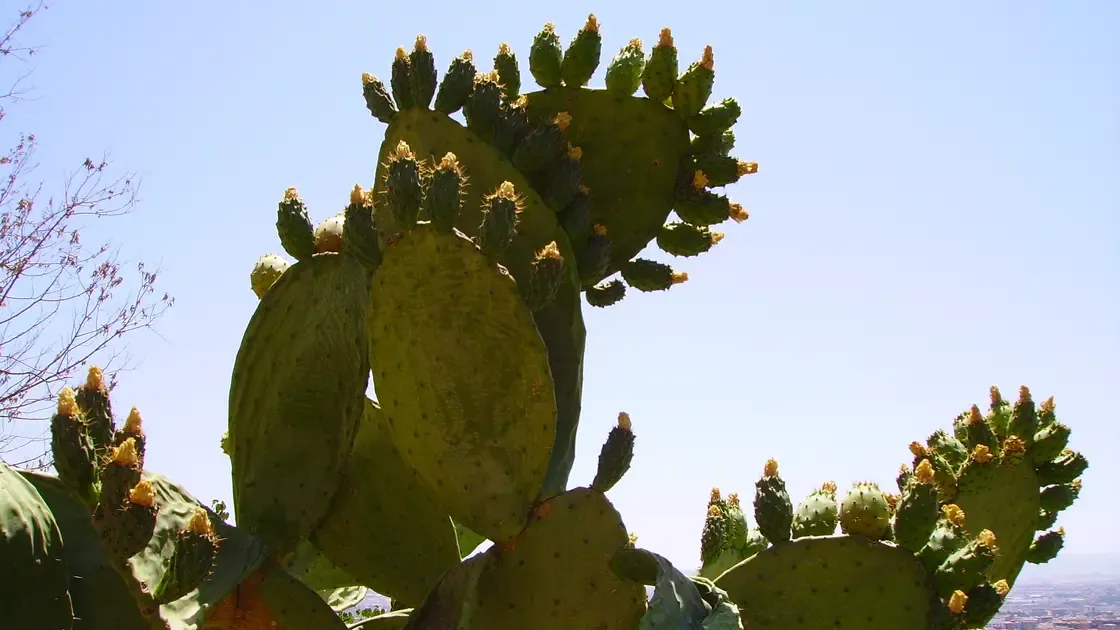
Seven-hectare Romantic estate on the Alhambra hill with free entry, roaming peacocks, five garden styles, and a Poets Route with verses by García Lorca.
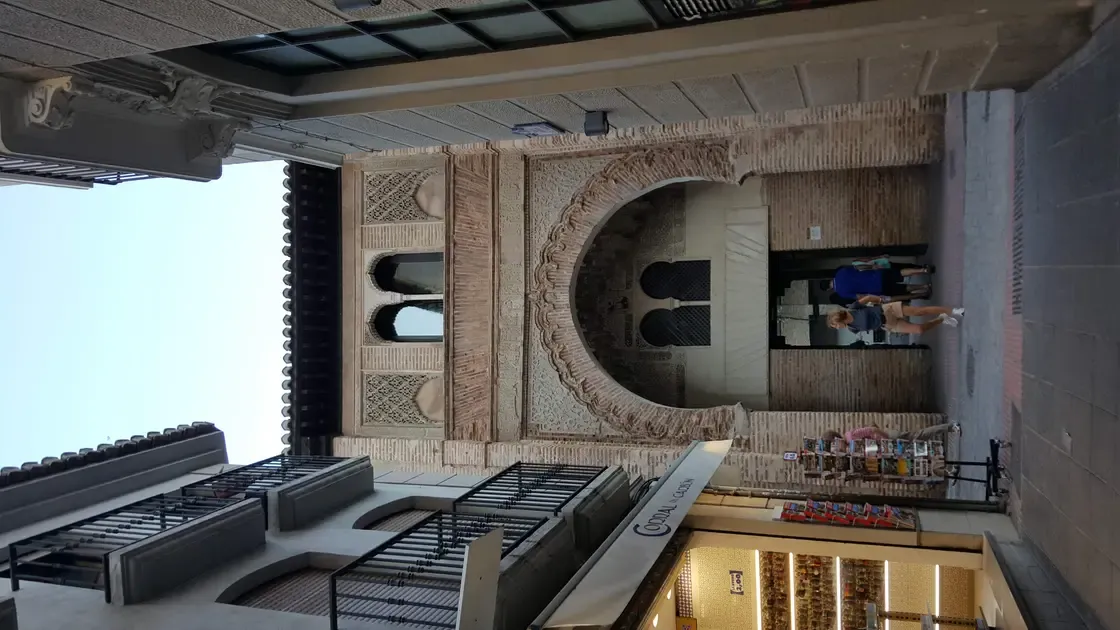
Granada's oldest Arab monument, the Corral del Carbón was built before 1336 as a Nasrid merchant inn, entered through an ornate horseshoe-arch portal.
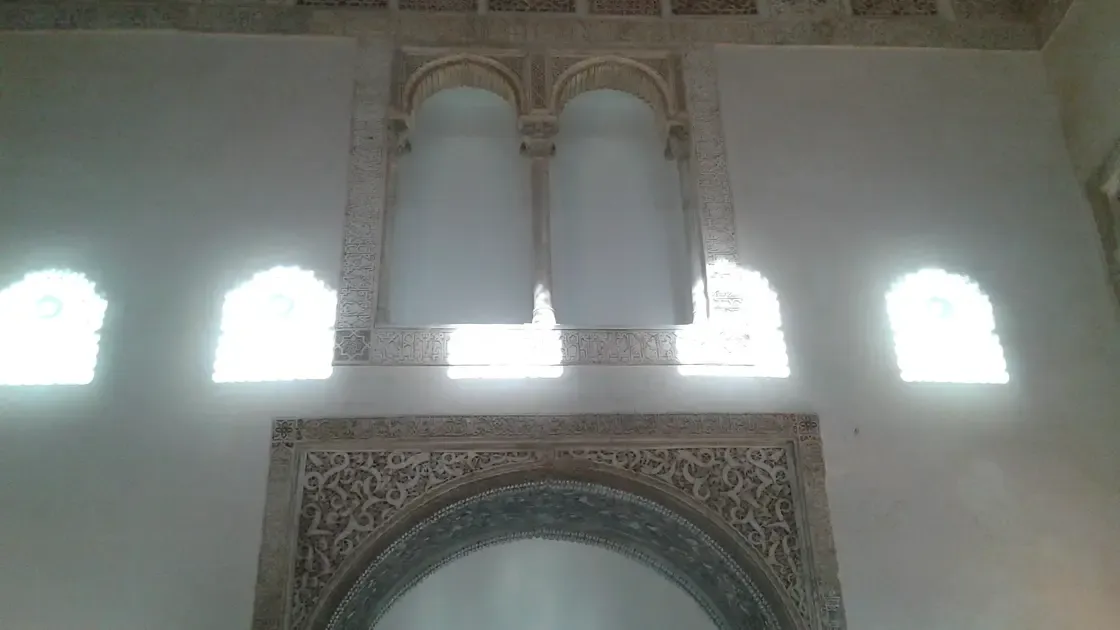
13th-century Nasrid throne room in the Realejo. A 7m qubba with muqarnas, Kufic inscriptions and glazed tiles — built 60 years before the Alhambra. €2 entry.
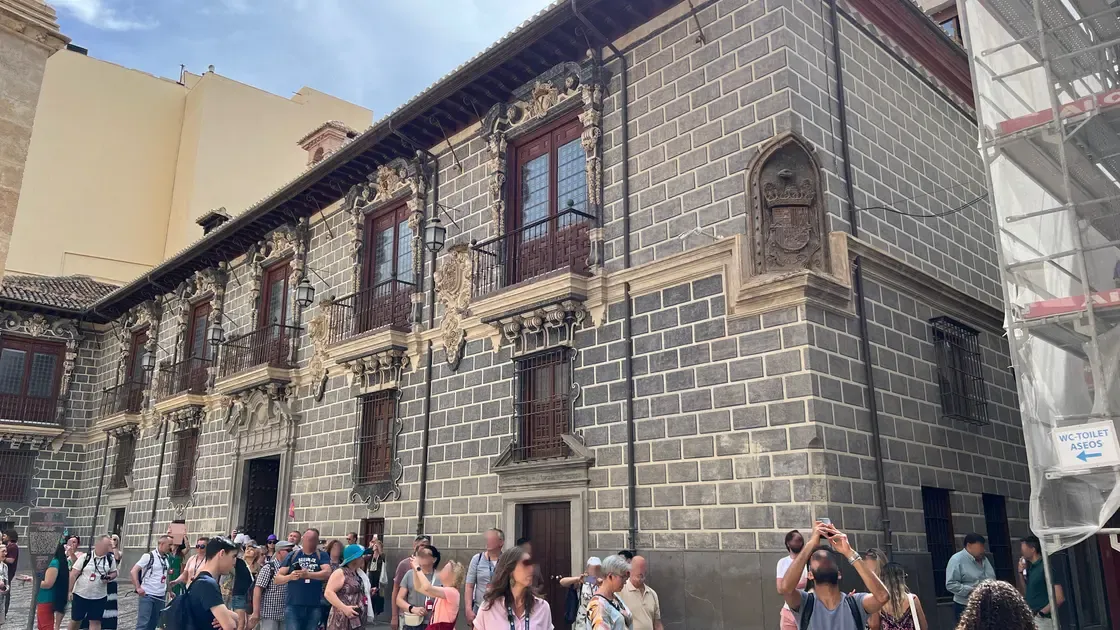
The Madraza, founded in 1349 by Sultan Yusuf I, was Granada's first Islamic college. Its Nasrid oratory and Baroque facade stand near the Royal Chapel.
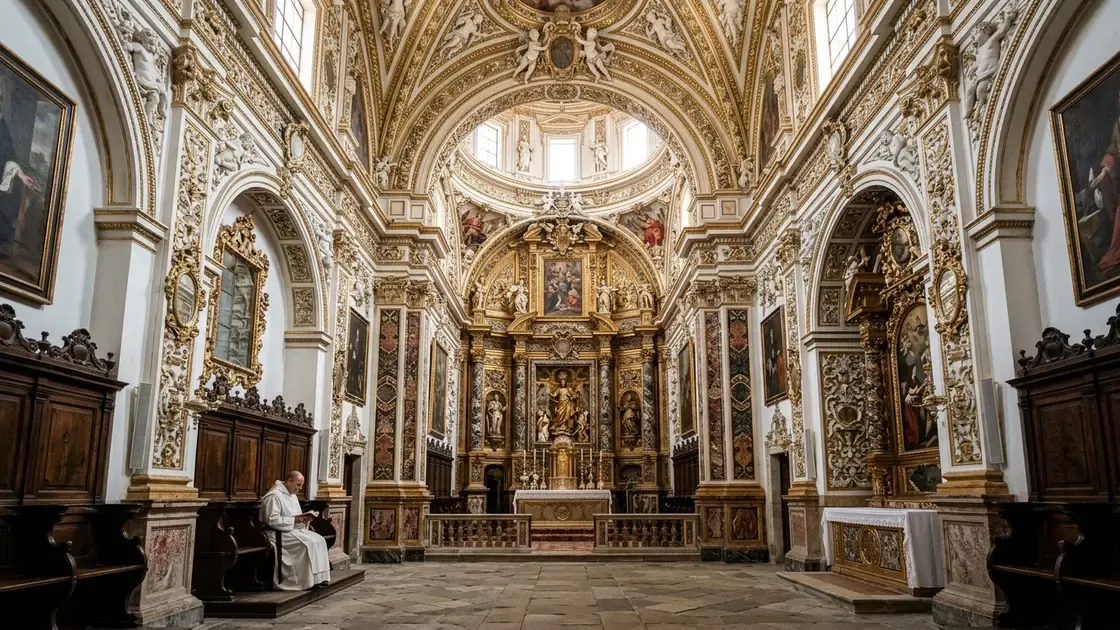
Founded in 1516 by El Gran Capitán, La Cartuja's sacristy is one of Spain's most ornate Baroque spaces — marble inlay, gilded altars, and near-total silence.
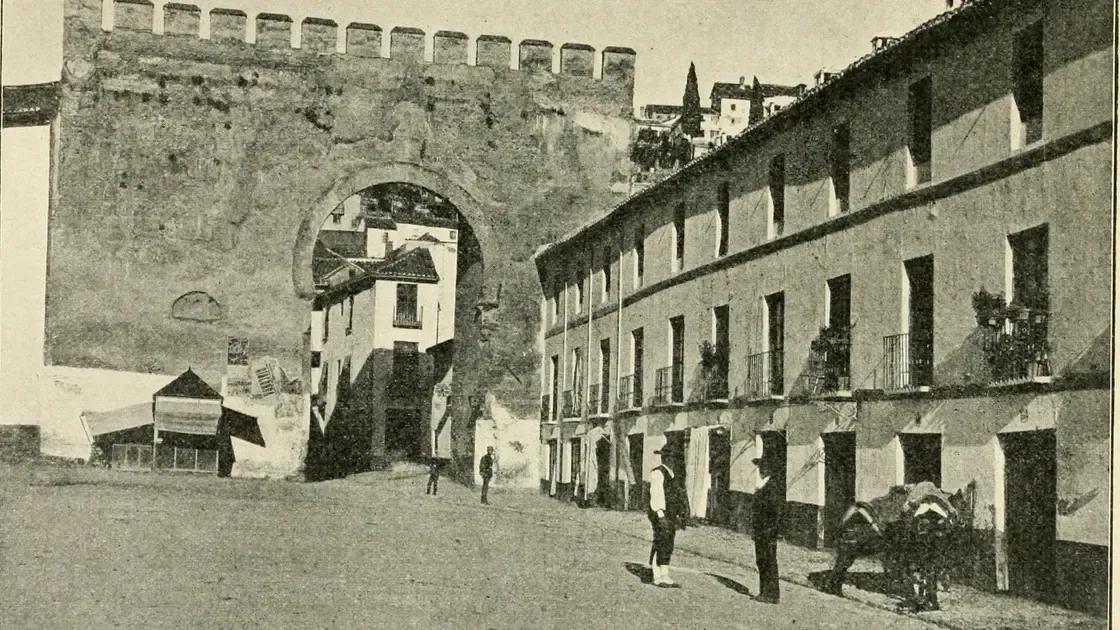
The 11th-century Zirid gate at the edge of the Albaicín — the western entrance to medieval Granada, free to enter, open 24/7, and older than the Alhambra.
Alhambra's main entrance, built by Yusuf I in 1348. A Hand of Fatima on the outer keystone and a Key on the inner encode the Five Pillars and royal power.
11th-century Moorish towers in the Realejo, remnant of Granada's original defensive walls. Free to view from outside, adjacent to the Alhambra complex.