Guide

Must-Try Dishes in Granada

From pionono pastries in Santa Fe to Sierra Nevada mountain platters: 10 dishes that define Granada's food culture, where to find them, and when to order them.

Granada has one practical advantage over almost every other Spanish city: a drink still comes with a free tapa here. That custom tells you something about how the city thinks about food. It treats eating as a communal act, not a transaction. The dishes on this list are the ones that make sense of that culture — some rooted in the Sierra Nevada villages, some in the Moorish kitchens of the Alhambra era, one invented by a pastry chef in 1897 in a small town 14 kilometres from the city centre.

The pionono is the only item here that Granada has kept largely to itself. It barely exists outside the province. The jamón de Trevélez, on the other hand, turns up everywhere: as a garnish, as a tapa, folded into a tortilla del Sacromonte. The salmorejo is a Córdoba import that Granada has quietly claimed by making its version thicker, colder, and topped with Trevélez ham rather than generic serrano.

The dishes here are the most genuinely local ones — the kind that appear at a family lunch in the Albaicín, at a village bar in Trevélez, at a spring tapa session during the Cruces de Mayo. Order these ten and you will understand Granada's food culture better than any tasting menu will tell you.

Ranked list

How we chose

The places on this list were selected against the following editorial criteria.

  • Cultural specificity — preference for dishes rooted in Granada's geography, history, or agricultural calendar rather than generic Andalusian food
  • Local availability — dishes actually served in Granada bars and restaurants, not just theoretically associated with the city
  • Seasonal accuracy — honest assessment of when each dish is at its peak versus when it should be avoided
  • Ingredient provenance — dishes that showcase the specific products of Granada province: Trevélez ham, Vega de Granada vegetables, Alpujarras mountain produce
  • Historical depth — dishes with traceable origins in the city's Moorish, Romani, or post-Reconquista cooking traditions

Reporter notebook

Insider tips

Practical observations gathered the way a local journalist would keep them: short, specific, and more useful than brochure copy.

Local custom

Never refuse the free tapa

In Granada, every drink order comes with a tapa chosen by the bar. You don't get to select it. In summer, salmorejo and espinacas con garbanzos appear regularly; in spring, habas con jamón or remojón. Order drinks you actually want and treat the food as a bonus. If you want to try specific dishes from this list, order them separately in addition to the tapa.

What to order

Ask for jamón de Trevélez specifically

Granada bars default to Trevélez ham for most dishes, but some use cheaper generic serrano. The difference matters: Trevélez ham is lightly salted and delicately sweet; serrano can be sharp and salty. When ordering plato alpujarreño, habas con jamón, or salmorejo, ask: '¿El jamón es de Trevélez?' at any bar that doesn't specify on the menu.

Top picks

Pionono de Santa Fe

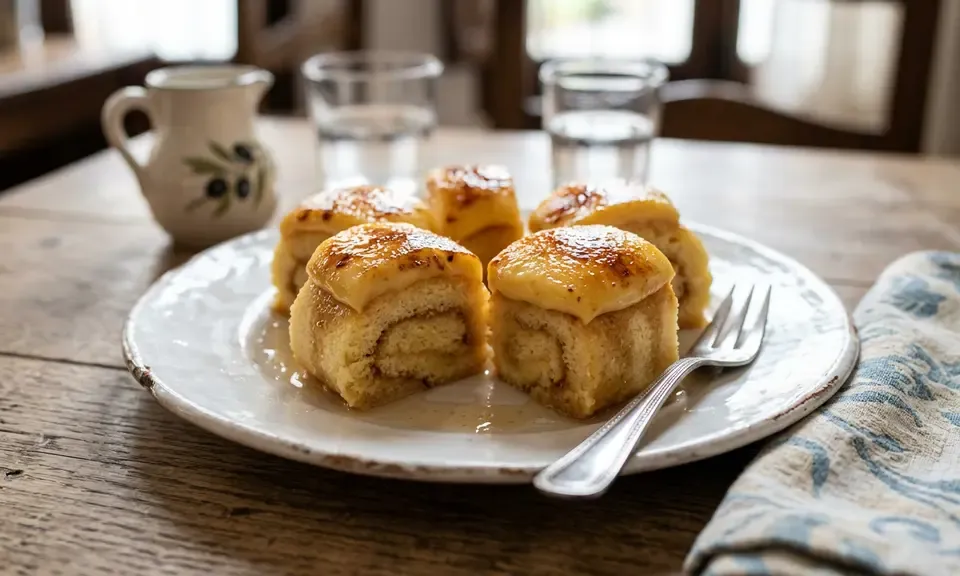
The pionono de Santa Fe is the one dish on this list most visitors never find. A cylinder of syrup-soaked sponge cake, filled with egg yolk cream and caramelised on top, it was created in 1897 by a pastry chef in Santa Fe (a small town 14 kilometres west of Granada) who named it after Pope Pius IX. In 1916 it received a royal warrant. The correct size is two bites. Eat it with a strong black coffee and nothing milky. Pastelería López-Mezquita on Calle Reyes Católicos does the city-centre version reliably; the original at Casa Ysla in Santa Fe still uses the 1897 recipe. Price: €1.20–1.80 per piece.

Jamón de Trevélez

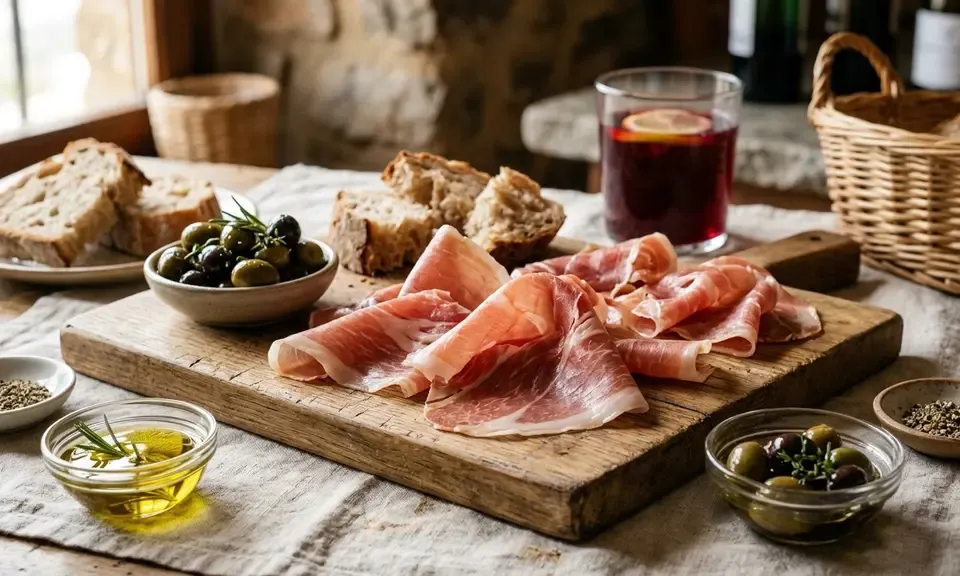
Jamón de Trevélez is cured at over 1,200 metres in the Alpujarras, the mountain range south of Granada that drops from the Sierra Nevada toward the Mediterranean. The altitude does most of the work: the cold, dry air and indigenous mountain microorganisms produce a lightly salted, silky ham with a delicate sweetness that lowland-cured pork never achieves. Under PGI rules, legs must age a minimum of 17 to 23 months; premium versions go to 30 months. Buy it fresh-sliced from a specialist shop in the Albaicín or city centre. Vacuum-packed versions lose the texture. Fresh-sliced runs €15–25 per 100g. Pair with cold Fino sherry.

Tortilla del Sacromonte

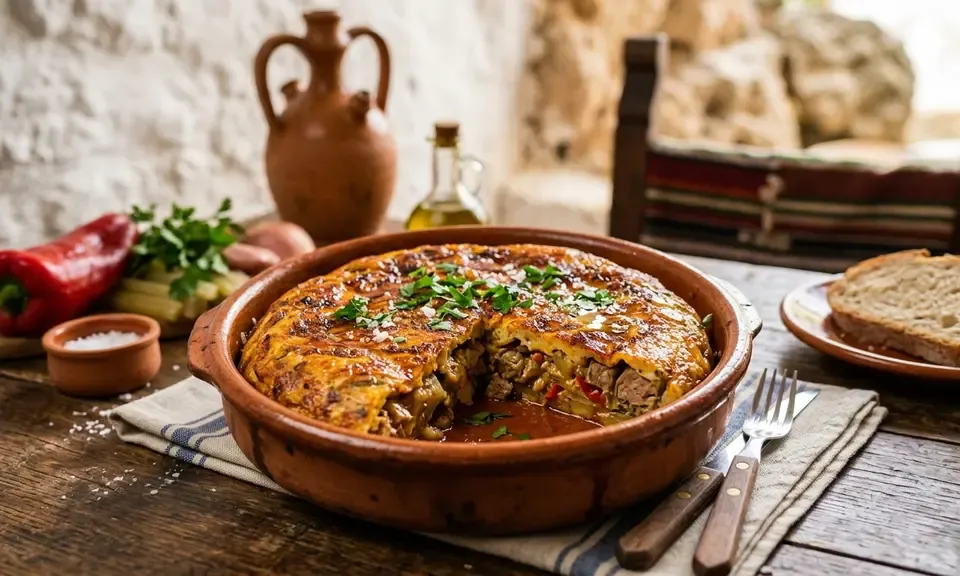
The tortilla del Sacromonte was developed in the cave dwellings above the Darro river by the gitano communities who settled there. The original recipe uses eggs, cooked pork or lamb brain, and testicles: the parts left after the rest of the animal had been used. Most Granada restaurants serve a modified version with jamón and chorizo instead of the offal. That version is edible but misses the point. For the real one, go to Casa Juanillo in Sacromonte, which cooks it in a cave setting. The offal flavour is milder than you expect: denser than a potato tortilla, slightly creamy, earthy. Order it with a glass of Vino de Granada or dry Amontillado.

10 places
  1. Pionono de Santa Fe

    Pionono de Santa Fe

    The pionono de Santa Fe is the one dish on this list most visitors never find. A cylinder of syrup-soaked sponge cake, filled with egg yolk cream and caramelised on top, it was created in 1897 by a pastry chef in Santa Fe (a small town 14 kilometres west of Granada) who named it after Pope Pius IX. In 1916 it received a royal warrant. The correct size is two bites. Eat it with a strong black coffee and nothing milky. Pastelería López-Mezquita on Calle Reyes Católicos does the city-centre version reliably; the original at Casa Ysla in Santa Fe still uses the 1897 recipe. Price: €1.20–1.80 per piece.

    Dessert
  2. Jamón de Trevélez

    Jamón de Trevélez

    Jamón de Trevélez is cured at over 1,200 metres in the Alpujarras, the mountain range south of Granada that drops from the Sierra Nevada toward the Mediterranean. The altitude does most of the work: the cold, dry air and indigenous mountain microorganisms produce a lightly salted, silky ham with a delicate sweetness that lowland-cured pork never achieves. Under PGI rules, legs must age a minimum of 17 to 23 months; premium versions go to 30 months. Buy it fresh-sliced from a specialist shop in the Albaicín or city centre. Vacuum-packed versions lose the texture. Fresh-sliced runs €15–25 per 100g. Pair with cold Fino sherry.

    Tapa
  3. Tortilla del Sacromonte

    Tortilla del Sacromonte

    The tortilla del Sacromonte was developed in the cave dwellings above the Darro river by the gitano communities who settled there. The original recipe uses eggs, cooked pork or lamb brain, and testicles: the parts left after the rest of the animal had been used. Most Granada restaurants serve a modified version with jamón and chorizo instead of the offal. That version is edible but misses the point. For the real one, go to Casa Juanillo in Sacromonte, which cooks it in a cave setting. The offal flavour is milder than you expect: denser than a potato tortilla, slightly creamy, earthy. Order it with a glass of Vino de Granada or dry Amontillado.

    Main Course
  4. Habas con Jamón

    Habas con Jamón

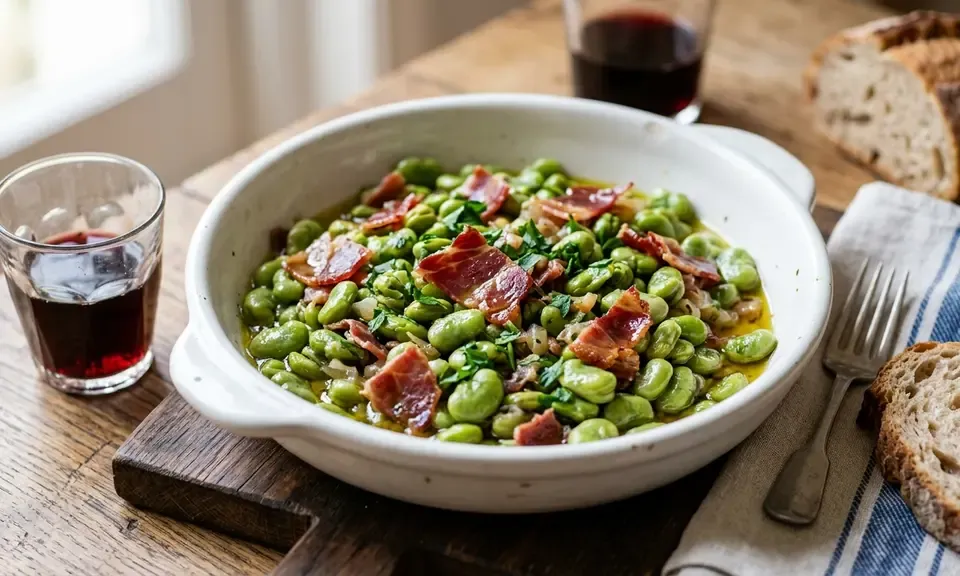
    Habas con jamón is a spring dish with a short season: late April through June, when fresh broad beans from the Vega de Granada or the Alpujarras foothills arrive in the markets. The beans are stewed gently in olive oil with strips of Trevélez ham. The ham fat melts into the oil and the beans absorb it, with garlic and cumin adding background warmth. A fried egg cracked on top is how Granada traditionally serves it, making the stew substantial enough for a main. Order it at bars in the Albaicín that chalk their menus daily; these are the ones buying fresh. Ask: '¿Son habas frescas?' before ordering. Outside the season, frozen habas make a serviceable version but the dish is different.

    Main Course
  5. Plato Alpujarreño

    Plato Alpujarreño

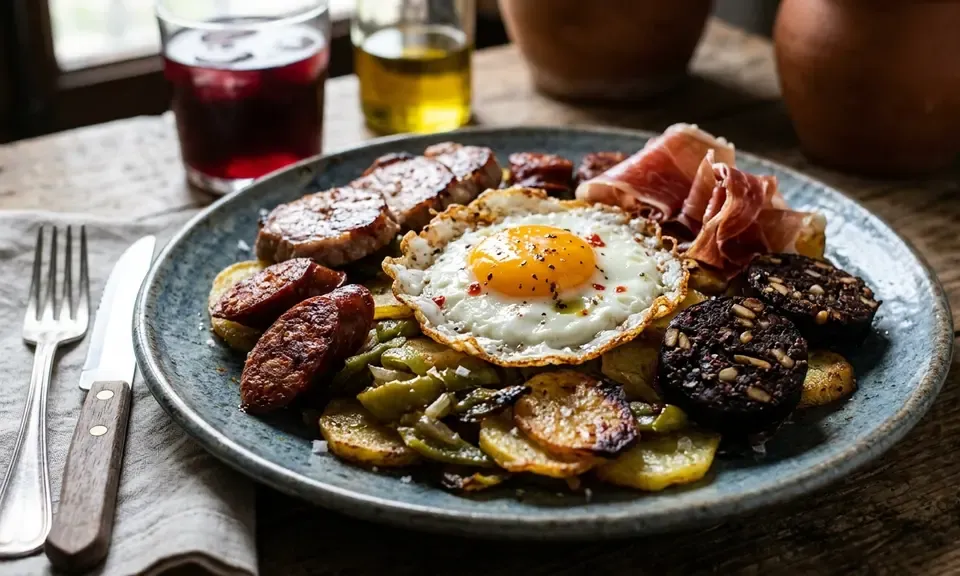
    The plato alpujarreño arrives as a platter of fried eggs, chorizo, morcilla, strips of Trevélez ham, and potatoes cooked a lo pobre in olive oil. Everything comes out hot and golden and saturated in pig fat. It is midday food designed for people who spent their mornings at altitude. Order it before noon and it feels excessive; at 1:30pm after a morning hike in the Sierra Nevada, it makes complete sense. Break the egg yolks into the potatoes, tear bread into the oil, work through it slowly. For the most genuine version, take the bus to Lanjarón, Pampaneira, or Trevélez and eat it in a village bar using ingredients from the local cooperative. The difference is significant.

    Main Course
  6. Migas Granadinas

    Migas Granadinas

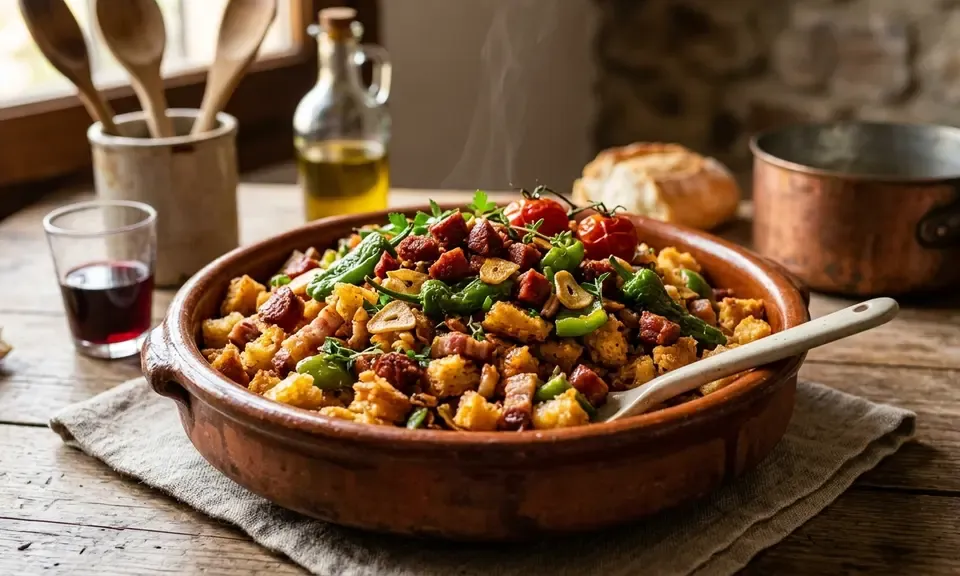
    Migas granadinas is the winter dish of the Andalusian countryside brought into Granada's bar culture. Stale breadcrumbs are broken fine, dampened overnight, then fried slowly in olive oil until they dry and separate into loose golden crumbs. Chorizo, bacon, and sometimes lard go in first to provide the fat; garlic, sweet paprika, and crushed dried chilli finish it. Granada's version often comes with grapes or melon on the side, the sweetness cutting through the richness. It's a tapa or a small main, eaten in the colder months when bars put it on their chalkboard specials. If you see it offered fresh on a cold November morning, order it.

    Main Course
  7. Ajoblanco

    Ajoblanco

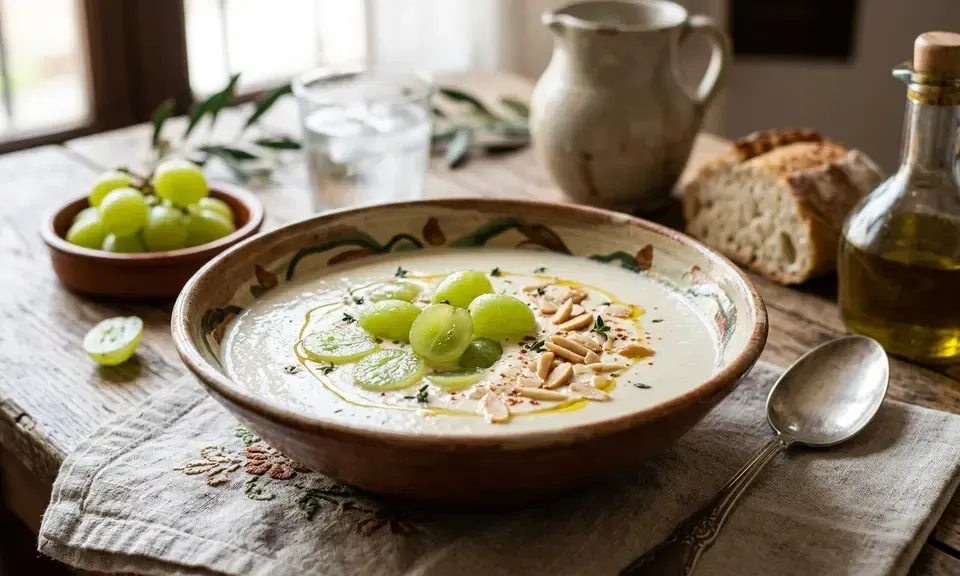
    The ajoblanco predates gazpacho by centuries. It came to Andalusia via the Romans and was established in the Moorish period, long before tomatoes arrived in Spain. The base is blanched almonds, garlic, stale white bread, olive oil, and white wine vinegar, blended until smooth and chilled. Granada's version is served slightly thinner than the Málaga one, and comes with a baked potato (papa asada) on the side rather than grapes. On a 38-degree August afternoon it is genuinely one of the most refreshing things you can order. Order it only May through September. In winter, the bars that still offer it often fail to chill it properly, and the point of the dish is the cold.

    Starter
  8. Espinacas con Garbanzos

    Espinacas con Garbanzos

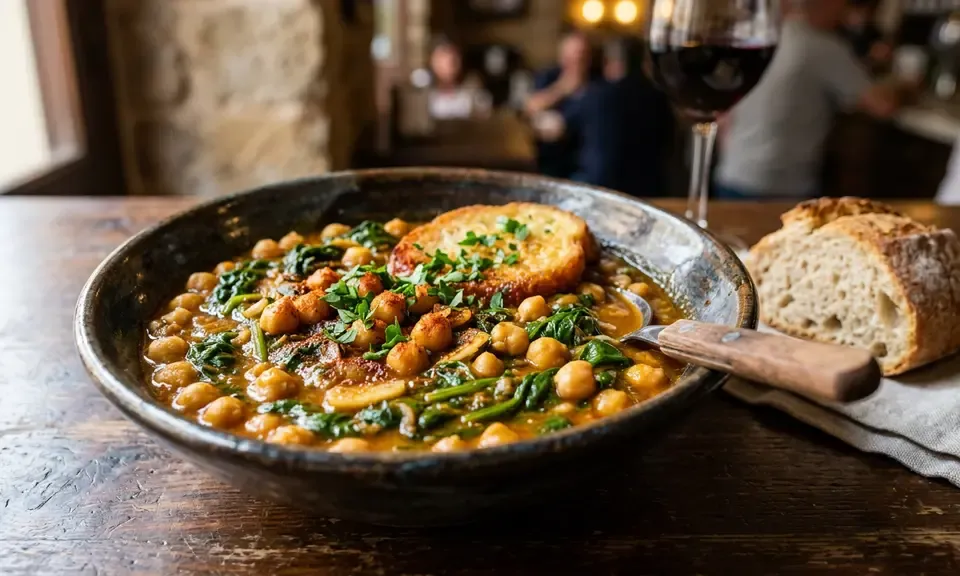
    Espinacas con garbanzos is cheap, filling, and one of the most common free tapas Granada bars bring without being asked. Chickpeas and fresh spinach stewed in olive oil with garlic, tomato, sweet paprika, cumin, and sherry vinegar. The spice combination is recognisably Moorish, built from ingredients that Nasrid-era cooks had cultivated across the south of the peninsula for centuries. The dish arrives hot in a small earthenware bowl, often with a wedge of fried bread on the rim. That bread matters: tear it into the sauce before eating. Bars along Calle Elvira and around Plaza de San Miguel Bajo in the Albaicín serve it well. Avoid versions near the Alhambra tourist restaurants, which use tinned chickpeas and powdered spices.

    Tapa
  9. Remojón Granadino

    Remojón Granadino

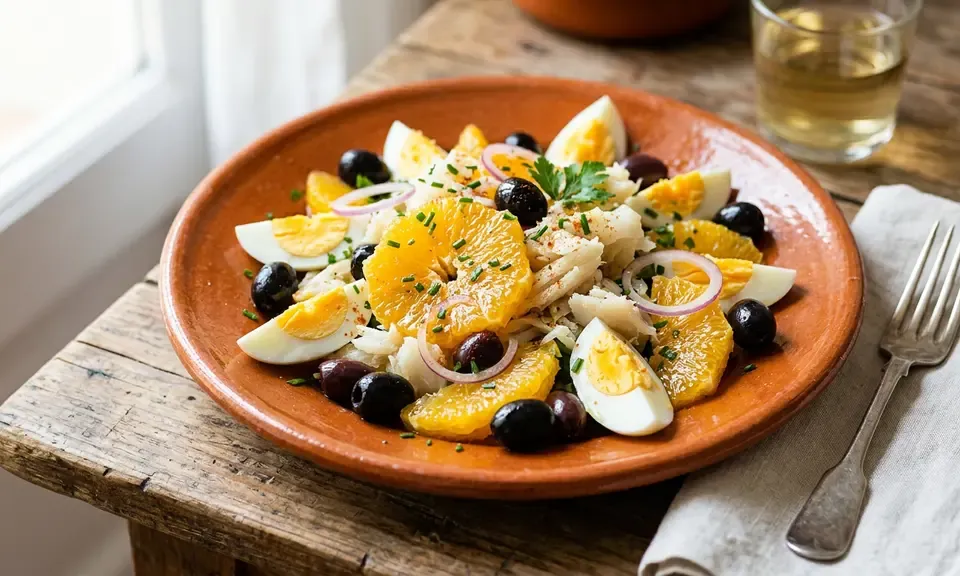
    Remojón granadino is one of the few dishes in Andalusia that belongs specifically to Granada. Desalted salt cod is crumbled into flakes and combined with segments of fresh orange, scallions, roasted red pepper, garlic, and black olives, then dressed in olive oil and sherry vinegar. The sweetness of the orange cuts through the salt still left in the cod; the olives add brine; the pepper adds body. The dish feels improbable until you eat it, then feels completely obvious. The best window is October through March, when winter oranges from the Vega de Granada have the acidity the dish needs. Summer remojón with bland oranges is a different, lesser experience.

    Starter
  10. Salmorejo

    Salmorejo

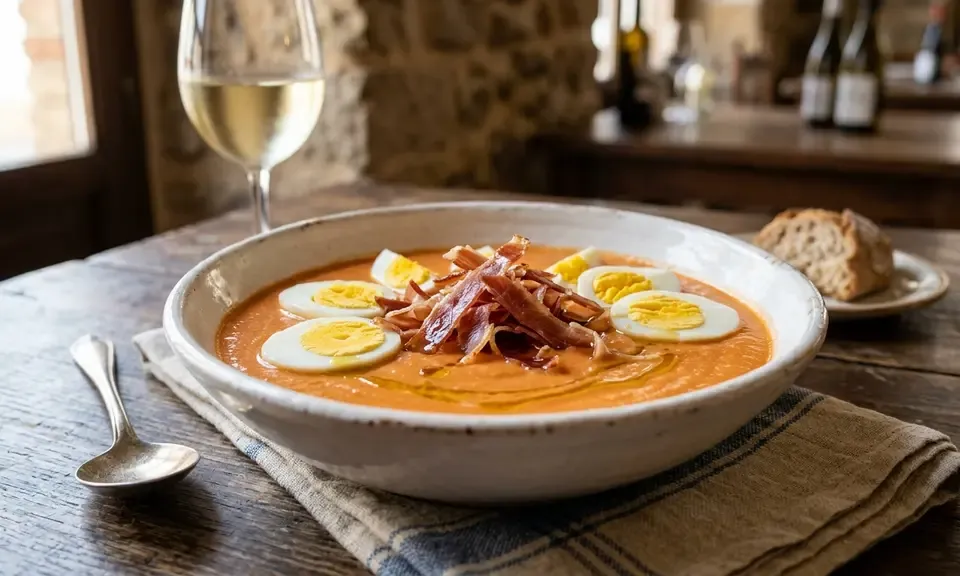
    Salmorejo originated in Córdoba, but Granada's version (sometimes called salmorejo granadino) earns its own position. The local preparation leans more heavily on wine vinegar and uses jamón de Trevélez as the garnish rather than generic serrano ham. The base is the same: ripe tomatoes and stale bread blended until thick and creamy, chilled properly, served with diced egg and ham on top. The difference between Granada's version and Córdoba's is subtle but consistent. The acid is sharper here; the garnish is better. Eat it in season, June through September, when Andalusian tomatoes have the concentration the dish needs. Order it at bars on Calle Navas where you may receive it free as a summer tapa.

    Starter

Two practical notes about eating in Granada. First, drinks come with free tapas in this city. Most bars bring a small dish with every drink order, and you don't choose which. In summer, salmorejo and espinacas con garbanzos appear often; in spring, habas con jamón. Eat what arrives and order another drink if you want more. Second, the mountain dishes on this list (plato alpujarreño, jamón de Trevélez) are genuinely better in the Alpujarras villages than in Granada city. The bus to Lanjarón takes 45 minutes; to Trevélez, about 90. If you're spending more than three days in the area, that journey is worth making. The food in a village bar in the Sierra Nevada, using ingredients from the local cooperative, is different from the city restaurant version. Both are worth eating, but only one is the original.

Frequently asked questions

What is the most iconic food in Granada?

The pionono de Santa Fe is the dish most specific to Granada province: a syrup-soaked sponge cylinder filled with egg yolk cream, created in 1897 in the town of Santa Fe. Outside Granada, it barely exists. After that, jamón de Trevélez is the food product most closely identified with the province: a PGI-protected mountain ham cured at over 1,200 metres in the Sierra Nevada foothills.

Is food in Granada different from the rest of Andalusia?

Yes, in two specific ways. Granada is one of the last cities in Spain where drinks still come with free tapas, a custom that has disappeared in most of Andalusia. The food itself also reflects the proximity of the Sierra Nevada: mountain dishes like plato alpujarreño and jamón de Trevélez don't appear in coastal Andalusian cities in the same way. Granada's Moorish culinary inheritance is also more visible here than in most Spanish cities. Dishes like espinacas con garbanzos and remojón granadino trace directly to that era.

What should I eat in Granada on a first visit?

Start with the four dishes that define what is genuinely local: a pionono with black coffee at a traditional bakery, a plate of jamón de Trevélez sliced fresh, a bowl of salmorejo in summer (or remojón granadino in winter), and whatever free tapa the bar brings with your first drink. These four cover the city's sweet tradition, its mountain produce, its cold-soup heritage, and its tapa culture in one afternoon.

Are there vegetarian or vegan dishes on this list?

Ajoblanco and espinacas con garbanzos are both vegan in their base recipes. Ajoblanco is almonds, garlic, bread, olive oil, and vinegar; espinacas con garbanzos is chickpeas, spinach, and spiced olive oil. Both need garnish checks at the bar: espinacas sometimes comes with a fried bread crouton made in lard, and some bars add ham to ajoblanco. The remojón granadino base (without the cod) is also vegan, though that defeats the dish's purpose. Salmorejo without its jamón and egg garnish is vegan.

Is the tortilla del Sacromonte worth ordering?

Yes, if you find the real version. The original recipe uses eggs, cooked brain, and testicles from pork or lamb. The dish was born from nose-to-tail cooking in the cave communities of Sacromonte. Most Granada restaurants now substitute jamón and chorizo, which produces an edible but unremarkable omelette. For the authentic preparation, go to Casa Juanillo in the Sacromonte barrio. The offal flavour is milder than you expect: earthy, slightly creamy, nothing like the strong organ-meat flavours that deter most people. It's one of the most historically honest tapas dishes in Andalusia.