The Albaicín, Sacromonte, Centro, and Realejo are four distinct places with genuinely different characters. Here is what walking each one feels like — and how they connect.
Seven years resident in Granada. Specialist in Nasrid architecture, Al-Andalus history, and Andalusian walking routes.
Published
Updated
Granada is a small city — you can walk from the Cathedral to the Alhambra gates in 25 minutes — but the four main neighbourhoods feel like four separate places. The Albaicín is a medieval hill quarter with a street plan that hasn't moved in a thousand years. Sacromonte is built into the limestone ridge east of it, with cave houses carved directly into the rock and a flamenco tradition that developed here and nowhere else. Centro is flat, practical, and anchored by a Gothic cathedral built on the site of the main mosque in 1523. Realejo, the old Jewish quarter, has traded its medieval character for street art and tapas bars.
This guide covers what each neighbourhood looks and feels like on foot: the textures underfoot, who's on the streets, what the buildings give away, and what they conceal. For accommodation decisions — prices, trade-offs, which one to sleep in — see the where to stay in Granada guide.
Four neighbourhoods, four different cities
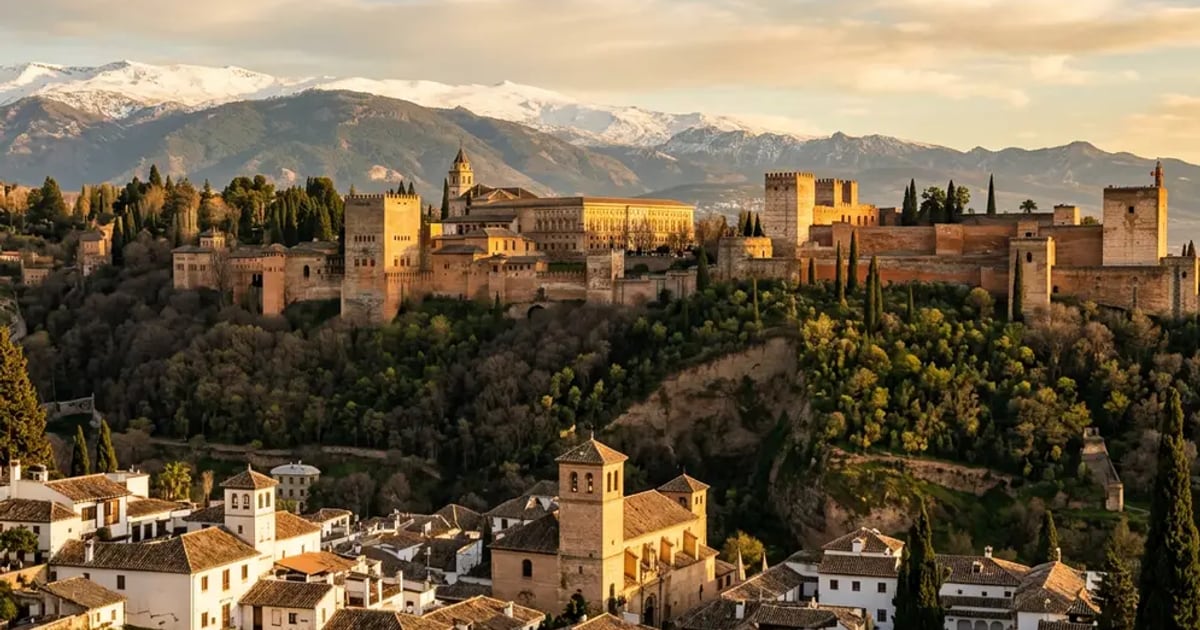
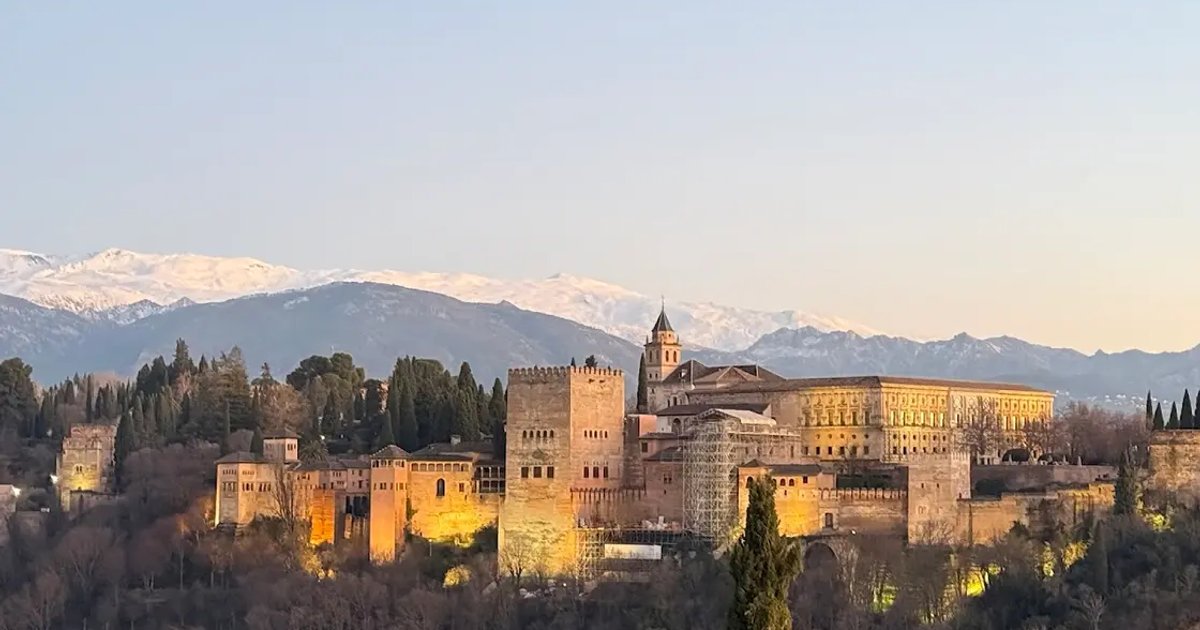
The geography matters here. Granada sits in a wide valley with the Sierra Nevada behind it, and its historic centre grew on two facing hills divided by the Darro river gorge. The Alhambra sits on the southern hill. The Albaicín and Sacromonte occupy the northern hill opposite, looking across the gorge at the palace walls. The gap between them is not decorative — it was the strategic reason the Nasrid sultans chose that site. You can stand in the Albaicín and see the Alhambra's entire profile at eye level.
Centro and Realejo fill the valley floor between the two hills and extend south and west. This is Granada's flat ground: the Cathedral, the main shopping streets, the bus stops, the restaurants where locals eat on a Tuesday. It is also the newer layer of the city — most of what you see in Centro was built after 1492, when the Catholic monarchs set about replacing the Islamic city with a Spanish one.
The four together give you the full palimpsest of Granada: 11th-century Islamic medina in the Albaicín, 15th-century Romani settlement in Sacromonte, 16th-century Christian conquest in Centro, and the modern city layered over all of it. No single neighbourhood makes complete sense without the others.
Where to stay vs where to walk
This guide focuses on the character and atmosphere of each area — what it looks and feels like on foot. For practical accommodation decisions (prices, trade-offs, booking timing), the where to stay in Granada guide covers those questions directly.
Albaicín: the medieval hill quarter
The Albaicín is the oldest continuously inhabited part of Granada. Islamic settlement on this hill predates the Nasrid dynasty — the neighbourhood's street plan, the layout of lanes, the location of the main squares, the placement of the cisterns, all of it goes back to the 11th and 12th centuries. After 1492 the Muslims were expelled and Christians moved in, but the physical structure of the hill was too steep, too dense, and too expensive to rebuild. What you walk through today is the same network of lanes that existed when Granada was a sultanate.
UNESCO listed the Albaicín in 1994, extending the 1984 World Heritage designation of the Alhambra. The distinction in the citation is worth noting: it is listed as the most complete surviving medieval Islamic residential quarter in the Iberian Peninsula. Not a palace, not a monument, but a residential neighbourhood. The houses are behind high whitewashed walls. The life is inside, around internal patios or in walled gardens called carmenes. From the street you see almost nothing — a wooden door, a wall, occasionally the top of a lemon tree. In April and May the orange blossom crosses the wall into the lane whether you want it to or not.
Walking the lower Albaicín
The most direct entry from Plaza Nueva is Calle Calderería Nueva, which climbs steeply through a run of teterías selling mint tea and almond pastries. It's touristy but the tea is real. The street continues as Calderería Vieja, then opens into the wider lanes of the middle quarter. This route takes 15 minutes of solid uphill walking to reach the first viewpoints. The cobblestones are worn smooth — flat shoes with any grip at all are fine; heels are not.
Mirador de San Nicolás
The Mirador de San Nicolás is the terrace square in the upper Albaicín that looks directly at the Alhambra across the gorge. Midday and around sunset it fills with tour groups, buskers, and incense sellers. Before 9:00 in the morning it has a few retired locals, one photographer, and silence. The Alhambra walls catch the east light directly at that hour. The quality of the experience depends almost entirely on timing. Walk up early or go after dark, when the crowd drops and the palace is lit from below.
The upper streets and Plaza Larga
Most visitors turn around at San Nicolás and walk back down. The streets above it, toward Plaza Larga and north through the residential quarter, are where the tourist traffic thins out. A small Friday morning market sets up in Plaza Larga. The bars on the edge of the square have local customers in the evenings. The streets here feel like a neighbourhood because they are one: laundry on lines across the lane, cats on warm walls, the sound of a television through an open window. This upper section is quieter and more residential than anything in the lower Albaicín.
Carrera del Darro: the river approach
The alternative entry to the Albaicín from Plaza Nueva is along the Carrera del Darro, the road that follows the river eastward with the Alhambra cliff rising on the right and the Albaicín hill on the left. Medieval bridges cross the water at intervals. The sound of the Darro is audible before the city traffic takes over mid-morning. About 500 metres along, a low iron gate on the left marks the entrance to El Bañuelo, an 11th-century bathhouse with star-shaped skylights that predate the Alhambra by 200 years. Easy to miss; worth 20 minutes.
For a structured route through the quarter, the complete Albaicín guide covers timing, the key viewpoints, and the lanes that most visitors skip. A guided Albaicín walking tour (from €15) adds the historical context that makes the lane network readable. For the specifically Moorish and Islamic layers of the quarter — the surviving Arabic buildings, the hammam ruins, and the teterías — the Granada Arabic quarter guide focuses on those threads in detail.
Sacromonte: caves, flamenco, steep paths
Sacromonte is the ridge east of the Albaicín, separated from it by the Cuesta del Chapiz road. The houses here are not built on the hillside. They are cut into it. Since the 15th century, when Roma families settled on the limestone ridge after the Christian conquest, people have been extending natural caves into homes: whitewashing the interior walls, setting wooden doors into the rock face, adding chimneys that protrude from the hillside above like small white towers.
The art form native to this hillside is zambra — the flamenco style developed here from Arabic ceremonial dance. The cave venues where zambra is performed are not purpose-built theatres; they are the same caves people have lived and worked in for generations. Capacity at the family-run venues runs from 20 to 60 people. The ceiling is low limestone. There is no PA system. When the heelwork starts, you feel it through the bench.
The Camino del Sacromonte
The main path through the neighbourhood runs east along the ridge from the Cuesta del Chapiz junction. White chimney stacks protrude from the hillside above wooden doorways. The Alhambra is visible across the Darro gorge for most of the walk. In late afternoon, when the palace walls turn ochre, the view from the camino matches anything at Mirador de San Nicolás. The path climbs past the Caves Museum (about 15 minutes from Chapiz) to the Sacromonte Abbey at the top (a further 10 minutes). Most visitors turn back at the abbey.
Sacromonte Caves Museum
The Museo Cuevas del Sacromonte interprets cave life through eleven themed rooms: domestic quarters, a forge, a pottery workshop, the basketwork trade that sustained many families, and the cave kitchen design that kept interiors cool through Granada's July heat. Entry is around €5. Allow 45 to 60 minutes. Go in the morning; by early afternoon in summer the path is exposed and warm.
The flamenco evening
The main cave venues — Cueva de la Rocío, Venta El Gallo, Zambra María la Canastera — have been run by the same families for decades. Shows start at 21:00 or 22:00. A standard ticket runs €26 to €33. Book directly with the cave rather than through hotel concierges, who tend to book whichever venue pays the highest commission. In summer, 48 hours ahead is barely enough for the smaller caves. See the full Sacromonte guide for venue comparisons and practical logistics.
Sacromonte during the day is quieter and less commercial than the Albaicín. The cave houses along the lower camino are private residences — lived in, with television aerials and flower pots at the door. The neighbourhood rewards the kind of walking that has no fixed destination. Most of the best views require turning off the main path and finding a ledge.
Centro and Realejo: cathedral square to street art
Where the Albaicín and Sacromonte are defined by what the Christians didn't build after 1492, Centro is defined by what they did. The Cathedral of Granada, begun in 1523 on the site of the main mosque, is the largest building in the city and one of the first Renaissance churches in Spain. The Royal Chapel next to it holds the tombs of Ferdinand and Isabella. The square outside is busy most of the day with tour groups gathering around flag-carrying guides.
Step off the Cathedral square and Centro becomes a different kind of place: the main shopping streets, the covered Alcaicería market (rebuilt in Moorish style in the 19th century after a fire, on the site of the original silk market), and the restaurants on Calle Navas where the tourist menu disappears and the raciones get larger. For a curated breakdown of what to actually buy — taracea woodwork, Fajalauza ceramics, and where to find locally made goods beyond the souvenir strip — the Granada shopping guide maps the best addresses across the city. The ground is flat. The streets are wide enough for delivery trucks. It is, in most respects, a Spanish city centre: familiar in its bones, whatever the architecture above street level. For a focused guide to the Cathedral district, the Royal Chapel, and the historic core — including what to see, opening hours, and how to route a morning through the area — see the Centro Histórico guide.
Realejo: the old Jewish quarter
Realejo sits south of the Cathedral, between Centro and the Alhambra hill. The Jewish community lived here until their expulsion in 1492. The street plan is older and narrower than central Granada, and in the past decade it has become the city's main street-art district. Large-scale murals cover building walls, transformer boxes, and stairways. The work ranges from local artists to international names; some pieces are good, some aren't, and the best ones are on the side streets where nobody put them to be noticed. The concentration is highest around Calle Molinos. The area also has good tapas bars and contemporary flamenco venues, with prices aimed more at locals than at the Cathedral crowd. The Realejo neighbourhood guide covers the street-art circuit, the best tapas bars, and what's worth a detour.
What Centro is actually for
The Cathedral and Royal Chapel are worth a morning. The rest of Centro is the city's operational core: where the buses converge, where the pharmacies and supermarkets are, where you go for a coffee at a bar that charges €1.30 instead of €3. Its value as a base for visiting Granada is real — flat streets, easy access, bus connections to everywhere. Its value as a destination in its own right is more limited. The atmosphere is pleasant rather than extraordinary.
Newer residential districts
Beyond the historic core, Granada expands into modern residential districts that most visitors pass through on the bus without stopping. Zaidín, south of the centre, is the largest of these: modern apartment blocks, local restaurants, supermarkets, parks, and a strong university presence. It has no particular heritage to see, but it is the part of Granada where most people actually live. The tapas bars here charge normal prices, the streets are flat, and a 10-minute bus ride gets you to Plaza Nueva. Zaidín is also home to Nuevo Los Cármenes, the stadium of Granada CF — the club that reached a Europa League quarter-final in 2021. See the Granada CF guide for match tickets, stadium tours, and what a match day in the district actually looks like.
Other districts — Chana, Beiro, and the newer western developments — are in the same category: residential Granada, ordinary in the best sense. These areas make more sense for longer stays (a week or more) than for short visits. If you are here for the monuments and neighbourhoods, you will not need them. If you are staying a fortnight and want to understand how the city actually works, spending an afternoon in Zaidín is the fastest way to see it.
Which neighbourhood suits what you want
The choice depends on what kind of walking — and what kind of experience — you're after. Prices and accommodation options are covered separately in the where to stay guide; the table below is about character and atmosphere.
You want to feel the age of the place
Albaicín. No other part of Granada has kept its pre-1492 street plan intact. Walk up from Plaza Nueva early in the morning and the lane network, the hidden plazas, and the blank whitewashed walls that conceal whole gardens give you a legible sense of what a medieval Islamic city looked like. The Alhambra visible across the gorge adds context to everything.
You want a genuinely unusual evening
Sacromonte. Walk the Camino del Sacromonte at dusk with the Alhambra turning red across the gorge, then sit in a limestone cave for an hour of zambra flamenco with no microphone and 30 other people. The cave venues in Sacromonte are not theatrical recreations. They are the places where the tradition developed, and they still look it.
You want photographs nobody else has
Albaicín before 8am, or Sacromonte at golden hour. The Mirador de San Nicolás crowds empty before the tour groups start at 10:00. The upper camino in Sacromonte at dusk, with the cave chimneys against the sky and the Alhambra walls turning colour, is less visited than the mirador and the light is better in the late afternoon.
You want to eat well without tourist pricing
Realejo or Centro side streets. The tapas bars in Realejo, particularly around the streets south of Campo del Príncipe, price for local customers. Same in the Centro streets one block off the Cathedral square. Granada still has the tradition of free tapas with a drink in many bars — you order a beer or glass of wine and a small plate arrives automatically. That tradition is strongest in the bars that don't have English-language menus on the door.
You're navigating with children or limited mobility
Centro, then Carrera del Darro. The flat valley floor is manageable for pushchairs and anyone avoiding steep terrain. The Carrera del Darro is paved and gives you the visual relationship between the two hills (Alhambra and Albaicín) without requiring a climb. The Cathedral and Alcaicería market work well with children. The Albaicín above the river requires accepting steep cobbled lanes and stairs from that point on.
Walking between the neighbourhoods
The neighbourhoods connect on foot in ways that make Granada work well as a walking city. The distances are short; the elevation changes are the main variable.
Plaza Nueva to Mirador de San Nicolás (Albaicín)
25 to 35 minutes uphill via Calle Calderería Nueva, or 30 minutes flat then steep via Carrera del Darro and Cuesta del Chapiz. The C31 and C32 minibuses run from Plaza Nueva and save the climb (€1.40, every 10 to 15 minutes). Walking up and taking the bus down is the sensible approach in warm weather.
Albaicín to Sacromonte
From Mirador de San Nicolás, the path continues east along the ridge to the Sacromonte cave district: 15 to 20 minutes on a footpath above the Darro gorge with the Alhambra visible the whole way. Alternatively, descend to the Cuesta del Chapiz and walk up the Camino del Sacromonte from below (about 25 minutes). The ridge route is scenic; the lower route is easier on tired legs.
Sacromonte back to Centro
From the lower Camino del Sacromonte, buses 31 and 32 run back to Gran Vía and Puerta Real. The walk down via the Carrera del Darro (30 minutes) is one of the better urban walks in the city: downhill on the riverside path with the Alhambra on your right the entire way. After a flamenco show ending at 22:30, taking the bus or a taxi is the practical choice.
Centro to Realejo
10 minutes on foot, entirely flat. Walk south from the Cathedral along any of the streets running toward Campo del Príncipe. The transition from tourist-facing Centro to residential Realejo happens quickly — within two blocks the restaurant menus change language and the prices change with them.
The full-day sequence that works
Morning in the Albaicín (up via Carrera del Darro, El Bañuelo at 10:00, walk to Mirador de San Nicolás, tea in the upper lanes). Lunch in Realejo. Afternoon walk across to Sacromonte via the ridge path. Museum and abbey, then walk the camino as the light drops. Flamenco show at 21:00. Bus back to Centro. That covers all four historic areas in one day without a taxi and with the neighbourhoods in the right sequence.
Book Albaicín and Sacromonte tours
Tours are selected for quality, not commission. We earn a small fee if you book — at no extra cost to you.
Walking tours covering both neighbourhoods, with and without flamenco
Yes, with the same awareness you'd bring to any city. Albaicín and Sacromonte are both safe during the day and on evenings when the streets are active. The main lanes — Carrera del Darro, Camino del Sacromonte, the streets around Mirador de San Nicolás — are busy with other visitors and well-lit. The upper reaches of both hills go quiet after dark; avoid isolated alleys late at night in the upper Albaicín if you don't know the area.
Centro and Realejo are the most straightforward: busy, well-lit, and standard European-city safe. Petty theft (pickpocketing) happens in crowded spots like the Cathedral forecourt and around the main bus stops — keep bags closed and phones pocketed in crowds.
Which neighbourhood is best for a first visit to Granada?
Spend at least part of your first day in the Albaicín. The lane network, the view from Mirador de San Nicolás, and the Carrera del Darro riverside walk set up everything else you'll see in Granada — once you understand the geography, the Alhambra makes more sense. Come to the Albaicín in the morning (before 10:00 the streets are quiet) or walk the Carrera del Darro at dusk.
Use Centro as your logistical base: flat streets, good buses, easy access to everywhere else. The best rhythm for a short trip is Albaicín half-day, Sacromonte evening, Centro for meals and transitions.
Is the Albaicín or Sacromonte better for views of the Alhambra?
Different views, different light, different atmosphere. The Mirador de San Nicolás in the Albaicín gives you the Alhambra's full south face at eye level, framed by the Sierra Nevada behind it. It's the postcard view — and it's crowded as a result. Go before 9:00 in the morning or after dark when the crowd drops and the palace is lit from below.
The upper Camino del Sacromonte gives you the Alhambra from a slightly different angle, to the south-west, with the Darro gorge in the foreground and the cave chimneys of the hillside framing the shot. In late afternoon the palace walls turn ochre and the cave faces catch the same light simultaneously. That combination — two geological layers, same golden hour — is Sacromonte's specific advantage. It's less crowded than the mirador and the photography window is longer.
Is the Albaicín worth a visit even if you're not staying there?
It's one of the few places in Spain where a medieval residential street plan has survived intact. The lanes between Plaza Nueva and Mirador de San Nicolás are the same ones laid down in the 11th and 12th centuries. Walking them, with the Alhambra visible through gaps in the whitewashed walls and the faint smell of orange blossom in spring, is a different experience from visiting a monument — it's more like reading the city.
Allow two to three hours minimum. Walk up via Calle Calderería Nueva through the teterías, reach the Mirador, then come back down along Carrera del Darro. See our Albaicín visitor guide for the detailed route and timing.
How long does it take to walk from the Albaicín to Sacromonte?
From Mirador de San Nicolás to the start of the Sacromonte cave district: 15 to 20 minutes on foot along the ridge path. From Cuesta del Chapiz at the base of the Albaicín to the first cave venues: about 25 minutes. The most satisfying sequence is to walk the Albaicín in the afternoon, cross over to Sacromonte via the ridge path at dusk, and catch a flamenco show at 21:00. That covers both hills in the right order without doubling back.
Reporter notebook
Insider tips
Practical observations gathered the way a local journalist would keep them: short, specific, and more useful than brochure copy.
What to bring
Pack walking shoes for the Albaicín, not trainers
The Albaicín's cobblestones are worn smooth from centuries of foot traffic. Flat trainers are fine on dry days, but after rain — or in the upper lanes where the stone is rougher — the grip matters. Heels are simply impossible on most streets. The Camino del Sacromonte is easier, wider, and mostly compacted earth, but the approach from the Darro gorge involves some uneven limestone sections. One pair of shoes with grip gets you through both hills without problems.
Best time
Sacromonte rewards an evening visit above almost any other time
The daytime Sacromonte is interesting but thin: the cave museum, the abbey, the walk. What makes the neighbourhood exceptional is the evening sequence: arrive by 19:30, walk the Camino del Sacromonte while the Alhambra is catching the last light across the gorge, find your cave venue, and be inside before the 21:00 show starts. The acoustics of raw limestone with 30 people and no amplification are not reproducible anywhere else in Granada. That sequence — ridge walk into flamenco — is one of the better evenings available in southern Spain.
Local custom
Realejo's street art is best found by wandering, not by map
The Realejo (old Jewish quarter south of the Cathedral) has an ongoing programme of large-scale murals covering blank building walls, transformer boxes, and stairways. Several pieces are now well-known enough to appear on postcards, but most are found by turning down side streets with no particular destination. The concentration is highest around Calle Molinos and the streets running south from Plaza del Campillo. Spend 45 minutes walking without a map and you'll find more than any curated tour covers.