The cave district east of the Albaicín: limestone homes cut into the hillside since the 15th century, the zambra flamenco tradition, and a folk museum where you can see how people actually lived. Half a day done properly.
Seven years resident in Granada. Specialist in Nasrid architecture, Al-Andalus history, and Andalusian walking routes.
Published
Sacromonte is the hill directly east of the Albaicín, above the Darro gorge. The houses here are not built on the hillside. They are cut into it. Since the 15th century, when Roma families settled on the limestone ridge after the Christian conquest of Granada, people have lived in the natural caves of Valparaíso, extending and whitewashing them, fitting wooden doors into the raw rock face. Several hundred are still inhabited.
This guide covers what's worth your time: the Caves Museum, the flamenco shows, the Abbey, and the walk up from Plaza Nueva. It also covers the things worth knowing before you go: when to arrive, which flamenco venues to pick, and how to combine Sacromonte with the Albaicín for a full day rather than two rushed halves. For the full late-night picture across the city, the Granada nightlife guide covers the teterías, the Pedro Antonio strip, and where the evening continues after the flamenco ends.
What makes Sacromonte different
Most of Granada's historic districts were built by one group and inherited by another. Sacromonte was built by Roma families from the inside out. The limestone caves along the Camino del Sacromonte are not ruins or monuments. They are homes with whitewashed interiors, copper pots on the walls, and wooden doors set into the rock. Walk past one on a summer evening and you can hear a television.
The art form native to this hillside is zambra, the flamenco style developed here from Arabic ceremonial dance. It is not the same as the Seville tablao tradition. The rhythmic structure is more fluid, the guitarist drives the tempo rather than supporting the singer, and the vocal style draws on Arabic modal scales. The cave settings are inseparable from the music: natural stone acoustics, no amplification, capacity limited by the room rather than a fire code.
The Romani heritage of Sacromonte is not a theme park. Families here have lived in these caves for generations. The neighbourhood has a residential upper section that most visitors never reach and a more tourist-facing lower section around the main cave venues. The boundary between the two shifts depending on when you arrive. Treat the area as a living neighbourhood, because it is one.
Sacromonte Caves Museum
The Museo Cuevas del Sacromonte sits midway up the ridge, off the main camino. Eleven themed caves interpret different aspects of cave life as it was practised here from the 15th century through to the 20th: domestic quarters with original furniture and sleeping arrangements, a forge, a pottery workshop, a room devoted to basketwork (the main trade of many Sacromonte families), animal stabling quarters, and the kind of kitchen layout that explains why cave homes stayed cool in Granada's brutal July heat.
Entry is around €5 and includes an audio guide in several languages. The audio guide is worth using; the cave rooms themselves are largely unlabelled. Allow 45 to 60 minutes. The museum also runs occasional evening events, including live zambra performances in the cave setting, which sell out fast.
Opening hours run roughly 10:00 to 14:00 and 17:00 to 19:00 in spring and autumn, with extended hours in summer. The midday closure is worth noting if you are planning a continuous morning visit to the museum and the abbey above it. Check the current schedule before you go, as hours shift seasonally.
Go in the morning, not after lunch
The museum is exposed and gets warm on summer afternoons. The morning visit from 10:00 to 11:30 is the best window: quieter, cooler, and you have the afternoon free for the Albaicín and an evening show.
Flamenco shows in Sacromonte: the zambra tradition
The cave flamenco shows in Sacromonte are the reason most people come to the neighbourhood in the evening, and they hold up. The main venues, including Cueva de la Rocío, Venta El Gallo, and Zambra María la Canastera, have been run by the same families for decades. The caves hold between 20 and 60 people. The ceiling is low limestone, the benches are hard, and there is no PA system. When the heelwork starts, you feel it through the seat.
Shows typically run for 45 to 60 minutes and start at 21:00 or 22:00, though some venues offer earlier slots at 19:45. A standard ticket costs €26 to €33, with the higher end usually including a drink and transport from the city centre. The transport option is worth considering if you do not know the route: the last section of the camino is unlit.
For full venue details, current prices, and how to book the better seats, see the Sacromonte flamenco guide. The short version: book directly with the cave venue rather than through a hotel concierge or large tour operator. The concierge will book you into whichever venue pays the highest commission, not whichever one has the best performers that night.
Book 48 hours ahead in summer
Small cave venues with 20 to 40 seats sell out before the larger operations do. If you are visiting July or August, book before you arrive in Granada, not on the day.
Sacromonte Abbey
The Abadía del Sacromonte sits at the top of the ridge, a 17th-century Benedictine complex built on the site where lead tablets were discovered in 1595, inscribed with accounts of early Christian martyrs supposedly executed by the Romans. The tablets were later declared forgeries by the Vatican, but the abbey was already built. It has been a Benedictine community ever since.
The abbey church has a fine baroque interior, but the main draw is the holy caves beneath it, the catacombs where the alleged martyrs were said to have been buried. The caves are low and cold. Entry requires a guided visit, which runs a few times a day and costs around €4 to €5. The abbey also has some good early 17th-century paintings and the kind of views from the upper terrace that justify the climb on their own: the Vega de Granada to the west and the Sierra Nevada to the south-east.
Hours: Mornings and late afternoons (check ahead as hours vary by season). Entry: Guided visit only, approximately €4-5.
Walking the Camino del Sacromonte
The Sacromonte walking route begins at the top of Cuesta del Chapiz in the Albaicín, or alternatively from the Carrera del Darro near Plaza Nueva. From the Darro, allow 20 to 25 minutes of uphill walking on a wide limestone path before you reach the cave district.
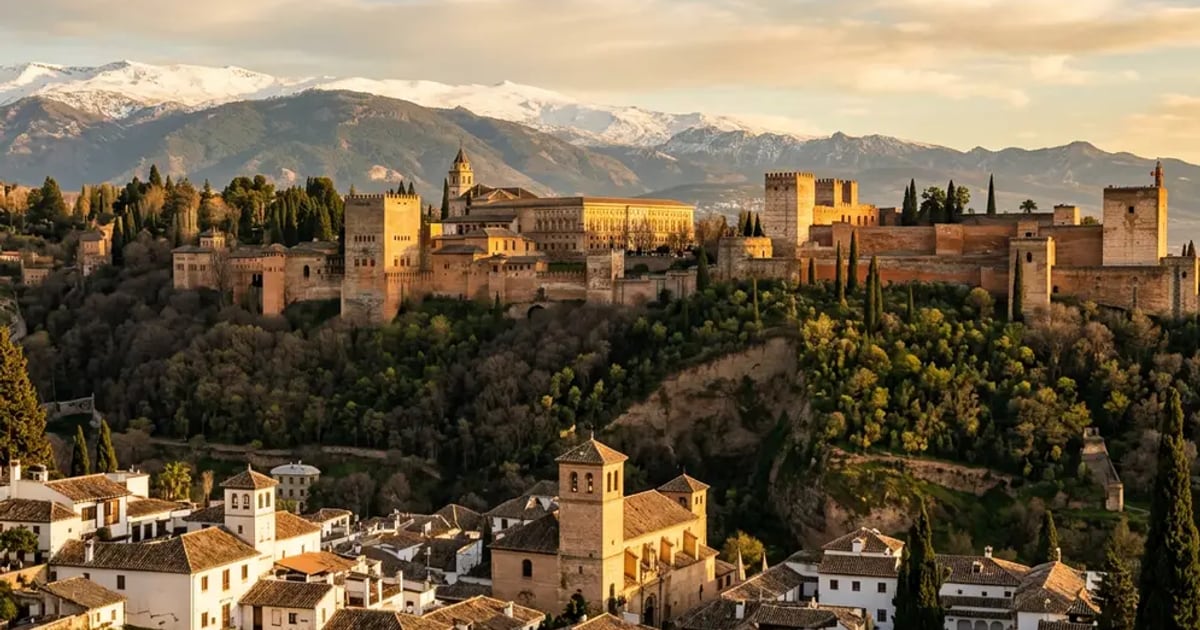
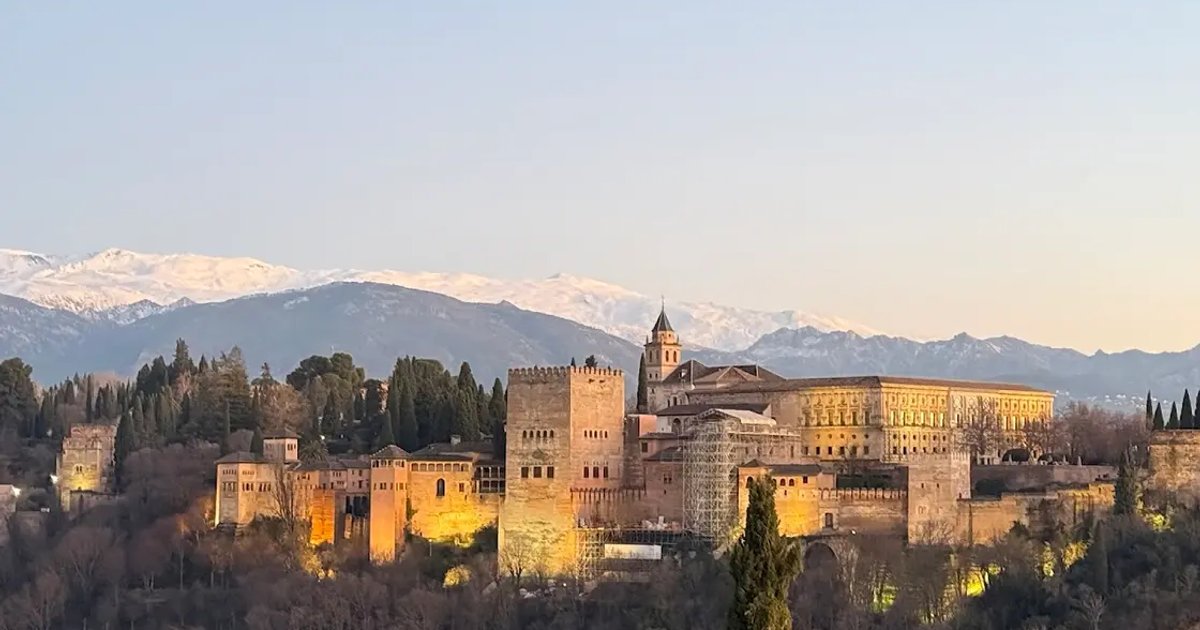
The path runs east along the ridge, with views over the Darro valley on one side and the inhabited cave face on the other. White chimney stacks protrude from the hillside above wooden doorways. The Alhambra is visible across the gorge for much of the walk. In the late afternoon, when the palace walls turn ochre, the view from the camino is as good as anything at Mirador de San Nicolás and considerably less crowded.
The route climbs from the lower cave houses to the Caves Museum (about 15 minutes from the Chapiz junction), then continues uphill to the Abbey (a further 10 minutes). The path beyond the abbey leads into scrubland and eventually to the Sierra Nevada foothills. Most visitors turn back at the abbey.
Wear shoes with grip. The path surface is uneven limestone in places, particularly near the cave entrances. After rain it gets slippery.
Combine with the Albaicín for a full day
The most satisfying sequence: morning in the Albaicín walking the lanes and visiting the Hammam or a carmen, then cross over to Sacromonte in the late afternoon via Cuesta del Chapiz. Museum and abbey in the late afternoon, walk the camino to the cave venue, flamenco show at 21:00. That is a full Granada day and covers both hills in the right order. See our complete Albaicín visitor guide for timing and what to prioritise, the Moorish Granada guide for the wider historical context, or the Granada neighbourhoods guide to compare all four historic districts before deciding where to base yourself.
Getting there and getting around
On foot from central Granada: From Plaza Nueva, take the Carrera del Darro east along the river. After 15 minutes the river walk ends at a small square; the path continues up as the Cuesta del Chapiz. At the top, the camino forks right for Sacromonte. Total from Plaza Nueva: 25 to 30 minutes.
By bus: Lines 31 and 32 run from Gran Vía and Puerta Real and stop along the lower section of the Camino del Sacromonte. The fare is under €2. Bus 35 runs a different route and can be used for the return. The local approach is to take the bus up and walk back down via the Darro: 30 minutes of downhill on the river path with the Alhambra on your right.
For flamenco shows: Most of the cave venues offer a pick-up and drop-off service from central Granada as part of the ticket package, typically for an extra €5 to €7. If you are not confident about the evening route in the dark, this is worth taking.
Book Sacromonte tours & flamenco shows
Tours are selected for quality, not commission. We earn a small fee if you book — at no extra cost to you.
Walking tours, cave museum visits, and zambra performances
Yes, with normal awareness. The main Camino del Sacromonte is well-lit and busy on evenings when the flamenco shows run. The walk up from Carrera del Darro to the cave venues takes about 20 minutes and is on a wide path with other visitors. Avoid the very upper reaches of the hill after midnight unless you know the area. The lower section near the Darro, which most visitors use, has no more risk than the Albaicín in the evening.
How long should I spend in Sacromonte?
A half-day covers the main elements: 45 minutes at the Caves Museum, 30 minutes at the Abbey, and the walk between them. If you are coming for a flamenco show, add an hour for the performance plus 30 minutes to walk up and settle beforehand. Most visitors combine Sacromonte with the Albaicín and make a full afternoon and evening of it: Albaicín in the afternoon, walk across to Sacromonte, show in the evening.
Is Sacromonte worth visiting?
For the flamenco alone, yes. The limestone cave venues where zambra is performed in Sacromonte do not exist anywhere else. Capacity at the main family-run caves tops out at 20 to 60 people. There are no microphones. The acoustics are raw rock. Tablao flamenco in a purpose-built theatre elsewhere in Spain is a different experience entirely. The Caves Museum adds useful context for about €5. Combined, the two justify a half-day without any difficulty.
What is the best time to visit Sacromonte?
Morning from 9:00 to 11:00 is the quietest window for the Caves Museum and the walk up the camino. By noon in summer the path is warm and exposed. For the flamenco shows, most venues run from around 21:00. The walk up in the hour before a show, with the Alhambra catching the last light across the valley, is worth timing deliberately.
Can I visit Sacromonte without a flamenco show?
Easily. The Caves Museum and the Abbey are both open independently during the day, and the walk up the Camino del Sacromonte gives you continuous views over the Darro valley toward the Alhambra. The neighbourhood is inhabited, with cave houses along the path that are private residences. The daytime visit has its own character, quieter and more architectural than the evening flamenco experience.
How do I get to Sacromonte from the city centre?
On foot, the walk from Plaza Nueva along the Carrera del Darro takes about 25 minutes to reach the start of the Camino del Sacromonte. Bus 31 and 32 run from Gran Vía and serve stops along the lower section of the camino. The local shortcut is to take the bus up and walk down: the descent along the Darro in the late afternoon, with the Alhambra above the river, is one of the better walks in Granada.
Reporter notebook
Insider tips
Practical observations gathered the way a local journalist would keep them: short, specific, and more useful than brochure copy.
Best time
Go before 11 am for the Caves Museum, after 19:30 for the flamenco
The Caves Museum on a summer morning before 11 am is quiet enough to read every panel. By 13:00 it fills with coach groups. For the evening flamenco shows, arriving at the neighbourhood by 19:30 lets you walk the camino while the Alhambra is still catching the light, find your bearings, and get to the cave 10 minutes before the performance starts rather than rushing up in the dark.
Crowd tip
Book the smaller family-run caves, not the ones selling through coach operators
Cueva de la Rocío and Venta El Gallo hold 20 to 40 people in original limestone rooms. Some of the larger operations on the upper camino take 80 to 100 people and have PA systems. The difference is significant. Look for venues where capacity is limited by the cave itself, not by the management preference. Book 48 hours ahead in summer; the small caves sell out before the big ones do.
Money tip
The bus up saves your legs; the walk down earns you a free view
Bus 31 or 32 from Gran Vía gets you to the cave district in 10 minutes and costs under €2. The walk up the Camino del Sacromonte from Carrera del Darro is 20 to 25 minutes on a wide path and pleasant in the morning or evening; in summer midday it is exposed and warm. Most locals take the bus up, then walk back down via the Darro: 30 minutes of river views with the Alhambra on your right the entire way.