Seven years resident in Granada. Specialist in Nasrid architecture, Al-Andalus history, and Andalusian walking routes.
Published
Updated
Granada is not Seville. It is smaller, more compact, and the things worth doing are fewer but run considerably deeper. The Alhambra alone accounts for why most people come, and rightly so. Visitors who spend the rest of their time on Calle Navas, doing the standard tourist circuit, leave having missed the better half of what Granada offers.
This is a ranked list, not a comprehensive directory. The full things to do in Granada guide covers every option in detail. This page answers a different question: if you had limited time and had to choose, what belongs on the list and what can be skipped? If you prefer to have everything organised for you, the Granada guided tours overview maps the best operators and what each type of tour covers.
#1
The Alhambra
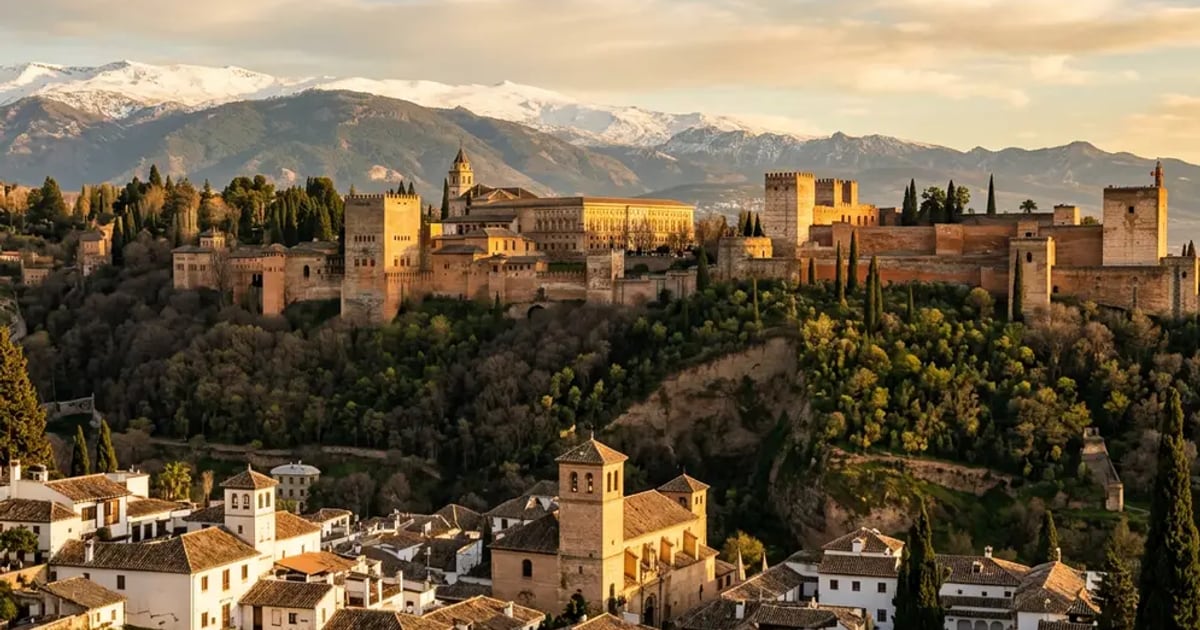
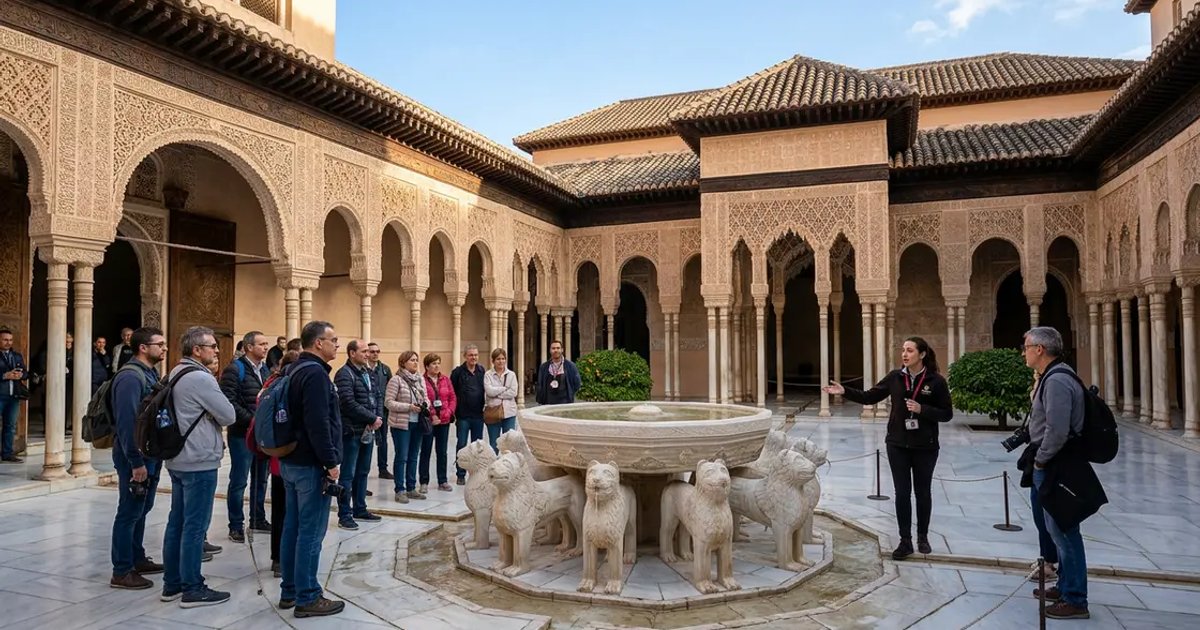
Non-negotiable. Book it first. The Alhambra complex — the Nasrid Palaces, the Alcazaba, and the Generalife gardens — draws 2.7 million visitors a year for reasons that hold up to inspection. The 14th-century plasterwork in the Hall of the Ambassadors and the Court of the Lions is intact. The carved stucco ceilings are originals. Very little of this survives anywhere else at this scale.
Allow 3–4 hours minimum. The 8:30 am slot is the one to book — coach groups arrive from 10 am onward. For the tickets and logistics detail, the Alhambra tickets guide covers everything. If the self-guided tickets are sold out, a licensed guided tour often has access when individual tickets do not.
Tickets sell out months ahead
In summer, the Nasrid Palaces time slots go 90 days in advance. The gate queue is for returns only. Book at tickets.alhambra-patronato.es before you plan anything else.
#2
Albaicín sunset walk
Free, and better than anything else at this price point. The Albaicín was established as Granada's Moorish quarter in the 11th century; the street plan has not changed. Walk up from the Carrera del Darro and the lanes narrow fast — too narrow for cars, steep enough that you're climbing stairways cut into the hillside. The cobblestones are worn smooth by 900 years of foot traffic.
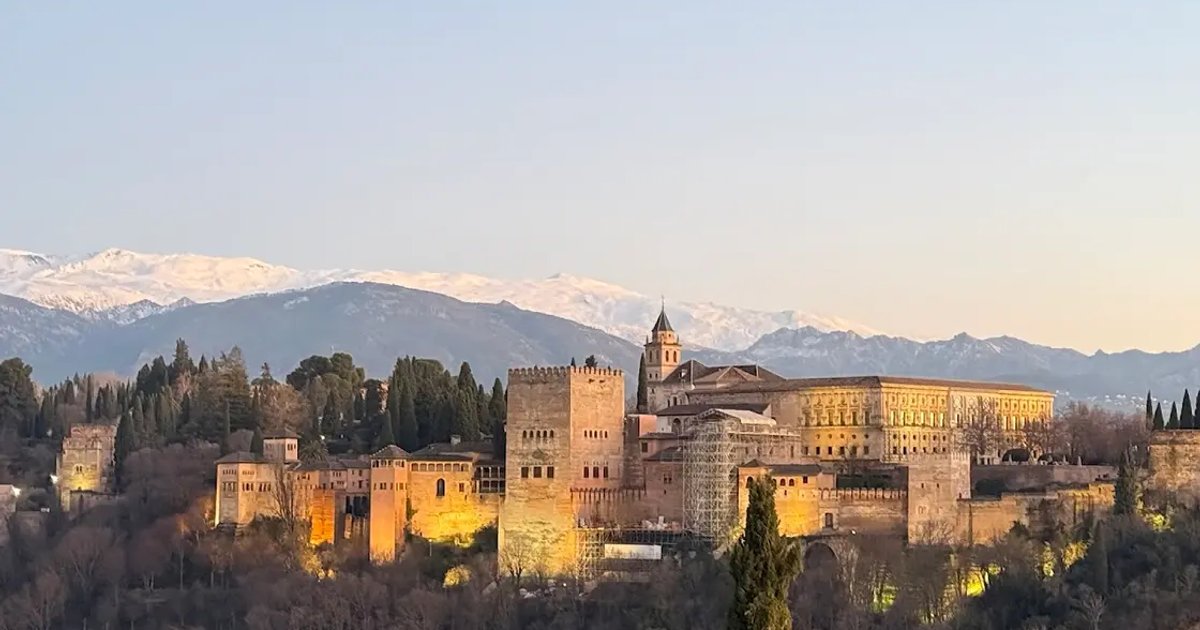
The target is Mirador de San Nicolás, the viewpoint that looks directly across the Darro valley to the Alhambra. Arrive 45 minutes before sunset — the walls are already warming to orange, the terrace is not yet packed. Then walk on to Mirador de San Miguel Alto, higher on the hill, which most visitors miss entirely. For those who want to make the most of the light — golden hour at the mirador, the Albaicín's narrow lanes at dawn, the Alhambra from the gorge — the Granada photography workshops guide covers small-group sessions with local photographers who know when and where the light is best.
If you want context for what you're walking through, the Albaicín walking tour runs 2–2.5 hours from €15 (free tip-based versions also available) and explains the Nasrid architecture embedded in later walls, the hidden carmenes gardens, and why the street layout survived the 1492 conquest intact.
Time needed: 2–3 hours self-guided; 2.5 hours with a tour. Cost: Free (self-guided), from €15 (guided).
#3
Free tapas crawl
Granada's most distinctive food custom, and it really does work. Order a drink at the right bar and a proper tapa arrives with it — not bread, not olives, an actual plate of food. Jamón, salmorejo, a warm montadito, sometimes a full racion. Three bars on €12–15 worth of drinks is dinner. This does not happen in Seville or Córdoba.
The system works in neighbourhood bars away from the tourist streets — not on Calle Navas, where many places have dropped genuine tapas in favour of charging separately. The Granada tapas tour (from €60, groups capped at 8) takes you to the places where the system still operates at full standard: three bars, 10–12 tapas samples, 4–5 local drinks, and the guide explains why the ajoblanco and salmorejo have Moorish kitchen roots. If you want to go further and learn to cook the dishes yourself, cooking classes in Granada run half-day sessions using local Alpujarras ingredients.
For the self-directed version, the free tapas guide names the specific bars and streets. Order at the counter, not from a table — the free tapa custom applies at la barra.
Time needed: 2–3 hours for a proper crawl. Cost: €12–15 self-guided; from €60 on a guided tour.
#4
Cave flamenco in Sacromonte
The only place in the world you can see this. The cave venues on the Sacromonte hillside are the original limestone caves where Granada's Romani community has performed zambra since the 16th century — not converted theatres, not a purpose-built stage. Capacity tops out at 60. The ceilings are low. You feel the heelwork come up through the bench, and the only amplification is the rock itself.
Zambra is not the same as Seville tablao. Its roots are in Arabic ceremonial music, the structure is more fluid, and the guitarist drives the rhythm rather than accompanying it. The cave flamenco booking guide covers the main venues — Cueva de la Rocío, Los Amayas, Zambra María la Canastera — and how to get a front-row seat. Shows run from 19:45 most nights; the €33 package includes transport from the city centre, a drink, and a brief cave tour. For a broader overview of all flamenco show options in Granada — cave venues, city centre tablaos, and free performances — see the Granada flamenco shows guide.
Time needed: 45–60 minutes for the show; allow 30 minutes to walk up the Camino del Sacromonte beforehand. Cost: From €26 (show only); €33 with transport and drink.
#5
Arab baths at the Hammam
The most restorative 90 minutes in Granada.Hammam Al Ándalus on Calle Santa Ana, a few metres from Plaza Nueva, revives the bathing ritual that the Nasrid dynasty maintained in 30–50 public hammams across 14th-century Granada, all of which the Catholic Monarchs closed after 1492. Three thermal pools at 18°C, 36°C, and 40°C; a steam room with eucalyptus; barrel-vaulted ceilings with geometric star skylights that mirror the 11th-century El Bañuelo baths a few minutes down the road.
The circuit runs 60 minutes; the full session with relaxation room is 90. Everything is provided except swimwear. Skip the 15-minute massage add-on — it is too short to be meaningful after an hour in the thermal pools. Either do the circuit alone (from €52) or book the 30-minute essential-oil treatment if you want bodywork.
Walk to El Bañuelo first (a 5-minute walk along the Carrera del Darro, entry around €2.50) to see the original 11th-century horseshoe arches and star skylights intact. Then come to the Hammam in the late afternoon. The sequence makes both places more legible. For booking details, what to bring, and how the circuit compares to other hammam options in the city, the Granada hammam guide covers the practical questions.
Time needed: 90 minutes. Sessions run from 10:00 to midnight. Cost: From €52; book 48 hours ahead.
#6
Sierra Nevada day trip
40km from the city centre; two completely different destinations depending on the season. December through April: Europe's southernmost ski resort, 124 pistes across 100km of groomed snow, reachable by public bus for €6 each way. May through October: dry hiking terrain, including Mulhacén at 3,479 m — mainland Spain's highest peak — where a clear morning in July can give you a view across the Strait of Gibraltar to the Atlas Mountains in Morocco.
The bus to Pradollano base area works for ski days. For the high peaks or the Alpujarras villages on the southern slopes, you need a car or a guided day trip from €60 per person. May and September are underrated — snow-free trails, half the summer crowds, and wildflowers on the lower slopes in May that vanish by June.
Time needed: Full day (8–10 hours including travel). Cost: From €6 (public bus, self-guided ski day); guided tours from €60.
What to skip
A ranking is only useful if it is honest about what does not make the cut.
✕
The Alcaicería market near the Cathedral. The covered souk-style market looks atmospheric and contains almost no local goods — mostly mass-produced souvenirs sold across Spain. Browse it for five minutes to see the architecture; don't plan your shopping around it.
✕
Bars on Calle Navas. The most-listed tapas street in Granada has largely become a tourist corridor. Several bars here charge separately for food. Go to the streets the tour guides use — or take a tour to find them — rather than defaulting to the pedestrian strip.
✕
The 15-minute hammam massage add-on. It costs the same as the bath-only entry (€52 combined) and is too short to do anything useful after 60 minutes of thermal pools. Either do the circuit alone or book the 30-minute treatment as a separate decision.
✕
Arriving at Mirador de San Nicolás at sunset without a plan. The mirador at exactly golden hour is the most crowded version of a view that looks the same 45 minutes earlier with far fewer people. Time your arrival correctly or the experience is a mosh pit with a backdrop.
Book guided tours in Granada
Tours are selected for quality, not commission. We earn a small fee if you book — at no extra cost to you.
Alhambra skip-the-line tickets, Albaicín walks, hammam sessions, and tapas tours
If I only have one day in Granada, what should I prioritise?
Book the Alhambra for the morning — the 8:30 am slot, before coach groups arrive at 10 am. That covers the Nasrid Palaces, Alcazaba, and Generalife in about 3 hours. In the afternoon, walk down through the Albaicín and reach Mirador de San Nicolás about 45 minutes before sunset. Finish with tapas in the bars around Plaza Nueva. That's one day and it accounts for most of what makes Granada worth the trip.
What's overrated in Granada?
The bars on Calle Navas. Every guidebook lists them and most have dropped the genuine free tapas practice in favour of €4 plates of olives. The Alcaicería market near the Cathedral is atmospheric but the goods are standard tourist fare. And the 15-minute massage upgrade at the Hammam — too short to mean anything after an hour in thermal pools. Skip all three.
What are the best free experiences in Granada?
Walking the Albaicín costs nothing. Mirador de San Nicolás is free. So is Mirador de San Miguel Alto, which fewer people find and which gives a higher vantage point with less crowd noise. Granada's free tapas tradition means a drink at a good neighbourhood bar includes a proper plate of food — three bars on €12 of drinks is dinner. The Carrera del Darro riverside walk from Plaza Nueva is one of the most scenic urban walks in Andalusia and costs nothing.
Is the cave flamenco in Sacromonte actually authentic?
The family-run cave venues — Cueva de la Rocío, Los Amayas, Zambra María la Canastera — have been operating for generations on the same hillside. Zambra is a distinct style from Seville tablao flamenco, with Arabic rhythmic roots and a more improvisational structure. The caves hold 20 to 60 people, the acoustics are natural rock, and there are no microphones. That is about as far from a tourist performance as flamenco gets. Avoid venues that primarily sell through large coach-tour operators.
Can I do Sierra Nevada as a day trip from Granada?
Yes. The bus from Granada's central station reaches Pradollano in 45 minutes for around €6 each way. In winter that gets you to Europe's southernmost ski resort; in summer the same route is the gateway to hiking trails. For the high peaks (Mulhacén at 3,479 m, Veleta at 3,394 m) you need either a car or a guided tour — the public bus doesn't go that far. A guided day trip from Granada starts at €60 per person and handles transport.
How many days do you need to see Granada properly?
Three days covers the essentials without rushing: one full day for the Alhambra (book the morning slot), one day for the Albaicín, Sacromonte, and an evening in the tapas bars, and a third for the Cathedral quarter, the Hammam, and anything you missed. A two-day trip forces choices — if you only have two days, prioritise the Alhambra and the Albaicín sunset; skip the Cathedral unless Islamic architecture is your particular interest. Five days lets you add a Sierra Nevada day trip and slower evenings exploring the free tapas tradition properly.
What is the best thing to do in Granada in the evening?
The standard answer is Mirador de San Nicolás at sunset followed by tapas. That is correct, but the execution matters. Reach the mirador 45 minutes before the sun drops — the crowd peaks in the last 20 minutes. Then walk back down through the Albaicín lanes to a bar around Plaza Nueva for a first drink. The evening rhythm is: sunset view, first tapas round at 9pm, move bars rather than stay. A cave flamenco show in Sacromonte at 9:30 or 10pm makes a full evening — book in advance through a family venue like Cueva de la Rocío or Los Amayas.
Is Granada good for families with children?
Generally yes, with some caveats. The Alhambra works well for children old enough to walk the full complex (2–3 hours). The Generalife water gardens hold attention easily. The Sacromonte caves are atmospheric and unusual for kids. The main challenge is pace: Granada's highlights require walking on uneven cobblestones, and the Albaicín is steep. Free tapas bars are family-friendly during early evening hours (from around 7–8pm). The Hammam adult thermal experience is for adults only. Budget travellers benefit from the city's student culture keeping food and activity costs low.
Reporter notebook
Insider tips
Practical observations gathered the way a local journalist would keep them: short, specific, and more useful than brochure copy.
Booking tip
Book the Alhambra before you book anything else
The Nasrid Palaces sell 6,600 timed tickets a day and they go months ahead in high season. Check availability at tickets.alhambra-patronato.es before you commit to travel dates. If the morning slots are gone, the guided tour operators at €49–59 per person hold their own allocation — they are often the only way in once the self-guided tickets are sold out.
Crowd tip
San Nicolás is best 45 minutes before sunset, not at sunset
The crowd at Mirador de San Nicolás peaks in the final 20 minutes before the sun drops: buskers, tour groups, incense sellers. Arrive 45 minutes early. The Alhambra walls are already warming to orange, the terrace is half-empty, and you can move around freely. Once you have the view, walk on to Mirador de San Miguel Alto — it sits higher on the hill and almost nobody goes there.
Local custom
Order at the bar counter, not from a table
Granada's free tapa custom applies when you order at la barra — the bar counter — not when you sit at a table. At a table, in most places, you pay for food separately. Stand at the counter, order a beer or a glass of house wine, and watch what arrives without asking. Three rounds at three bars, standing, costs around €12 and covers dinner.
What to bring
Pack a layer even in August — the Sacromonte caves and the Sierra run cool
Two experiences catch visitors underdressed. The Sacromonte limestone caves hold a steady 18–20°C regardless of outside temperature — step in from a 35-degree evening and the cold is immediate. And the Pradollano base area in the Sierra Nevada sits at 2,100 m, roughly 15–18°C cooler than Granada. One lightweight layer handles both.