Interior of Granada Cathedral showing Diego de Siloé's Renaissance arches and the circular Capilla Mayor with gold stars on blue dome
Architecture Easy Free

Granada Baroque & Renaissance Architecture Walk

7-stop architecture walk through Christian Granada: Siloé's Cathedral, the Royal Chapel, and the Churrigueresque sacristy of La Cartuja. 3.5 km, 3–4 hours.

At a Glance

Distance
3.5 km
Duration
3–4 hours
Stops
7 stops
Route type
Point to point

Best time to walk

Weekday mornings (10:00–12:30) when the Cathedral and Royal Chapel are freshly open and San Jerónimo is quiet. Return to San Juan de Dios in the late afternoon for the best light on the Baroque interior.

Accessibility

Flat urban route through Granada city centre. Pavement throughout with no significant gradient. Wheelchair-accessible at street level for all stops, though some church interiors have steps at the entrance. The Cathedral and Royal Chapel have accessible side entrances — ask staff on arrival.

On this page

Route Map

Loading map…

Click on any marker to see stop details. Numbered markers follow the suggested route order.

Stop-by-Stop Route

  1. 1

    Isabelline Gothic mausoleum begun 1505 by Enrique Egas. Holds the marble tombs of Isabella I and Ferdinand V and a remarkable personal art collection they amassed during their reign. Combined ticket with the Cathedral.

    Tip: The royal art collection in the sacristy is often overlooked — Roger van der Weyden's 'The Pieta' is here. Allow 10 extra minutes.

  2. 2

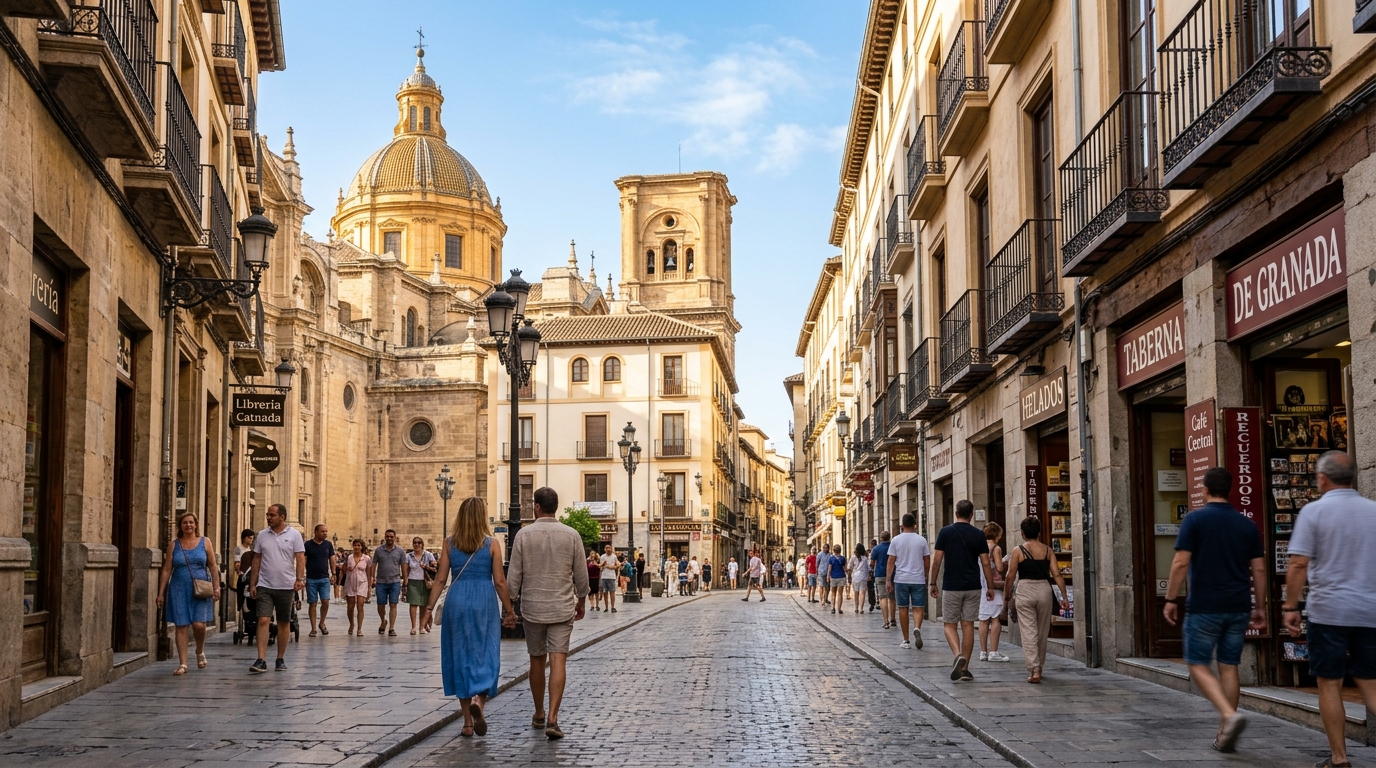
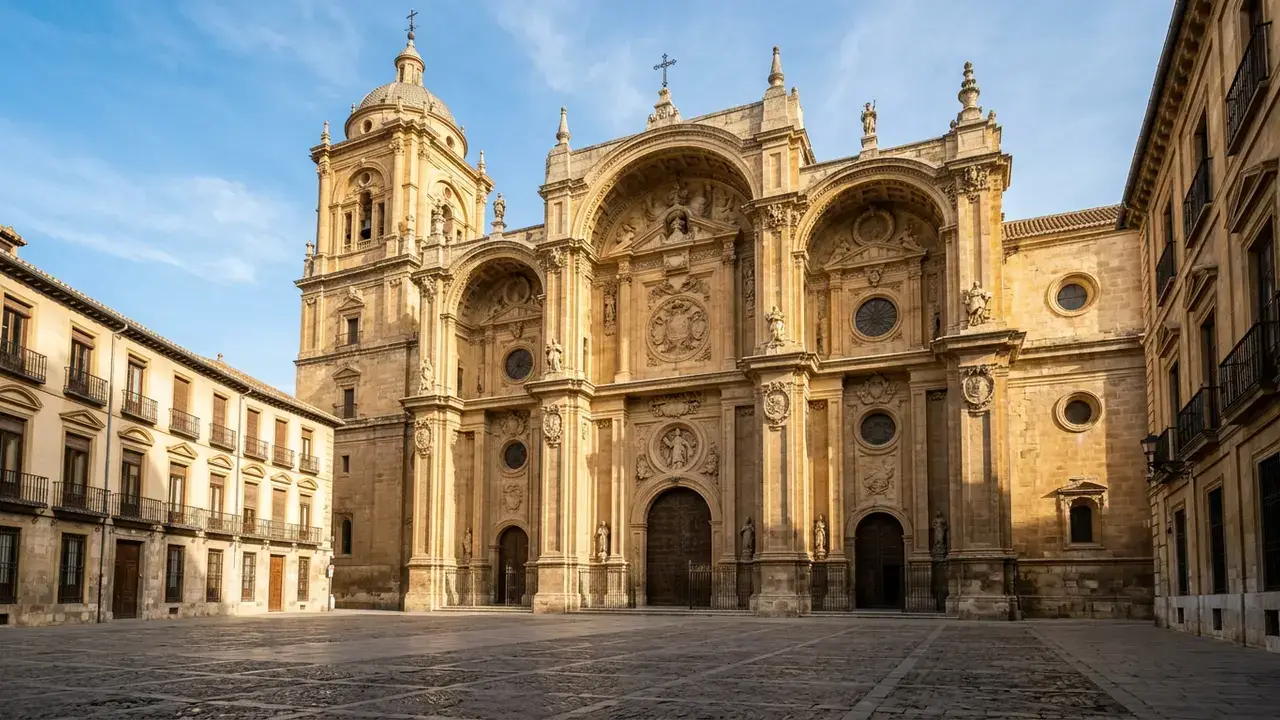
    Renaissance masterpiece redesigned by Diego de Siloé from 1529. Five naves, a circular Capilla Mayor with Corinthian columns, and a domed ceiling painted with gold stars on blue. 181 years to complete.

    Tip: Enter via the south door on Calle Gran Vía — the queue for the main west portal is longer. The audio guide is worth the extra €2.

  3. 3

    First Renaissance church built in Granada after 1492, with Siloé's proportional cloisters and the tomb of Gonzalo Fernández de Córdoba. Founded 1496. Far quieter than the Cathedral with comparable architectural quality.

    Tip: The upper cloister walk is often skipped by visitors. It has the best view of Siloé's proportional arcade from above.

  4. 4

    Hospital Real (University of Granada)

    Landmark 15 min

    Plateresque Renaissance building founded 1504 by the Catholic Monarchs as a hospital for Granada's poor. The carved portal and symmetrical cloister courtyard are free to enter. Now the university rector's office.

    Tip: The courtyard is free and often empty. Ask the porter at the entrance — access is usually permitted during university hours.

  5. 5

    Church of Santos Justo y Pastor

    Monument 10 min

    Jesuit Baroque church with an ornate stone facade, located near Calle San Jerónimo. Active parish church; the facade is accessible at all times. A transitional stop between the university area and San Juan de Dios.

    Tip: The church is active — if Mass is not in progress, the door is usually open. Interior access is free but hours vary.

  6. 6

    Basílica de San Juan de Dios

    Monument 30 min

    Baroque basilica built 1737–1759 by José de Bada y Navajas. The most theatrically Baroque interior on the walk: polychrome carved wood, gilt altarpieces, and the Camarín reliquary chapel. Tiled dome visible from the street.

    Tip: Visit in the late afternoon when warm light comes through the south windows and catches the gilded surfaces properly. Morning visits feel flat by comparison.

  7. 7

    Churrigueresque monastery begun 1516 with decoration added over 300 years. The plain exterior conceals an extreme Baroque sacristy of carved stucco, inlaid marble, and altarpieces by Juan Sánchez Cotán. The contrast with the exterior is the whole point.

    Tip: The sacristy is a separate room off the main church — some visitors miss it. It is where the Churrigueresque decoration reaches its peak. Do not leave without seeing it.

The city that rewrote itself

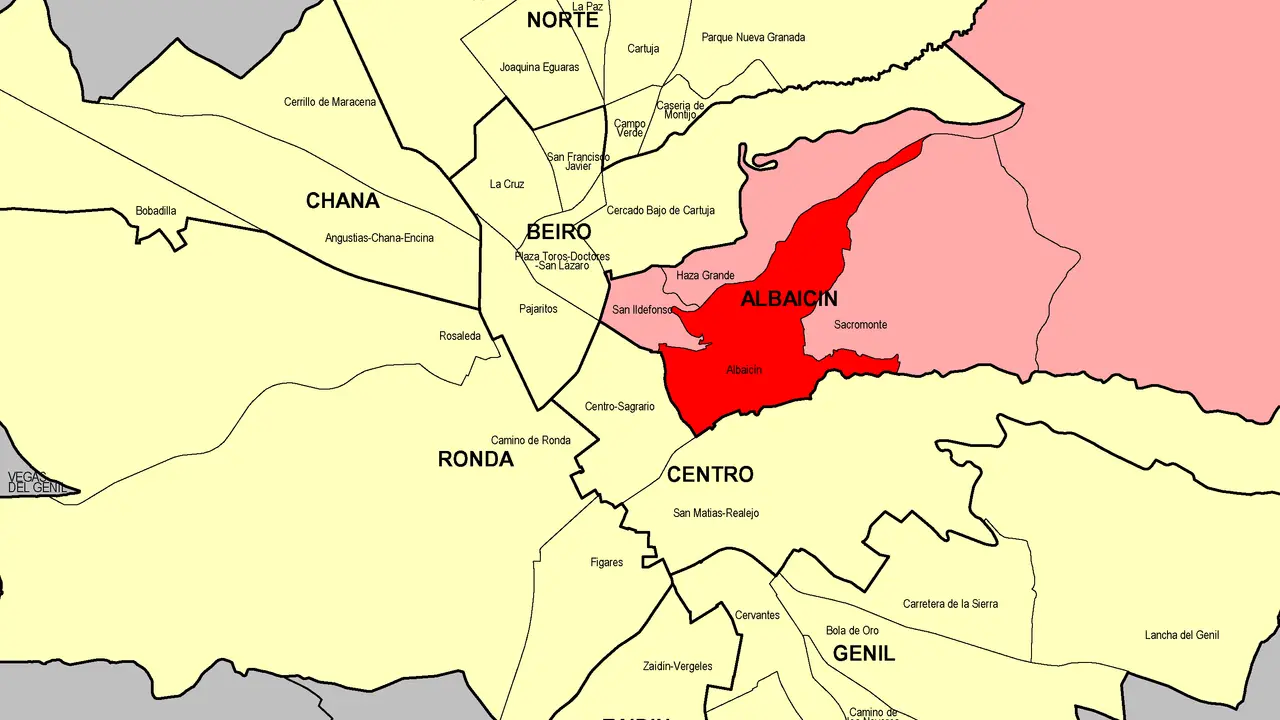
In January 1492, the last Nasrid sultan rode out of Granada and handed the keys to Ferdinand and Isabella. What followed was one of the most concentrated building campaigns in Spanish history. Within a decade, construction had begun on a Gothic chapel to hold the monarchs' tombs. Within three decades, Diego de Siloé was redesigning the half-built cathedral from Gothic into Renaissance. By the 18th century, craftsmen were covering every surface of church interiors with polychrome wood and gilt. This walk covers three centuries of that transformation, from the first stone of the Royal Chapel in 1505 to the Baroque excess of San Juan de Dios in 1759.

Start at the Cathedral block on Gran Vía. The walk runs roughly north and northwest, finishing at La Cartuja — 3.5 km in total. Do it in 3 hours if you skip interiors, or 4–5 hours if you go inside everywhere. The Cathedral and Royal Chapel share a combined ticket; the others charge separately.

Stops 1 and 2: The foundation

The Royal Chapel came first. Enrique Egas began it in 1505 in the Isabelline Gothic style — the Spanish late-Gothic that grafts Flemish decorative detail onto pointed arches. The result looks nothing like purely French Gothic: the surface texture is heavier, the ornament denser. The Plateresque portal added in 1527 already shows the Renaissance arriving at the edges. Inside, the marble tombs of Isabella and Ferdinand sit beneath a low Gothic vault, surrounded by their personal art collection, one of the best in Spain.

The Granada Cathedral next door is a different proposition. Diego de Siloé took over in 1529 and redesigned it from the ground up. Where Gothic rises vertically to crush the eye upward, Siloé's nave opens horizontally: five aisles (unusual, since most Spanish cathedrals have three), Corinthian columns in place of piers, a circular Capilla Mayor lit from above. The gold stars on the blue dome are a detail worth stopping for. The building took 181 years to complete, from 1523 to 1704, and you can see the seams where different hands continued Siloé's idea with varying confidence. This is the point where Italian Renaissance thinking arrived in Andalusia and stayed. For context on how Siloé's approach evolved, the Alhambra architecture guide covers the broader transition from Nasrid to Christian building in Granada.

Stops 3 and 4: Renaissance outside the city walls

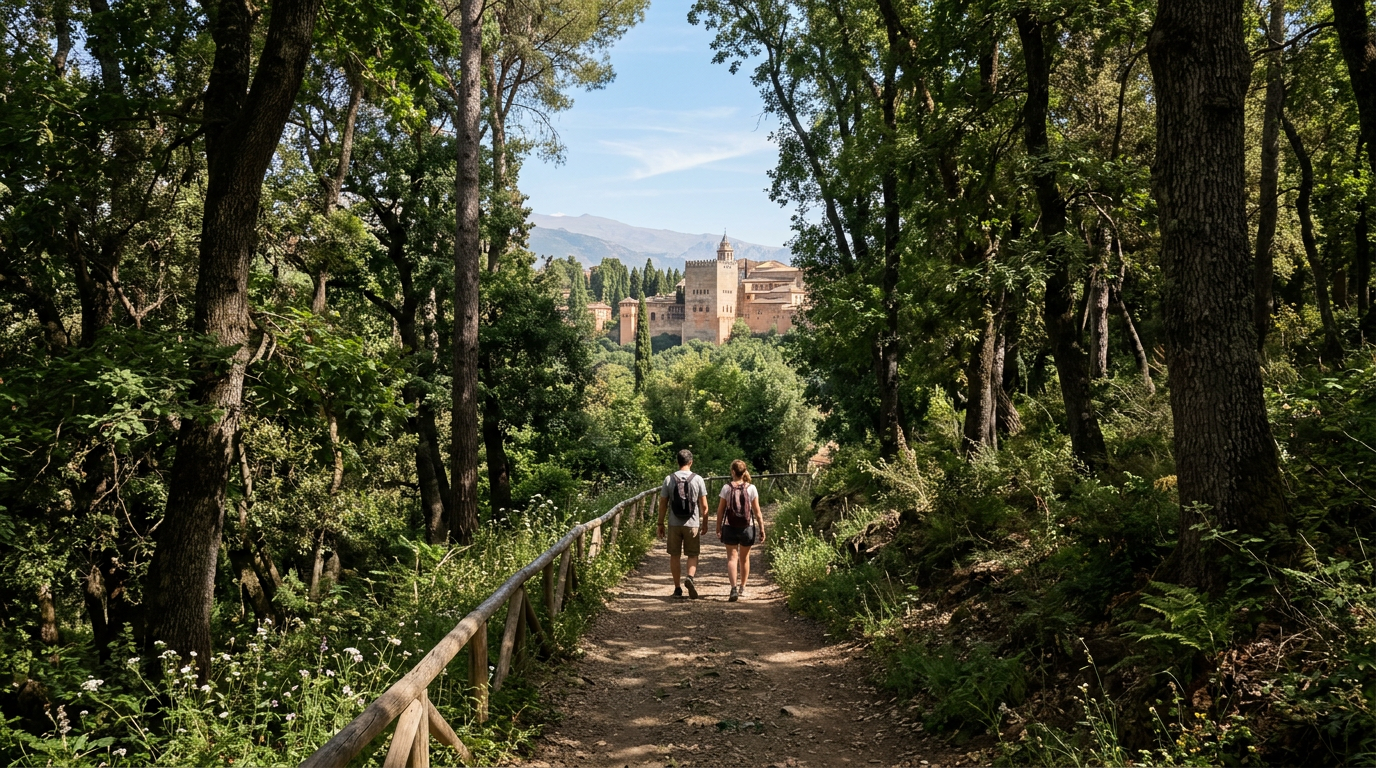
Ten minutes west on Calle Gran Capitán brings you to the Monastery of San Jerónimo. Founded 1496, it was the first Renaissance church built in the newly Christian city — Siloé worked here too, and the proportions of the cloister arcades show what he was after: classical rationalism, everything in legible relationship. The tombs inside include Gonzalo Fernández de Córdoba, the Great Captain, which explains why Ferdinand funded the construction. It is quieter than the Cathedral and far less visited.

Another five minutes north, the Hospital Real (now the University of Granada rector's office) was commissioned by the Catholic Monarchs in 1504 for Granada's sick poor. The exterior portal is Plateresque — that style that looks like a silversmith got hold of a stone facade and carved it like jewelry. The symmetrical cloister courtyard behind is free to enter and often empty.

Stop 5: The Jesuit bridge

The Church of Santos Justo y Pastor near Calle San Jerónimo has a Jesuit Baroque facade worth examining from the street. It works as a transitional stop between the university area and San Juan de Dios, two blocks east. The church is active parish; the facade is accessible at all hours. Interior access is free when Mass is not in progress, though hours vary.

Stop 6: Baroque arrives

The walk changes register completely at San Juan de Dios. Built between 1737 and 1759 by José de Bada y Navajas, this is the most theatrically Baroque interior on the route. The dome is tiled and visible from the street. Inside: polychrome wood carved into elaborate shapes, gilt altarpieces, a Camarín reliquary chapel that amplifies the Baroque logic to its conclusion — every surface activated, no wall left quiet. The light is best in the late afternoon when it comes in warm and catches the gilt at an angle. Worth the €7 admission.

Stop 7: Cartuja

The Monastery of La Cartuja sits at the northern edge of the walk. The exterior is unassuming: plain whitewashed walls, a modest church front. The contrast when you enter the sacristy is calculated. The Churrigueresque interior, decorated over nearly three centuries from 1516 onward, is one of the most extreme examples of Spanish Baroque anywhere. Surfaces spiral with carved stucco, inlaid marble, and jasper. Altarpieces by Juan Sánchez Cotán line the walls. It reads less like a place of worship than an argument for the power of decoration to overwhelm reason. Bring five minutes of patience at the entrance: the plain exterior tells you nothing about what's inside.
Reporter notebook

Insider tips

Practical observations gathered the way a local journalist would keep them: short, specific, and more useful than brochure copy.

Best time

Split the walk across two sessions

The Cathedral and Royal Chapel need 60–70 minutes combined, and La Cartuja needs 40 minutes at the other end. Walking the full 3.5 km and doing all interiors in one go works in cooler months, but in July and August the midday stretch between San Jerónimo and San Juan de Dios is unshaded and hot. A better approach: Cathedral block in the morning, then San Juan de Dios and La Cartuja in the late afternoon when the light improves and the temperature drops.

Photo spot

La Cartuja sacristy before noon

The Churrigueresque sacristy at La Cartuja is difficult to photograph because the room is small and the carved surfaces catch light unevenly. Morning visits get natural light through the east windows that picks out the stucco relief without blowing out the gilt. Groups tend to arrive after midday, so you have the best chance of an unobstructed shot in the first two hours of opening.

Crowd tip

San Juan de Dios has no queue

While the Cathedral block can run to a 30-minute queue in summer, San Juan de Dios almost never has a wait. The €7 admission puts off casual visitors. This is the walk's most rewarding interior per euro — more elaborate than most of the Cathedral's side chapels — and you can take your time.

Granada Baroque & Renaissance Architecture Walk FAQ

How long does the Granada Baroque and Renaissance walk take?

3 to 4 hours at a comfortable pace with stops inside the main buildings. If you visit all 7 interiors (Cathedral, Royal Chapel, San Jerónimo, Hospital Real, Santos Justo y Pastor, San Juan de Dios, and La Cartuja), allow closer to 5 hours. The Cathedral and Royal Chapel alone take 60–70 minutes combined.

What is the admission cost for this architecture walk?

The Cathedral and Royal Chapel share a combined ticket at approximately €10–12. San Jerónimo costs €3–4. San Juan de Dios is €7. La Cartuja is €5–6. Hospital Real and Santos Justo y Pastor are free. Budget around €25–30 total if you visit all paid sites.

What makes Diego de Siloé important on this walk?

Diego de Siloé redesigned Granada Cathedral from 1529, shifting the original Gothic plan to Renaissance. He also worked on San Jerónimo. His innovations — five naves instead of three, a circular Capilla Mayor, Corinthian columns — were the first large-scale application of Italian Renaissance ideas to an Andalusian cathedral.

Is the Monastery of La Cartuja worth the extra walk?

Yes, if Baroque architecture interests you. The exterior gives nothing away — it looks like a plain institutional building. The Churrigueresque sacristy inside is one of the most extreme examples of Spanish Baroque decoration anywhere, comparable in intensity to the great Baroque churches of Latin America. The contrast between exterior and interior is the experience.

More Walking Tours