Guide

Free & Budget Granada

Granada's best free sights, cheap eats, and budget beds in one guide. From the Alhambra view at San Nicolás to tapas bars where a drink still comes with food.

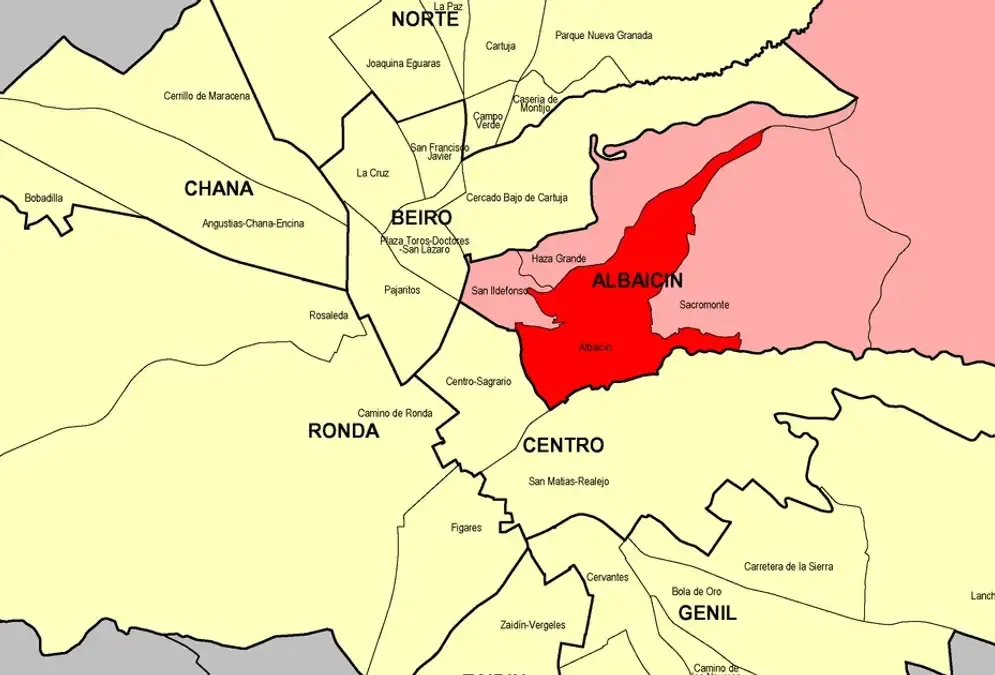
Granada is one of the few cities in Spain where a tight budget and a genuinely good trip are not in conflict. Three things work in your favour. First, the city's best viewpoint, Mirador de San Nicolás, is free, open all night, and puts the Alhambra directly in front of you across the Darro valley. Second, Granada still has the free tapas tradition: every drink ordered at a bar comes with a small tapa at no extra charge, which means lunch and dinner can cost less than €10 a head if you drink at the right bars. Third, the historic centre is walkable, the monuments are clustered, and the Albaicín (a UNESCO World Heritage quarter) costs nothing to wander.

The main expense is the Alhambra itself. Tickets run €18 for adults (or €10–14 for partial access without the Nasrid Palaces) and must be booked weeks ahead in summer. That's unavoidable if you want inside. But the Alhambra view from San Nicolás, the 14th-century funduq at the Corral del Carbón, the silk market alleys of the Alcaicería, and the Albaicín quarter itself all cost nothing. A full day of sightseeing outside the Alhambra can easily be free.

For eating, skip the tourist-menu restaurants around Plaza Nueva and look for the tapas bars that locals actually use: Calle Navas, the streets around Plaza Trinidad, and the side alleys off Gran Vía. At these places a caña (small beer) costs €2–2.50 and comes with a tapa. Three drinks, three tapas, and you've eaten adequately for €7–8. Los Diamantes does legendary fried seafood at prices that haven't kept up with Granada's reputation. Chikito's menú del día runs around €12–14 for three courses with wine.

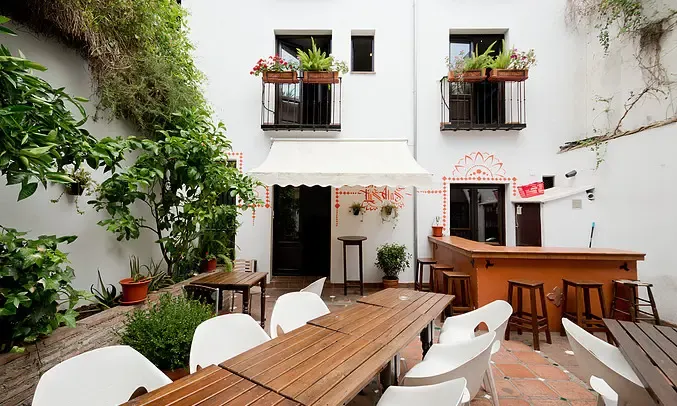
For sleeping, the two hostels in this guide (Oasis Backpackers and El Granado) both sit in the €15–30 range per person for dorm beds. Both are in the historic centre. Oasis has an Alhambra-view rooftop terrace. Neither requires you to compromise on location.

Ranked list

How we chose

The places on this list were selected against the following editorial criteria.

  • Cost: free or low-cost (under €15 per person for activities; under €30 for accommodation)
  • Quality: the experience must justify the trip, not just the price
  • Location: central or reachable without taxis
  • Local use: preference for places where Granada residents actually go
  • Accessibility: open to walk-in visitors without advance booking where possible

Reporter notebook

Insider tips

Practical observations gathered the way a local journalist would keep them: short, specific, and more useful than brochure copy.

Best time

Go to San Nicolás before 8am, not at sunset

The sunset hour at Mirador de San Nicolás draws tour groups, buskers, and 200 people with tripods. Before 8am the plaza has a handful of people at most. The morning light hits the Alhambra from the east, the Sierra Nevada is sharp, and the Albaicín is visibly waking up below you. The view is the same. The experience is not.

Money tip

Order at the bar, not at the table

At most Granada tapas bars, drinks ordered at the bar come with a tapa included. At some places, ordering while seated applies table service pricing and the free tapa becomes a paid side dish. When in doubt, stand at the bar. It's faster, cheaper, and how locals eat.

Top picks

Mirador de San Nicolás

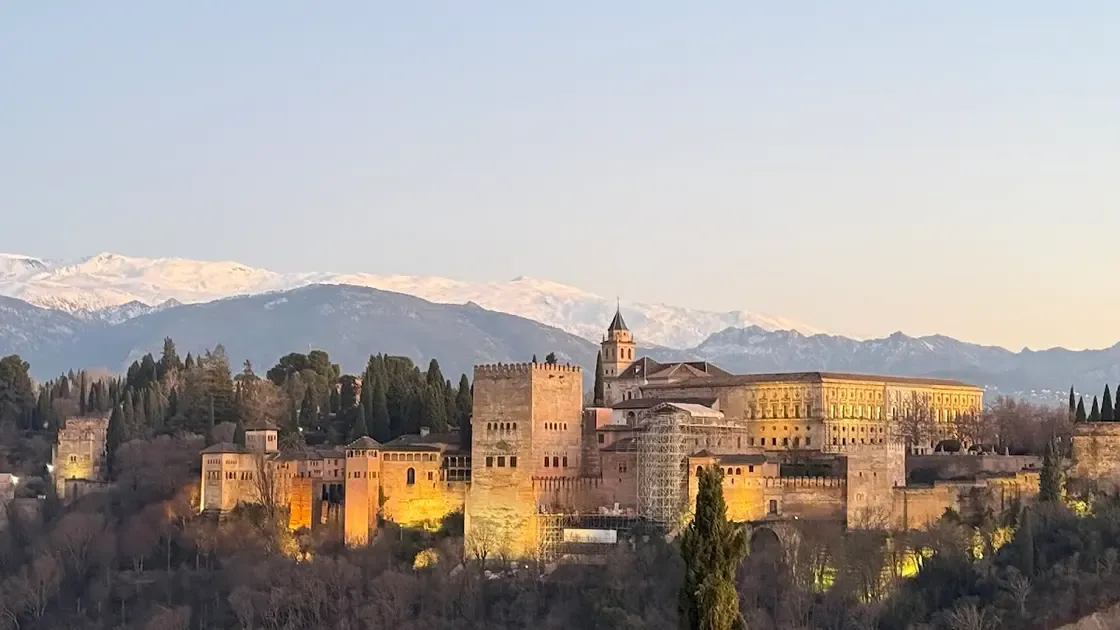
The best Alhambra view in Granada is free. Mirador de San Nicolás sits in the Albaicín with an unobstructed sightline across the Darro valley: the red-ochre towers of the Alhambra fill the middle distance, the Generalife gardens rise behind them, and on a clear day the Sierra Nevada closes the background with snow until June. Open 24 hours, no tickets, no booking. The sunset hour draws large crowds; before 8am the plaza is nearly empty and the morning light hits the fortress from the east in a way that works better for photographs than the backlit haze of evening.

Corral del Carbón

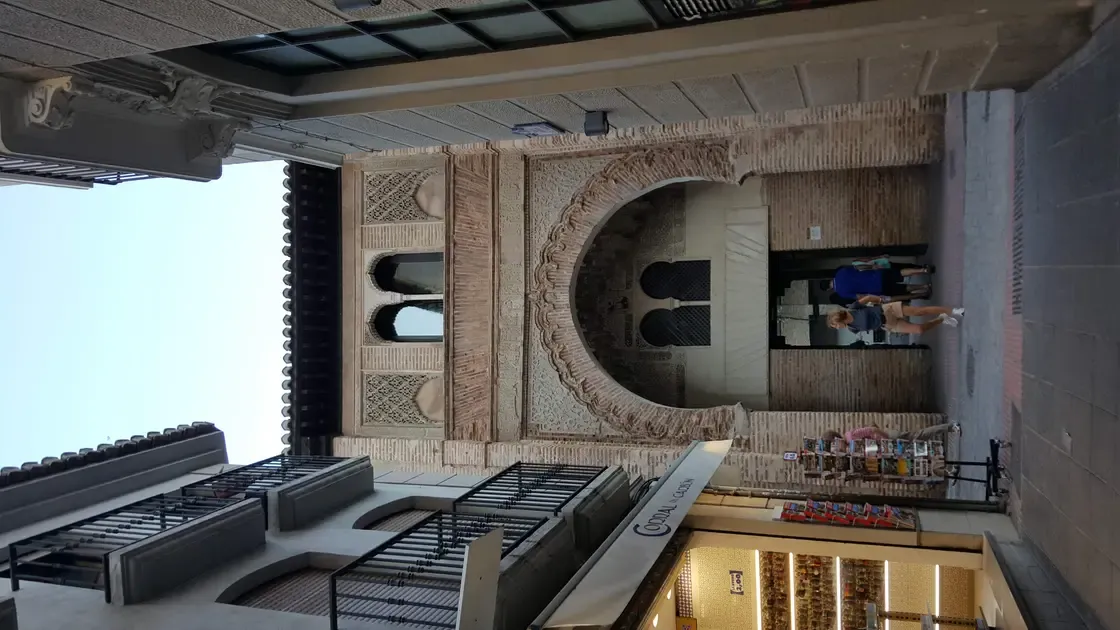
Corral del Carbón is the last surviving funduq in Spain, a combined merchant inn, grain store, and trading post built before 1336 during the reign of the Nasrid sultan Yusuf I. Walk through the horseshoe-arch portal and you enter a three-storey courtyard with arcaded galleries and a central cistern. The ornamental carving on the entrance arch is the finest Nasrid decorative stonework in the city centre outside the Alhambra, and most visitors walk straight past it. Free entry, open 09:00–20:00 daily. Fifteen to twenty minutes is enough to see it properly.

Alcaicería

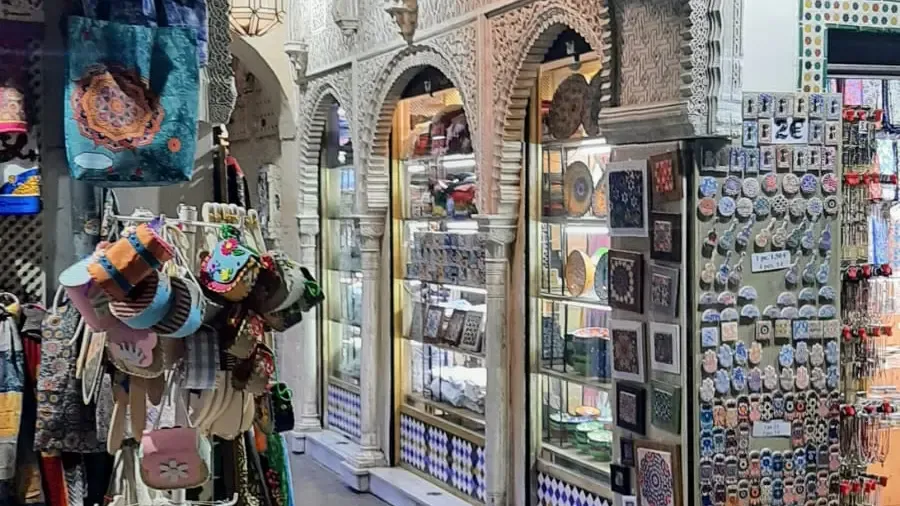
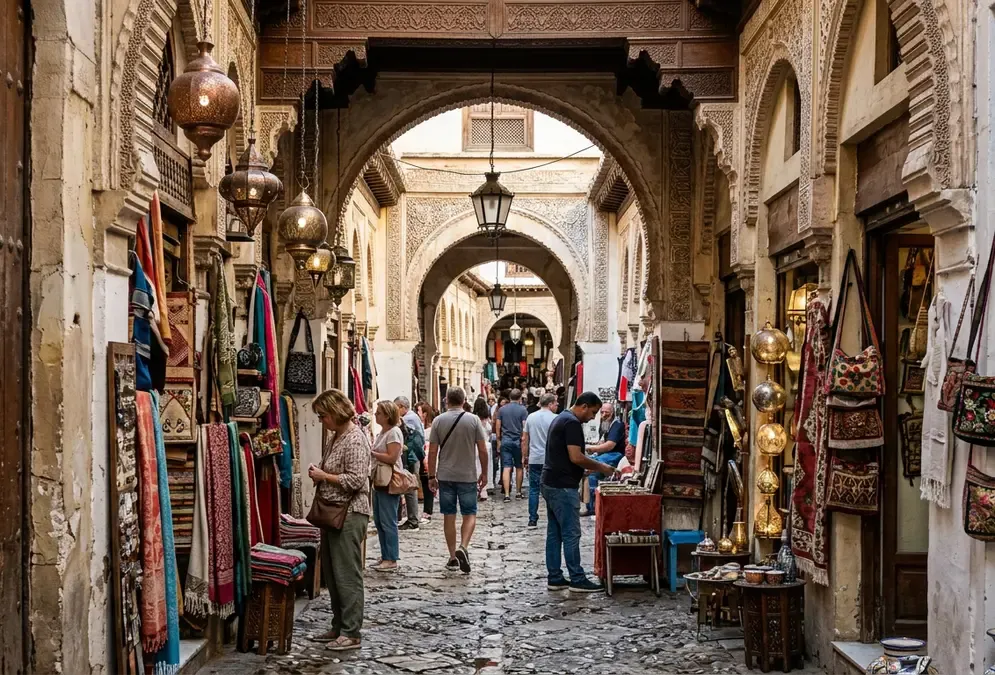
The Alcaicería was once Granada's royal silk market: a closed bazaar of 200 shops taxed as a royal monopoly. The 1843 fire destroyed it and the current lanes are a 19th-century Neo-Moorish reconstruction, but the three remaining alleys still function as a covered market: taracea marquetry boxes, fajalauza blue-and-white ceramics, leather goods, and the stained-glass lanterns particular to Granada. Free to enter. Walk the full circuit of the three lanes before buying anything, because the same piece can vary 30–40% in price between shops ten metres apart.

10 places
  1. Mirador de San Nicolás

    Mirador de San Nicolás

    The best Alhambra view in Granada is free. Mirador de San Nicolás sits in the Albaicín with an unobstructed sightline across the Darro valley: the red-ochre towers of the Alhambra fill the middle distance, the Generalife gardens rise behind them, and on a clear day the Sierra Nevada closes the background with snow until June. Open 24 hours, no tickets, no booking. The sunset hour draws large crowds; before 8am the plaza is nearly empty and the morning light hits the fortress from the east in a way that works better for photographs than the backlit haze of evening.

  2. Corral del Carbón

    Corral del Carbón

    Corral del Carbón is the last surviving funduq in Spain, a combined merchant inn, grain store, and trading post built before 1336 during the reign of the Nasrid sultan Yusuf I. Walk through the horseshoe-arch portal and you enter a three-storey courtyard with arcaded galleries and a central cistern. The ornamental carving on the entrance arch is the finest Nasrid decorative stonework in the city centre outside the Alhambra, and most visitors walk straight past it. Free entry, open 09:00–20:00 daily. Fifteen to twenty minutes is enough to see it properly.

  3. Alcaicería

    Alcaicería

    The Alcaicería was once Granada's royal silk market: a closed bazaar of 200 shops taxed as a royal monopoly. The 1843 fire destroyed it and the current lanes are a 19th-century Neo-Moorish reconstruction, but the three remaining alleys still function as a covered market: taracea marquetry boxes, fajalauza blue-and-white ceramics, leather goods, and the stained-glass lanterns particular to Granada. Free to enter. Walk the full circuit of the three lanes before buying anything, because the same piece can vary 30–40% in price between shops ten metres apart.

  4. Albaicín Walking Tour

    Albaicín Walking Tour

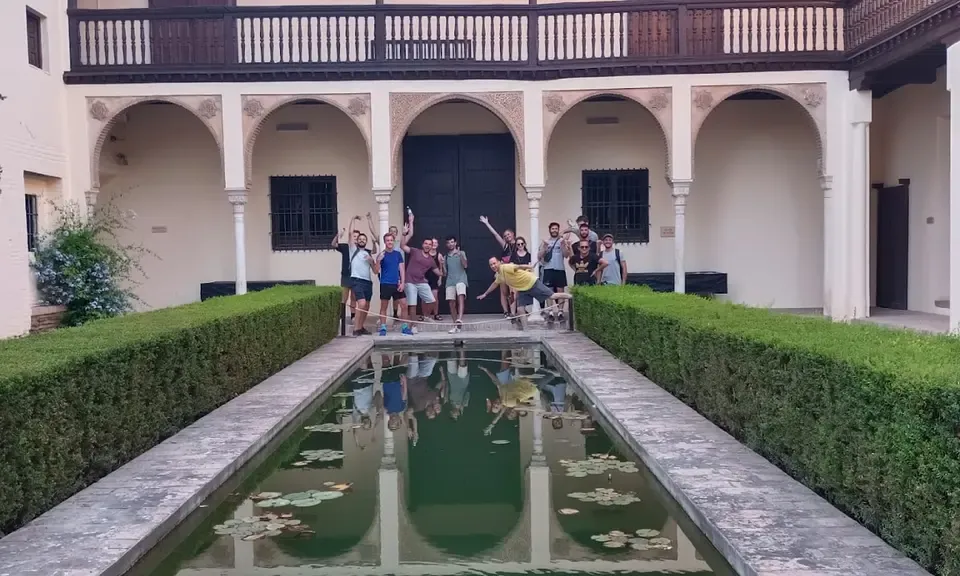
    The Albaicín walking tour is the cheapest structured way into the neighbourhood's history. Free walking tours run on a tip-based model (€5–10 at the end, per person) through operators including Walk in Granada and Sandeman's. The standard route covers 2–3km through the medieval quarter: the 11th-century street layout, the Nasrid arches embedded in later walls, the carmenes with their walled gardens, and the Mirador de San Nicolás as the finale. If you'd rather walk alone, the quarter is navigable without a guide, but the historical layers are harder to read without someone pointing them out.

    Guided Tour
  5. Granada Markets: From Moorish Silk to Sunday Rastro

    Granada Markets: From Moorish Silk to Sunday Rastro

    Granada has two markets worth knowing. The Mercado San Agustín behind the Cathedral is the daily food market: fish, meat, olives, and local cheeses from the Alpujarras at prices a fraction of what the tourist restaurants pay. Come in the morning when the fish counter is full. The rastro (flea market) runs most Sundays in the Zaidín district, with furniture, books, clothing, and kitchen equipment. Neither market charges entry. San Agustín is the more practical stop if you have a hostel kitchen to cook in.

    Experience
  6. Cycling in Granada

    Cycling in Granada

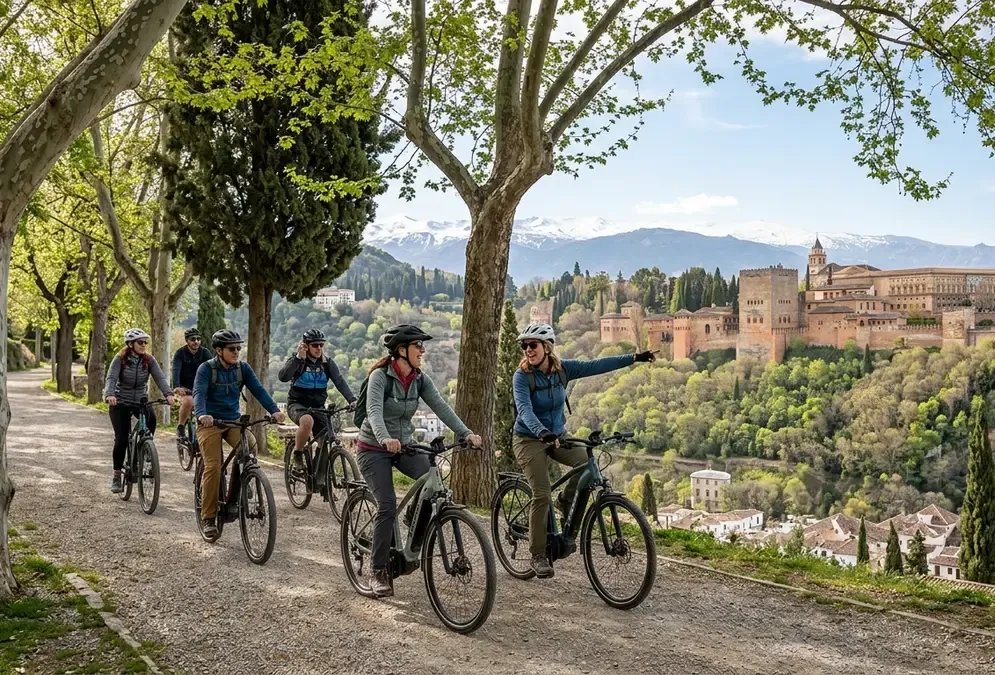
    Granada's historic centre is steep enough that cycling it requires either strong legs or an e-bike. The flat routes are good: the riverside path along the Genil, the circuit around the Zaidín district, and the road approach to the Sierra Nevada foothills from the south of the city. Several rental shops cluster near Gran Vía and Plaza Nueva. Standard bike rental runs €10–15 per day; e-bike rental around €25–30. The Carril Bici route along the Genil connects the centre to the university campus and the botanical garden without touching the main roads.

    Tour
  7. Bar Los Diamantes

    Bar Los Diamantes

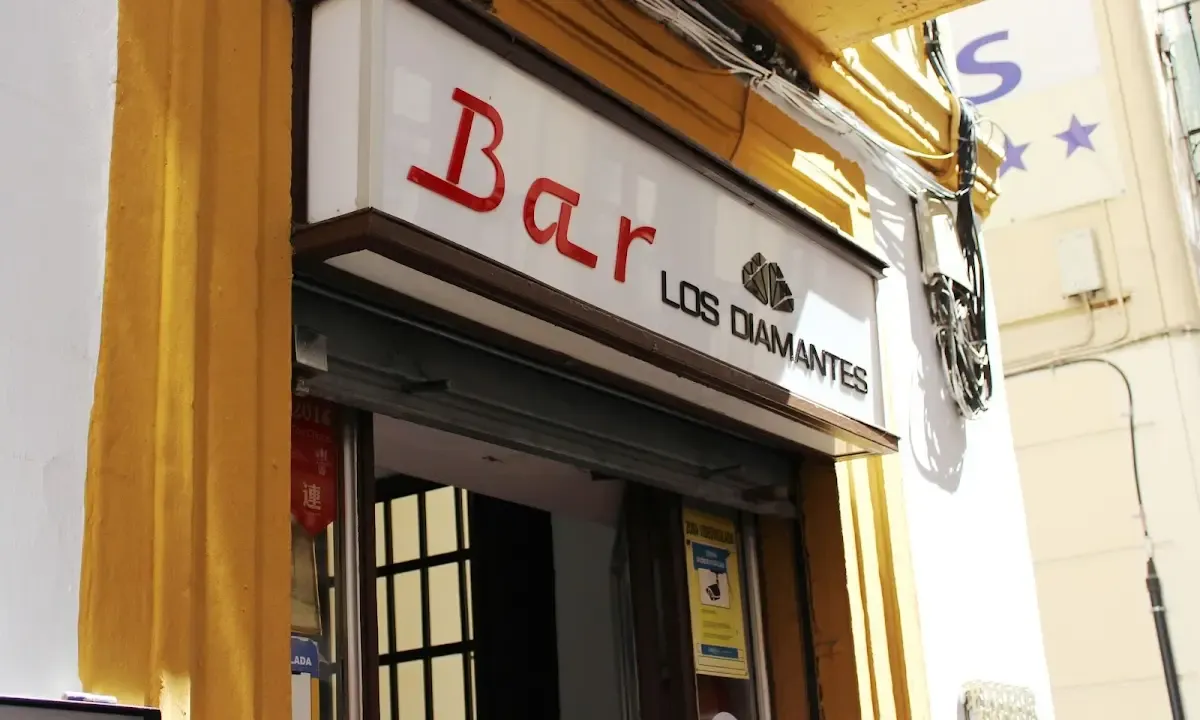
    Los Diamantes has been frying seafood on Calle Navas since 1953. The menu is short: fried fish and shellfish (gambas, chopitos, boquerones, coquinas) served at a packed stand-up bar with paper napkins and cold beer. A full ración of fried fish runs €7–10. No reservations, no frills. The original on Calle Navas is the one locals use; the branches that have opened since do not have the same atmosphere. Arrive early for the best selection because the small fish sell out.

    Tapas Bar
  8. Restaurante Chikito

    Restaurante Chikito

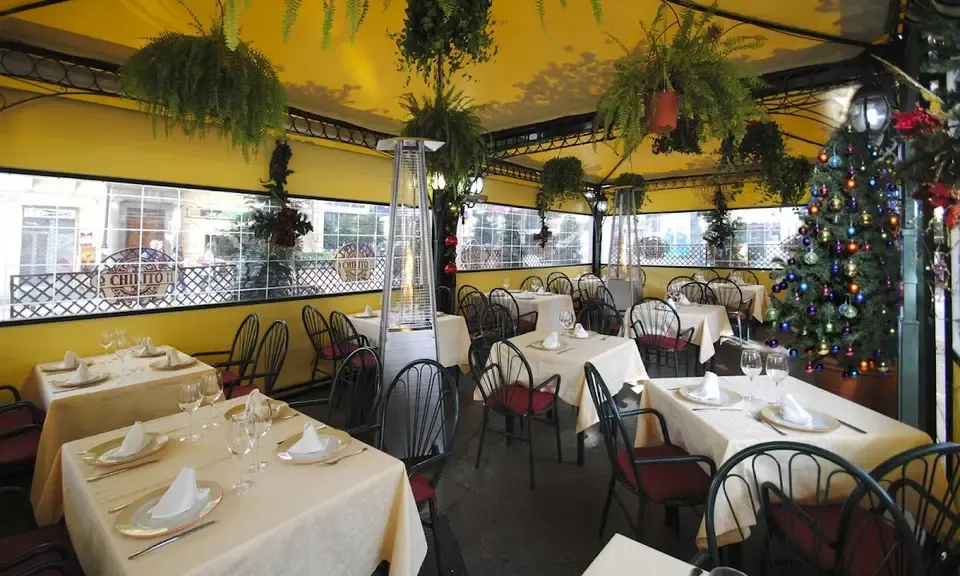
    Restaurante Chikito sits on Plaza del Campillo and has a genuine place in Granada's literary history. Federico García Lorca used to meet at a café that occupied the same address. The building is now a conventional restaurant, but the menú del día at lunch is what brings locals back: three courses with bread and wine for around €12–14. The portions are real portions. The kitchen produces honest Granadan cooking without aspiring to anything beyond that. For budget travellers who want to eat sitting down with wine and a tablecloth, this is one of the better options in the centre.

    Traditional
  9. El Granado Hostel Granada

    El Granado Hostel Granada

    El Granado Hostel is a small independent hostel in the historic centre with dorm beds from around €14–18 per night. The rooms are clean and the location (within walking distance of the Cathedral, the Alcaicería, and the Alhambra approach road) means you don't pay for transport. It draws a quieter crowd than the larger party hostels: students, solo travellers, and people doing longer stays in Granada rather than one-night stopovers. Breakfast is available for a small supplement. Book several weeks ahead in summer and during Semana Santa.

    Budget
  10. Oasis Backpackers' Hostel Granada

    Oasis Backpackers' Hostel Granada

    Oasis Backpackers' Hostel on Placeta Correo Viejo has the best value-for-location ratio of any budget bed in the Albaicín. Dorm beds from around €25 a night; private doubles at €50–60. The rooftop sun terrace has a direct Alhambra view, the same view that costs 300€ a night at the boutique hotels nearby. Shared kitchen, 24-hour reception, social atmosphere suited to solo travellers. The hostel is TripAdvisor's #10 specialty lodging in Granada with over 1,200 reviews. Quiet evenings are not what it specialises in.

    Budget

Granada's case for budget travel is stronger than most cities its size. The Albaicín, the Realejo, the Sacromonte are all historically significant and all cost nothing to walk through. The free tapas tradition means food budgets stretch further here than in Seville or Madrid. The two things worth spending on: the Alhambra ticket (€18, book well ahead) and one proper sit-down meal at a place like Chikito. Everything else on this list is free or under €15. Budget for the Alhambra, eat at the tapas bars on Calle Navas and Calle Elvira, sleep at Oasis or El Granado, and walk the Albaicín at sunrise. That's Granada on a budget done right.

Frequently asked questions

Is Granada expensive for tourists?

Less so than most Spanish cities. The free tapas tradition (every drink ordered at a tapas bar includes a free small tapa) keeps food costs low. The Alhambra (€18 for full access) is the main expense. Dorm beds at the better hostels run €14–30 per night. A full day of sightseeing outside the Alhambra costs nothing if you stick to the Albaicín, Corral del Carbón, and the Alcaicería.

Which free things in Granada are actually worth seeing?

The Mirador de San Nicolás gives you an unobstructed Alhambra panorama at no cost, any time of day or night. The Corral del Carbón is the last surviving medieval funduq in Spain (14th-century Nasrid architecture, free to enter). Walking the Albaicín quarter itself, a UNESCO World Heritage Site, costs nothing. The Alcaicería market alleys are free to wander. That's a full morning of serious sightseeing at zero cost.

How does the free tapas system work in Granada?

At most tapas bars in Granada, every drink you order comes with a free tapa. The size and type varies by bar; some give a small plate of olives, others a piece of fried fish or a montadito. At the better bars on Calle Navas, around Plaza Trinidad, and the streets off Gran Vía, the tapas are substantial enough that two or three drinks per person covers a light meal. This tradition does not exist in Seville, Madrid, or most other Spanish cities.

When should I book the Alhambra to get the cheapest tickets?

Alhambra ticket prices are fixed (€18 for full access including Nasrid Palaces; €10–14 for partial access) and do not vary by booking date. The issue is availability, not price. Nasrid Palaces tickets sell out weeks ahead in summer; book on alhambra-patronato.es the moment your travel dates are confirmed. Tickets at the door are rarely available in high season. If you miss the Nasrid Palaces, a Generalife-only ticket still gets you into the gardens and fortress exterior.

What is the cheapest way to eat well in Granada?

The tapas bar system is the cheapest way to eat properly. Budget €7–10 per person for a round of drinks with free tapas at a good bar on Calle Navas or around Plaza Trinidad. For a sit-down lunch, the menú del día at Restaurante Chikito (three courses with wine) costs around €12–14. Los Diamantes on Calle Navas does fried seafood from €7 a ración. Avoid the restaurants directly around Plaza Nueva and the Alhambra approach road, where prices are higher and the free tapas tradition is inconsistently applied.