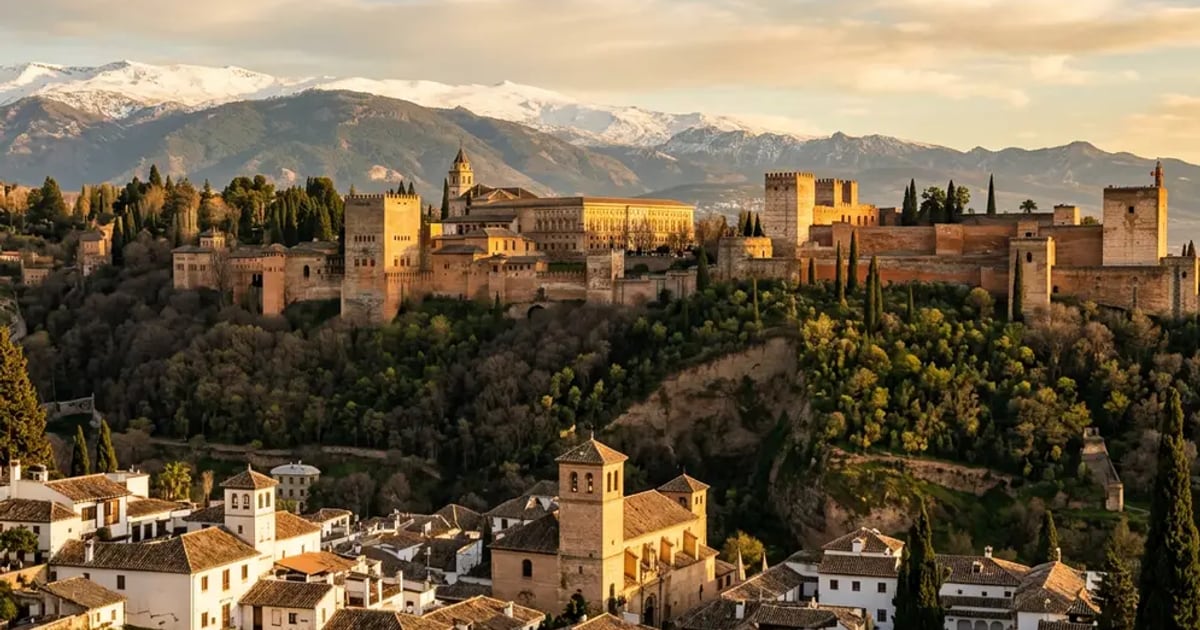
Alhambra palace at sunset with Sierra Nevada mountains in the background, Granada in summer
Summer guide

Granada in summer

It hits 36°C in August. Streets empty by noon. The city comes back to life at 10 PM. Here is how to work with that, not against it.

August in Granada is a test. The temperature averages 36°C and can exceed 40°C. The cobblestones in the Albaicín reflect heat from both directions. The climb to the Alhambra takes 25 minutes uphill in direct sun. Visitors who arrive without a plan and try to sightsee between 11 AM and 5 PM do not have a good time.

June is a different story. Highs around 27°C, comfortable evenings, and the Festival Internacional de Música y Danza in the Generalife Gardens — the main reason anyone should choose summer deliberately. July sits in between: genuinely hot but manageable if you follow the local schedule.

This guide does not pretend Granada is an easy summer destination. It explains the heat honestly, maps out what works (Alhambra at dawn, hammams in the afternoon, the city at 10 PM), what the festival is and how to book it, and where to go when you need to get out of town entirely.

How hot it actually gets

Granada sits in a bowl surrounded by mountains, which traps heat and prevents the sea breeze that relieves coastal Andalusian cities. The Sierra Nevada to the south and east acts as a wall rather than a cooler.

June

27°C

Warm but walkable. Lows around 13°C. The best summer month for sightseeing without a heat strategy.

July

35°C

Hot. The thermal swing between day and night can exceed 20°C — useful if you plan around it. Lows around 16°C.

August

36–40°C

Peak heat. Can exceed 40°C. Drops to 17°C at night. Midday outdoors is not viable.

The day-night swing is the most useful fact here. A day that hits 38°C by 2 PM will drop to 19°C by midnight. Granada's summer evenings are genuinely pleasant — outdoor dining, street life, the city centre at 10 PM. The heat is not constant. It is concentrated between roughly 11 AM and 6 PM, which is the window to avoid or fill with indoor activity.

Dehydration is a real risk

The dry heat in Granada does not feel as oppressive as humid coastal heat — you sweat, it evaporates immediately, and you do not notice how much fluid you are losing. Carry at least three litres of water for any day involving outdoor sightseeing. Municipal drinking fountains (fuentes) exist throughout the Albaicín and Realejo but are not always obvious.

Working around the heat

The locals restructure their entire day around temperature. Follow that schedule and Granada in summer becomes manageable.

Morning: before 11 AM

This window is when Granada works. The streets are cool, the Albaicín lanes are quiet, and the light on the Alhambra from below at 8 AM is the best photography of the day. If you have an Alhambra ticket for the first slot (8:30 AM), you will finish the Nasrid Palaces before the heat becomes serious. The Albaicín walking circuit to Mirador de San Nicolás takes about 90 minutes and is best started by 8 AM in July and August.

Afternoon: noon to 6 PM

Treat this period as unusable for outdoor activity. Options that work:

  • Hammam Al Ándalus: a two-hour Arab bathhouse session in the Albaicín. Air-conditioned changing rooms, alternating hot and cold pools, and a steam room. Book in advance — details here. This is the single best afternoon activity in summer Granada.
  • Museo de la Alhambra and Museo de Bellas Artes: both inside the Alhambra complex, air-conditioned, included with the general Alhambra ticket. If you have already visited the Nasrid Palaces, the museums fill an afternoon hour without additional cost.
  • Mercado San Agustín: covered market near the cathedral, cool inside, worth an hour for produce and jamón stalls. Closes around 2 PM — only useful for an early lunch break.
  • Cathedral and Royal Chapel: thick stone walls keep both interiors significantly cooler than outside. The Royal Chapel holds the tombs of Ferdinand and Isabella. A one-hour circuit covers both.

Evening: from 7 PM

Granada after 7 PM in summer is the best version of the city. The air cools steadily, terraces fill, and the bars on Calle Navas and in Realejo run their free tapas until midnight. Flamenco shows in Sacromonte start at 9 PM or 10 PM. The cueva shows up in the cave district are cooler than the city below and, in summer, the walk up through illuminated lanes is part of the experience. Dinner before 9 PM in July or August means eating mostly alone; restaurants do not fill until 9:30 PM.

The local dinner schedule

  • Breakfast: 7:30–9:30 AM — coffee and tostada at a bar before the heat arrives
  • Lunch: 2:00–3:30 PM — the main meal, indoors, unhurried
  • Tapas hour: 8:30–10:30 PM — when bars fill and the free tapas come
  • Dinner: 9:30–11:30 PM — later than this guide makes it sound, even later in August

The Alhambra in summer

The standard advice — book early, arrive early — applies everywhere in the year. In summer it is not advice, it is a requirement. The Alhambra sells out weeks to months in advance from June through August, and the physical conditions make a midday visit genuinely uncomfortable.

Daytime visit: 8:30 AM only

The Nasrid Palaces are partly covered, but the route between buildings, the Generalife gardens, and the Alcazaba battlements are fully exposed. At 8:30 AM in July, the temperature is around 22°C. By the time you finish (roughly 11:30 AM), it has climbed to 28°C. The second morning slot (usually 10 or 11 AM depending on the ticketing system) puts you in the Generalife at noon. That is 33°C, direct sun, limited shade.

Book the earliest available slot. For detailed booking instructions, see the Alhambra tickets guide.

Night visit: the better summer option

The Nasrid Palaces open for night visits on Thursday, Friday, and Saturday evenings (22:00–23:30 in summer). Only the Palaces are included — not the Alcazaba, Generalife, or museums. The ticket allocation is small (around 400 per session), and they sell out faster than daytime slots in peak summer. Book at least four to six weeks ahead.

The experience is different in kind, not just temperature. The carved plasterwork of the Sala de los Abencerrajes and the ceiling of the Sala de las Dos Hermanas respond to artificial light in ways they do not in daylight — shadow and depth where daylight flattens. The courtyards hold fewer than 50 people at any point. In August, the air at 10 PM is 22°C. It is the best version of the Alhambra if you can get the ticket.

Festival Internacional de Música y Danza

Running since 1952, this is the main reason to choose late June or July over any other month in the year. More than 30,000 people attend over two to three weeks. The setting alone — outdoor theatre in the Generalife Gardens with the Alhambra behind the stage — is not reproducible elsewhere in Spain.

Venues and programme

  • Generalife outdoor theatre — the headline venue. Dance, ballet, and large ensemble performances. 1,300 seats. Headline acts sell out first.
  • Palace of Carlos V — symphony orchestra concerts inside the circular Renaissance courtyard. Acoustically remarkable for a space not designed as a concert hall.
  • Courtyard of the Myrtles (Patio de los Arrayanes) — chamber recitals inside the Alhambra itself, after the site closes to day visitors. Limited tickets.
  • City venues — flamenco, jazz, and world music at churches, courtyards, and the Isabel la Católica theatre throughout the festival period.

Booking and timing

The official site is granadafestival.org. The programme releases in March or April for a late June start. Generalife headline performances go within days of release — set a reminder. The festival runs concurrently with heavy tourist season, so hotel prices during festival weeks are at their summer peak. Book accommodation at the same time as tickets, not after.

Outside festival weeks, summer flamenco and jazz programming continues June through September at smaller venues. The cueva flamenco shows in Sacromonte run nightly regardless of festival schedule — they are tourist-facing but authentic in performance quality.

Getting out of the city

On a five-day trip, build in at least one day away from Granada entirely. July and August make this a practical necessity as much as a recommendation.

Sierra Nevada day trip

The mountain road climbs to over 3,000 metres in 45 minutes from the city. The difference in temperature is immediate — 10°C cooler at the Hoya de la Mora car park (2,500 m) than in Granada below. The Laguna de las Yeguas and other lakes in the high basin are cold enough for swimming throughout summer. The bus from Granada city centre runs in summer; the journey takes about an hour. Take a jacket — the mountain temperature drops fast after 4 PM even in August.

Sierra Nevada day trip guide →

Costa Tropical

The Mediterranean coast south of Granada — Almuñécar, Salobreña, La Herradura — is 70 km and roughly 45 minutes by car or 90 minutes by bus. The beaches are narrower and more sheltered than the Costa del Sol, with less development and cleaner water. In August, sea temperature reaches 24–26°C. This is the option if you want a full beach day rather than a mountain escape. The coast also sits 300 metres closer to sea level than Granada, which does not make it cooler but gives it different air. See the Costa Tropical day trip guide for transport options, town comparisons, and the ski-and-swim combination.

Frequently asked questions

Frequently asked questions

Is Granada worth visiting in summer?

Yes, with the right expectations. June is genuinely pleasant — highs around 27°C, light evenings, and the Festival Internacional de Música y Danza filling the Generalife Gardens with orchestras and ballet. July pushes to 35°C and you'll feel it by 11 AM. August is the hardest month: highs of 36–40°C, midday streets that are essentially uninhabitable, and many locals gone to the coast. That said, the Alhambra at night in August is extraordinary, and the Sierra Nevada day trips are at their best. Go in June if you want summer without the punishment.

When is the best time to visit the Alhambra in summer?

The 8:30 AM first slot, or a night visit. Nothing in between. By 10:30 AM in July, the exposed courtyards and the walk up from Realejo are already uncomfortable. The Nasrid Palaces night visit (held Thursday, Friday, and Saturday evenings) opens only the Palaces and is limited to around 400 tickets — book weeks in advance. The combination of dramatic lighting, cooler air, and emptier circuits makes it the better summer choice if you can get tickets. Full booking guide here.

What is the Festival Internacional de Música y Danza?

Granada's main summer event, running late June into July. Over 30,000 people attend across performances at the Palace of Carlos V, the Generalife outdoor theatre, the Courtyard of the Myrtles, and venues around the city. Programme covers classical orchestras, flamenco, jazz, ballet, and contemporary dance. Tickets sell out for headline performances; book via granadafestival.org as soon as dates drop. Festival weeks push hotel rates up significantly — book accommodation alongside your tickets.

How do locals survive the summer heat in Granada?

Timetable restructuring. Breakfast at a bar, outdoor activity until 11 AM, indoor or shaded until 6 PM, then the city starts again. Dinner doesn't happen before 9 PM; the streets don't fill until 10 PM. The hammam in the afternoon is both cooling and culturally appropriate — a two-hour steam circuit brings your body temperature down efficiently. Ice cream becomes a logistics decision, not a treat. The daily temperature swing can exceed 20°C between peak afternoon and midnight, so the same day that nearly incapacitates you at 3 PM becomes comfortable for sitting outside by 9 PM.

Can I swim near Granada in summer?

Two options within reach. The Sierra Nevada lakes — Laguna de las Yeguas and others near the Veleta summit area — are cold alpine water, accessible by road or trail, and a genuine escape from city heat. The Costa Tropical is 70 km south (about 45 minutes by car or bus from Granada), with Mediterranean beaches at Almuñécar and Salobreña. Both options work as day trips. The Sierra Nevada lakes are better for escaping the heat; the coast is better if you want proper beach time.

Reporter notebook

Insider tips

Practical observations gathered the way a local journalist would keep them: short, specific, and more useful than brochure copy.

Best time

Book the 8:30 AM Alhambra slot — nothing else works in July

The temperature difference between 8:30 AM and 11:00 AM at the Alhambra is not trivial. By the time most tourists arrive, the sun has cleared the hills and the exposed gardens and walkways between palace buildings are already hot. The Generalife terraces have almost no shade. The early slot means you finish before the worst heat, see the courtyards in low morning light, and avoid the worst of the queue. Nasrid Palaces night visits are the only genuine alternative — book both options and take whichever you can get.

Local custom

The siesta is not laziness — it is a survival mechanism

Between noon and 5 PM in August, Granada does not slow down. It stops. Shops shut. Streets empty. Locals go home. Trying to sightsee during these hours means walking cobbled hills in 38°C heat with no one for company except other visitors making the same mistake. Use the window: find an air-conditioned museum, book a hammam session, eat lunch at 2 PM as locals do, and rest until the city wakes. The evening from 7 PM onwards is genuinely pleasant — the temperature drops, terraces fill, and the Albaicín at dusk in summer light is worth the wait.

Crowd tip

Festival weeks book out two months in advance

The Festival Internacional de Música y Danza (late June to mid-July) brings 30,000 visitors to a city that does not have unlimited hotel capacity. If your dates overlap with festival programming, book accommodation as soon as you book your flights — not after. The Generalife outdoor theatre performances sell out first. The Palace of Carlos V concerts have more seats but headline acts still go early. Check granadafestival.org for the programme release date, which usually comes in March or April.

What to bring

Two litres of water is not enough — carry three

The cobblestones in Granada reflect heat back at you. The climbs to the Alhambra and Mirador de San Nicolás are steep. In August, a 90-minute walking circuit between monuments can feel like twice that in effort. A 2-litre bottle sounds reasonable until you are an hour into a Albaicín walk at 30°C and still 25 minutes from the nearest café. SPF 50 on arms and neck, reapplied around noon, is not optional. A wide-brimmed hat is worth the packing space — sun caps do not cover the back of the neck, which is where sunburn hurts most after a day of looking up at architecture.