Guide

Best Wine Bars in Granada

Where to drink well in Granada: Alpujarras whites, Contraviesa labels, old bodegas and riverside terraces. Seven bars ranked by wine quality and authenticity.

Granada does wine differently from the rest of Andalusia. Every drink order comes with a free tapa. This is one of the last cities in Spain where the tradition holds without exception, which means a glass of Contraviesa-Alpujarra white or house vermouth arrives alongside something to eat at no extra charge. The habit changes how you drink: slower, more anchored, less in a hurry to move on.

The city sits between two wine regions most visitors have never heard of. The Contraviesa-Alpujarra denomination runs along the southern Sierra Nevada above 1,000 metres, high enough that the wines come out fresher and more structured than anything made in the Guadalquivir lowlands 200 kilometres to the west. The Condado de Granada designation covers the lower foothills and produces more approachable everyday bottles. Together they give Granada's wine bars something that Seville and Málaga cannot match: a genuinely local glass.

This ranking covers bars that take their list seriously, whether that means a carefully sourced regional selection, an old bodega still running house wines from the barrel, or a terrace where the setting and the wine arrive in roughly equal proportion. A few are tapas institutions that happen to do the wine side properly; a couple are wine-first places where the food is kept deliberately simple. The selection runs from the Albaicín to Centro to the Realejo.

Budget €3–8 per glass depending on where you land. Free tapas reduce the effective cost across the board. Most bars open around 19:00 and run until midnight or later; the old bodegas keep earlier hours and close in the early evening.

Ranked list

How we chose

The places on this list were selected against the following editorial criteria.

  • Wine selection — genuine focus on quality or regional labels, not just a functional list
  • Local and regional representation — preference for Granada province, Alpujarras, and Andalusian appellations
  • By-the-glass options — accessible to visitors drinking across several stops
  • Atmosphere — bars with real character, not staged Andalusian aesthetics
  • Value — honest prices relative to what arrives in the glass and on the plate

Reporter notebook

Insider tips

Practical observations gathered the way a local journalist would keep them: short, specific, and more useful than brochure copy.

What to order

Ask for the Contraviesa-Alpujarra at Casa Fuensanta

This is the one wine denomination in Granada that most visitors leave without trying. The vineyards sit above 1,000 metres on the southern face of the Sierra Nevada and produce whites with a freshness and mineral character that nothing else in Andalusia has. Ask the bar staff at Casa Fuensanta what they have open from the denomination. They will know immediately, and if one is available by the glass, that is where to start the evening.

Local custom

Let the free tapa arrive before ordering food

Granada's free-tapa tradition means every drink order brings a small plate of food you did not ask for. Wait to see what arrives before deciding whether to order extra food. At bars like Bodegas Castañeda and Taberna La Tana, the free rotation includes the kitchen's better work. Ordering a full ración immediately wastes that signal.

Top picks

Taberna La Tana

Taberna La Tana is the bar that most people mean when they talk about serious wine drinking in Granada. On Placeta del Agua in the Albaicín, it earned its reputation partly through an Anthony Bourdain visit and has kept it on its own terms since. The wine list reaches into Spanish regional bottles not on most bar lists in the city, and the staff will talk you through them if you ask. The morcilla de Burgos is the thing to order from the kitchen: rice-filled, cinnamon-spiced, the northern Spanish variety rather than Andalusian. The wine is why regulars treat this as their anchor stop on any evening in the Albaicín.

Casa Fuensanta

Casa Fuensanta has the most focused wine programme in Granada. The list centres on Granada province and the Alpujarras, with particular attention to the Contraviesa-Alpujarra denomination: high-altitude vineyards above 1,000 metres on the southern Sierra Nevada face, producing whites and reds with a freshness and structure unlike anything made in the Guadalquivir lowlands. Ask the staff what they have open from the denomination. The food is deliberately spare: Payoyo goat's cheese from the Sierra de Grazalema, tomato with picual olive oil. This is the bar to visit if you want to understand what Granada's wine country actually tastes like.

La Tabernilla del Darro

La Tabernilla del Darro sits just off the Paseo de los Tristes, the Darro riverside promenade, with a terrace facing the river and the Alhambra hillside directly above. On warm evenings from May through October this is as good a place to drink wine as Granada offers. The Spanish regional selection is decent (Rioja, Ribera del Duero, Albariño from Galicia), and the location carries weight that most wine bars have to work harder to earn. Arrive before 20:00 if you want one of the riverside tables.

7 places
  1. Taberna La Tana

    Taberna La Tana

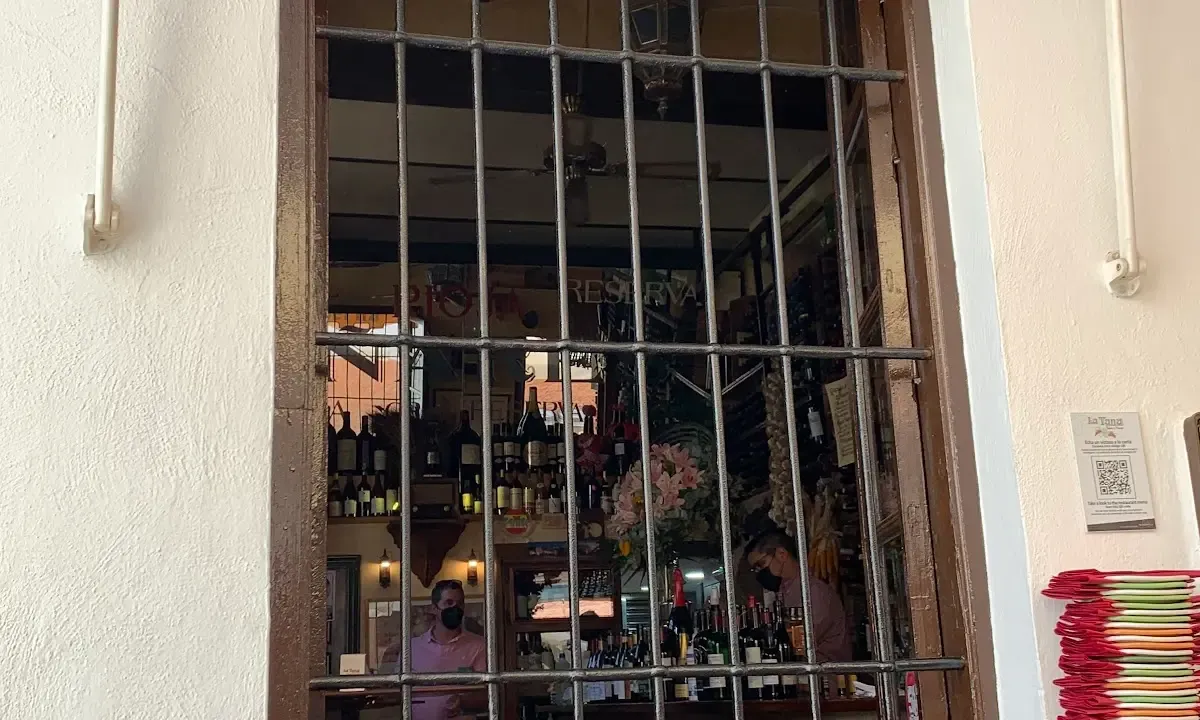
    Taberna La Tana is the bar that most people mean when they talk about serious wine drinking in Granada. On Placeta del Agua in the Albaicín, it earned its reputation partly through an Anthony Bourdain visit and has kept it on its own terms since. The wine list reaches into Spanish regional bottles not on most bar lists in the city, and the staff will talk you through them if you ask. The morcilla de Burgos is the thing to order from the kitchen: rice-filled, cinnamon-spiced, the northern Spanish variety rather than Andalusian. The wine is why regulars treat this as their anchor stop on any evening in the Albaicín.

    Tapas Bar
  2. Casa Fuensanta

    Casa Fuensanta

    Casa Fuensanta has the most focused wine programme in Granada. The list centres on Granada province and the Alpujarras, with particular attention to the Contraviesa-Alpujarra denomination: high-altitude vineyards above 1,000 metres on the southern Sierra Nevada face, producing whites and reds with a freshness and structure unlike anything made in the Guadalquivir lowlands. Ask the staff what they have open from the denomination. The food is deliberately spare: Payoyo goat's cheese from the Sierra de Grazalema, tomato with picual olive oil. This is the bar to visit if you want to understand what Granada's wine country actually tastes like.

    Wine Bar
  3. La Tabernilla del Darro

    La Tabernilla del Darro

    La Tabernilla del Darro sits just off the Paseo de los Tristes, the Darro riverside promenade, with a terrace facing the river and the Alhambra hillside directly above. On warm evenings from May through October this is as good a place to drink wine as Granada offers. The Spanish regional selection is decent (Rioja, Ribera del Duero, Albariño from Galicia), and the location carries weight that most wine bars have to work harder to earn. Arrive before 20:00 if you want one of the riverside tables.

    Wine Bar
  4. Taberna Malvasía

    Taberna Malvasía

    Taberna Malvasía draws its regulars from the Realejo, Granada's former Jewish quarter south of the cathedral, which means more local faces at the bar than you get on Calle Navas or near Bodegas Castañeda. The wine selection skews toward Andalusian reds and sherries. The kitchen is the other reason to come: the morcilla con piñones (blood sausage filled with pine nuts, not the standard rice-based Burgos variety) is worth ordering as a ración rather than waiting for it to arrive as the free tapa. Seating is available at most hours, which makes it the most relaxed stop on this list.

    Traditional
  5. Bodegas Castañeda

    Bodegas Castañeda

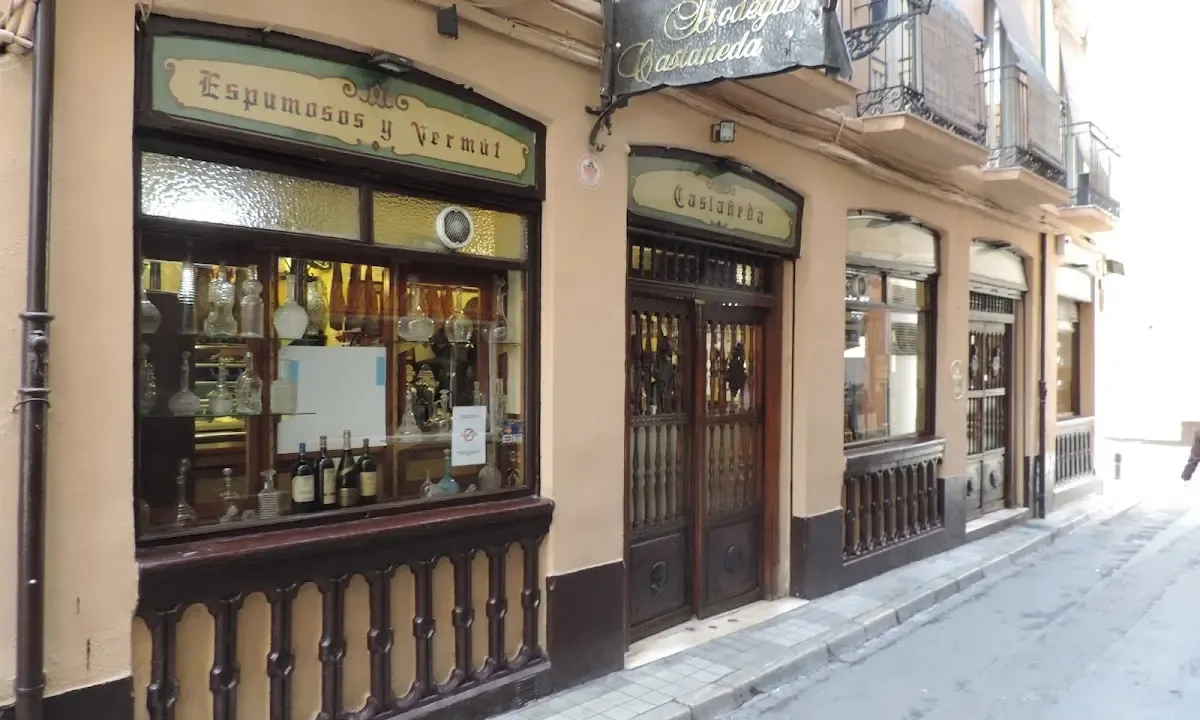
    Bodegas Castañeda is the bar that defines what old Granada looks like. The ceiling carries hanging jamón legs, barrels line the walls, and the handwritten wine lists on chalkboards have been there long enough to feel permanent. Ask what is open at the bar and the staff will let you taste before committing to a glass: standard practice here, and a good way to work through the Andalusian sherries and local reds without ordering blind. Free tapas arrive with every drink; the albóndigas en salsa de tomate are what you should ask for by name. This is not a wine destination in the sommeliers-and-tasting-notes sense. It is a place to drink well in a room that has the particular character that comes only from decades of use.

    Tapas Bar
  6. Casa Enrique

    Casa Enrique

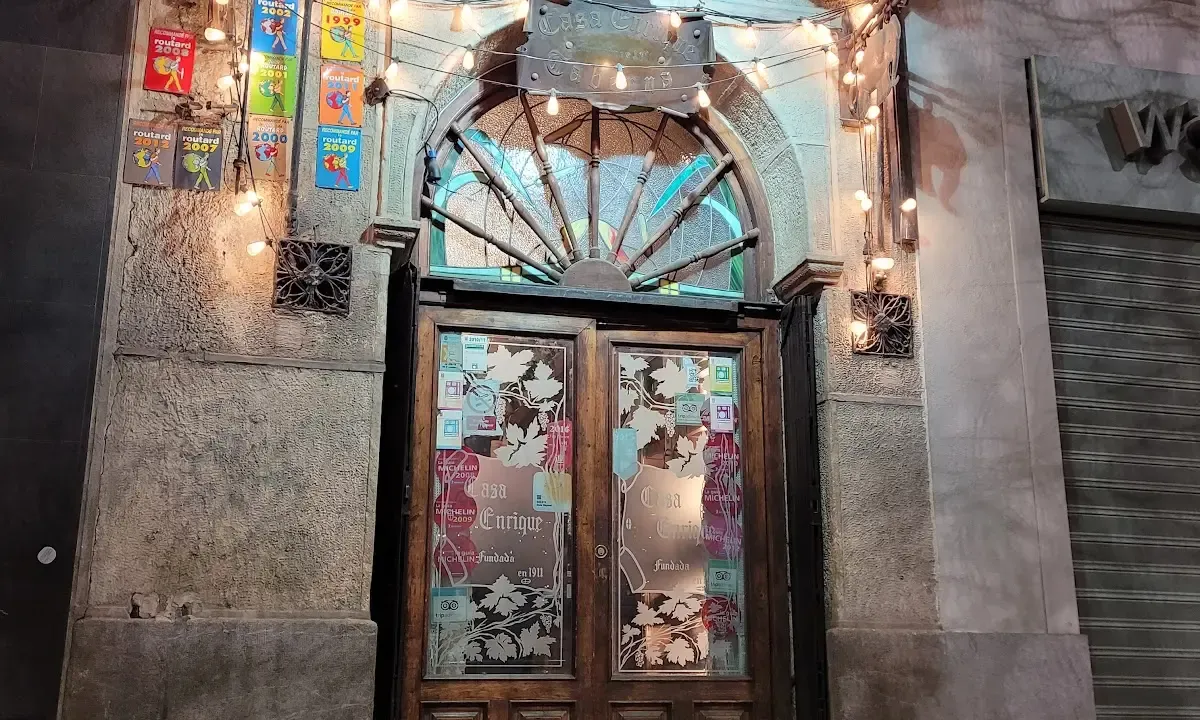
    Casa Enrique (also known locally as El Elefante) sits on Acera del Darro, a road alongside the Genil river that visitors rarely find without guidance. The bar is one of the oldest in Granada: marble counter worn smooth, tiled walls, jamón legs overhead. The wine list is short and honest: house red, fino sherry, the occasional local bottle. The jamón ibérico is the main reason to come, sliced thin and served at room temperature with no garnish. Two drinks each with the free tapa rotation covers a proper sitting at low cost. A more straightforward version of Granada bar culture than the wine-focused bars higher on this list, but worth knowing.

    Tapas Bar
  7. Bodegas La Mancha

    Bodegas La Mancha

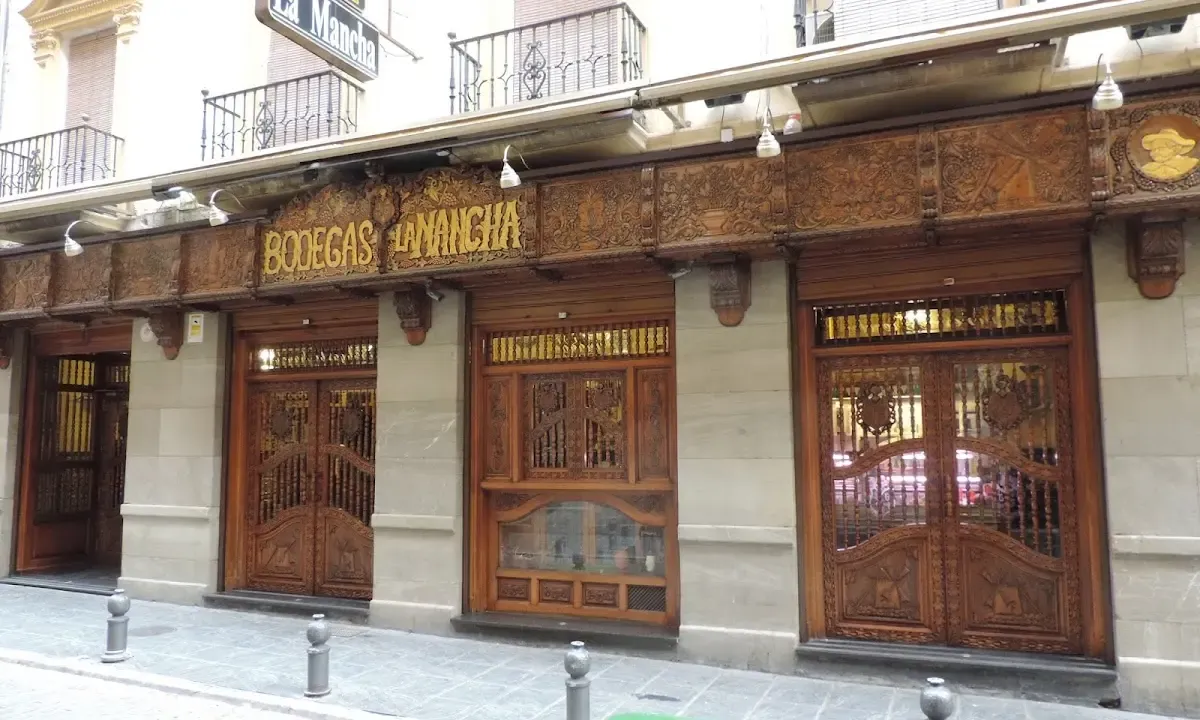
    Bodegas La Mancha is on Calle Joaquín Costa, a side street behind the main shopping drag in Centro, and it looks exactly like what it is: barrels along the wall, a handwritten price list, older neighbourhood regulars. The wines come from casks: everyday Castilian and Andalusian reds and whites sold by the glass at €2–3, one of the cheapest places to drink in the city. Ask to taste from the barrel before ordering ('puedo probar?' will get you there). The free tapas are simple (pan con tomate, queso manchego) and they are not the point. The point is the cask wine, the price, and the pace of a room that has been running this way for a long time.

    Tapas Bar

The strongest wine bars in Granada are Taberna La Tana (for regional selection in the Albaicín) and Casa Fuensanta (for Alpujarras and Contraviesa-Alpujarra labels you will not find elsewhere). La Tabernilla del Darro is the only option where the setting and the wine arrive on roughly equal terms: the right choice for a first evening in the city, particularly May through October when the riverside terrace is open. For the old-bodega experience, Bodegas Castañeda is the benchmark. Ask to taste before you order and let the staff point you toward what is open. Every bar on this list is in Granada's free-tapa zone, so the effective cost of an evening is lower than the glass prices suggest. Most bars are at their best between 19:30 and 22:00; Bodegas La Mancha closes earlier, around 21:00 on weekdays.

Frequently asked questions

What wines should I try at Granada's wine bars?

Start with the local appellations: Contraviesa-Alpujarra whites from the Sierra Nevada foothills (above 1,000 metres) and Condado de Granada reds from the lower valley. These are the wines you will not find easily outside the region. Casa Fuensanta and Taberna La Tana are the best places to find them poured by the glass. For something more familiar, Andalusian sherries (fino, manzanilla) are on every list and pair well with the free tapas.

Do Granada wine bars serve food?

All of them, at minimum through Granada's free-tapa tradition: every drink order comes with a small plate of food at no extra charge. The bar staff decide what arrives with each round. Several bars on this list go further: Casa Fuensanta serves Payoyo goat's cheese and tomato with picual olive oil; Taberna La Tana does the morcilla de Burgos worth ordering specifically; Bodegas Castañeda's albóndigas are what regulars ask for by name.

What is the cheapest wine bar experience in Granada?

Bodegas La Mancha on Calle Joaquín Costa. House wine from the cask costs around €2–3 per glass, and the free tapa arrives with it. Two rounds each covers a full session for two people for roughly €10–12. Unpretentious by design, no curated list, no explanation: an honest glass and one of the few places in Centro still running the old bodega model.

When do wine bars in Granada open and close?

Most open from around 19:00 and run until midnight or later. The exception is the old bodegas — Bodegas La Mancha keeps daytime hours (from 10:00) and closes around 21:00 on weekdays, 15:00 on weekends. La Tabernilla del Darro opens from 18:00 and is at its best before 20:30 when the riverside terrace fills. For Bodegas Castañeda, the gap between 15:30 and 18:00 is the quietest window between the lunch crowd and evening service.

Which wine bar has the best view in Granada?

La Tabernilla del Darro, on the Paseo de los Tristes. The terrace sits at river level facing the Darro and the Alhambra hillside directly above it. From late afternoon through dusk the view of the Alhambra towers is as good as any point in the city you can reach with a glass of wine. Arrive before 20:00 to secure a riverside table.