Seven years resident in Granada. Specialist in Nasrid architecture, Al-Andalus history, and Andalusian walking routes.
Published
Most visitors to Granada look up at the Sierra Nevada from the Alhambra terraces and assume it is a backdrop. It is not. The ski resort at Pradollano is 32km from the city centre. The trailhead for the highest peak in mainland Spain is 45 minutes by bus. In July, the high plateau at 2,500m runs 15–20°C cooler than the streets of Granada below.
The Sierra Nevada works on a year-round calendar. Winter means skiing on 110km of pistes at Europe's southernmost ski resort. Summer means hiking through a national park to alpine lakes cold enough for swimming. Spring and autumn are for the drive up the Veleta road, the highest paved road in Western Europe at 3,394m, when the snow is gone and the trailheads are open but the tourist coaches have not yet arrived.
This guide covers what to do in each season, how to get there, and the things the resort brochures do not mention — when to avoid it, which shoulder months are a waste of the drive, and what the mountain looks like when everything goes wrong with the weather at 3,000m.
Skiing in the Sierra Nevada
The Estación de Esquí Sierra Nevada at Pradollano is Spain's southernmost ski resort and, in a good snow year, one of the longest-season in the country. The base sits at 2,100m; the top lifts reach 3,300m. The season runs December to April, with the most reliable snow from mid-January through March.
Pistes
110 km
Across 19 lifts and 5 terrain parks. Mostly green and blue runs — good for beginners and intermediates.
Altitude
2,100–3,300m
Upper black runs above 3,000m. Beginners' area with gentle greens at the base near Pradollano village.
Season
Dec – Apr
Peak: mid-January to mid-March. February school holiday (semana blanca) is the busiest period.
The resort is designed around day-trippers from Granada and Málaga, but the daily commute adds up. The drive from the city to Pradollano takes 45–60 minutes; add the return trip and you lose two hours of skiing per day. If you plan more than a one-day ski trip, accommodation at the resort is worth the cost. The Meliá Sierra Nevada at the base of the slopes and a handful of smaller hotels in Pradollano all put you on the snow without a commute.
Snow quality varies more here than at Alpine resorts. The Sierra Nevada sits at roughly the same latitude as North Africa, and when temperatures fluctuate in late season the pistes can ice overnight. Early mornings after a fresh snowfall are the best conditions. By midday on a warm March day, the runs above 2,500m are still good; lower pistes can be slushy. Check the resort's daily snow bulletin before you go.
Ski lessons and rental
The resort has multiple ski schools and rental shops at Pradollano. First-timers who book a group morning lesson typically spend the afternoon skiing independently on green runs — one day is enough to get moving. Equipment rental (skis, boots, poles) runs around €25–35 per day. Lift passes are separate and vary by duration; multi-day passes bring the per-day cost down significantly. See the skiing activity guide for current pass prices and booking links.
Summer hiking
The Parque Nacional Sierra Nevada covers the high terrain above roughly 2,500m — the strictest protection zone in Spain, with no vehicles above that altitude on most routes. The main summer trailhead is the Hoya de la Mora car park at 2,500m, accessible by road or by the summer ALSA bus from Granada. From here, most of the high-altitude routes begin.
Main trails from Hoya de la Mora
Veleta summit (3,394m): 4–5 hours round trip. The road to Veleta is paved and used by vehicles in early summer, but the upper section closes to traffic once the national park season is in full swing, turning it into a hiking route. The summit is the highest point accessible by road in Western Europe. No technical climbing required, but altitude and exposed ridgeline mean weather matters. Start early — cloud usually builds from early afternoon.
Laguna de las Yeguas: 1.5 hours from the car park. The most accessible of the high-altitude lakes, sitting at around 2,900m. Cold enough for swimming throughout summer. The trail is straightforward; the lake itself is surrounded by bare granite and gives a genuine alpine feel within 90 minutes of leaving the car park.
Siete Lagunas circuit: A full day (7–9 hours). A loop taking in several glacial lakes in the Mulhacén massif. Requires experience with mountain navigation and a full day's commitment. Take a map or downloaded GPS track — the trail is not always marked clearly.
Mulhacén (3,479m): The highest peak in mainland Spain. 5–7 hours round trip from Hoya de la Mora, longer if combined with the Siete Lagunas circuit. A serious mountain day: proper footwear, layers, food, water, and navigation ability are all required. The summit view on a clear day reaches the Mediterranean coast.
Season and timing
The main hiking season runs June to October. The Hoya de la Mora road typically opens in late May or early June, depending on snow clearance — call the national park visitor centre before planning a late May trip. July and August are the most reliable months for clear trails, but also the warmest at altitude; the temperature drop from Granada city makes these months pleasant for hiking even when the city below is at 36°C. September and early October offer the most stable weather and fewer people.
Weather above 3,000m
The Sierra Nevada is not a gentle walk-in-the-park mountain. Afternoon thunderstorms can form with little warning in July and August. Start high-altitude routes before 8 AM and aim to be below 3,000m by 1 PM if cloud is building. The temperature at the Veleta summit can drop 15°C in under an hour when a weather system moves through. Always carry a windproof layer and more water than you think you need — the dry mountain air accelerates dehydration significantly faster than walking at sea level.
Alpine lakes and summer escapes
You do not need to be a hiker to use the Sierra Nevada as a summer escape. The Hoya de la Mora car park at 2,500m is a destination in itself during July and August — the air there is 15–20°C cooler than Granada city, the light is sharp and clear, and the main chairlifts run in summer specifically for people who want to reach the high plateau without walking.
The summer chairlift
Several main lifts operate from Pradollano throughout summer, carrying walkers, cyclists (the descent is popular), and non-hikers up to the high plateau at around 2,800–3,000m. From the top of the lift, the glacial valley stretches to the south, and on clear days the coast near Almería is visible in the distance. No ski gear needed — bring sunscreen and a jacket.
The lift option makes the Sierra Nevada accessible as a half-day trip from Granada even for people not planning to hike. Take the early ALSA bus, ride the lift up, spend two hours at altitude, descend by 1 PM before afternoon cloud builds, and be back in the city by 3 PM.
Swimming in the high lakes
The Laguna de las Yeguas and several other glacial lakes in the Mulhacén area are swimmable throughout summer. The water is cold, fed by snowmelt and never warmed by sun in a shallow bay. The shock of cold water after a morning hike at altitude is, honestly, one of the more memorable things you can do within an hour of Granada. No facilities, no lifeguards, no marked entry — it is a mountain lake, not a lido. Check the national park regulations before swimming; some areas within the strictest protection zone prohibit it.
For a full guide to the Sierra Nevada as a day trip from Granada — transport options, what to bring, combining the ski resort visit with a hike — see the Sierra Nevada day trip guide. If you're planning a summer visit specifically to escape city heat, the Granada in summer guide puts the mountain option in context alongside other heat escapes.
Las Alpujarras: the mountain villages
The southern slopes of the Sierra Nevada drop into Las Alpujarras — a string of white Berber-style villages at 700–1,500m that look more like the Atlas Mountains than Andalusia. Lanjarón, Órgiva, Pampaneira, Bubión, Capileira: each one distinct, connected by a single road that winds along the hillside above deep ravines. The air smells of wood smoke in winter, rosemary in summer.
Las Alpujarras is a separate day trip from Granada, not a side trip from the ski resort — the drive from Pradollano down the southern face and through the valleys takes about an hour. Most people combine it with a drive through the Sierra Nevada rather than treating it as a ski stop. The food — jamón de Trevélez, mountain stews, local wines — is the main reason to go. The village of Trevélez at 1,476m is one of the highest permanently inhabited villages in Spain and the origin of the cured ham that ends up in Granada's tapas bars.
For routes, village-by-village breakdown, what to eat, and transport from Granada, see the Las Alpujarras day trip guide.
Getting there and practical planning
The Sierra Nevada is 32km from Granada city centre. By car, the ski resort at Pradollano takes 45–60 minutes depending on traffic and road conditions. By bus, ALSA runs the route year-round with different schedules for winter (ski resort) and summer (Hoya de la Mora trailhead).
By car
The A-395 road from Granada to Pradollano is well-maintained and signposted. In winter, the road above about 1,800m can ice overnight — check road conditions before setting off and carry chains if driving to the resort in January or February. Chains are mandatory when indicated; hire shops at the base of the mountain road rent them by the day. In summer, the road to Veleta peak (3,394m) opens when snow clears — typically late June — and closes in autumn. It is the highest paved road in Western Europe and worth driving for the views alone, even if you are not hiking.
Parking at Pradollano in peak ski season is limited and expensive. The resort runs shuttle buses from lower car parks; use them rather than circling for spaces near the lifts.
By bus (ALSA)
Winter: ALSA runs multiple daily departures from Granada bus station to the ski resort. Journey time is about 45 minutes. The bus fills quickly on Friday afternoons and Saturday mornings — book the outbound journey online in advance during peak ski season.
Summer: A separate service runs to Hoya de la Mora (2,500m), the main summer trailhead, from June to October. Check the ALSA website or Granada bus station for current timetables; the summer schedule changes from year to year.
What to avoid and when
February school holiday (semana blanca): the busiest week of the ski season. Accommodation books out months ahead; lift queues run 30+ minutes on peak days. The weeks either side are significantly better.
May and November: the awkward shoulder months. Ski lifts are closed, summer hiking routes may still have ice or snow above 2,500m, and the road to Veleta is often still shut. There is little reason to make the drive unless you are specifically interested in the valley scenery.
Weekend mornings in August: the Hoya de la Mora car park fills by 10 AM in high summer. Arrive by 8:30 AM or later in the afternoon after the day hikers leave.
For the best time to visit Granada overall — including how the Sierra Nevada fits into seasonal planning — see the best time to visit Granada guide.
Frequently asked questions
Frequently asked questions
When is the Sierra Nevada ski season?
Roughly December to April, though exact dates vary by snowfall. The resort sits at 2,100–3,300m altitude, which gives it a longer season than most Spanish mountains. Weekends and the February school holiday (semana blanca) are the busiest periods — expect queues at the main gondola if you arrive after 9:30 AM. Weekday mornings mid-January to mid-March are the sweet spot: quieter pistes, same snow. Book accommodation at the resort if you plan more than a day trip; driving up and down daily adds 90 minutes and makes early starts harder. See the skiing guide for more on lift passes and lessons.
Can I visit Sierra Nevada in summer?
Yes, and in some ways it's the better season. The Hoya de la Mora car park at 2,500m is the main summer trailhead — accessible by car or bus from June to October. The temperature there runs 15–20°C cooler than Granada city in July and August, which makes it one of the most practical heat escapes within an hour of the city. The main chairlifts run in summer for non-hikers who want to reach the high plateau without walking. Several alpine lakes near the summit area are cold enough for swimming throughout summer. The road to Veleta peak (3,394m) is the highest paved road in Western Europe and driveable in summer.
How do I get from Granada to Sierra Nevada without a car?
ALSA runs daily buses from Granada bus station. In winter, the ski resort bus runs multiple times daily and takes about 45 minutes. In summer, a separate service runs to Hoya de la Mora (2,500m), the main trailhead and base for alpine lakes. Check ALSA's current timetable before your visit — summer and winter schedules differ significantly. In winter, the bus fills quickly on Friday afternoons and Saturday mornings; book the outbound journey in advance if possible.
What is Mulhacén and can I hike it?
Mulhacén at 3,479m is the highest peak in mainland Spain (Tenerife's Pico de Teide is higher, but on an island). The standard approach from the Hoya de la Mora car park takes 5–7 hours round trip and is classified as a long mountain day, not a casual hike. You need proper footwear, layers, and experience with altitude. The summit area is above 3,000m and weather changes fast even in summer — bring a windproof jacket regardless of what it looks like in Granada that morning. The trail is unmarked in sections; a GPS track or guide is recommended for first-timers.
What should I expect on the ski slopes?
The Estación de Esquí Sierra Nevada has 110km of pistes across 19 lifts and 5 terrain parks. The resort is good for beginners and intermediates — there is a dedicated beginners' area with gentle green runs near the base at Pradollano. Expert skiers will find the upper black runs above 3,000m worthwhile but limited in number. The resort is Spain's southernmost, so snow quality can be icier than Alpine resorts when temperatures fluctuate. Early mornings after a fresh fall are the best time for powder. The village of Pradollano at the base has rental shops, ski schools, and a handful of restaurants on the snow.
Reporter notebook
Insider tips
Practical observations gathered the way a local journalist would keep them: short, specific, and more useful than brochure copy.
Best time
Mid-January to mid-March on a weekday: the ski season at its best
The February school holiday (semana blanca) is when the resort fills — families from across Andalusia, queues at every main lift, accommodation booked months ahead. The weeks either side are quieter, the snow is at its most reliable, and you can ski without the weekend scrum. If you can only go at a weekend, arrive before the gondola opens at 9 AM. The difference between first lift and 10:30 AM is 30 minutes of queuing. In summer, the equivalent logic applies: be at Hoya de la Mora by 9 AM to get the best of the cool morning before afternoon cloud rolls in from the southwest.
Photo spot
The Alhambra and the snow: Mirador de San Nicolás at dawn in February
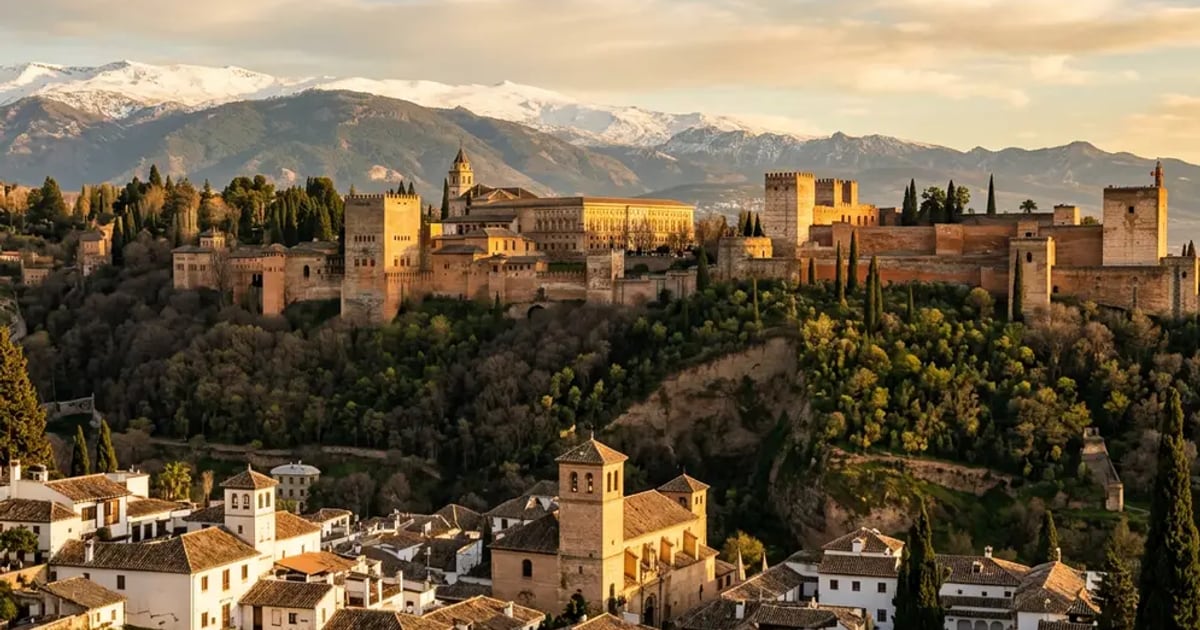
When the Sierra Nevada is snowcapped — typically December through April — the view from Mirador de San Nicolás has the Alhambra in the foreground with white peaks behind. The best light is around 8–8:30 AM when the low sun catches the palace towers and the mountains are still in blue shadow. By mid-morning the contrast flattens. This is also before the mirador fills with tour groups, which usually arrive from 10 AM onwards. February and March give the most reliable snow cover; November and December can be patchy. From the high road above Veleta on clear summer days, you can see the coast near Almería — but that view needs calm weather and no haze.
Crowd tip
Avoid the awkward shoulder seasons: May and November
Mid-May and November are the dead zone. The ski lifts are closed, the summer hiking season has not started, and the Hoya de la Mora road may still have ice in early May. There is nothing particularly wrong with a drive up the valley in these months, but the reason to go — skiing or high-altitude hiking — is not available. If your trip falls in late April, call ahead to check lift status before driving up expecting snow. The resort website posts daily lift and piste status throughout winter; use it.
What to bring
A jacket for summer — the mountain does not care what month it is
Granada in August is 36°C. The Hoya de la Mora car park at 2,500m is 18°C in the morning and can drop to 10°C if a cloud system moves in. Every summer, people arrive at the trailhead in shorts and flip-flops because it was warm in the city. The temperature drop is not gradual — it is immediate, especially above 2,000m when wind picks up. A lightweight windproof layer takes up almost no bag space and makes the difference between an enjoyable morning hike and a cold, miserable one. In winter, add a neck buff and ski gloves to whatever jacket you bring — the wind on the upper pistes is cutting.