Seven years resident in Granada. Specialist in Nasrid architecture, Al-Andalus history, and Andalusian walking routes.
Published
Updated
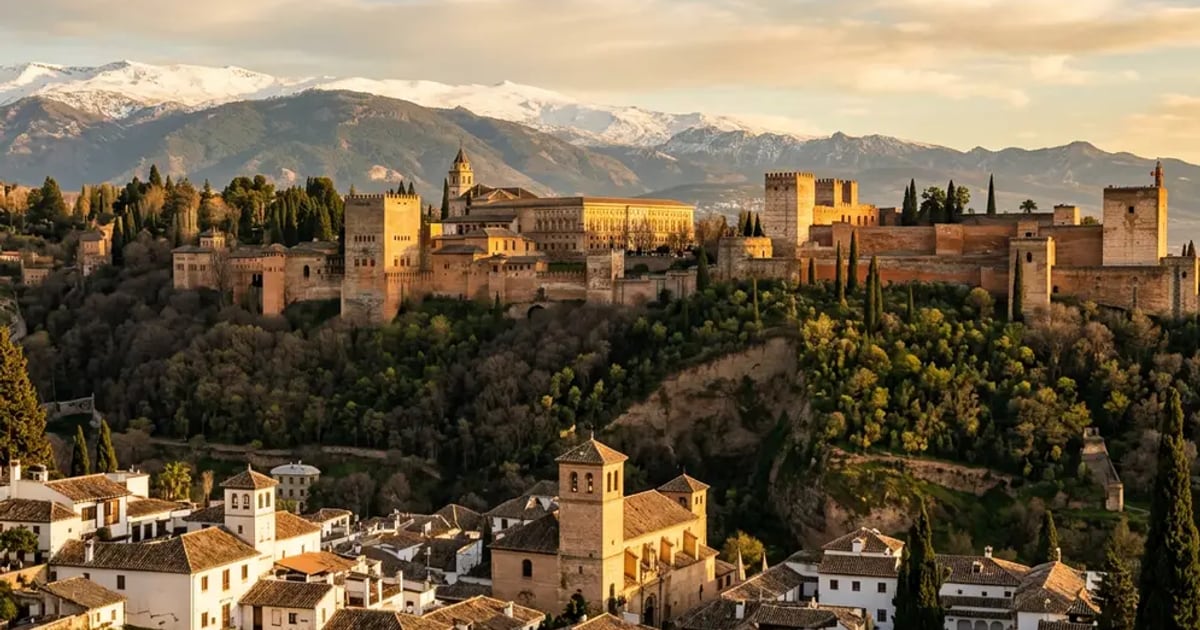
Most people skip Granada in December and January. That's the reason to go. The Alhambra — which turns visitors away in summer when advance tickets sell out weeks ahead — is manageable in winter, sometimes easy. Hotels charge a third of their August rate. The tapas bars on Calle Navas fill with local regulars rather than tour groups. And 31 km south, the Sierra Nevada runs from late November to late April: Europe's southernmost ski resort, sitting above 2,100 metres while the city below stays in single digits.
Winter Granada is not summer Granada with a coat on. It gets dark by 5:00 pm in January. Some rooftop restaurants close for the season. The Generalife gardens look skeletal without their summer roses. But the monuments are there, the food is there, the bars never close, and the mountains are covered in snow. For three or four days, it adds up to a different and cheaper version of the same city.
This guide covers the practical reality of the weather, how to combine skiing at Sierra Nevada with a city visit, what the Alhambra is like in low season, the Christmas and Three Kings celebrations, and what genuinely closes versus what stays open.
Weather reality: December to February
Granada sits at 738 metres altitude in a natural bowl formed by the meeting of two rivers. That makes it colder than Málaga or Seville in winter — noticeably so. Average highs in December and January run to 10–11°C. Lows drop near 2°C, and overnight temperatures in January can dip below zero, leaving a thin frost on the Alhambra paving stones and ice in the Albaicín's narrower lanes.
December
High 11°C / Low 2°C. Around 61 mm rainfall. Clear days alternate with rain fronts moving in from the Atlantic. Mountain views sharpen after rain.
High 10°C / Low 2°C. Around 53 mm rainfall. The coldest month but also the clearest. Frosty mornings, low-angled light, minimal visitors. Best month for photography.
High 11°C / Low 2°C. Around 55 mm rainfall. Similar to December. Almond trees begin to flower in the Alpujarras by late February — an early sign of spring approaching. On 28 February, Día de Andalucía brings free museum entry across the city, outdoor concerts, and free Andalusian breakfasts in the centro.
What to pack
Warm mid-layer (fleece or down) plus a windproof waterproof outer jacket
Waterproof shoes with good grip — Albaicín cobbles get icy after rain
Hat, scarf, and gloves for viewpoint visits (wind cuts through at Mirador San Nicolás)
If going to Sierra Nevada: thermal base layer and ski gloves in your bag that morning
What closes in winter
The Alhambra, the cathedral, the Capilla Real, and all major museums stay open year-round. So do bars, restaurants, and the Christmas market from late November. What does change:
Some outdoor rooftop bars and terrace restaurants close from November to March
The Generalife gardens are open but the summer rose displays are dormant
Evening light disappears around 5:00 pm in January — plan outdoor sightseeing for mornings
A handful of smaller tapas bars on tourist streets reduce hours mid-week in January
Skiing Sierra Nevada
The Sierra Nevada ski resort at Pradollano (2,100 m) is 31 km from Granada city centre. That's 40 minutes by car or 45 minutes on the regular bus service from Granada's main bus station. The season typically runs from late November to late April, depending on snowfall — the 2025–26 season opened on 29 November 2025.
This proximity is the thing that makes winter Granada genuinely unusual. Other ski resorts require a full day's travel to reach a city. Here, you can ski in the morning and eat tapas in the Albaicín that evening. The reverse also works: book a 9:00 am Alhambra entry, finish by noon, drive or take the bus to Pradollano for the afternoon, and be back in Granada before the restaurants open for dinner.
Getting there
By bus: Regular service from Granada bus station to Pradollano village, journey time around 45 minutes
By car: 31–32 km from city centre, around 40 minutes. Chains may be required in heavy snow — check conditions the night before.
Season: Late November to late April (snow-dependent). The 2025–26 season opened 29 November 2025 and was scheduled to close 26 April 2026.
For current lift pass prices, piste maps, and the full logistics of a ski day from Granada, see the Sierra Nevada skiing guide. If you'd rather not ski but want to see the mountains, the Sierra Nevada day trip guide covers walking routes and viewpoints accessible without equipment.
Alhambra in winter
The Alhambra has a daily visitor cap. In summer, that cap fills fast — weeks or months in advance. In winter, particularly January and February, the cap rarely fills. You can often book a few days ahead rather than planning weeks out.
The experience itself changes. The Patio de los Leones without 300 visitors crammed into it feels different. Icy mornings bring a light frost to the marble underfoot and a quiet the complex rarely achieves in warmer months. The sky above the Nasrid Palaces in January is often a clear, cold blue that the summer haze never quite matches.
Winter advantages at the Alhambra
Easier ticket availability — book 3–7 days ahead rather than 2–4 weeks
Fewer visitors in each time slot — the 30-minute Nasrid Palace entry feels calmer
Cold, clear light ideal for photography — morning slots from 8:30 am are best
Hotel rates around the Alhambra neighbourhood drop considerably in January
The Generalife gardens are open but less spectacular — the summer roses and summer-flowering hedges are dormant. The architecture is the draw in winter, not the garden planting. The water channels in the Patio de la Acequia run regardless of season; they're fed by the Sierra Nevada snowmelt year-round.
Christmas, Three Kings and local customs
Granada's festive season starts on 30 November when the city turns on its Christmas lights. The main market opens at Plaza Bib-Rambla — around 70 wooden stalls selling handmade crafts, decorations, local sweets, and books — and runs until 6 January. For the full picture on what Granada does at Christmas, see the Granada at Christmas guide.
New Year's Eve — Plaza del Carmen
Locals gather at Plaza del Carmen for the midnight countdown. The Spanish tradition is to eat 12 grapes, one on each chime of the clock, for good luck in the coming year. It's practical to bring your own grapes, though vendors sell pre-counted bags. The square fills from around 11:00 pm.
Día de la Toma — 2 January
Granada marks the day in 1492 when Boabdil, the last Nasrid sultan, handed over the city to Ferdinand and Isabella. It's a local civic occasion rather than a public holiday: a ceremony at the town hall, a flag raised over the city, and a moment the local press covers every year. Tourists rarely notice it; locals do not forget it.
Cabalgata de Reyes — 5 January
The Three Kings parade is the biggest street event of the winter. Starting at San Juan de Dios at 5:30 pm, the procession moves along the full length of Gran Vía. The Reyes Magos distribute 35,000 pounds of sweets to the crowd. Families line the route hours in advance. Bring an umbrella to deflect falling boiled sweets — the locals do. For the best position, arrive early along Gran Vía toward Plaza de Isabel La Católica.
Día de Andalucía — 28 February
The end of February brings Andalusia's regional public holiday. Granada marks it with free entry to state museums — the Museo Arqueológico runs its popular El Juego de la Liebre workshop in the courtyard, which fills up by 10:30 AM. Flag-raising ceremonies take place in the main plazas from 09:00, free community Andalusian breakfasts (mollete with olive oil and tomato) appear around the centro from 10:00, and the afternoon fills with outdoor concerts. Most shops close. See the Día de Andalucía guide for the full programme and practical logistics.
Winter food to order
Winter bars in Granada are full of locals eating heavier food than the summer cold soups. Three dishes worth looking for:
Olla de San Antón — a hearty winter stew traditionally eaten around 17 January (San Antón), made with dried legumes, pork, and whatever came from the slaughter. A January-only dish in bars that keep the old calendar.
Choto al ajillo — young goat with garlic, a rustic winter standard in traditional bars. Rarely on tourist menus; worth asking about if you see it chalked up.
Migas — fried breadcrumbs with chorizo, peppers, and sometimes grapes or pomegranate. A cold-weather dish that almost never appears in summer. Order it if a bar lists it as a tapa.
Explore each winter month in detail
Granada in January — the quietest and cheapest month: lowest hotel prices, uncrowded Alhambra, clear winter light, and the Sierra Nevada in full ski season.
Granada in February — still cold but prices low; almond blossom starts in Las Alpujarras by month end, and Día de Andalucía on 28 February opens museums for free.
Frequently asked questions
Frequently asked questions
Is Granada cold in winter?
Cold by Andalusian standards, not by northern European ones. December and January average highs around 10–11°C with lows near 2°C. Frosty mornings, occasional rain, and brief icy patches in the Alhambra courtyards. Pack a warm coat and waterproof shoes and you'll be comfortable. The city stays fully functional — restaurants, museums, and monuments are open as normal.
Can you ski and visit the Alhambra on the same day?
Yes, and people do. The Sierra Nevada ski resort is 31 km from the city centre — about 40 minutes by car or 45 by bus from Granada's main bus station to Pradollano village. The workable plan: book an early Alhambra slot (9:00 am entry), finish by midday, take the bus or drive up to the resort for an afternoon ski run, and be back in Granada for dinner. It's long but feasible. See the Sierra Nevada skiing guide for lift pass prices and bus times.
When is Christmas in Granada — what actually happens?
The city puts up Christmas lights on 30 November. The main market opens at Plaza Bib-Rambla with around 70 wooden stalls selling crafts, sweets, and decorations, running through to 6 January. On 2 January, locals mark Día de la Toma — the 1492 day Boabdil surrendered the city to the Catholic Monarchs — with a small civic ceremony. The biggest event is the Cabalgata de Reyes (Three Kings parade) on 5 January: starting at San Juan de Dios at 5:30 pm, the procession winds along Gran Vía distributing 35,000 pounds of sweets to the crowd.
Is the Alhambra less crowded in winter?
Considerably. Summer queues and sold-out ticket windows are a different season entirely. In January and February, tickets are easier to get with reasonable advance booking, the courtyards are quiet, and you can linger without feeling swept along by tour groups. Morning light in January is cold and clear, which is good for photography. The main gardens are less spectacular — the roses and myrtles are dormant — but the Nasrid Palaces look better without 500 people in the frame.
What should I pack for Granada in winter?
A warm mid-layer plus a windproof outer jacket. Granada's cold is damp and sometimes windy, which cuts through light coats. Waterproof shoes with decent grip are worth it — cobblestones in the Albaicín get slippery after rain. If you plan to go up to Sierra Nevada, gloves and thermal layers are not optional. Sunset is around 5:00 pm in January, so days feel short; plan outdoor sightseeing for the morning and save museums and bars for the afternoon.
Reporter notebook
Insider tips
Practical observations gathered the way a local journalist would keep them: short, specific, and more useful than brochure copy.
Money tip
Hotel rates drop sharply after New Year
The week before Christmas and the Christmas market period (late November to 6 January) still pull visitors. After Reyes (6 January), the city empties fast and hotel prices drop to their winter floor. The Alhambra is quiet, the bars are full of locals rather than tour groups, and a midweek room that cost €90 in August can go for €35. If your trip has flexibility, aim for mid-January to mid-February.
What to bring
Pack for two climates on the same day
Granada city in winter calls for a waterproof jacket and grippy shoes — the Albaicín cobbles ice over after rain. If you plan to go to Sierra Nevada, add gloves and a thermal base layer in your bag that morning. The temperature difference between the city (around 7°C) and Pradollano at 2,100 metres can be 15–18 degrees. A light daypack with layers you can add at the resort saves having to hire overpriced gear on the mountain.
Best time
January has the clearest mountain views
Snow on the Sierra Nevada peaks and cold, dry air after a rain front clears make January the best month for photography from the Alhambra mirador and from Mirador de San Nicolás. The light at 9:00 am in January is low and angled, casting longer shadows across the Nasrid Palaces than any summer morning. Book the first entry slot, not the afternoon one.
Local custom
Bring an umbrella to the Three Kings parade
The Cabalgata de Reyes on 5 January is genuinely for children, not tourists. Three floats move along Gran Vía and the Reyes Magos throw sweets into the crowd — 35,000 pounds of candy distributed over one evening. Locals bring umbrellas to bat falling boiled sweets away from their heads. Arrive early on Gran Vía, closer to Plaza de Isabel La Católica, for the best position. The parade starts at San Juan de Dios at 5:30 pm.