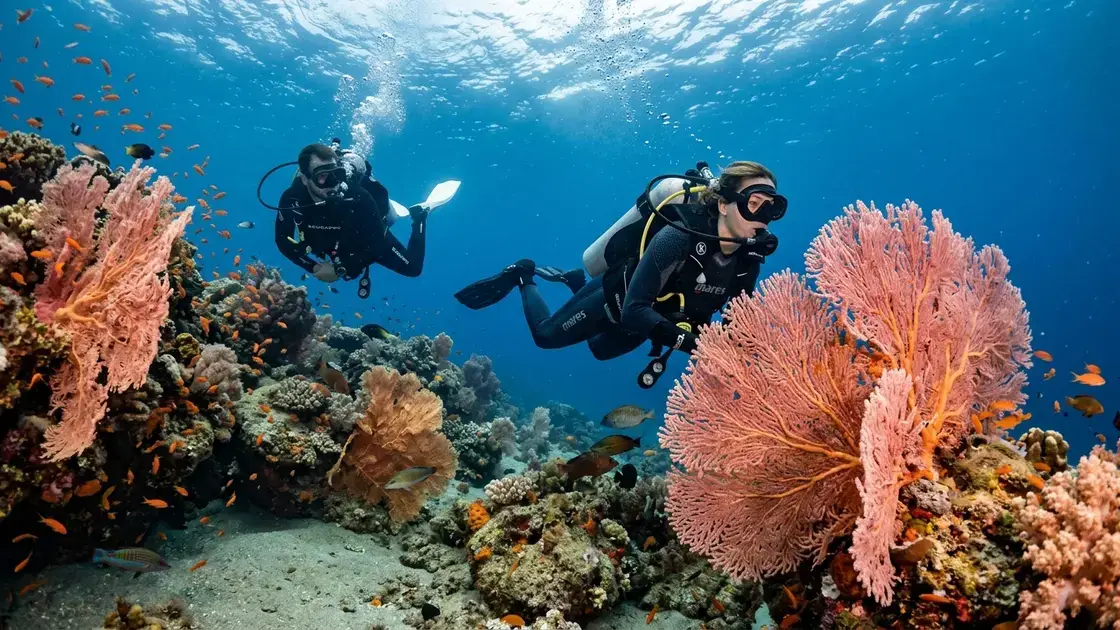
The Bay of La Herradura is one of the better-kept secrets along the Spanish Mediterranean coast. The bay sits inside a natural semicircle of headlands, which cuts the swell and keeps visibility high even when conditions elsewhere are poor. Thirty metres offshore the seabed drops through a series of rocky shelves covered in gorgonian fans, moray eels, and octopus. This combination of shelter, depth gradient, and marine life density is why diving guides consistently place La Herradura in Spain's top-10 dive sites.
The bay is 65 km south of Granada by road: take the A-44 motorway toward Motril, then the N-340 along the coast. The drive runs to about 50–60 minutes without heavy traffic. Dive centres operate from Marina del Este, the small-boat marina on the eastern edge of the bay, where boats head out to sites including the Bajo de los Morenillos reef and, for advanced divers, wreck sites further offshore.
What the diving is actually like
The bay's sheltered position means visibility ranges from 10 to 25 metres on most dives, with the clearest conditions in summer and early autumn. Water temperature follows the warmest pattern on the Spanish mainland: around 14–15°C in January and February, rising to 23–24°C in August. A 5mm wetsuit covers you comfortably across the shoulder seasons; in summer, 3mm is enough.
The rocky reef structure under the Cerro Gordo headland to the east supports the richest marine life. Gorgonian sea fans grow at depths from 10 metres down, alongside sea anemones, nudibranchs, and large grouper. Moray eels are common under the boulders at 8–12 metres. Octopus are everywhere. On a good dive you'll see barracuda and the occasional sunfish (mola mola) in late summer, though sightings of the latter are never guaranteed.
Wreck diving is available for divers with an Advanced Open Water certification or equivalent. The sites vary by season and operator availability. Shallow sites at 10–18 metres suit open-water divers on their first dives after qualification, or guided discovery dives for complete beginners.
Snorkelling works well in the bay itself, particularly in the coves east of the main beach where the rocks start. Depth reaches 4–6 metres close to the headlands, with sea urchins, starfish, and small reef fish visible without leaving the surface.
PADI courses and guided dives
Guided dives run from €40 for a single shallow dive with equipment included, up to €70–80 for a two-dive excursion with boat transport to offshore sites. These are the right option for certified divers who know what they are doing and want access to the better sites.
Discover Scuba Diving (the beginner experience, often called a baptism dive) runs around €50–60. It includes a briefing, shallow-water skills practice in the bay, and a guided 20–30 minute dive to 6–8 metres. No prior experience required; minimum age is typically 10–12 years old depending on the operator. This is what most first-timers book.
PADI Open Water courses take three to four days and run €250–350 depending on the dive centre. This is the entry-level certification that qualifies you to dive to 18 metres anywhere in the world. The course combines poolside or confined-water skills sessions with four qualifying dives in the bay. Most operators offer courses in Spanish and English.
Dive centres at Marina del Este handle equipment rental as standard: BCD, regulator, tank, weights, and wetsuit are all included in guided dive prices. You bring swimwear, a towel, and reef-safe sunscreen.
When to go
The bay dives year-round because the shelter from the headlands makes rough-weather cancellations uncommon. That said, conditions vary.
July and August bring the warmest water and the highest visibility, but the bay is at peak tourist capacity. Parking at Marina del Este fills by mid-morning. Book dive slots at least two or three days ahead.
May, June, and September are the practical optimum: water between 18 and 22°C, long daylight, and a fraction of the summer crowds. Morning dives leave in calm conditions most days. These months also coincide with the best snorkelling, when jellyfish are rare and visibility holds at 15–20 metres.
October and November work well for certified divers wanting the bay to themselves. Water is still above 18°C in October. The levante (an east wind) can close the bay for a day or two at a time in autumn, so build in some flexibility if you're visiting specifically to dive.
Winter diving runs when conditions allow. Water at 14–15°C requires a 7mm wetsuit, and some days the bay gets a short chop that reduces enjoyment for beginners. For experienced divers, winter means small groups, empty reefs, and the dive centres happy to give you their full attention.
Getting there and practical details
Marina del Este is on the eastern side of the bay, accessible from the N-340 coast road. There is car parking at the marina, though it fills in high summer. No direct bus from Granada is timed for morning dive departures; the practical option is driving or joining a day-trip transfer from the city.
Bring a certification card (C-card) if you have one. Most dive centres in Spain require proof of qualification before taking you to deeper or open-water sites. If you are not yet certified, a Discover Scuba session or Open Water course is booked without any prerequisites. Medical conditions affecting diving, including respiratory issues and recent surgery, require a doctor's clearance note. Divers should not fly within 12–18 hours of their last dive.